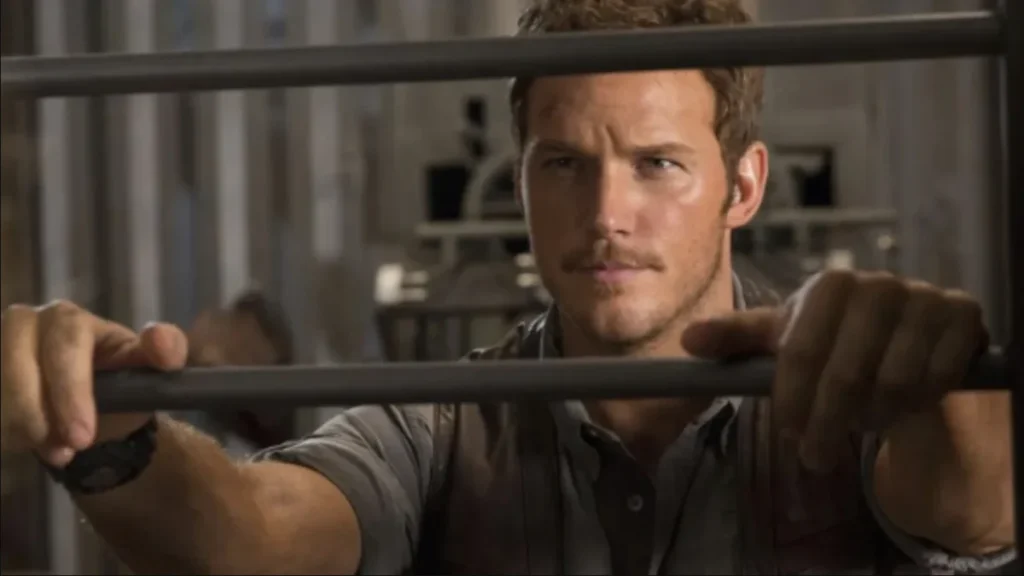

Acclaimed actor Chris Pratt is set to embark on a distinctive venture, starring in a new government-funded comedy shorts series designed to humorously and informatively engage audiences with American history as part of the extensive America 250 celebrations. The project, reportedly funded through the United States government, pairs Pratt with Pulitzer Prize-winning presidential historian Doris Kearns Goodwin, creating an unlikely but strategically crafted duo for public education and diplomacy.
A Novel Approach to American History for America 250
The series, currently operating under the working title "Faster Class," a clear homage to the popular online learning platform MasterClass, aims to make American history accessible and entertaining. It is slated to coordinate with the nationwide America 250 observances, marking the 250th anniversary of the Declaration of Independence in 2026. Variety initially reported on the initiative, highlighting its unique blend of celebrity appeal, historical scholarship, and government backing.
The core concept of "Faster Class" involves Chris Pratt enthusiastically attempting to share his passion for American history, only to discover that his grasp of factual details is not as robust as his fervor. This comedic premise allows for the intervention of Doris Kearns Goodwin, who will serve as an executive producer, editorial advisor, and on-screen expert. Her role is crucial in ensuring the historical lessons remain accurate and on track, balancing Pratt’s comedic inaccuracies with authoritative factual corrections. Each episode is designed to explore a fundamental constitutional value through the narrative of a significant historical figure or event, employing a dynamic mix of live-action segments and animated sequences to captivate a broad audience.
The Bicentennial Legacy and the Genesis of America 250
The America 250 commemoration is a monumental national undertaking, echoing the significance of the 1976 Bicentennial. The America250 Commission, formally known as the U.S. Semiquincentennial Commission, was established by Congress in 2016 to plan, encourage, develop, and coordinate the nationwide observance of the 250th anniversary of the founding of the United States. Comprising members from various sectors including government, business, and historical institutions, the Commission’s mandate is to inspire the American spirit, educate future generations, and highlight the nation’s journey and enduring principles.
Unlike past commemorations that often focused solely on domestic audiences, America 250 places a significant emphasis on international engagement. This focus aligns directly with the funding source for the "Faster Class" series: the U.S. State Department’s Office of Public Diplomacy and Bureau of Educational and Cultural Affairs. The State Department’s involvement underscores a broader strategy to leverage cultural and educational exchange programs, digital communications, and outreach through U.S. embassies and consulates worldwide. The goal is to "inform and engage foreign publics about America" through diverse media channels, fostering a deeper understanding of American values and history on a global scale. This approach acknowledges the evolving landscape of international communication, where engaging content and influential personalities can play a pivotal role in shaping perceptions.
Government Funding and Public Diplomacy: A Strategic Investment
The decision by the U.S. government to fund a comedy series starring a prominent Hollywood actor for public diplomacy is noteworthy. The Bureau of Educational and Cultural Affairs (ECA) traditionally supports a wide array of programs aimed at fostering mutual understanding between the people of the United States and the people of other countries. These include prestigious initiatives like the Fulbright Program, international visitor leadership programs, and various cultural exchange efforts. The funding of a media production like "Faster Class" represents an adaptation of these traditional public diplomacy tools to the digital age, utilizing popular culture to reach broader and often younger demographics.
The State Department’s rationale for such an investment is rooted in the belief that compelling, accessible content can effectively convey complex messages about American values and history to an international audience. By partnering with a recognizable celebrity like Chris Pratt, the series aims to cut through informational noise and attract viewers who might not otherwise engage with educational content. The comedic format is intended to lower barriers to entry, making learning enjoyable and memorable, while Doris Kearns Goodwin’s participation ensures the integrity of the historical narrative. This strategy is not without precedent; governments have long used cultural products, from jazz tours during the Cold War to documentaries and film festivals, as instruments of public diplomacy. However, directly funding a celebrity-led comedic series for digital distribution marks a contemporary evolution of this practice, reflecting an understanding of modern media consumption habits.
The Creative Minds Behind "Faster Class"
The production of "Faster Class" falls under the purview of ATTN:, a media company renowned for its engaging and informative content, often with a focus on social, political, and cultural issues. ATTN: specializes in creating short-form videos optimized for digital platforms, making them an ideal partner for a project aimed at broad online dissemination. Their track record suggests an ability to blend entertainment with educational objectives effectively.
Adding further creative weight to the project is Emmy-winning producer Alex Gregory, known for his work on critically acclaimed political satires like Veep and historical dramas such as White House Plumbers. Gregory’s expertise in navigating the nuanced intersection of comedy, politics, and historical narratives makes him a fitting choice to helm a series that promises to be both humorous and factually grounded. His involvement signals a commitment to high production quality and a sophisticated approach to the series’ comedic elements, ensuring that the humor enhances, rather than detracts from, the educational mission.
Chris Pratt’s Public Persona and Potential Implications
Chris Pratt’s casting brings significant star power and a well-established comedic persona to the project. Known for his roles in major franchises like Guardians of the Galaxy, Jurassic World, and voicing Mario in The Super Mario Bros. Movie, Pratt commands a vast global following. His amiable, often self-deprecating humor, famously honed in roles such as Andy Dwyer in Parks and Recreation, makes him a natural fit for a series that aims to teach "poorly and humorously." This persona allows for the series’ central premise—Pratt’s enthusiastic but flawed historical knowledge—to feel authentic and relatable.
However, Pratt’s involvement also introduces a layer of complexity due to his past public statements and perceived political leanings. In 2025, he publicly expressed support for Robert Kennedy Jr., calling him "funny" and "wonderful," and stating "I love him" after having dinners with the then-current health secretary. While the specific context of these dinners and the "health secretary" reference remains somewhat ambiguous, these comments have placed Pratt within certain political conversations. Robert Kennedy Jr., known for his environmental activism and more recently for his presidential campaigns, has held views that sometimes diverge from mainstream political consensus, particularly on public health matters.
The funding of a government-backed project by a celebrity with publicly expressed political affiliations can sometimes draw scrutiny. Critics may raise questions about the perceived neutrality of government-funded educational content when fronted by an individual whose personal views are known. Conversely, proponents might argue that a celebrity’s personal views should not disqualify them from participating in projects designed for public good, especially when the content itself is carefully overseen by experts like Doris Kearns Goodwin to ensure factual accuracy and adherence to a non-partisan educational mission. The State Department’s objective is to represent American values, not partisan politics, and Goodwin’s role is critical in maintaining that distinction.
Doris Kearns Goodwin: The Anchor of Historical Integrity
The inclusion of Doris Kearns Goodwin is a strategic masterstroke, providing the academic gravitas and historical authority essential for the series’ credibility. Goodwin is a revered figure in American historiography, a Pulitzer Prize winner, and the author of numerous best-selling books on U.S. presidents, including Abraham Lincoln (Team of Rivals), Theodore Roosevelt (The Bully Pulpit), and Franklin D. Roosevelt (No Ordinary Time). Her extensive scholarship and ability to weave compelling narratives from historical facts are unparalleled.
Goodwin’s multi-faceted role as executive producer, editorial advisor, and on-screen expert ensures that the series maintains a high standard of historical accuracy. She will not only guide the narrative framework but also appear on screen to provide authoritative corrections and deeper insights, directly countering Pratt’s "poorly" presented facts. This dynamic is crucial for the series to fulfill its educational mandate, transforming potential comedic errors into teachable moments. Her presence acts as a safeguard against the trivialization of history, lending an invaluable layer of academic rigor to what is fundamentally an entertainment product. Her involvement signals to both domestic and international audiences that while the delivery may be lighthearted, the historical content is serious and vetted.
Series Structure and Educational Objectives
The episodic format, exploring constitutional values through historical figures and events, offers a rich pedagogical framework. For instance, an episode focusing on "liberty" might delve into the lives of figures like Frederick Douglass or events like the American Revolution, while an episode on "justice" could explore the Civil Rights Movement or landmark Supreme Court cases. The blend of live-action and animation further enhances the educational experience, allowing for creative visual storytelling that can make complex historical concepts more digestible and engaging, especially for younger viewers accustomed to dynamic digital content.
The series is positioned to serve as a gateway for audiences, particularly those abroad, to delve into American foundational principles. By framing historical narratives around constitutional values, "Faster Class" aims to illustrate the enduring relevance of these principles in shaping the American identity and its global role. This approach moves beyond mere chronological recounting of events, seeking to foster an understanding of the underlying ideals that have guided the nation’s development.
Broader Impact and Implications
The "Faster Class" series, funded by the U.S. government and featuring a high-profile celebrity, carries several significant implications.
Educational Impact: The most immediate potential impact lies in its ability to democratize historical education. By making history entertaining and accessible through a popular medium and personality, the series could reach vast audiences, including those who typically find history intimidating or uninteresting. It could spark curiosity and encourage further exploration of American history and civics, both domestically and internationally.
Public Diplomacy Effectiveness: For the State Department, the success of "Faster Class" will be a key indicator of the efficacy of modern public diplomacy strategies. If the series achieves broad viewership and positive engagement, it could pave the way for more government investment in celebrity-led, digitally-native content as a tool for international outreach. Conversely, if it faces significant criticism or fails to resonate, it might prompt a reevaluation of such approaches. The challenge lies in balancing entertainment value with the nuanced communication of American values, avoiding oversimplification or cultural misinterpretations.
Funding and Oversight Controversy: The use of taxpayer funds for a celebrity project, especially one involving a figure with known political views, could ignite debate. Different political factions might scrutinize the expenditure, questioning its value for money, the selection process, or the potential for perceived political bias. The transparency of the State Department’s funding mechanisms and the robustness of the project’s oversight will be crucial in mitigating such criticisms. The direct involvement of a non-partisan historian like Doris Kearns Goodwin is a strong counter-argument to claims of political agenda.
Historical Accuracy vs. Entertainment: The inherent tension between comedic license and historical accuracy will be a continuous point of discussion. While Goodwin’s role is designed to ensure factual integrity, the very premise of Pratt’s "poorly" told history could lead some to question the seriousness of the educational endeavor. The series will need to expertly navigate this balance to be both engaging and genuinely informative.
Future of Government-Funded Media: This project could set a precedent for how governments engage with popular culture and digital media for educational and diplomatic purposes. It signals a recognition that traditional methods of communication may no longer be sufficient to reach diverse and globally connected audiences. The success or failure of "Faster Class" could influence future decisions regarding the funding and production of similar projects worldwide.
As the United States gears up for its semiquincentennial celebrations in 2026, "Faster Class" stands out as a bold and innovative component of the America 250 initiative. By harnessing the star power of Chris Pratt, the historical authority of Doris Kearns Goodwin, and the creative prowess of ATTN: and Alex Gregory, the series aims to offer a fresh, humorous, and engaging perspective on American history, fostering understanding and dialogue both at home and across the globe. Its reception and impact will undoubtedly be watched closely by observers interested in the evolving landscape of education, entertainment, and international relations.