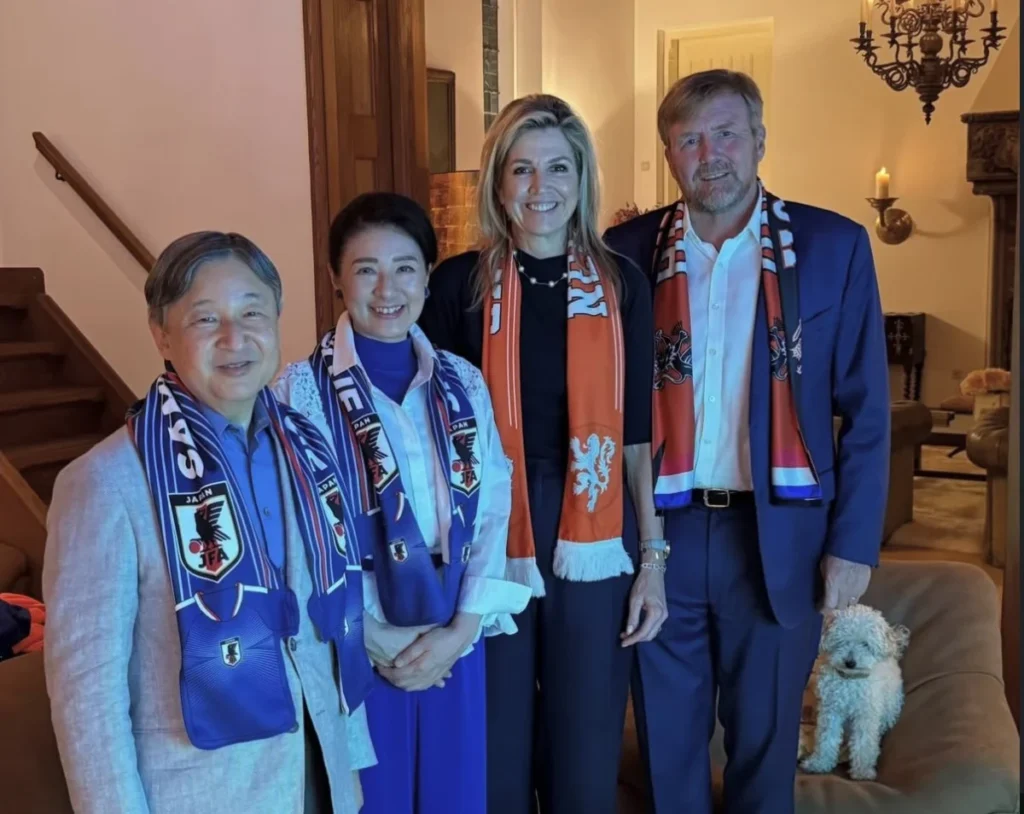

The Netherlands, a nation with a deep-seated passion for football, recently witnessed an extraordinary display of royal diplomacy and shared sporting enthusiasm as His Imperial Majesty Emperor Naruhito of Japan joined His Majesty King Willem-Alexander of the Netherlands for a highly anticipated World Cup match. This unique gathering, held at one of the Dutch monarch’s ancestral castles, transcended mere diplomatic protocol, offering a glimpse into the personal rapport between two heads of state united by their love for the beautiful game. The event, which precedes Emperor Naruhito’s official State Visit to the Netherlands, underscored the growing ties between the two nations and highlighted the unifying power of global sporting events.
The informal watch party, which took place in the lead-up to the official commencement of Emperor Naruhito’s State Visit, saw the two monarchs shed their imperial and royal regalia for more casual attire, reflecting the relaxed atmosphere of the occasion. Emperor Naruhito was seen sporting a Japan national team scarf, a vibrant splash of blue and red against the backdrop of the historic castle. King Willem-Alexander, in turn, donned the iconic bright orange of the Dutch national team, symbolizing his unwavering support for the Oranje. The visual contrast, yet shared enthusiasm, perfectly encapsulated the spirit of friendly competition that defines the World Cup.
A Pre-Visit Prelude to Diplomacy
Emperor Naruhito’s presence in the Netherlands was in anticipation of a formal State Visit, a cornerstone of international relations designed to strengthen bilateral ties, foster economic cooperation, and promote cultural exchange. State Visits are meticulously planned affairs, involving extensive diplomatic preparations, official ceremonies, and a packed schedule of engagements. However, this impromptu football viewing offered a more personal and relaxed prelude, allowing for genuine interaction between the two leaders before the formal demands of state affairs commenced.
The timing of this informal gathering was particularly significant. The World Cup, a quadrennial spectacle that captivates billions worldwide, provides a unique platform for international goodwill and cultural understanding. By choosing to watch a match together, Emperor Naruhito and King Willem-Alexander leveraged this global event to further cement their personal connection and, by extension, the relationship between their respective countries. The image of the two monarchs, sharing a moment of anticipation and excitement, resonated globally, showcasing a modern approach to diplomacy that embraces shared interests and popular culture.
The Match and Its Royal Spectators
The specific match in question was a crucial encounter between Japan and the Netherlands, a fixture that, even without royal involvement, would have generated considerable interest. The tournament, being jointly hosted by the United States, Canada, and Mexico, featured an expanded format this year, with more participating nations than ever before. This global reach amplified the significance of the match and the royal watch party.
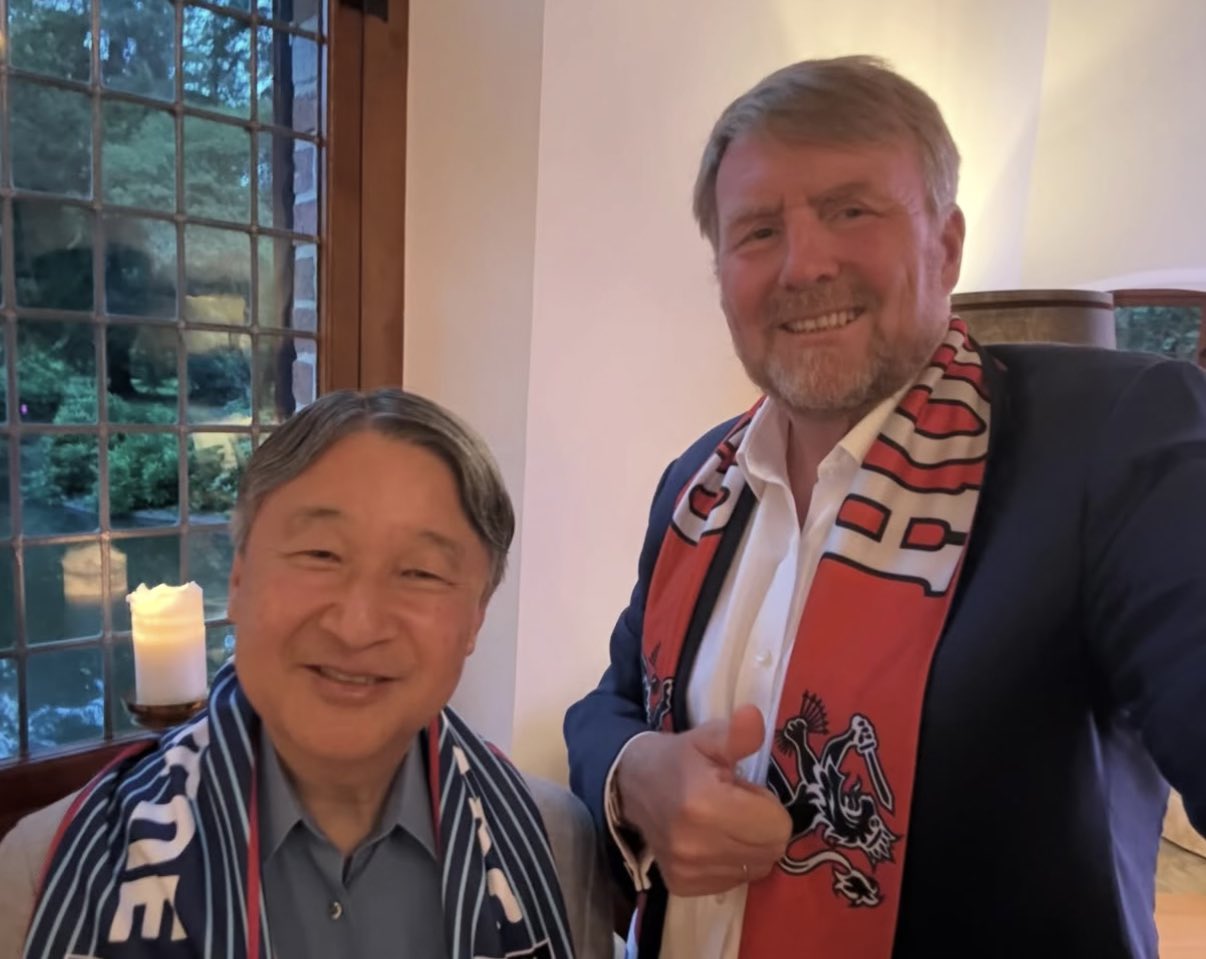
The encounter proved to be a thrilling affair, culminating in a hard-fought 2-2 draw. A last-minute equalizer from Japan’s Daichi Kamada ensured that the Emperor’s team secured a valuable point, providing him with a distinct advantage in the friendly rivalry with King Willem-Alexander. The outcome, a testament to the competitive spirit of both nations, undoubtedly provided ample material for post-match discussion between the two heads of state. The diplomatic implications of a draw, while seemingly minor, can contribute to a sense of parity and mutual respect, setting a positive tone for the subsequent official engagements.
The Dutch monarch’s well-known ardor for football was further underscored by reports suggesting his intention to attend another significant World Cup fixture. Alongside Queen Máxima, King Willem-Alexander is expected to witness the Netherlands’ match against Sweden on June 20th, shortly after the conclusion of Emperor Naruhito’s State Visit. This demonstrates a sustained commitment to engaging with the tournament, not just as a spectator but as a visible supporter of his nation’s team. This personal involvement in sporting events is often seen as a way for monarchs to connect with their citizens on a more relatable level, fostering a sense of shared identity and national pride.
A Broader Trend in Royal Engagement
The involvement of royalty in major sporting events is not an isolated phenomenon. King Felipe VI of Spain, for instance, has also confirmed his attendance at a World Cup match in Guadalajara, Mexico, where Spain will face Uruguay. This trend reflects a broader shift in how modern monarchies engage with their populations and the international community. By participating in popular cultural events, royal families can enhance their public image, demonstrate their connection to contemporary society, and promote national interests on a global stage.
This approach allows monarchs to transcend traditional ceremonial duties and engage with citizens through shared passions. For instance, King Willem-Alexander’s passion for football is widely known. His active participation in watching matches, and even attending them, humanizes the monarchy and makes it more accessible to the public. This can translate into increased public support and a stronger sense of national unity, especially during major international events that capture the collective imagination.
The Strategic Significance of Shared Interests
The World Cup watch party between Emperor Naruhito and King Willem-Alexander was more than just a casual outing; it was a subtle yet effective diplomatic maneuver. By choosing to share in a popular global event, both monarchs signaled a willingness to engage on common ground, fostering a relaxed and convivial atmosphere that can pave the way for more substantive diplomatic discussions. Such informal interactions can break down barriers and build personal rapport between leaders, which can be invaluable when navigating complex international issues.
Furthermore, the event served to highlight the enduring and evolving relationship between Japan and the Netherlands. Both nations are significant economic and political partners, sharing common values and strategic interests. The World Cup provided a timely and engaging backdrop to reinforce these connections. The presence of Emperor Naruhito at a Dutch castle, sharing a moment of sporting camaraderie with King Willem-Alexander, offered a powerful visual representation of this strong bilateral relationship. It sent a clear message to both domestic and international audiences about the warmth and depth of the ties between the two countries.
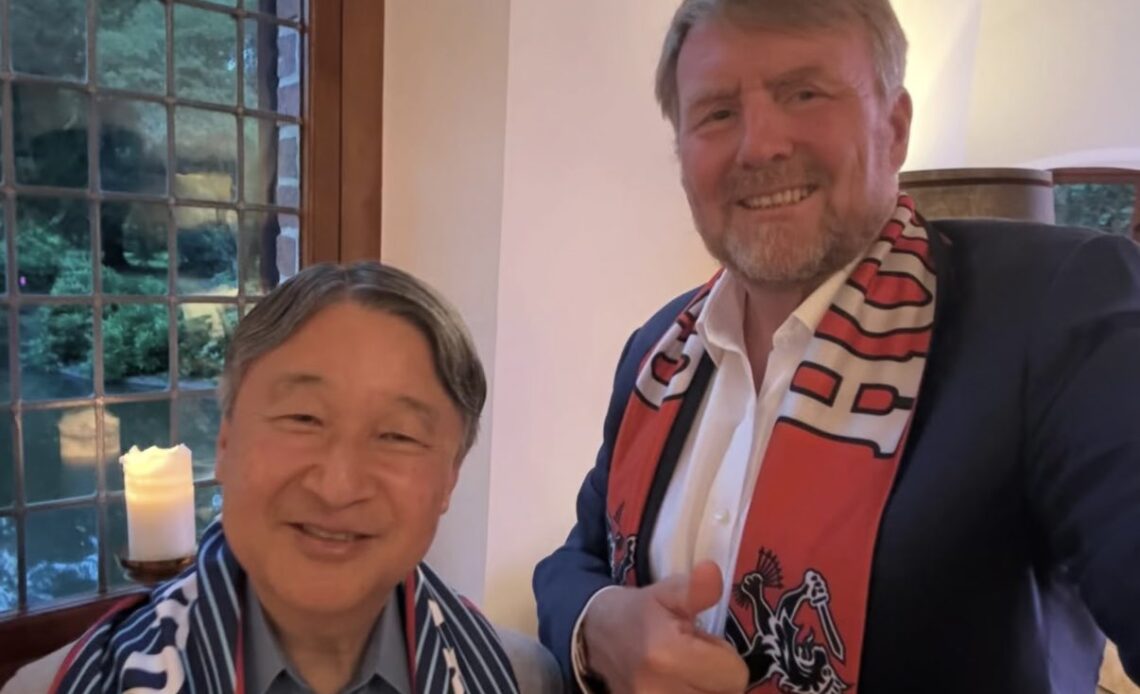
The choice of a football match also speaks to the growing global influence of the sport. The World Cup is one of the most-watched sporting events on the planet, attracting an audience that transcends national, cultural, and social divides. By participating in this global spectacle, both Japan and the Netherlands, through their respective monarchs, demonstrated their engagement with the international community and their understanding of the power of shared cultural experiences.
Historical Context and Future Implications
The Netherlands has a rich footballing history, having reached the World Cup final on multiple occasions and produced legendary players. Similarly, Japan has emerged as a formidable force in international football, consistently qualifying for the World Cup and often exceeding expectations. The match between these two nations, therefore, held significant historical and sporting weight.
The fact that the match ended in a draw, with Japan securing a late equalizer, is also noteworthy. In a diplomatic context, a draw can symbolize a balanced relationship, where both parties have achieved a satisfactory outcome. It suggests a sense of equality and mutual respect, which is crucial for sustained diplomatic engagement. This outcome, witnessed and shared by the two monarchs, could be seen as a positive omen for the upcoming State Visit and the future of Japan-Netherlands relations.
The State Visit itself is expected to focus on areas of mutual interest, including trade, technology, and environmental sustainability. However, the foundation of strong diplomatic relations is often built on personal connections and shared understanding, qualities that were undoubtedly fostered during this informal World Cup viewing. The relaxed atmosphere and shared passion for football likely created a more conducive environment for the subsequent formal discussions, allowing for a more open and productive exchange of ideas.
Looking ahead, the success of this informal diplomatic engagement could serve as a model for future interactions between heads of state. In an increasingly interconnected world, leveraging popular culture and shared interests can be a highly effective way to strengthen international relations and promote global understanding. The image of Emperor Naruhito and King Willem-Alexander, united by the thrill of a World Cup match, will likely be remembered as a powerful symbol of modern diplomacy and the enduring appeal of sport. It underscores the idea that even at the highest levels of international affairs, shared human experiences can play a vital role in building bridges and fostering lasting partnerships.