
The K-pop industry is currently witnessing a significant debate surrounding the promotional strategies of veteran artist and entrepreneur Jay Park, following his recent responses to criticisms regarding the management of his new idol group, LNGSHOT. As a multifaceted figure who has successfully transitioned from a boy group member to a solo artist and the founder of multiple influential labels, Park’s every move is scrutinized. However, his recent involvement in the activities of LNGSHOT has led to accusations of "main character syndrome," with netizens suggesting that his presence is overshadowing the very rookies he is meant to be mentoring. The situation escalated recently when Park addressed the backlash on social media, a move that appears to have further alienated segments of the public who view his defense as dismissive.
The Genesis of the LNGSHOT Promotion Controversy
The friction began during the initial rollout of LNGSHOT, the rookie idol group produced under Jay Park’s leadership. Unlike traditional K-pop debuts where the CEO remains largely behind the scenes or appears only in a supportive capacity, Park has been a constant fixture in the group’s promotional cycle. From appearing in their music videos to participating in their TikTok challenges and joining them on variety show segments, Park’s visibility has been nearly equal to that of the group members themselves.
Critics argue that this strategy is counterproductive for a rookie group trying to establish its own identity. In the highly competitive K-pop market, the "first impression" of a group is vital for building a dedicated fandom. When a globally recognized star like Jay Park is consistently at the center of the frame, public attention naturally gravitates toward him, often leaving the individual members of LNGSHOT as background figures in their own debut narrative. This has led to the emergence of the term "Jay Park and Friends" among online communities, a label that carries a negative connotation for the longevity of the group’s brand.

Timeline of Escalation and Social Media Interaction
The timeline of the current controversy suggests a rapid breakdown in communication between the artist and the public. Following several weeks of mounting criticism on platforms such as Instiz and theqoo, Park initially responded with a series of direct comments aimed at his detractors. In these initial posts, he appeared to "clap back" at those questioning his methods, defending his right to support his artists in the way he saw fit.
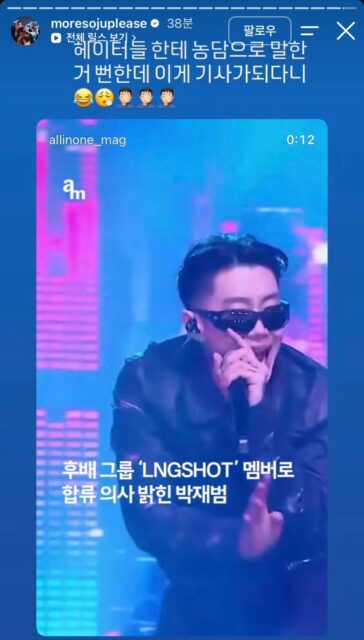
However, as mainstream media outlets began to pick up the story, reporting on the "fierce backlash" against his promotional style, Park took to his Instagram stories to clarify his position. He posted a screenshot of a news headline, accompanied by a caption stating that his previous defensive comments were intended as a joke. "It’s obvious I wrote those comments as a joke to the haters, and yet articles are being written about it," Park remarked.
Rather than de-escalating the situation, this clarification served as a catalyst for a new wave of criticism. Netizens were quick to point out that the tone of his original comments did not convey humor, but rather a lack of professional accountability. The consensus among online communities shifted from a critique of marketing tactics to a critique of Park’s perceived maturity as a CEO.
Analyzing Netizen Sentiment and Community Reactions
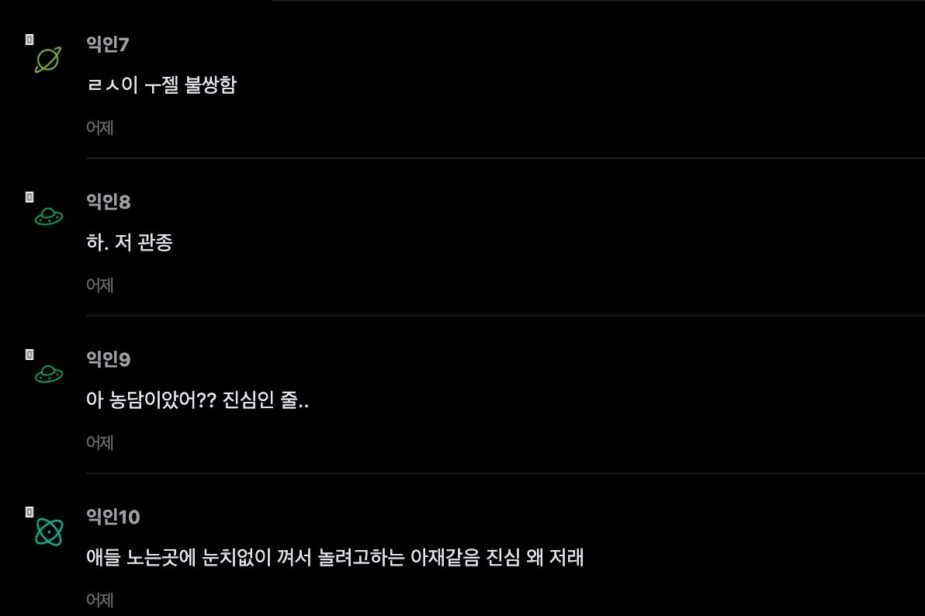
The reaction on Instiz, one of South Korea’s most active online forums, has been overwhelmingly skeptical of Park’s "joke" defense. Many users expressed that the humor was "lost in translation" or simply non-existent. One highly upvoted comment read, "If that was a joke, it wasn’t funny. It just felt like he was lashing out because he couldn’t handle the criticism."

A recurring theme in the feedback is the "sympathy factor" for LNGSHOT. Netizens have expressed concern that the group’s debut is being marred by their CEO’s public feuds. "I feel bad for the rookie group," another user commented. "They worked so hard to debut, but now their name is only mentioned in the context of Jay Park’s social media drama." This sentiment highlights a growing trend in K-pop where the public is increasingly protective of idol welfare, even when the perceived "threat" is the group’s own management.
The CEO-Centric Marketing Model in K-pop
To understand the context of this controversy, one must look at the history of CEO-centric marketing in the Korean music industry. Jay Park is not the first executive to use his personal brand to bolster a new act. J.Y. Park (JYP) and Psy (P NATION) are notable examples of "star CEOs" who frequently collaborate with their artists.
However, there is a delicate balance to be maintained. When JYP collaborates with his artists, it is often framed as a "legendary mentor" passing the torch or a special guest appearance. In the case of Jay Park and LNGSHOT, the criticism suggests that the balance has tilted too far toward the CEO. Because LNGSHOT is a rookie group without a pre-existing fanbase, they lack the "star power" to compete for the spotlight when standing next to Park.
Industry analysts suggest that Park’s approach may be rooted in the hip-hop "crew" culture, where a leader often brings their subordinates along to every event to provide exposure. While this works in the domestic hip-hop scene, the idol industry operates on different optics. In K-pop, the group must be the primary product; any external element that detracts from the members’ individual charms is often viewed as a strategic failure.
Broader Implications for MORE VISION and LNGSHOT
The long-term impact of this controversy on LNGSHOT’s career remains to be seen, but the immediate effect is a "branding crisis." Instead of discussing the group’s vocal talent, choreography, or concept, the discourse is centered on Jay Park’s personality and his social media habits. This "noise" can be detrimental to securing high-end brand deals and variety show appearances for the group, as companies may be wary of being associated with ongoing negative press.
Furthermore, the situation puts MORE VISION, Park’s latest venture, in a difficult position. As a label that prides itself on being artist-centric and "boundary-breaking," the perception of a CEO who dismisses public feedback as "jokes" could hinder the recruitment of future talent. The label’s internal culture is now under the microscope, with many wondering if the staff has the authority to temper Park’s public outbursts for the sake of the company’s reputation.
The Role of Social Media in Executive Accountability
This incident also underscores the changing nature of executive accountability in the digital age. In the past, a CEO’s response to a controversy would be filtered through a PR department and released as a formal statement. Today, the direct line between an executive’s smartphone and their millions of followers allows for immediate, unfiltered communication.
While this can build a sense of "authenticity," it also removes the professional buffer that prevents minor disagreements from turning into full-blown public relations disasters. Park’s decision to engage directly with "haters" on a public platform is a high-risk strategy that, in this instance, appears to have backfired. It suggests a disconnect between how Park views his role (as an unfiltered artist) and how the public views his role (as a responsible corporate leader).
Conclusion and Future Outlook
As the dust settles on this particular exchange, the focus will likely shift back to LNGSHOT’s upcoming activities. The true test of Park’s promotional strategy will be whether the group can eventually step out of his shadow and cultivate a standalone fanbase. If the group finds success, Park’s methods may be vindicated as a "trial by fire" that gave them early name recognition. However, if the group continues to be viewed as a secondary project to Park’s solo brand, it may serve as a cautionary tale for future "star CEOs" in the industry.
For now, the backlash serves as a reminder that in the world of K-pop, the audience values the growth and autonomy of the idols above all else. While Jay Park’s contributions to the industry are undeniable, his recent interactions suggest that even the most successful veterans must navigate the evolving expectations of the public with care. Whether Park will adjust his approach or continue to double down on his "unapologetic" persona will be a key narrative to watch in the coming months. The industry will be watching closely to see if LNGSHOT can transform this early notoriety into a sustainable career, or if the "Jay Park" brand will continue to be the headline of their story.