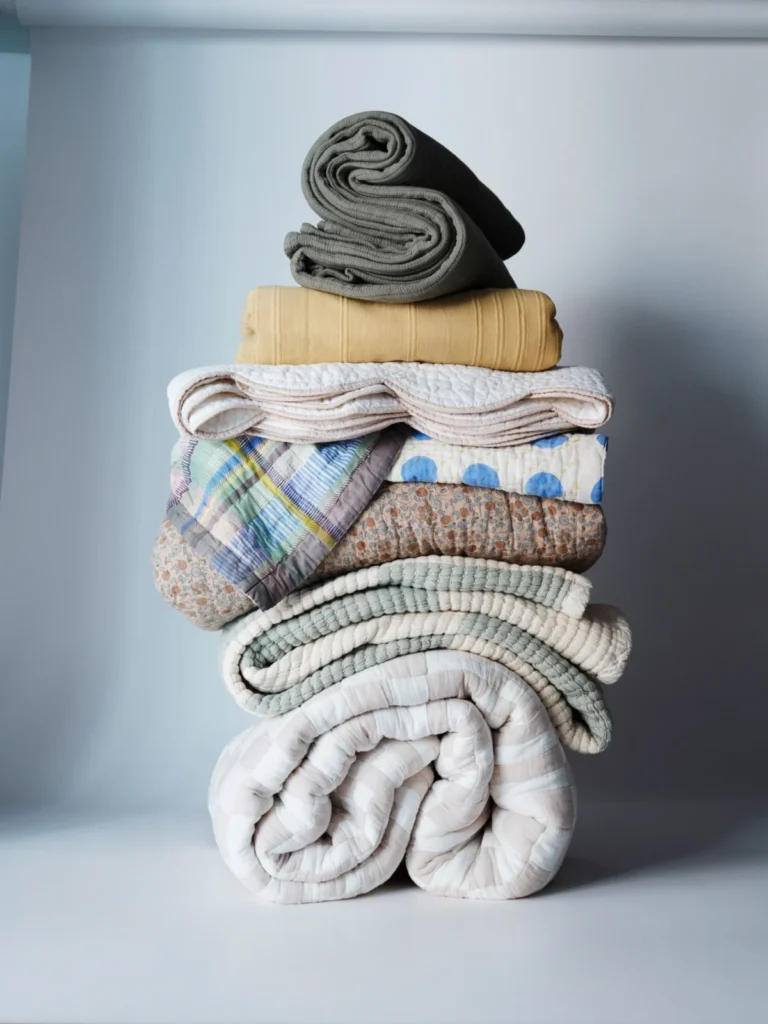

The global interior design landscape has witnessed a significant resurgence in traditional aesthetics, specifically driven by the "cottagecore" and "Anglophile" movements. This shift toward nostalgic, countryside-inspired decor has placed a renewed spotlight on classic bedding staples: quilts and coverlets. No longer relegated to the foot of a guest bed or a cedar chest, these items have become central to modern bedroom styling. Industry experts and design publications, including Architectural Digest, have identified a growing consumer preference for textiles that offer both historical charm and high-performance functionality. As the market for home textiles continues to expand, the demand for versatile, trans-seasonal bedding has led to a rigorous evaluation of the best products currently available to consumers.
The Resurgence of Traditional Textiles in Modern Design
The transition toward cottagecore—a design movement that celebrates a romanticized version of rural life—and the enduring popularity of Anglophile interiors have fundamentally changed how homeowners approach bedroom aesthetics. This trend is characterized by the use of patchworked pieces, overshot weaves, and kantha quilts, which provide texture and visual interest to otherwise minimalist "bedscapes." These items serve a dual purpose: they act as a finishing decorative layer while providing a functional middle ground between heavy comforters and thin sheets.
According to market research, the global bedding market is projected to grow at a compound annual growth rate (CAGR) of approximately 6% through 2030, with a significant portion of this growth attributed to premium and organic textiles. Consumers are increasingly moving away from "fast decor" in favor of heirloom-quality pieces that offer longevity and sustainable material sourcing. The current market offers a range of options from lightweight voile and matelassé to robust European linen and organic cotton, catering to various climates and personal preferences.

Comprehensive Analysis of Top-Rated Quilts and Coverlets
To identify the leading products in the current market, testers evaluated a wide array of bedding based on material quality, thermal regulation, durability after multiple wash cycles, and aesthetic versatility. The following products emerged as the top performers in their respective categories.
Best Overall: Quince European Linen Quilt
The Quince European Linen Quilt has been recognized as the premier choice for consumers seeking a balance between the loft of a comforter and the breathability of traditional linen. Constructed from 100% European flax, this quilt is filled with polyester batting to provide a substantial feel without the excessive heat retention often associated with down-filled products.
Linen is historically valued for its thermoregulating properties, making it an ideal material for year-round use. Unlike synthetic alternatives, high-quality linen becomes softer with each wash and does not suffer from the "off-gassing" or chemical stiffness found in lower-end textiles. Testers noted that the Quince model arrives with a "worn-in" feel, eliminating the break-in period. Available in 20 distinct colorways, it offers the versatility required to integrate into diverse design schemes, from muted neutrals to deep jewel tones.
Best Silky Texture: Luxome Lightweight Blanket
For sleepers who prefer a smooth, sateen-like finish, the Luxome Lightweight Blanket represents a significant advancement in fabric technology. While many sateen products lose their luster and become matte after repeated laundering, the Luxome blanket maintains its silky hand-feel over extended periods of use.

This product is particularly effective for humid environments, such as the summer months in urban areas. Senior shopping editors who tested the blanket reported that it provides the "heft" of a quilt—offering a sense of being "held"—without the weight that leads to overheating. Its ability to seal in heat when layered over a duvet in winter, while remaining breathable in summer, makes it a quintessential trans-seasonal item.
Best Matelassé: Coyuchi Mirada Organic Matelasse Coverlet
The Coyuchi Mirada Organic Matelasse Coverlet is a standout for its commitment to organic materials and traditional weaving techniques. Matelassé is a jacquard-woven fabric designed to mimic the look of hand-stitched quilts. Unlike traditional quilts that use a middle layer of batting, this coverlet utilizes specialized yarn-work to create a textured, "puffy" appearance that remains highly breathable.
Coyuchi has long been a leader in the sustainable textile industry, and this product reflects that heritage. Made from GOTS-certified organic cotton, the Mirada coverlet is lauded for its presence; it is a substantial piece of bedding that does not "melt away" or lose its shape. Its botanical prints and deep color palettes, such as teal and ochre, provide a sophisticated contrast to standard white bedding sets.
Best Patchwork and Heirloom Styles: GreenRow Willow Quilt
The GreenRow Willow Patchwork Quilt caters to the core of the cottagecore aesthetic. It features a reversible design, with one side showcasing a traditional patchwork pattern and the other a classic red stripe. This hand-stitched design, made from organic cotton, bridges the gap between a modern retail product and a vintage heirloom.
.jpeg)
Testers emphasized that this quilt is substantial enough to replace a down comforter in many climates. It provides a "cocooning" effect that is psychologically comforting to many sleepers, yet the organic cotton construction prevents the "stuffy" feeling associated with synthetic fills. Its ability to transition between the bedroom and the living room as a high-end throw blanket further increases its value proposition.
Material Science and Consumer Preferences
The shift toward these specific products is backed by evolving consumer data regarding sleep hygiene and material safety. A 2023 survey indicated that over 65% of consumers now prioritize "breathability" and "natural fibers" when purchasing new bedding. This is a direct response to the increasing awareness of how synthetic materials can disrupt the body’s natural circadian rhythms by trapping heat.
- Linen (European Flax): Highly absorbent and a natural insulator. It can absorb up to 20% of its weight in moisture before feeling damp.
- Organic Cotton: Preferred for its lack of pesticide residue and its soft, durable long-staple fibers.
- Bamboo and Viscose: Valued for their cooling properties and silky textures, though sustainability varies based on the manufacturing process.
- Matelassé Weaving: A technique that provides the visual weight of a quilt without the bulk of internal batting, facilitating better airflow.
Methodology of Quality Testing
The selection process for these top-tier quilts and coverlets involves more than initial aesthetic impressions. Editorial teams and contributors engage in long-term testing protocols to ensure products meet high standards of durability.
- Sensation Testing: Sleepers of varying thermal profiles (hot vs. cold sleepers) use the products for a minimum of 30 days to assess comfort across different ambient temperatures.
- Laundering Durability: Each item is subjected to multiple wash and dry cycles. This identifies issues such as shrinkage, pilling, color fading, or the shifting of internal fill.
- Market Accessibility: Products are evaluated based on their price-to-quality ratio. Items that are frequently out of stock or come from unreliable manufacturers are delisted to ensure consumer reliability.
- Tactile Longevity: Testers monitor whether fabrics, particularly sateen and gauze, maintain their original texture or deteriorate into a rougher state over time.
Broader Impact on the Home Textile Industry
The move toward high-quality quilts and coverlets is indicative of a broader trend toward "slow decor." Similar to the "slow fashion" movement, this philosophy encourages consumers to invest in fewer, higher-quality items that serve multiple functions throughout the year. The trans-seasonality of a well-made quilt—serving as a standalone cover in the summer and an insulating layer in the winter—reduces the need for excessive consumerism and seasonal storage solutions.
.jpeg)
Furthermore, the emphasis on organic certifications (such as GOTS or OEKO-TEX) reflects a growing concern for the environmental impact of textile production. Leading brands like Coyuchi and Quince have set a benchmark for transparency in the supply chain, forcing larger traditional retailers to reconsider their manufacturing processes.
In conclusion, the modern quilt and coverlet market is defined by a fusion of historical design and contemporary material science. Whether a consumer is looking for the "weighted" security of a Kotn Egyptian cotton comforter or the airy, botanical elegance of a hand-stitched organic piece, the current offerings provide unprecedented variety. By prioritizing breathability, durability, and aesthetic versatility, these textiles have secured their place as essential components of the modern, comfortable home. As interior trends continue to cycle, the functional and decorative value of these layered bedding staples remains a constant in the pursuit of the perfect night’s sleep.