

A government audit has quantified the potential compensation Prince Andrew, Duke of York, could receive following his relinquishment of the lease on Royal Lodge, a substantial 30-room residence on the Windsor estate. The National Audit Office (NAO) has calculated that the former prince may be entitled to a sum of £301,967.66, a figure contingent upon the terms of his early departure from the property. This revelation comes as part of a broader report examining the residential property arrangements within the Royal Family, shedding light on the complex financial and logistical considerations associated with royal residences.
The potential compensation arises from Prince Andrew’s decision to surrender the lease on Royal Lodge significantly before its scheduled expiration. The property, which has a 75-year tenancy, was vacated by the Duke of York earlier this year, with his relocation to the Sandringham estate, the personal property of his brother, King Charles III. The NAO’s calculation is based on the premise that the lease was surrendered on October 25, 2025, a date preceding its public announcement of departure from the Windsor residence. Royal Lodge, a historic home, was occupied by the Queen Mother for decades, serving as one of her principal residences before Prince Andrew moved in shortly after her death.
However, the precise financial outcome for Prince Andrew remains uncertain. The final compensation amount is subject to a deduction for "dilapidation costs," which refer to the expenses incurred in repairing the property to its original condition upon the termination of a lease. It is understood that these costs could potentially offset, or even exceed, the calculated compensation figure, leaving the Duke of York with no financial gain. The report underscores that such dilapidation assessments are standard practice in property lease agreements and are crucial in determining the net financial liability or entitlement upon a lease’s conclusion.
A Detailed Look at Royal Residences and Leases
The NAO report, titled "Residential Property Arrangements of the Royal Family," provides a comprehensive overview of how various members of the monarchy occupy residences, distinguishing between properties owned by the Crown Estate and those within occupied royal palaces. The audit reveals that five properties owned by the Crown Estate are currently leased by members of the Royal Family.
In addition to Royal Lodge, which was leased to Prince Andrew, the report identifies four other Crown Estate properties under lease:
- Forest Lodge, Windsor Estate: This property is leased for a 20-year term to the Prince and Princess of Wales.
- Bagshot Park: This estate is leased to the Duke and Duchess of Edinburgh.
- Thatched House Lodge, Richmond Park: This residence is occupied by Princess Alexandra, the Honourable Lady Ogilvy.
- A Cottage on the Windsor Estate: This property is leased to Marina Ogilvy, Princess Alexandra’s daughter.
The report further highlights that three of these five leased properties allow their residents the right to sublet. Notably, until 2020, Prince Edward and Sophie, the Duke and Duchess of Edinburgh, generated income by renting out the stable block at Bagshot Park. Similarly, Prince Andrew previously sublet three cottages on the Windsor estate, though the financial details of these arrangements remain undisclosed in the report. The practice of subletting, while potentially generating income for lessees, also introduces an additional layer of complexity in property management and financial oversight.
Residences Within Royal Palaces
Beyond Crown Estate leases, the report details the residential arrangements for members of the Royal Family residing within occupied royal palaces. Eleven members of the monarchy live in residences at either Kensington Palace or St. James’s Palace. These individuals occupy their homes without charge, a provision that is understood to be in exchange for their commitment to undertaking official duties on behalf of the Crown.
The eleven royal residents benefiting from this arrangement are:
- His Majesty The King and Her Majesty The Queen
- The Prince and Princess of Wales
- The Duke and Duchess of Gloucester
- The Duke of Kent
- The Princess Royal
- The Duke and Duchess of Edinburgh
- Princess Alexandra
This aspect of the report clarifies the distinction between royal residences that are leased from the Crown Estate and those that are integral parts of royal palaces, with different financial and occupancy agreements in place.
Properties Leased to Non-Working Royals
The NAO report also categorizes properties leased to non-working members of the Royal Family. Three such properties are currently let, with residents typically paying rent set at approximately 60% of the market value. This tiered approach to rental agreements suggests a graduated system based on an individual’s direct involvement in official royal duties. The royals residing in these properties are:
- Princess Beatrice
- Princess Eugenie
- Prince and Princess Michael of Kent
This financial arrangement for non-working royals underscores a policy of providing housing while ensuring a contribution towards the upkeep and value of the properties, albeit at a reduced rate compared to open market rentals.
Contextualizing Prince Andrew’s Situation
Prince Andrew’s departure from Royal Lodge marks a significant shift in his living arrangements, occurring amidst ongoing scrutiny of his public profile and financial affairs. The Duke of York stepped back from public duties in 2019 following the fallout from his association with convicted sex offender Jeffrey Epstein. His subsequent relinquishment of Royal Lodge, a residence he occupied for 75 years, signifies a further reduction in his official royal footprint.
The lease on Royal Lodge was originally granted to the Queen Mother in 1952, and upon her death, it was transferred to Prince Andrew. The property, situated within the Windsor Great Park, is known for its extensive grounds and historical significance. The cost of its upkeep has been a subject of public discussion, with taxpayers contributing to the Sovereign Grant, which funds aspects of royal life.
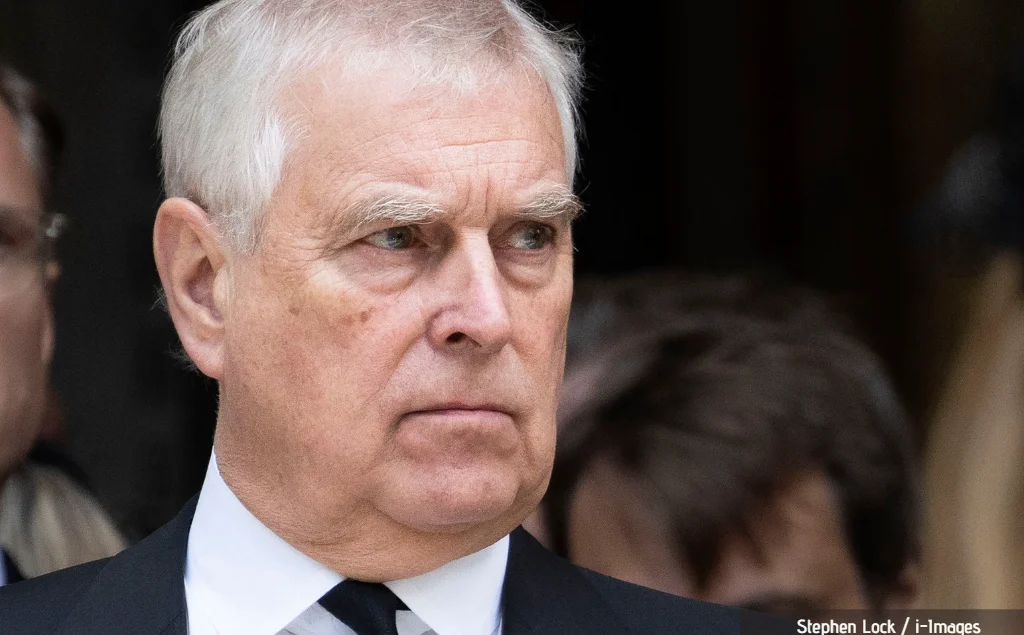
The timing of the NAO report’s publication is noteworthy, coinciding with recent public sightings of Prince Andrew. The report was released shortly after the Duke was photographed with a visibly bruised face while leaving his current residence on the Sandringham estate. The image, which showed a marking covering a significant portion of his face, has led to speculation, but no official comment has been made by Prince Andrew or Buckingham Palace regarding the origin of the injury. This visual has added a layer of personal intrigue to the broader narrative surrounding the Duke’s post-royal life and financial arrangements.
Broader Implications and Analysis
The NAO report’s findings offer a transparent insight into the financial mechanisms governing royal residences. The detailed breakdown of leases, rental agreements, and the distinction between Crown Estate properties and palace residences provides a clearer picture of the financial commitments and benefits associated with royal living.
The potential compensation for Prince Andrew, while substantial on paper, serves as a reminder of the contractual obligations and financial liabilities that can arise from property leases. The deduction for dilapidation costs is a standard practice, but in the case of a long-term lease on a property of Royal Lodge’s stature, these costs could be considerable. The ultimate financial outcome for the Duke of York will hinge on the detailed assessment of these repairs.
Furthermore, the report implicitly addresses the public perception of royal expenditure. By detailing how different members of the Royal Family occupy residences, and the financial arrangements involved, the NAO aims to provide a factual basis for understanding these costs. The distinction between working royals receiving accommodation in exchange for duties and non-working royals paying a proportion of market rent highlights a structured approach to housing within the monarchy.
The subletting practices, as noted for Bagshot Park and Prince Andrew’s former cottages, raise questions about the efficient use of royal properties and potential revenue streams. While the report acknowledges these activities, the lack of specific figures for Prince Andrew’s rental income leaves a gap in the public understanding of his financial dealings related to these properties.
In essence, the NAO report serves as a crucial piece of public accounting regarding the Royal Family’s residential assets. It demystifies complex property arrangements and provides quantifiable data on financial entitlements and obligations. The case of Prince Andrew’s Royal Lodge lease surrender is a prominent example within this broader analysis, illustrating the interplay of contractual agreements, property law, and the evolving financial landscape of the modern monarchy. The ongoing transparency from bodies like the NAO is vital for maintaining public trust and understanding the financial underpinnings of the institution.

