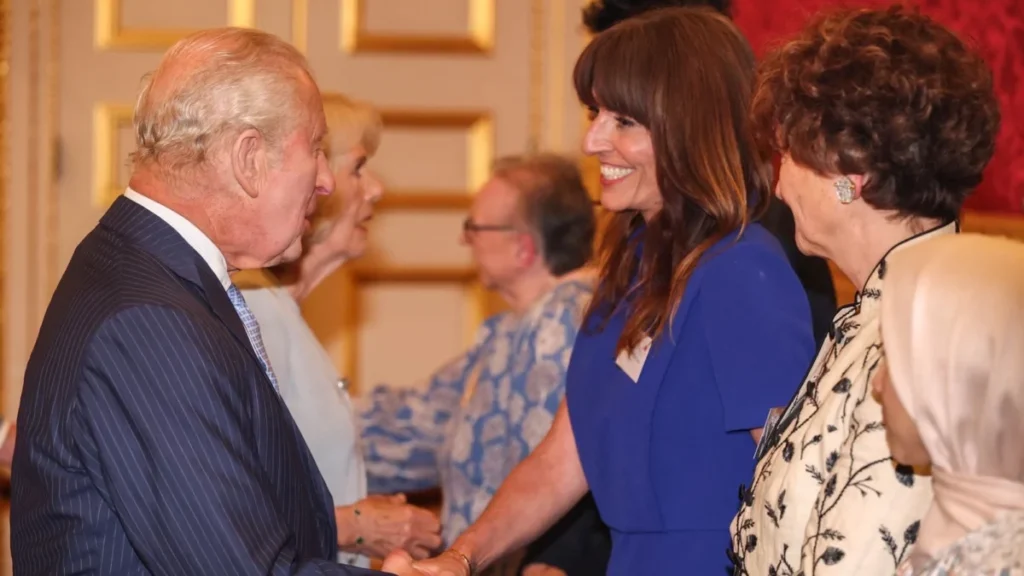

The Princess of Wales made a deeply resonant and surprisingly public appearance alongside King Charles and Queen Camilla at a reception hosted by Cancer Research UK, an event held to commemorate the organisation’s 125th anniversary. This marks a significant moment, representing the first time the King and the Princess of Wales have appeared together at a cancer awareness event since their respective diagnoses and treatments in early 2024. The presence of Queen Camilla and the Duke and Duchess of Gloucester further underscored the significance of the occasion, as they gathered to honour the dedication of cancer researchers, medical professionals, and the myriad partners contributing to the vital work of Cancer Research UK.
The organisation, a cornerstone of cancer research in the United Kingdom, dedicates its efforts to understanding and combating over 200 different forms of cancer. Its impact over the decades is substantial; according to its official records, Cancer Research UK has been instrumental in doubling survival rates for cancer patients in the UK over the past fifty years, a testament to sustained scientific advancement and dedicated medical intervention.
Broadcaster Davina McCall, who has personal experience navigating cancer treatment, described the Princess of Wales as "really wonderful" following their interaction at the event. McCall, who underwent surgery for a benign brain tumour and was subsequently diagnosed with breast cancer, offered a poignant perspective on the challenges faced by public figures dealing with such diagnoses. Speaking to reporters after the reception, McCall characterised her conversation with the Princess as "liberating," reflecting on the immense pressure and emotional toll that comes with being a prominent figure undergoing cancer treatment and the subsequent public disclosure.
"I can’t imagine what it must be like having going through something like cancer, and then sort of having to tell people about it, when possibly it would have been much easier and nicer to not have to share it with the world," McCall shared, highlighting the unique vulnerability and strength required in such circumstances.
During the reception, the Royal Family members were provided with an in-depth look at the advancements in cancer research, viewing exhibits that showcased how technological innovation has accelerated progress in the field. They also received updates on Cancer Research UK’s ambitious future plans, including a commitment to invest £1 billion into cancer research over the next three years. This substantial investment signals a strategic long-term vision to further enhance prevention, detection, and treatment methodologies.
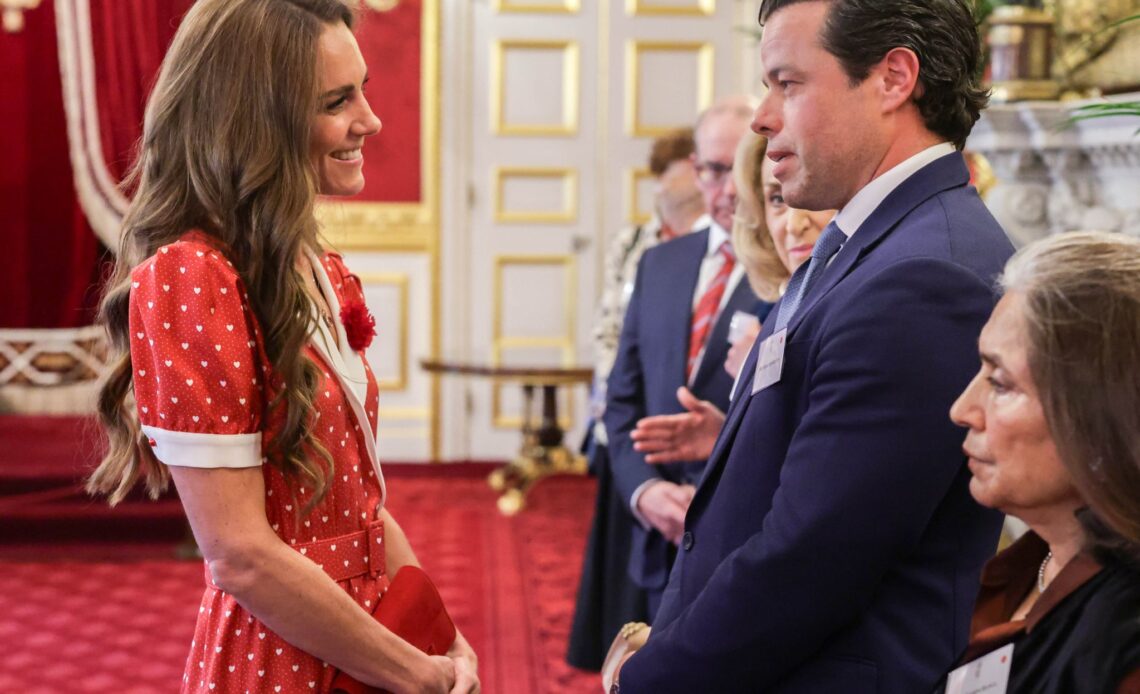
The Royal Family’s official social media channels posted a tribute to Cancer Research UK, acknowledging its "125 years of life-changing research" and its tireless efforts to "transform how cancer is understood, prevented, detected and treated." This public endorsement from the highest levels of the monarchy reinforces the critical importance of the organisation’s mission and its profound impact on public health.
A Timeline of Courage and Commitment
The year 2024 has been a period of profound personal challenge for key members of the Royal Family, coinciding with a heightened public awareness of cancer’s pervasive impact.
- February 2024: King Charles III’s diagnosis with an undisclosed form of cancer was announced. The diagnosis came following a routine health check-up, and the King immediately commenced treatment.
- March 2024: Catherine, the Princess of Wales, publicly announced her own diagnosis with an undisclosed type of cancer, detected after planned abdominal surgery earlier in the year. She subsequently began preventative chemotherapy.
- Late 2023 / Early 2024: Davina McCall undergoes treatment for breast cancer, a journey she has openly shared to raise awareness and encourage early detection.
- December 2023 (reported): King Charles indicated a reduction in treatment intensity for the upcoming year, attributing this to the efficacy of early detection and ongoing medical care.
- Recent Developments (as per the article): The Princess of Wales is now reported to be in remission from her cancer.
This shared experience of navigating cancer has undoubtedly lent a unique and deeply personal resonance to the Royals’ engagement with Cancer Research UK. Their attendance at the reception, particularly their joint presence, signifies not only a continuation of their royal duties but also a powerful personal testament to the importance of cancer research and support.
Supporting Data: The Impact of Cancer Research UK
Cancer Research UK’s contributions to the fight against cancer are multifaceted and have a demonstrable impact on patient outcomes. Key statistics and achievements highlight the organisation’s crucial role:
- Survival Rates: Over the last 50 years, Cancer Research UK has been pivotal in doubling the survival rates for cancer patients in the UK. This means that twice as many people who are diagnosed with cancer today are surviving the disease compared to half a century ago.
- Research Scope: The organisation funds research into more than 200 types of cancer, covering a vast spectrum of the disease. This comprehensive approach is essential given the diverse nature of cancer and the varied treatment strategies required.
- Investment in the Future: The commitment to invest £1 billion into cancer research over the next three years is a significant financial undertaking. This funding will likely be directed towards groundbreaking areas such as immunotherapy, precision medicine, early detection technologies, and understanding the complex genetic drivers of cancer.
- Global Impact: While focused on the UK, Cancer Research UK’s discoveries and advancements often have global implications, contributing to international efforts to combat cancer.
Broader Implications and Analysis
The joint appearance of King Charles and the Princess of Wales at the Cancer Research UK reception carries several significant implications:
- Symbol of Hope and Resilience: In a year marked by personal health challenges for the monarchy, their presence sends a powerful message of hope and resilience to individuals and families affected by cancer. It demonstrates that recovery and a return to public duties are possible, offering encouragement to millions.
- Elevating Cancer Awareness: The high-profile nature of their attendance naturally amplifies the public’s attention to cancer research and awareness campaigns. This can lead to increased engagement, donations, and a greater collective understanding of the disease.
- Reinforcing Royal Patronage: The Royal Family has a long history of patronising charitable organisations. This event reinforces the ongoing and deep-seated commitment of the monarchy to supporting vital causes like cancer research, underscoring its importance to the nation’s well-being.
- Personal Connection to the Cause: The shared experience of cancer diagnoses has undoubtedly forged a deeper, more personal connection between the King, the Princess of Wales, and the mission of Cancer Research UK. This authentic engagement can resonate more profoundly with the public than purely ceremonial duties.
- Strategic Communication: The timing and nature of the appearance can be viewed as a strategic move in managing public perception during a period of personal vulnerability. It allows the Royals to engage with a cause that is personally relevant while continuing to fulfil their public roles, demonstrating strength and dedication.
The reception at Cancer Research UK was more than just a celebration of an organisation’s legacy; it was a moment of shared humanity, resilience, and unwavering commitment to conquering cancer. The presence of King Charles and the Princess of Wales, alongside Queen Camilla and other members of the Royal Family, underscored the profound and personal significance of this ongoing battle, offering a beacon of hope and a testament to the power of dedicated research and collective effort. The £1 billion investment pledge signifies a renewed and ambitious drive towards a future where cancer is no longer a life-threatening disease for so many.