
A Candid Revelation on National Television
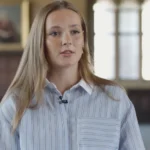
The episode, which aired on June 2, featured a deeply personal segment where Park Si Eun and Jin Tae Hyun sat down to discuss the evolution of their family. For years, the public has been aware of their eldest daughter, Ji Hye (who later changed her name to Park Da-vida), whom the couple met at an orphanage during their honeymoon in 2015 and officially adopted in 2019 when she was a university student. However, the revelation that they have two other daughters—also entering the family as adults—prompted a wave of questions from fans and critics alike.
During the broadcast, Park Si Eun addressed the skepticism directly, noting that their journey into parenthood did not begin with a specific intent to adopt adults. "This is the first time I’m talking about this," she admitted. "When we first considered adoption, it wasn’t about adults. We initially thought about welcoming young elementary school children into our home." She explained that the process of adopting young children in South Korea is fraught with systemic hurdles, including the rigorous requirement for biological parental consent, which often leaves children in the foster care system for extended periods without the possibility of permanent legal adoption.
The Complexity of the Korean Adoption System
The couple’s explanation sheds light on the broader challenges within the South Korean adoption landscape. According to Jin Tae Hyun, the decision to bring their daughters into their lives was born out of genuine connection rather than a pre-meditated strategy. "Because the kids in their 20s became family, there were many opinions asking why we didn’t adopt younger children," Jin stated. He emphasized that the legal system is exceptionally difficult to navigate. "Ji Hye and the other daughters are not legally adopted in the traditional sense. It’s very challenging."
This statement was further clarified by panelist Kim Gu Ra, who noted that the relationship is perhaps more accurately described as a "foster" or "social" family. In South Korea, the Special Act on Adoption and the Civil Act govern the process. While "Full Adoption" (where the child is treated as a biological child and ties with biological parents are severed) is common for minors, adult adoption follows different legal pathways and is often more about formalizing a pre-existing emotional bond. For Park and Jin, the "adoption" is a commitment of the heart and a promise of familial support, regardless of whether the paperwork matches the traditional definitions used for infants.
A Chronology of Compassion: From Volunteering to Parenthood
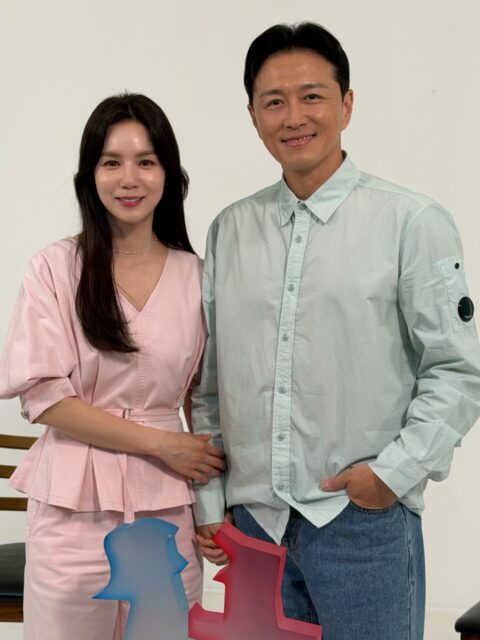
The couple’s path to parenthood has been anything but conventional. Park Si Eun and Jin Tae Hyun married in 2015 after meeting on the set of the drama Pure Pumpkin Flower. Instead of a traditional luxury honeymoon, the couple spent their first days of marriage volunteering at an orphanage in Jeju Island. It was there they met Ji Hye, a high school student at the time.
Over the next four years, they acted as mentors and "aunt and uncle" to her. In 2019, they made the headlines by announcing they had legally adopted her to ensure she had a family to return to during her college years and beyond. This move was widely praised as a "beautiful act of courage," as adult adoption is relatively rare in a society that places high value on patriarchal bloodlines.
In the years following, the couple continued their advocacy for adoption and foster care. However, they also faced personal tragedy. In 2022, after several years of trying to conceive, the couple shared the heartbreaking news that they had lost their unborn baby just days before the due date. Throughout this period of mourning, their bond with their daughters became a source of strength. The recent broadcast revealed that two other young women, who had been connected to the couple since they were young through various charitable networks, have also been brought into the family fold as adults.
Addressing Privacy and the "Missing" Daughters
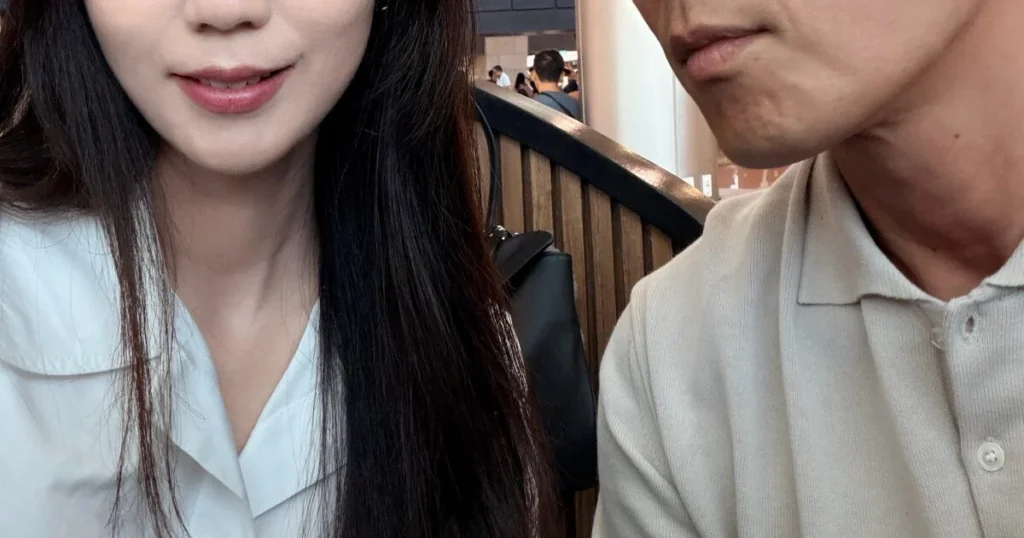
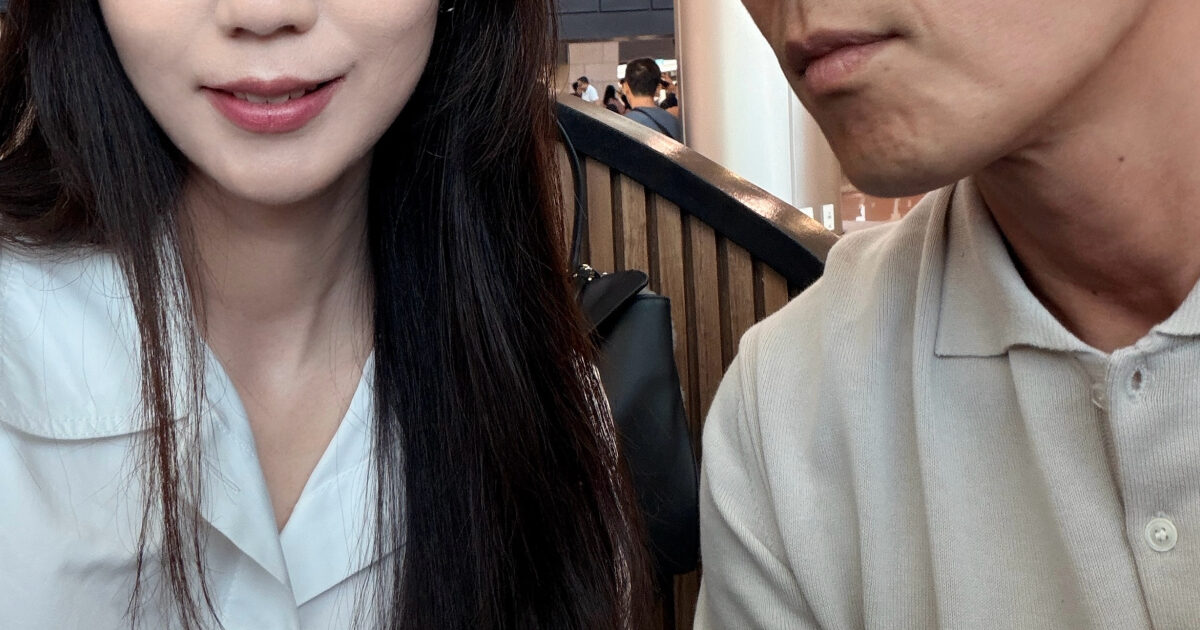
One of the primary sources of public suspicion stemmed from the couple’s social media presence. While Jin Tae Hyun is active on Instagram and frequently shares updates about his life and his relationship with Park Si Eun, the other two daughters are rarely, if ever, seen. This led some netizens to speculate about the nature of their relationship or whether the "adoption" was merely for public relations.
Jin Tae Hyun addressed these concerns by highlighting the importance of his daughters’ autonomy. He revealed that their youngest daughter is currently 24 years old. "They said their own lives are very important and they want to be protected," Jin explained. "The daughters choose whether or not to be publicly introduced. They are independent and have their own lives."

He further reassured the audience that the lack of digital footprints does not equate to a lack of familial presence. "Since we don’t post them on social media, many people ask about them. You don’t need to worry too much. Everyone is doing well." This stance reflects a modern approach to parenting—one that prioritizes the privacy and mental well-being of adult children over the demands of celebrity transparency.
Supporting Data: Adoption Trends in South Korea
The couple’s struggle with the adoption system mirrors national statistics. In recent years, domestic adoption in South Korea has seen a decline. According to data from the Ministry of Health and Welfare, the number of adopted children has dropped significantly over the last decade, partly due to the strengthening of the "Birth Registration System" and the "Home-Base Principle," which prioritizes biological parents’ rights.
- 2012: 1,880 total adoptions (Domestic: 1,125 / Overseas: 755)
- 2022: 329 total adoptions (Domestic: 187 / Overseas: 142)
The difficulty of adopting young children often leaves older children in residential care facilities until they "age out" at 18. These young adults often face significant hardships, including a lack of financial stability and a missing social safety net. By "adopting" adults, Park Si Eun and Jin Tae Hyun are addressing a critical gap in the social system—the need for "forever families" for those who are no longer minors but still require parental guidance and emotional security.
Broader Impact and Societal Implications
The transparency of Park Si Eun and Jin Tae Hyun is expected to have a lasting impact on how "family" is defined in South Korean society. Traditionally, Korean culture has been deeply rooted in Confucian ideals of lineage. Adoption was often kept secret to maintain the illusion of a blood connection. However, the couple’s open embrace of adult adoption challenges these taboos.
By highlighting that their daughters are independent, working, and living their own lives, they are also dismantling the stereotype that adoption is only about "raising" a child. Instead, they are presenting a model of "chosen family" where the relationship is based on mutual respect and support.
Sociologists suggest that as South Korea grapples with an aging population and the world’s lowest birth rate, the definition of family must necessarily expand. The "Same Bed, Different Dreams" episode served as a catalyst for a national conversation on the legal rights of non-traditional families and the necessity of reforming adoption laws to make it easier for willing parents to provide homes for children of all ages.
Conclusion: A Message of Resilience
The couple concluded their segment by reiterating their commitment to their children and to each other. Despite the "suspicions" and the "misunderstandings," Park Si Eun and Jin Tae Hyun remain steadfast in their belief that family is defined by who shows up, not just by who shares a last name or a legal document.
As they continue to navigate their lives in the public eye, their story remains a testament to the complexities of modern parenthood. Their daughters—Ji Hye and the two others—may not appear in every Instagram post, but according to the couple, they are the silent pillars of a household built on a decade of service, loss, and ultimately, an unconditional type of love that transcends legal definitions. The couple’s message to the public was clear: their family is doing well, and they will continue to protect the privacy of their daughters while providing them with the home they never had as children.