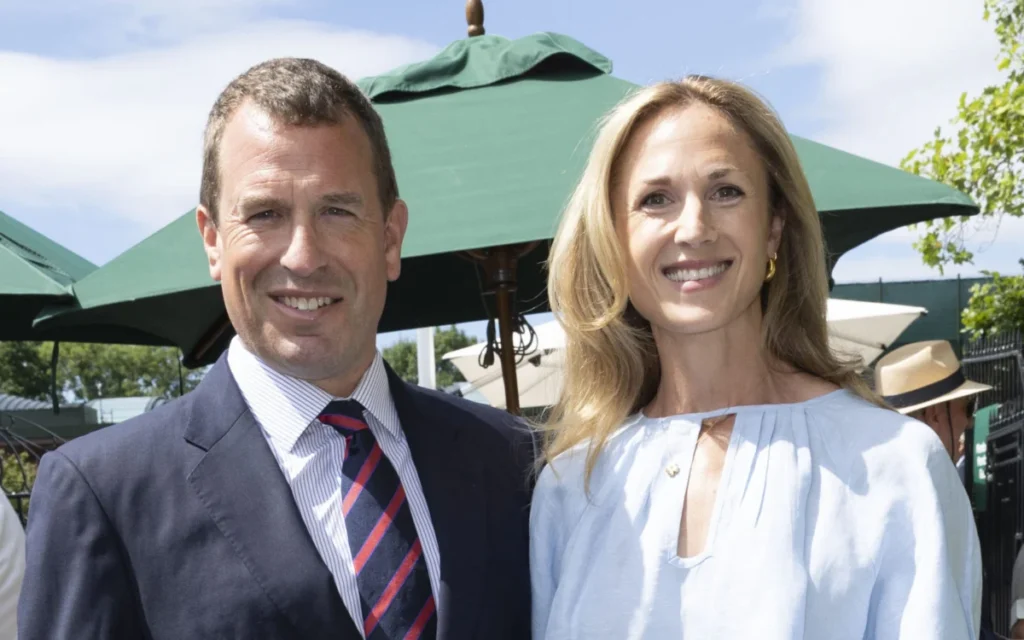

King Charles and Queen Camilla are poised to attend a significant family event next week, the wedding of Peter Phillips and Harriet Sperling, but their presence at the celebration will be notably constrained by a long-standing royal commitment. The union of the King’s nephew and NHS nurse, scheduled for Saturday, June 6th, is anticipated to be a major gathering of the Royal Family, highlighting the close bonds within the monarch’s extended kin. However, the royal couple faces a logistical challenge as a cornerstone of royal tradition calls them away mere hours after the nuptials conclude.
The wedding ceremony is set to take place at All Saints Church in Kemble, Gloucestershire. Among the expected attendees are Princess Anne, Zara and Mike Tindall, and potentially the Prince and Princess of Wales, underscoring the familial importance of the occasion. The presence of the King and Queen, in particular, signifies the enduring connection between the monarch and his sister, Princess Anne, and her family.
Yet, for Their Majesties, the joyous celebrations will likely be a truncated affair. The critical juncture arises as the wedding ceremony concludes, just hours before another paramount engagement beckons. The King and Queen are also scheduled to attend the Betfred Derby at Epsom Downs Racecourse, a fixture of immense prestige in the royal sporting calendar and a tradition deeply intertwined with the monarchy for centuries.
The Jockey Club officially confirmed this week that the King and Queen will indeed be present at Derby Day on June 6th. This attendance continues a legacy established by Queen Elizabeth II, who served as Patron of The Jockey Club for an impressive 68 years and rarely missed the renowned race during her reign. Her Majesty’s unwavering dedication to horse racing was a hallmark of her time on the throne, with her presence at Epsom becoming an iconic annual event. She reportedly missed Derby Day only twice during her extensive reign, once for a state visit to Sweden in 1956 and again in 1984 while participating in D-Day commemorations in France.
The geographical proximity of these two significant events presents a unique logistical puzzle. Kemble, located in Gloucestershire, is approximately 90 miles from Epsom Downs in Surrey. This distance necessitates a swift departure from the wedding festivities for the King and Queen to ensure they arrive at Epsom Downs in time to fulfill their Derby Day obligations. While most wedding guests anticipate a lengthy reception filled with revelry, for the King and Queen, the demands of royal duty appear to take precedence.
The Epsom Derby is far more than just another entry in the royal schedule; it is a globally recognized event and one of the sporting occasions most closely associated with the British monarchy. The sport of horse racing has a rich and historic connection with the Royal Family, dating back to the reign of King Charles II. This patronage has continued through generations, with monarchs often owning racehorses and actively participating in the sport’s social and ceremonial aspects.
Since ascending to the throne, King Charles has demonstrated a clear commitment to upholding this royal connection with racing. Inheriting his late mother’s extensive racing and breeding operation alongside Queen Camilla, he has actively supported British racing through both ownership and his public appearances. In 2024, the King was present at the Derby Festival to witness his filly, Treasure, compete in the Oaks. Furthermore, he has made it a point to attend all five days of Royal Ascot each year during his reign, a testament to his personal interest and the monarchy’s continued engagement with the sport.
A Deep-Rooted Royal Tradition: Horse Racing and the Monarchy
The connection between the British monarchy and horse racing is not merely a recent phenomenon; it is a tradition woven into the fabric of royal history. From the earliest days of organized racing, monarchs have been patrons, owners, and ardent enthusiasts. This patronage has lent significant prestige to the sport and ensured its enduring popularity.
King Charles II is often credited with formalizing horse racing in Britain, establishing rules and promoting breeding. His passion for the sport laid the groundwork for centuries of royal involvement. Subsequent monarchs, including Queen Anne, after whom Royal Ascot is named, continued this tradition, actively participating in races and supporting the development of racing infrastructure.
Queen Elizabeth II, however, elevated this royal connection to an unparalleled level. Her lifelong passion for horses and racing was evident to all. She owned and bred numerous successful racehorses, and her presence at major events like the Derby and Royal Ascot was a highlight of the social and sporting calendar. Her dedication was not just ceremonial; she possessed a deep understanding of the sport and its intricacies, often engaging with trainers and jockeys with genuine enthusiasm. Her Majesty’s commitment served as a powerful symbol of the monarchy’s enduring ties to a quintessentially British pastime. The financial investment made by the Royal Family in horse breeding and racing also contributes significantly to the rural economy and the welfare of the thoroughbred industry.
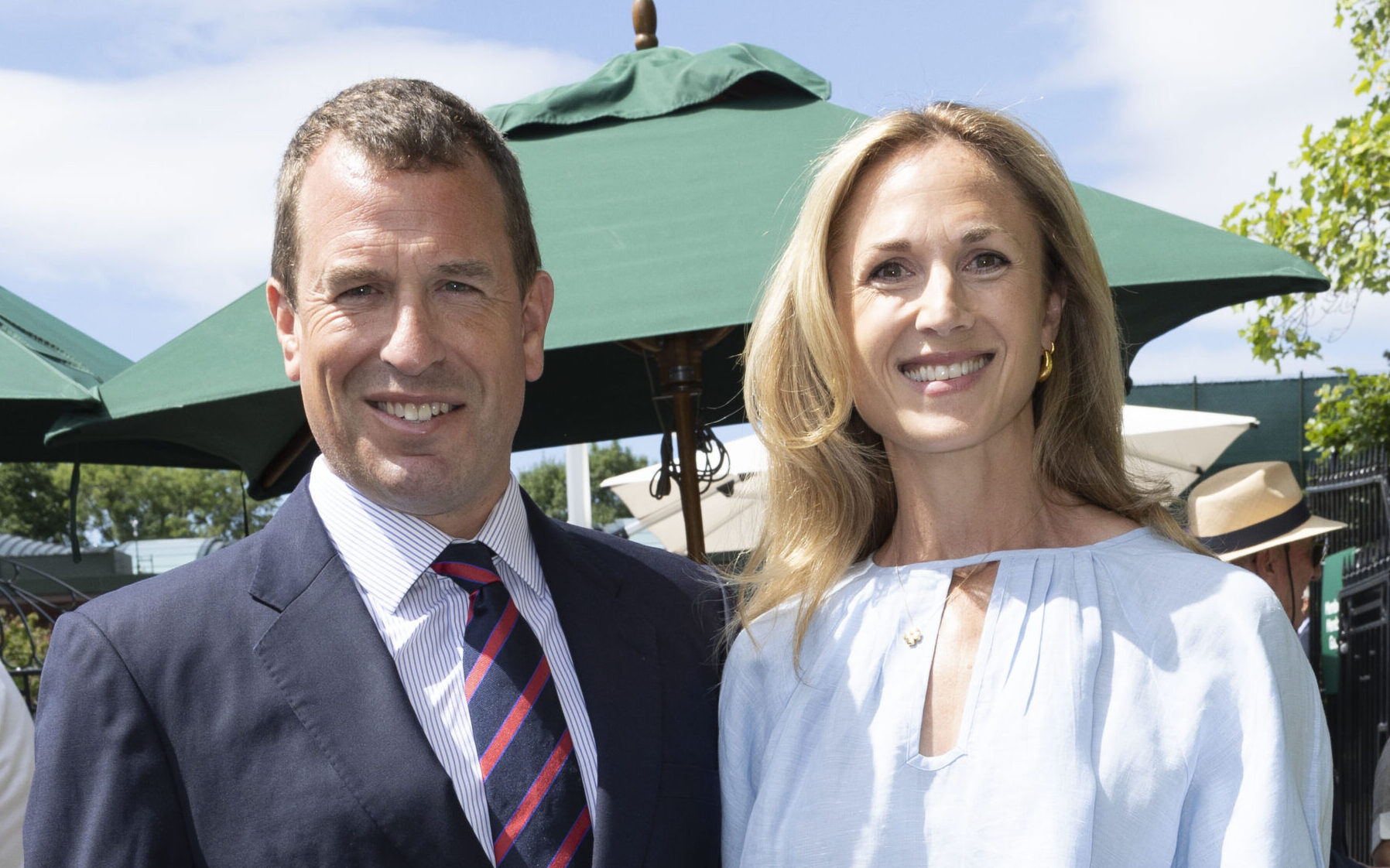
Peter Phillips and Harriet Sperling: A New Chapter
The wedding of Peter Phillips, eldest son of Princess Anne and Captain Mark Phillips, and Harriet Sperling marks a significant personal milestone for the couple and a notable occasion for the Royal Family. While Peter Phillips is not in the direct line of succession, his position as the King’s nephew places him within the broader circle of prominent royal figures.
Harriet Sperling, an NHS nurse, represents a connection to a profession held in high regard by the public and, indeed, by the Royal Family. Her background offers a glimpse into the modernizing face of royal marriages, where individuals from diverse professional spheres are increasingly welcomed into the royal fold. This integration can serve to strengthen the monarchy’s connection with the everyday lives and concerns of the British people.
The choice of All Saints Church in Kemble, Gloucestershire, for the ceremony is also noteworthy. Kemble is a village with historical ties to the Royal Family, particularly through its proximity to Gatcombe Park, Princess Anne’s country residence. This choice of venue suggests a desire for a personal and family-oriented celebration, away from the intense scrutiny of a major metropolitan setting.
The Derby: A Symbol of Royal Dedication and Continuity
The Betfred Derby, established in 1780, is one of the most prestigious flat races in the world and the premier Classic for three-year-old colts and fillies. Its historical significance, coupled with its association with the Royal Family, makes it a focal point of the British sporting summer. The event attracts a global audience and is a showcase for the finest breeding and racing talent.
For the King and Queen, attending the Derby is not merely a social engagement but a continuation of a profound royal duty and a commitment to an institution that has long benefited from royal patronage. Queen Elizabeth II’s legacy at Epsom is indelible. Her passion for the sport was a source of inspiration and a symbol of the monarchy’s deep roots in British culture. King Charles’s decision to uphold this tradition underscores his desire to maintain these important connections and to engage with aspects of national life that have historically been significant to the Crown.
The economic impact of horse racing in the UK is substantial, contributing billions of pounds annually to the economy and supporting tens of thousands of jobs, from breeding and training to hospitality and tourism. The Royal Family’s continued involvement, therefore, plays a role in championing a significant national industry.
Implications of the Scheduling Conflict
The dual commitments of the royal wedding and the Epsom Derby present a clear illustration of the balancing act often required of senior members of the Royal Family. Their attendance at both events, despite the logistical constraints, demonstrates their commitment to both personal family occasions and their ceremonial and traditional responsibilities.
The fact that the King and Queen will have to depart the wedding reception early highlights the demanding nature of their roles. While they will undoubtedly wish to celebrate Peter Phillips and Harriet Sperling, their presence at the Derby is a matter of historical importance and a continuation of a deeply cherished royal tradition. This situation also underscores the evolving nature of royal life, where significant personal events must sometimes be managed alongside public and traditional duties.
The public’s perception of such scheduling challenges can vary. Some may view it as a testament to the monarchy’s dedication and the weight of their responsibilities, while others might see it as a reminder of the inherent limitations placed upon even the most personal of moments when one holds such a public position. For the Royal Family, however, the continuity of tradition, particularly in areas as historically significant as horse racing, often takes precedence.
The decision to attend both events, even with a reduced duration at the wedding, sends a message of support and continuity. It signifies that while personal celebrations are valued, the enduring traditions that bind the monarchy to aspects of British life remain paramount. The King and Queen’s presence at Epsom, continuing the legacy of his mother, reinforces the Crown’s long-standing relationship with the sport of kings and its associated cultural significance.
In conclusion, the wedding of Peter Phillips and Harriet Sperling, while a joyous personal occasion for the Royal Family, is overshadowed by the King and Queen’s immediate prior engagement at the Betfred Derby. This scheduling conflict exemplifies the intricate balance of personal and public duties that defines modern royal life, showcasing their dedication to both familial bonds and the enduring traditions that connect the monarchy to the heart of British culture and heritage.