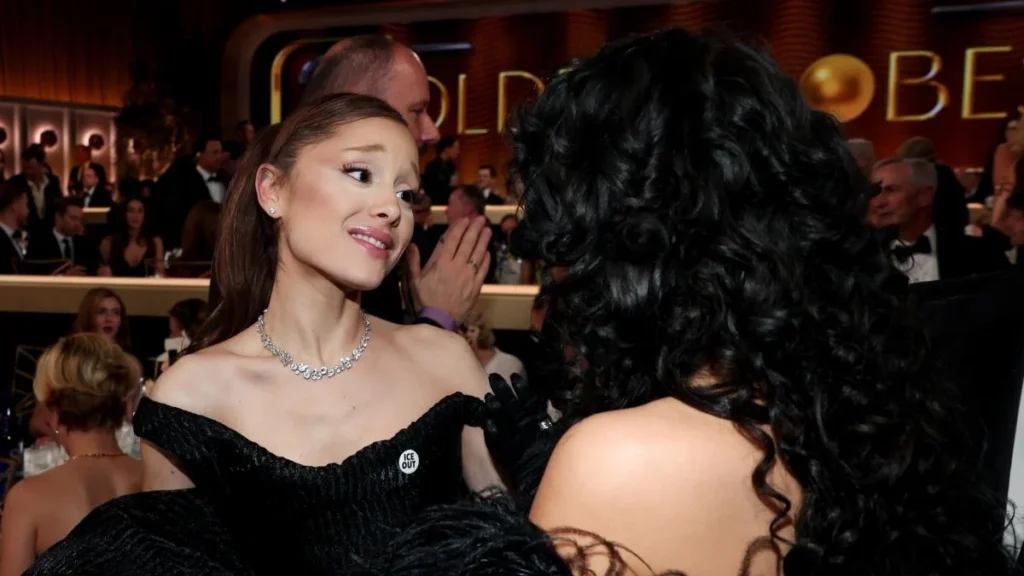

The intersection of high-stakes Broadway theater and global pop stardom often creates a whirlwind of media attention, but a recent absence has sparked a broader conversation regarding professional priorities and family dynamics. When Frankie Grande made his highly anticipated Broadway debut in the hit musical "Titanique," one notable seat remained empty: that of his sister, the multi-platinum recording artist and actress Ariana Grande. While the pop superstar had been a vocal proponent of the production in the weeks leading up to the opening, her absence from the red carpet and the audience has led to significant speculation and analysis from industry insiders and fans alike.
Frankie Grande, a seasoned performer with a background in both musical theater and television, recently stepped into the dual roles of Victor Garber and Luigi in "Titanique." The production, a campy, jukebox-musical reimagining of the 1997 film Titanic through the lens of Celine Dion’s discography, has transitioned from an off-Broadway cult sensation to a significant fixture in the New York theatrical landscape. Given the close-knit nature of the Grande family, Ariana’s absence was immediately conspicuous, prompting a series of explanations ranging from professional obligations to strategic personal choices.
The Official Narrative: The Rigors of Tour Preparation
The primary reason provided for Ariana Grande’s absence centers on the intensive preparation required for her upcoming global concert tour. Following the success of her latest album, Eternal Sunshine, the artist has reportedly entered a grueling rehearsal phase. Industry standards for tours of this magnitude involve 12-to-14-hour days dedicated to choreography, vocal arrangements, lighting design, and technical integration.
According to reports initially surfaced by RadarOnline and corroborated by sources close to the production, the scheduling conflicts were insurmountable. Pop stars at Grande’s level often operate on a minute-by-minute itinerary during the "tech" and "rehearsal" phases of a tour. These sessions are frequently held in secure, large-scale facilities far from the theater district, making a mid-week trip to a Broadway opening a logistical challenge that could disrupt the momentum of a multi-million dollar production.
However, the "scheduling conflict" explanation has been met with skepticism by some industry insiders. Given Grande’s status as the primary stakeholder in her own career, sources suggest that she possesses the executive authority to adjust her schedule. "She runs that tour," one source stated, implying that if the singer had prioritized the opening night, the rehearsal schedule could have been adjusted. This has led to a deeper analysis of the motives behind her decision to stay away.
Chronology of Support: From Social Media to the Stage
To understand the weight of Ariana’s absence, one must look at the timeline of her involvement with "Titanique." Her support for the show did not begin with her brother’s casting; she has been a fan of the production for some time.
- Early Promotion: Weeks prior to Frankie’s debut, Ariana attended a performance of the show while it was still in its earlier run. She was seen enthusiastically interacting with the cast and crew.
- Social Media Endorsement: Following her visit, she took to Instagram to praise the production, labeling it "the best show ever" and "perfect." Her public endorsement provided "Titanique" with a significant boost in digital engagement and ticket inquiries.
- The Casting Announcement: When it was officially announced that Frankie Grande would join the cast, Ariana shared the news with her hundreds of millions of followers, signaling her pride in his achievement.
- The Opening Night: On the night of the official Broadway premiere, the red carpet featured various celebrities and theater stalwarts, but Ariana remained in rehearsal.
This timeline suggests that her absence was not due to a lack of interest or a rift in the sibling relationship, but rather a calculated professional decision or a genuine logistical impasse.
The Spotlight Paradox: Navigating Fame Within the Family
A recurring theme in the analysis of the Grande siblings’ relationship is the "spotlight paradox." Insiders suggest that Frankie Grande faced a complex emotional landscape leading up to his debut. On one hand, the presence of a global icon like Ariana would have guaranteed international headlines for the show. On the other hand, her presence often necessitates a level of security and media frenzy that can overshadow the actual performers on stage.
Sources close to Frankie indicate that he harbored mixed feelings. While he reportedly desired his sister’s support during such a pivotal career moment, there was also a desire for the night to remain focused on his professional merit rather than his sister’s celebrity. "He wanted it to be about him… but he also wanted her there," a source noted. "Those two things cannot exist at the same time."
In the world of Broadway, an opening night is a sacred ritual for the cast. When a "megastar" attends, the narrative of the evening often shifts from the artistry of the ensemble to the fashion and reactions of the famous guest. By staying away, Ariana may have inadvertently—or intentionally—allowed her brother to own his moment without the "Ariana’s Brother" label dominating the critiques.
The Cultural Impact of "Titanique"
The production itself provides an important context for why this debut was so significant. "Titanique" is not a traditional Broadway musical; it is a high-energy, irreverent parody that requires immense comedic timing and vocal stamina. Frankie Grande’s background in high-energy performance makes him a natural fit for the show’s aesthetic.
The show has become a symbol of a new era of Broadway—one that embraces internet culture, camp, and nostalgia. For Frankie, securing a lead role in such a buzzy production is a testament to his longevity in an industry that is notoriously difficult to navigate. The success of the show depends on its ability to maintain a "party" atmosphere, and Frankie’s casting was seen as a move to solidify its appeal to a younger, more pop-culture-savvy demographic.
Supporting Data: The Value of the "Ariana Bump"
While she was not physically present at the debut, Ariana Grande’s digital footprint has provided tangible value to the production. Data from theater ticket aggregators and social media analytics tools show a spike in "Titanique" mentions and search queries immediately following Ariana’s Instagram posts.
- Social Engagement: Ariana’s comments on the show’s official page garnered hundreds of thousands of likes, introducing the production to a global audience that may not typically follow Broadway news.
- Ticket Sales Trends: While Broadway box office figures are influenced by many factors, "boutique" shows like "Titanique" often see a "halo effect" when associated with major pop stars.
This data suggests that Ariana’s "support from afar" may actually be more beneficial to the show’s long-term commercial success than a single night’s appearance, which would have been focused primarily on paparazzi photos.
Professional Standards and the Pop Industry
The situation also sheds light on the evolving standards of professionalism in the music industry. As the costs of touring escalate—due to increased fuel prices, insurance, and complex stage technology—artists are under more pressure than ever to deliver a flawless product. The "Eternal Sunshine" tour is expected to be one of the most significant cultural events of the coming year.
In this high-pressure environment, taking a night off is rarely as simple as it seems. It involves pausing a massive machine of dancers, musicians, and technicians. For a perfectionist like Grande, who is known for her hands-on approach to her creative output, the decision to remain in the studio or rehearsal hall is consistent with her professional brand.
Implications for the Grande Sibling Dynamic
Despite the media’s attempt to frame the absence as a potential "snub," the history of the Grande family suggests a different reality. The siblings have navigated the complexities of fame together since Ariana’s early days on Nickelodeon. Frankie has often been his sister’s most vocal cheerleader, and she has reciprocated by supporting his ventures in theater and television.
The broader implication of this event is the recognition of individual identity within a famous family. By not attending, Ariana allowed the headline to be "Frankie Grande Debuts on Broadway" rather than "Ariana Grande Attends Brother’s Show." In the long run, this may be the greatest show of support a superstar can give to a sibling in the same industry.
Conclusion: A Balance of Art and Obligation
As "Titanique" continues its successful run on Broadway, the conversation regarding Ariana Grande’s absence will likely fade, replaced by reviews of Frankie’s performance and the show’s enduring popularity. However, the incident serves as a case study in the modern celebrity landscape: a world where professional obligations, family loyalty, and the management of public perception must be delicately balanced.
Frankie Grande’s successful transition into his new role proves that he is a formidable talent in his own right. Meanwhile, Ariana Grande’s dedication to her craft ensures that her upcoming tour will meet the high expectations of her global fanbase. While they did not share the same room on opening night, their parallel successes continue to define them as one of the most influential families in contemporary entertainment. The "perfect" show, as Ariana described it, continues with or without its most famous fan in the seats, proving that the music—and the show—must always go on.