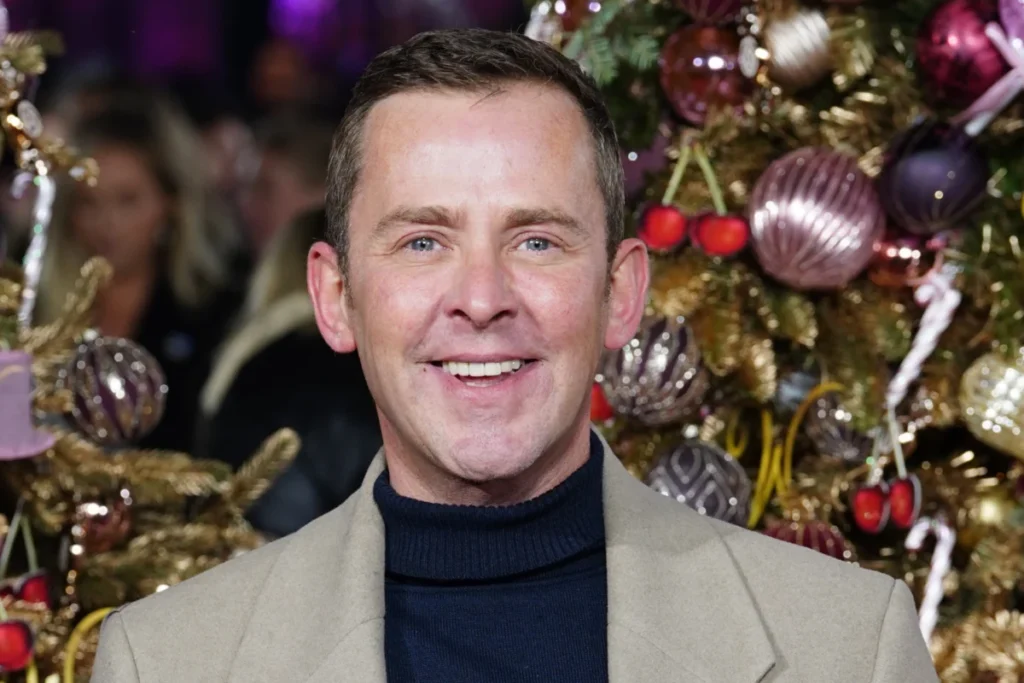

The broadcasting landscape has been gripped by sudden and unexpected news as veteran presenter Scott Mills, aged 53, has been removed from his role at the BBC. The corporation confirmed his departure following allegations related to his "personal conduct," with initial reports suggesting the claims pertain to a "historic" relationship dating back more than a decade. The abrupt nature of his exit has sent ripples of surprise and speculation across the media industry and among his vast listenership, leaving many questions unanswered about the circumstances surrounding the decision.
The Abrupt Departure: Unveiling the Initial Details
The final broadcast featuring Scott Mills occurred on Tuesday, where he concluded his programme as usual, engaging in a brief exchange with fellow presenter Vernon Kay before signing off. His parting words to listeners, "I’m back tomorrow, with Buffy The Vampire Slayer. Thank you!", indicated no forewarning of the professional upheaval that was imminent. It was a routine sign-off, characteristic of a seasoned broadcaster confident in their return.
However, the following morning, Wednesday, listeners were met with an unfamiliar voice in Mills’ usual slot. Gary Davies stepped in to host, explaining to the audience that he was "in for Scott Mills." This immediate and unscheduled change signalled that something significant had transpired overnight. Davies has since continued to fill the slot, confirming the indefinite nature of Mills’ absence. The speed with which the BBC acted, arranging a stand-in presenter for a flagship programme at such short notice, underscored the seriousness of the situation unfolding behind the scenes.
Confirming the presenter’s departure, a spokesperson for the BBC issued a carefully worded statement: "While we do not comment on matters relating to individuals, we can confirm Scott Mills is no longer contracted to work with the BBC." This standard corporate response, while maintaining confidentiality regarding personal matters, solidified the fact of Mills’ termination, adding an official stamp to the burgeoning rumours. The lack of specific details from the corporation itself has only intensified public and media scrutiny, as the broadcasting giant navigates a sensitive and high-profile personnel issue.
A Distinguished Career: Scott Mills’ Journey Through BBC Radio
Scott Mills’ career trajectory within the BBC is one of remarkable longevity and popularity, spanning several decades and endearing him to millions of listeners. He first joined Radio 1 in 1998, quickly becoming a staple of its daytime schedule. Over the years, he cultivated a unique on-air persona, known for his infectious humour, relatable anecdotes, and engaging interaction with listeners. His eponymous "Scott Mills Show" became a cornerstone of Radio 1’s programming, particularly popular in the afternoon drive-time slot, where he often co-hosted with long-time collaborator Chris Stark. Segments like "Innuendo Bingo" and "Oh, What’s Occurring?" became cult favourites, showcasing his ability to blend light-hearted entertainment with genuine warmth.
His tenure at Radio 1 was characterised by a deep connection with the youth demographic, making him one of the most recognisable and beloved voices on British radio. Mills consistently demonstrated an innate understanding of his audience, fostering a sense of community and fun that resonated widely. This long-standing success paved the way for a significant career move in August 2022, when he transitioned from Radio 1 to Radio 2. This highly publicised shift saw him take over the 2-4 pm afternoon slot from broadcasting legend Steve Wright, a move that represented a major career progression. It placed him on one of the UK’s most listened-to stations, with an older, broader demographic, further solidifying his status as a broadcasting heavyweight capable of appealing to diverse audiences. The image caption in the original article, referring to him hosting his "first BBC Radio 2 Breakfast Show last year," while perhaps an imprecise description of his specific slot, undeniably highlights his prominent and recent presence on the station.

Beyond his regular radio shows, Mills has consistently been involved in various high-profile BBC projects. He was a familiar voice during the BBC’s coverage of the Eurovision Song Contest, providing commentary and bringing his characteristic enthusiasm to the international event. His engagement with such significant cultural moments underscored his versatility and value to the corporation. More recently, he had been announced as the co-host of "The Detour," a spin-off podcast for the popular BBC reality series "Race Across the World," alongside former contestant Alfie Watts. This project, among others, suggested a busy and expanding portfolio for the presenter, making his sudden removal all the more startling. His long and largely unblemished career makes the current allegations particularly jarring for those who have followed his journey.
The Allegations: A Veil of Secrecy and Speculation
At the heart of Scott Mills’ sudden departure are allegations concerning his "personal conduct." While the BBC’s official statement remains tight-lipped, adhering to its policy of not commenting on individual personnel matters, reports have begun to shed a sliver of light on the nature of these claims. According to sources cited by The Mirror, the allegations specifically relate to a "historic" relationship that reportedly dates back more than a decade. This detail – the emphasis on its "historic" nature – is particularly significant.
Scott Mills married his long-term partner, Sam Vaughan, in 2024, having announced their engagement in 2021 after four years together. The timeline of his current, public relationship stands in stark contrast to the reported "historic" allegations, which would predate his engagement and marriage. This context suggests that the alleged conduct occurred at a point in his life well before his current marital commitment, potentially in the early 2010s or earlier. However, the precise nature of the relationship, the individuals involved, and the specific details of the alleged conduct remain undisclosed by official channels.
The vagueness surrounding the allegations, while intended to protect the privacy of all parties involved, inevitably fuels speculation and intense media interest. In an era where public figures are increasingly scrutinised for past actions, particularly those concerning ethical behaviour and personal relationships, the phrase "personal conduct" carries considerable weight. It can encompass a wide range of behaviours, from professional impropriety to ethical breaches in personal life that are deemed incompatible with an employer’s values or public image. The BBC, as a public service broadcaster, operates under heightened expectations of integrity from its talent. The lack of clarity from the corporation, while legally prudent, leaves a vacuum that is often filled by rumour and conjecture. The fact that the allegations are "historic" also raises questions about why they are only surfacing now, and what new information or circumstances led to the BBC’s decisive action.
Internal Reactions and Official Communications
The news of Scott Mills’ removal resonated deeply within the BBC, demonstrating the significant impact a long-serving and popular presenter’s departure can have on an organisation. Lorna Clarke, the BBC’s Director of Music, communicated the decision to staff via an internal message. Her words conveyed the shock felt within the corporation, describing the news as "sudden and unexpected." She acknowledged the personal impact on colleagues, stating, "I know that this news will be sudden and unexpected and therefore must come as a shock, not least as so many of us have worked with Scott over a great many years." This internal communication highlights the personal relationships and professional camaraderie built over decades, underscoring that Mills’ exit was not merely a contractual termination but a significant human event within the BBC family.
The abruptness of the announcement was palpable even within the BBC’s newsrooms. Sima Kotecha, a BBC News correspondent, publicly described the immediate reaction, reporting, "This is mega news. We heard gasps in the newsroom when people realised that he had been sacked." Kotecha further commented that while details were limited, the decision to part ways with one of the broadcaster’s most recognisable voices suggested the underlying situation was indeed serious. Such an observable reaction from seasoned journalists within a news organisation underscores the magnitude of the story and the surprise it generated, even among those accustomed to breaking news.
Adding to the chorus of surprise, fellow Radio 2 presenter Jeremy Vine openly admitted to listeners that he had been "taken aback" by the development. He revealed that he had only learned of the news moments before going on air, echoing the sentiment of many within the BBC who were caught unawares. "I had not heard anything about it until it was on the BBC website," Vine stated, further confirming the tight lid kept on the internal investigation and decision-making process until the very last moment. His comments, combined with Kotecha’s observations and Clarke’s internal memo, paint a picture of an organisation grappling with a sudden, sensitive, and significant personnel change, all while striving to maintain its public composure and operational continuity. The carefully chosen words of the BBC spokesperson—"While we do not comment on matters relating to individuals, we can confirm Scott Mills is no longer contracted to work with the BBC"—reflect the corporation’s need to confirm the factual outcome without divulging potentially private or legally sensitive details, a common approach in high-profile employment terminations.

Broader Context: BBC’s Stance on Presenter Conduct
The sudden removal of a high-profile presenter like Scott Mills inevitably draws attention to the broader context of the BBC’s policies and responsibilities regarding the conduct of its talent. As a publicly funded broadcaster, the BBC is held to exceptionally high standards of integrity, accountability, and ethical behaviour. Its presenters are not merely employees but often faces and voices synonymous with the institution, carrying a significant degree of public trust and responsibility.
The BBC maintains a comprehensive set of editorial guidelines and a code of conduct for all its staff, which extend to behaviour both on and off-air. While the specifics of these guidelines are not publicly detailed for individual cases, they generally encompass expectations around professionalism, respect, and maintaining the reputation of the organisation. Allegations concerning "personal conduct," especially when they are deemed serious enough to warrant immediate termination, often imply a breach of these underlying ethical standards or a conflict with the BBC’s values. The corporation has, in the past, faced scrutiny over how it handles allegations against its staff, particularly in cases involving historic complaints or those that touch upon safeguarding issues. This history underscores the BBC’s sensitivity to such matters and its commitment to upholding its reputation for trustworthiness.
The distinction between professional misconduct and personal behaviour becomes particularly nuanced when it involves public figures. While individuals are entitled to their private lives, the visibility of BBC presenters means that certain aspects of their personal conduct can be perceived to reflect on the institution itself. The decision to remove a long-serving presenter like Mills, who has been a central figure for decades, suggests that the BBC’s internal review process determined the allegations to be of a sufficiently serious nature to warrant such a decisive and immediate action, balancing individual privacy with institutional integrity and public perception. This incident highlights the ongoing challenge for large media organisations to navigate complex ethical landscapes, ensuring fairness to individuals while safeguarding their own reputation and the trust of their audience.
Implications for BBC Radio and Future Engagements
Scott Mills’ unexpected departure creates an immediate and significant void within BBC Radio 2, particularly in the afternoon slot he occupied. Radio 2 is one of the UK’s most popular radio stations, consistently attracting millions of listeners weekly, with its daytime schedule forming the backbone of its appeal. The sudden absence of a familiar and well-loved voice can impact listener loyalty and necessitate swift action to maintain programming stability. Gary Davies has stepped in as the interim host, but the long-term solution for the slot remains to be seen. The BBC will likely initiate a process to identify a permanent replacement, a decision that will be closely watched by the industry and the public. This could involve promoting existing talent within Radio 2 or bringing in a new voice, potentially leading to a broader reshuffling of the station’s schedule.
Beyond his radio commitments, Mills’ removal has immediate ramifications for his other professional engagements. He was slated to be a key figure in the BBC’s coverage of the Eurovision Song Contest, an event where his enthusiasm and knowledge were highly valued. His absence will require the BBC to quickly identify and deploy alternative presenters for this major international broadcast, potentially altering the dynamic of their coverage. Similarly, his announced role as co-host of "Race Across the World: The Detour" podcast is now in question. It is highly probable that he will be replaced on this project, or its format may need to be adjusted to proceed without him.
The personal and professional future for Scott Mills himself is also now uncertain. After decades as a prominent BBC personality, his career path has taken an unforeseen turn. The nature of the allegations, even in their vagueness, could pose significant challenges for future employment opportunities within broadcasting or other public-facing roles. While the BBC’s statement maintains confidentiality, the public nature of his departure and the accompanying speculation could have lasting consequences for his public image and professional prospects. This situation serves as a stark reminder of the precarious nature of careers in public broadcasting, where reputation and conduct are paramount.
Conclusion: An Unfolding Narrative
The removal of Scott Mills from his BBC role represents a significant moment for both the veteran broadcaster and the corporation. Shrouded in the BBC’s policy of non-disclosure regarding individual personnel matters, the situation leaves many questions unanswered about the specific allegations of "personal conduct" and a "historic" relationship. While official statements remain minimal, the internal shockwaves, as reported by BBC staff, underscore the gravity and suddenness of the decision. This unfolding narrative has immediate implications for BBC Radio 2’s programming and Mills’ other high-profile engagements, while also prompting broader discussions about conduct, accountability, and the public trust placed in prominent media figures. As the dust settles, the industry and public alike will be watching closely for any further developments, grappling with the abrupt end to a long and distinguished career.