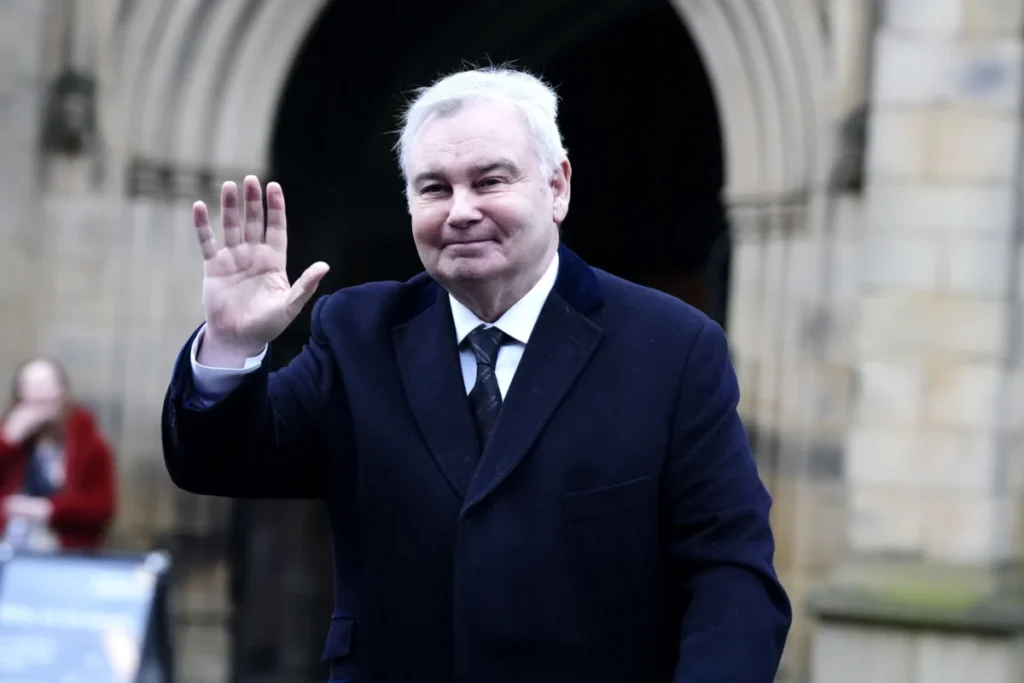

Veteran broadcaster Eamonn Holmes, a stalwart of British television for decades, is currently recovering in hospital after suffering a stroke. The news, confirmed by his employer GB News, sent ripples of concern across the UK’s media landscape and among his legions of fans. The 66-year-old presenter, renowned for his candid interviewing style and warm on-screen presence, was taken ill last week, with medical professionals subsequently diagnosing the cerebrovascular event.
GB News released an official statement on Saturday, providing a crucial update on Holmes’ condition. "He is currently responding well to treatment," the spokesperson affirmed, offering a glimmer of reassurance amidst the initial shock. The statement also conveyed Holmes’ desire for privacy during this critical recovery phase, requesting space to focus entirely on his health. "Eamonn has asked for privacy as he focuses on getting better," the statement read, underscoring the seriousness of the situation while respecting his personal wishes. The broadcaster’s colleagues and the entire team at GB News extended their heartfelt wishes for a swift recovery, expressing their eagerness to welcome him back to what they affectionately term "the people’s channel" once he is fully ready to return to his duties. This collective sentiment highlights the deep respect and affection Holmes commands within the industry, reflecting his enduring popularity and professional standing.
Chronology of the Event and Immediate Operational Adjustments
The timeline surrounding Holmes’ health crisis began last week when he experienced the initial symptoms that led to his hospitalisation. While the precise day and specific circumstances of the stroke have not been publicly detailed, the swift medical intervention and subsequent diagnosis underscore the critical nature of such an event. The official confirmation from GB News arrived on Saturday, bringing the news into the public domain and initiating a wave of public discourse and concern across various platforms. The rapid communication from his employer demonstrated a proactive approach to inform the public while simultaneously managing the delicate balance of a high-profile personality’s privacy.
In the immediate aftermath, operational adjustments were necessary for GB News Breakfast, the morning programme Holmes co-hosts alongside Ellie Costello. Recognising the need for continuity and stability in its flagship morning slot, GB News swiftly announced that fellow presenter Alex Armstrong would step in to host the programme in Holmes’ absence. This temporary arrangement ensures that the breakfast show continues to deliver news and current affairs to its audience without interruption, while allowing Holmes the complete space and time required for his recuperation. The decision to bring in a seasoned presenter like Armstrong, known for his own extensive broadcasting background, demonstrates the channel’s commitment to maintaining its broadcast schedule while prioritising the well-being of its staff. This transitional period is expected to continue for an undetermined duration, reflecting the unpredictable nature of stroke recovery and rehabilitation. The channel has reiterated its full support for Holmes during this challenging time, underscoring its commitment to his long-term health.
A History of Health Challenges: Eamonn Holmes’ Enduring Resilience
This recent health setback is not the first time Eamonn Holmes has faced significant personal health battles, adding a layer of poignant context to his current struggle. For several years, Holmes has been remarkably candid and open about his debilitating chronic back pain, a condition that has significantly impacted his mobility and quality of life. He has openly shared his experiences with various treatments, including extensive physiotherapy, steroid injections, and, more recently, multiple complex surgeries aimed at alleviating his persistent discomfort and nerve compression.
His journey with chronic pain has been well-documented through his public statements, interviews, and active social media presence, where he often detailed the profound physical and emotional toll it took. In 2022, he underwent a complex back operation, which he described as his "last chance" to find relief from nerve damage. The recovery from this surgery was arduous and protracted, involving intensive rehabilitation, a challenging regimen of exercises, and the intermittent use of mobility aids, including a walking stick and wheelchair at different stages. Holmes’ transparency about his struggles garnered widespread admiration for his resilience, his unwavering determination, and his willingness to shed light on a often-misunderstood and isolating condition. He frequently used his platform to advocate for better understanding, empathy, and support for those living with chronic pain, sharing his frustrations and small victories along the way.
The timing of this stroke, coming after a period of intense recovery from major back surgery, inevitably raises questions about the potential interplay between his pre-existing health conditions, the stress of ongoing rehabilitation, and the recent cerebrovascular event. While it is crucial to avoid speculation on direct causation without specific medical confirmation, chronic health issues, the accompanying stress, and the demands of recovery can sometimes be contributing factors or exacerbate risk for other health concerns. Holmes’ ability to continue his demanding broadcasting career despite these profound personal health challenges has long been a testament to his formidable determination, professional dedication, and deep connection with his audience, making this latest setback all the more concerning for his dedicated viewers and colleagues. His resilience in the face of adversity has always been a defining characteristic of his public persona.
GB News’ Unwavering Support and Broader Industry Reactions
The response from GB News has been unequivocal in its support for Eamonn Holmes, extending beyond the initial formal statement. Angelos Frangopoulos, the chief executive of GB News, issued a personal tribute, underscoring the profound value and warmth Holmes brings to the organisation. "Eamonn is a loved member of the GB News family, and we’re with him every step of the way as he recovers," Frangopoulos stated. This public declaration of solidarity is vital for a prominent figure like Holmes, who has played a significant role in establishing the channel’s identity and attracting its initial viewership since its launch. His presence helped to lend credibility and draw a loyal audience, particularly to the crucial morning slot, making him an integral part of the channel’s growth strategy. His absence, while temporary, will undoubtedly be felt by the channel’s audience, but the unified message from GB News suggests a strong internal support network designed to facilitate his full recovery without undue pressure to return prematurely.
Beyond GB News, the broader broadcasting community and the wider public have reacted with an outpouring of concern, sympathy, and well wishes. Social media platforms, particularly X (formerly Twitter), have been inundated with messages from fellow presenters, former colleagues, and devoted viewers, all expressing their hopes for his speedy and complete recovery. Esteemed figures who have worked alongside Holmes for years, including those from his extensive tenures at GMTV and This Morning, are expected to be deeply affected by the news. While specific individual statements are still emerging, the collective sentiment reflects the exceptionally high regard in which Holmes is held across the industry. His former wife and long-time co-presenter, Ruth Langsford, with whom he shared over a decade on ITV’s This Morning, is undoubtedly among those wishing him well, given their enduring professional partnership and personal history. Such events often serve as a poignant reminder of the close-knit bonds formed within the often-public, yet personally intimate, world of television. The public’s reaction underscores Holmes’ status not just as a broadcaster, but as a familiar and trusted presence in many British households.
A Distinguished Career: The Illustrious Legacy of Eamonn Holmes
Eamonn Holmes’ career in British television spans over four decades, marking him as one of the most enduring, versatile, and recognisable faces on screens across the UK. His journey began in Northern Ireland, where he started in local journalism before transitioning into broadcasting, first in radio and then television. His distinctive voice, sharp wit, and engaging personality quickly propelled him into the national spotlight, setting the stage for a remarkable career trajectory.
His rise to prominence truly began with GMTV, where he became a cornerstone presenter for many years, waking up the nation alongside various co-hosts. During his tenure at GMTV from 1993 to 2005, Holmes became synonymous with morning television. He expertly covered a vast array of news stories, conducted countless high-profile interviews with politicians, celebrities, and public figures, and established a formidable reputation for his forthright interviewing style combined with a genuine warmth and empathy. His unique ability to navigate both lighthearted segments and serious news discussions with equal aplomb made him a versatile and beloved figure in breakfast television. He played a pivotal role in shaping the landscape of morning news programming, setting a benchmark for journalistic integrity, audience engagement, and professional delivery. His departure from GMTV marked the end of an era for many viewers.
Following his departure from GMTV, Holmes continued to be a highly sought-after presenter, demonstrating his adaptability across different formats and channels. He notably spent over a decade at ITV’s This Morning, co-presenting the popular Friday and holiday editions with his then-wife, Ruth Langsford. Their dynamic on-screen chemistry, characterised by playful banter, genuine affection, and heartfelt discussions, endeared them to millions. Their partnership became a staple of daytime television, offering viewers a comforting blend of entertainment, lifestyle features, consumer advice, and current affairs. This period solidified his status as a national treasure, further demonstrating his continued relevance and enduring appeal in an ever-evolving media landscape.

Before joining GB News, Holmes also had significant stints on other prominent channels, including Sky News, where he hosted various news and current affairs programmes, further showcasing his versatility across the journalistic spectrum. His move to GB News as one of its flagship presenters was a significant coup for the nascent channel. Joining at its launch, Holmes brought with him a loyal viewership and a wealth of experience, becoming a key figure in shaping the channel’s identity and appeal. His current role fronting GB News Breakfast has allowed him to continue his tradition of engaging with topical issues and connecting directly with "the people," as per the channel’s ethos, fostering a unique rapport with his audience. His long and varied career underscores not only his immense talent and professionalism but also his remarkable longevity and unparalleled ability to connect with audiences across different generations and platforms, making him one of the most influential broadcasters of his time.
Understanding Strokes: Medical Context and Public Awareness
The news of Eamonn Holmes’ stroke brings into sharp focus the prevalence and profound impact of cerebrovascular events on individuals and public health. A stroke occurs when the blood supply to part of the brain is interrupted or severely reduced, depriving brain tissue of vital oxygen and nutrients. Without this critical supply, brain cells begin to die within minutes, leading to immediate and potentially long-lasting neurological damage. There are two primary types of stroke: ischemic stroke, which is the most common and caused by a blocked artery (often by a blood clot), and hemorrhagic stroke, which is less common but often more severe, caused by a leaking or burst blood vessel in the brain. The severity and specific symptoms of a stroke depend heavily on the area of the brain affected and the extent of the damage, leading to a wide spectrum of outcomes.
In the UK, strokes represent a significant public health challenge and are a leading cause of death and serious disability. According to the Stroke Association, a prominent UK charity, there are over 100,000 strokes in the UK each year, translating to someone experiencing a stroke approximately every five minutes. Furthermore, there are more than 1.2 million stroke survivors in the UK, many of whom live with ongoing challenges. The impact of a stroke can range from minor and temporary problems to permanent and severe disability, affecting crucial functions such as speech, movement, memory, cognition, and emotional regulation. Recovery is often a long, arduous, and challenging process, typically requiring intensive, multi-disciplinary rehabilitation involving a team of healthcare professionals, including physiotherapists, occupational therapists, speech and language therapists, and neuropsychologists, to help survivors regain lost functions and adapt to any persistent changes.
Recognising the symptoms of a stroke quickly is absolutely paramount for improving outcomes, as early medical intervention can significantly reduce brain damage and enhance the chances of a successful recovery. The widely promoted FAST acronym serves as a vital public health tool, helping individuals remember the key signs to look for:
- Face drooping: Does one side of the face droop or is it numb? Ask the person to smile. Is the smile uneven or lopsided?
- Arm weakness: Is one arm weak or numb? Ask the person to raise both arms. Does one arm drift downward or is it unable to be raised?
- Speech difficulty: Is speech slurred, are they unable to speak at all, or are they hard to understand? Ask the person to repeat a simple sentence like "The sky is blue."
- Time to call emergency services: If someone shows any of these symptoms, even if the symptoms appear to go away, call 999 (the UK emergency number) immediately.
Prompt medical attention can significantly limit brain damage and improve the chances of a successful recovery. Acute treatments may include clot-busting drugs (thrombolysis), mechanical thrombectomy to physically remove blood clots, or emergency surgery to repair ruptured blood vessels. Public awareness campaigns, like the FAST campaign, have been instrumental in educating the population about the urgency of seeking help, contributing to better outcomes for stroke patients by reducing delays in treatment. Holmes’ experience serves as a stark and sobering reminder of the indiscriminate nature of strokes and the critical importance of vigilance regarding one’s health and recognising these life-saving symptoms.
Broader Implications for Media Personalities and Public Health Awareness
The health of prominent public figures, particularly those in live television, frequently sparks wider conversations about the inherent pressures of their profession and the paramount importance of well-being. Eamonn Holmes’ stroke underscores the demanding nature of a career that requires constant public scrutiny, extraordinarily early starts, and the ability to perform flawlessly under immense pressure, often for hours on end. While many perceive the lives of broadcasters as glamorous, the reality often involves rigorous and unpredictable schedules, significant mental and emotional stress, and little room for error, all of which can take a profound toll on physical and mental health. The constant need to be "on" and engaging, combined with the pressures of current affairs, can be an exhausting endeavor.
When public figures experience health crises, it not only impacts their immediate work environment but also resonates deeply with the general public. For millions of viewers, Eamonn Holmes is more than just a presenter; he is a familiar, comforting, and trusted presence in their daily routines, often accompanying their morning coffee or lunch. His previous openness about his chronic back pain fostered a powerful sense of connection and empathy with his audience, and his current situation will undoubtedly elicit a similar outpouring of collective concern and well wishes from across the nation. Such events also serve as a poignant public health reminder, prompting individuals to reflect on their own health, lifestyle choices, and the importance of preventative care and early symptom recognition.
The temporary absence of a key presenter like Holmes can also necessitate strategic adjustments for broadcasters, particularly for nascent channels like GB News. While GB News has commendably and quickly implemented a contingency plan, the long-term implications of a beloved figure’s recovery can influence audience engagement, programming continuity, and even advertising considerations. However, the channel’s clear and unwavering message of support for Holmes suggests a strong commitment to his long-term well-being over short-term viewership concerns, a principled stance that resonates positively with both staff and the viewing audience. This approach fosters loyalty and demonstrates a human-centric corporate culture.
This incident also highlights the evolving landscape of media and how sensitive health information about public figures is disseminated in the digital age. In an era of constant news cycles, pervasive social media, and instant information sharing, the balance between legitimate public interest and the individual’s right to personal privacy becomes even more delicate and challenging to navigate. GB News’ statement, respecting Holmes’ explicit request for privacy while providing essential and factual updates, demonstrates a responsible and ethical approach to managing such sensitive information, setting a positive example for media outlets reporting on similar situations.
Looking Ahead: The Path to Recovery and Anticipated Return
The path to recovery from a stroke is unique for every individual, and it is often a journey that requires immense patience, unwavering determination, and comprehensive, sustained support from medical professionals, family, and friends. While Eamonn Holmes is reportedly responding well to treatment, which is a positive initial sign, the immediate focus now shifts to his rehabilitation. This crucial process typically involves a multi-disciplinary team of healthcare professionals working collaboratively to help survivors regain lost functions, adapt to any persistent changes, and ultimately achieve the highest possible quality of life. The psychological impact of a stroke can also be significant, requiring emotional support and potentially counselling.
For someone of Holmes’ stature, with his high public profile, the recovery will undoubtedly be closely watched by many. However, his request for privacy ensures he can focus entirely on his health without the added pressure of constant public updates or scrutiny. His track record of remarkable resilience in overcoming previous significant health challenges, particularly his arduous and public recovery from major back surgery, suggests a strong inner fortitude, a determined spirit, and an exceptional capacity for perseverance that will undoubtedly serve him well in this new battle.
The entire broadcasting community, his dedicated colleagues at GB News, and his vast and loyal audience across the UK remain profoundly hopeful for a full and swift recovery. His eventual return to television screens will not only be a deeply personal triumph for Eamonn Holmes but also a moment of collective celebration and relief for those who have followed his illustrious career and genuinely wish him nothing but the very best. Until then, the primary focus remains steadfastly on his health, allowing him the necessary time and space to heal and regain his strength, with the comforting assurance that his cherished position at "the people’s channel" awaits his readiness to return. The outpouring of support stands as a testament to his enduring impact on British television and the affection he commands.