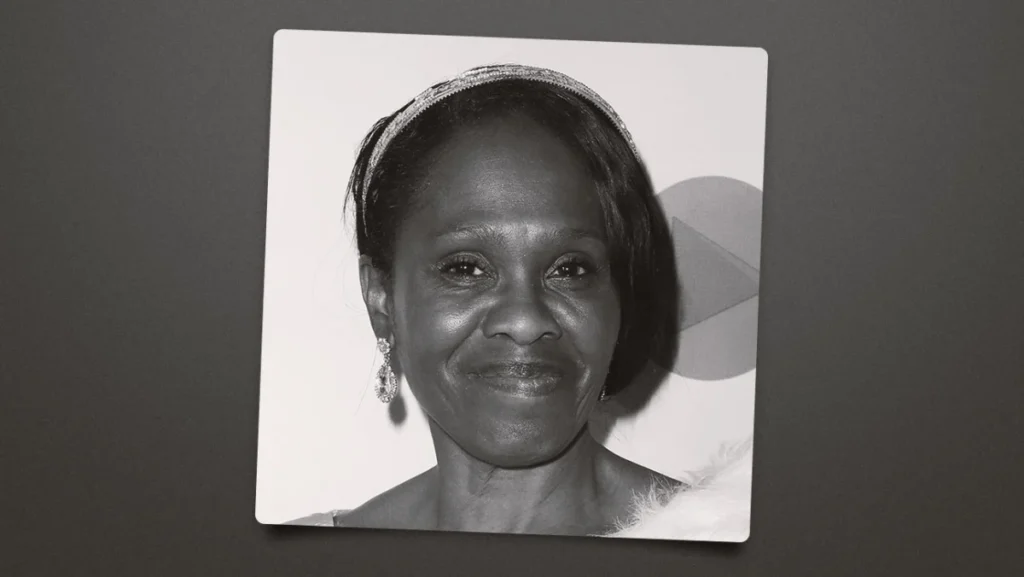

The entertainment world is mourning the loss of Dee Freeman, a distinguished actress celebrated for her roles in popular television series such as Tyler Perry’s Sistas and the enduring soap opera The Young and the Restless. Freeman passed away peacefully on April 2, 2026, at the age of 66, following a courageous and protracted battle with cancer. Her family confirmed her passing through a heartfelt statement shared on Instagram, which quickly resonated across social media platforms, eliciting an outpouring of grief and tributes from colleagues, fans, and industry figures alike.
The announcement from her family underscored the profound sadness of their loss while also highlighting the remarkable strength and spirit Freeman exhibited throughout her illness. "On behalf of her family, it is with deepest sadness that we share this update with you. Dee passed away peacefully on April 2, 2026, after a brave and fearless fight with cancer," the statement read. It continued, expressing gratitude for the immense support she received: "Thank you to everyone who supported Dee during her battle. It blew her away to know how many people cared about her and were pulling for her. We know Dee is up there in heaven being the force of nature she always was. Now she’s doing it with her angel wings on. Rest in peace, Dee." This poignant message painted a picture of a woman who, even in her final days, remained touched by the affection of her community and faced her challenges with an unwavering resolve.
A Life Defined by Service and Artistry: From Marines to the Main Stage
Born in Louisiana in 1959, Dee Freeman’s journey was characterized by a unique blend of discipline, dedication, and creative expression. Her formative years in Louisiana instilled in her a strong sense of identity and resilience, traits that would become hallmarks of her career. Upon completing high school, Freeman made a pivotal decision, choosing to serve her country by enlisting in the United States Marine Corps. This period of military service was not merely a chapter in her life but a foundational experience that shaped her character, instilling values such as commitment, integrity, and the ability to navigate challenging environments with grace under pressure. For women of her generation, joining the armed forces represented a significant step, often requiring immense personal strength and a pioneering spirit in traditionally male-dominated fields. Her time in the Marines undoubtedly contributed to the "quiet power" and "force of nature" qualities her loved ones would later describe.
Following her honorable discharge from the military, Freeman embarked on a radical, yet ultimately fulfilling, career transition into the arts. This shift from the structured world of military service to the fluid, expressive realm of acting is a testament to her versatility and passion. She began her artistic journey in the theater, a traditional training ground for many accomplished actors, where she honed her craft and developed a deep understanding of character and storytelling. The rigorous demands of live performance, requiring impeccable timing, emotional depth, and stage presence, provided an invaluable foundation for her subsequent work in film and television. Her early theatrical endeavors allowed her to explore diverse roles and develop the nuanced acting style that would later endear her to audiences across various mediums.
A Diverse Portfolio on Screen: Iconic Roles and Memorable Appearances
As her career evolved, Dee Freeman seamlessly transitioned from the stage to the screen, leaving an indelible mark on both the small and large screens. Her filmography, though varied, consistently showcased her ability to embody complex characters with authenticity and emotional resonance.
One of her most prominent and recent roles was as Valerie Barnes in Tyler Perry’s highly popular BET series, Sistas. Freeman joined the cast for seasons nine and ten, portraying the mother of Andi Barnes, a central character played by KJ Smith Black. Sistas, known for its engaging narratives centered around the lives of four single Black women navigating career, relationships, and friendships in Atlanta, has garnered a significant following and is celebrated for its portrayal of contemporary Black womanhood. Freeman’s portrayal of Valerie Barnes added depth and an authentic maternal presence to the show’s intricate family dynamics. Her character provided a grounding force and a relatable figure for viewers, contributing to the series’ exploration of intergenerational relationships and the challenges faced by modern families. The opportunity to work within Tyler Perry’s prolific production ecosystem, which has consistently provided platforms for diverse voices and talents, marked a significant highlight in her later career.
Beyond her impactful role in Sistas, Freeman lent her talents to several other acclaimed television productions. She made three memorable appearances on the iconic CBS daytime drama, The Young and the Restless. Entering its fifth decade on air, The Young and the Restless is a cultural institution, a cornerstone of daytime television that has launched countless careers and entertained generations with its tales of love, betrayal, and power in Genoa City. Even in a limited number of episodes, Freeman’s presence in such a long-running and influential series speaks to her versatility and the recognition of her talent within the industry.
Her dramatic range was further demonstrated through her role in a 2016 episode of Showtime’s critically acclaimed series, Shameless. Known for its gritty realism, dark humor, and unflinching portrayal of working-class life, Shameless provided a stark contrast to the dramatic world of soap operas, allowing Freeman to showcase her ability to inhabit characters in more raw and challenging narratives. Similarly, her appearance in a 2021 episode of NCIS: Los Angeles, a long-running and highly popular procedural crime drama, underscored her capacity to adapt to various genres, from family dramas to intense action-packed thrillers. These roles, though often guest appearances, demonstrated her consistent professionalism and the demand for her talent across diverse production landscapes.
Significantly, Freeman also held a leading role in the satirical comedy Pretty the Series from 2010 to 2015. This project, which often explored the absurdities of Hollywood and the entertainment industry, allowed her to showcase her comedic timing and her ability to lead an ensemble. In an era when independent web series were gaining traction as vital platforms for creative storytelling outside traditional studio systems, Pretty the Series provided Freeman with a unique opportunity to explore satirical themes and engage with a different kind of audience. Her consistent presence in this series for five years speaks to her dedication and her passion for projects that allowed for artistic freedom and commentary.
A Visionary Beyond the Screen: The ‘Poison Gun’ Project
Dee Freeman’s creative aspirations extended far beyond her acting roles. At the time of her passing, she was actively engaged in developing a novel adaptation of her one-woman show titled Poison Gun. This ambitious project was deeply personal, drawing inspiration from the rich and complex history of her own family. The transition from a one-woman stage performance, which demands intense personal investment and vulnerability, to a novel, which requires sustained narrative development and intricate world-building, highlights Freeman’s multifaceted artistic intellect and her commitment to storytelling.
The Poison Gun project was more than just another artistic endeavor; it was a testament to her desire to explore and share profound personal and historical narratives. For many artists, transforming personal history into art is a powerful act of remembrance, healing, and cultural contribution. This project likely offered a unique avenue for Freeman to connect with her roots, explore themes of legacy, resilience, and identity through the lens of her family’s experiences. The dedication required to develop such a significant work while simultaneously navigating the demands of an acting career and a serious health battle speaks volumes about her indomitable spirit and her unwavering passion for creative expression. While the novel’s completion now rests as a poignant "what if," its very existence as a work in progress serves as a powerful reminder of her enduring creative spirit and intellectual curiosity.
Tributes and Legacy: A Quiet Power That Endures
The news of Dee Freeman’s passing prompted a wave of tributes, each echoing the sentiment of a life well-lived and a spirit deeply cherished. Desirae L. Benson, Freeman’s publicist, issued a moving statement that encapsulated the profound respect and admiration she commanded within her professional circles. "Dee wasn’t just my client – she was someone I truly respected and admired," Benson stated. "She carried herself with a level of grace, strength, and authenticity that is rare. Even in the face of stage 4 lung cancer, she showed up with courage and dignity. Dee had a quiet power that commanded respect without ever needing to demand it. Her legacy is not just in her work, but in how she made people feel – and that will stay with us forever."
Benson’s words paint a vivid picture of a woman who faced her greatest challenge with extraordinary composure and an inspiring inner fortitude. The mention of her battle with stage 4 lung cancer provides crucial context to the "brave and fearless fight" referenced by her family, underscoring the immense physical and emotional toll she endured while maintaining her professional commitments and creative pursuits. This quiet strength, often described as a defining characteristic of Freeman, resonated deeply with those who knew her, leaving an impression far beyond her on-screen performances.
While specific reactions from her Sistas co-stars or The Young and the Restless cast members were not immediately available, it is logical to infer that the news of her passing would have been met with profound sadness and fond remembrance across the industry. Actors who share the screen, particularly in ensemble casts, often form strong bonds, and the loss of a colleague is deeply felt. Social media platforms, which have become virtual memorials for public figures, would likely have seen an outpouring of personal anecdotes and messages of condolence from those who worked with her and those whose lives she touched. The collective sentiment would undoubtedly underscore her professionalism, her kind spirit, and her dedication to her craft.
Her legacy, as highlighted by Benson, extends beyond her impressive filmography. It lies in the intangible impact she had on people – the way she made them feel. This speaks to her character, her warmth, and her ability to connect with others on a human level, transcending the boundaries of her roles. For many, she will be remembered not just as an actress but as an inspirational figure, a veteran who successfully transitioned into a demanding artistic career, and a woman who faced adversity with unwavering dignity.
Implications and Lasting Impact: A Multifaceted Inspiration
Dee Freeman’s passing leaves a void in the entertainment industry, particularly within the landscape of diverse storytelling. Her career exemplified the power of representation and the importance of providing platforms for nuanced portrayals of Black characters. As an actress, she contributed to a richer tapestry of narratives, offering authentic performances that resonated with a broad audience. Her presence in shows like Sistas underscored the growing demand and appreciation for stories that reflect the varied experiences of different communities.
Moreover, her unique journey from a United States Marine to a successful actress serves as an enduring source of inspiration. She demonstrated that one’s path is not always linear and that dedication, discipline, and passion can open doors to vastly different yet equally fulfilling careers. Her story is a powerful testament to the transformative potential of pursuing one’s true calling, regardless of prior experiences or conventional expectations. She championed the idea that service, whether to one’s country or to one’s art, can be a lifelong endeavor, enriching not only the individual but also the wider society.
The unfinished Poison Gun project also carries significant implications. While it may never reach its intended final form as a novel from her own hand, its very conception highlights the untapped potential and the wealth of stories that reside within individuals. It reminds the artistic community of the importance of supporting diverse voices and providing avenues for personal narratives to be shared. It also underscores the profound connection artists often have to their heritage and the ways in which they strive to preserve and interpret family histories for future generations.
Dee Freeman’s life and career serve as a poignant reminder of the ephemeral nature of life and the lasting impact of a life lived with purpose, grace, and unwavering commitment to one’s passions. Her contributions to film and television, her courageous battle with illness, and her profound impact on those around her will ensure that her "quiet power" continues to resonate within the hearts of her loved ones and the broader artistic community for years to come.
Dee Freeman is survived by her loving children, Amber and Shane; her devoted mother; and her cherished brothers and sisters. Their profound loss is shared by the many fans and colleagues whose lives she touched, and her memory will undoubtedly be honored through the enduring legacy of her work and the powerful example of her life.