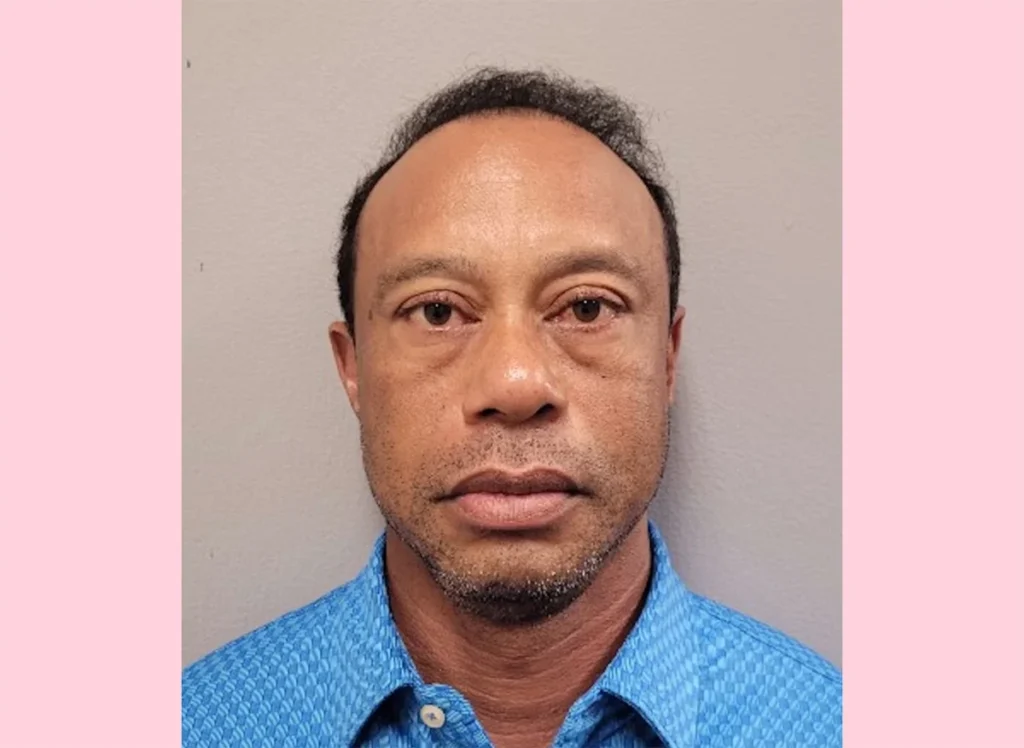

The golfing world and beyond are once again grappling with troubling news surrounding legendary athlete Tiger Woods, whose inner circle has voiced profound concern for his well-being in the aftermath of a recent DUI arrest and a rollover car incident in Jupiter, Florida. The incident, which occurred in late March 2026, has ignited a fresh wave of anxiety among those closest to the 50-year-old icon, who fear he has yet to confront the realities of his current life stage and persistent personal challenges. Sources close to the golfer indicate a growing exasperation with what they perceive as a lack of self-awareness and a desperate struggle to reconcile his past glory with present physical and emotional limitations.
The Incident: A Closer Look
Details emerging from Jupiter, Florida, describe a distressing scene where Woods was arrested on suspicion of driving under the influence following a rollover car crash. While specific toxicology reports are pending, the arrest marks a significant setback for Woods, who has faced similar legal troubles in the past. The incident draws parallels to his 2017 DUI arrest in the same region, where he was found asleep at the wheel of his Mercedes-Benz, later attributing the impairment to prescription medications following back surgery. This latest event, however, carries the added gravity of a vehicular rollover, raising questions about the circumstances leading up to the crash and Woods’ physical state at the time. Law enforcement officials have yet to release comprehensive details beyond confirming the arrest and the nature of the accident, citing ongoing investigation protocols. The immediate aftermath saw Woods processed and released, but the ripple effects among his close confidantes were instantaneous and severe.
A Circle of Concern: Friends Speak Out
Unnamed sources, speaking to People magazine, painted a candid picture of the escalating worry among Woods’ inner circle. The sentiment is encapsulated by a poignant observation: "They are an intense couple. It’s serious, but Tiger has yet to look in the mirror and say, ‘You’re 50 years old and need to act like it.’" This pointed remark underscores a broader frustration regarding Woods’ perceived inability to mature past certain behavioral patterns, particularly in the context of his high-profile relationship with Vanessa Trump. Friends reportedly believe that the athlete is not only enabled by individuals who benefit financially from his enduring reputation but is also deeply "frustrated and depressed about his state of health" due to ongoing injuries and the relentless march of age. The desire to compete at the highest level, specifically in major tournaments like the Masters, is reportedly clashing with the harsh reality of his physical condition, leading to internal conflict that his friends say he needs to "get real" about. Despite these concerns, there is a consistent thread of affection and belief in Woods’ fundamental character, with one source stating, "Once he does that, he should be better off because people do like Tiger. He is a good person."
Echoes of the Past: A Troubled Trajectory
Tiger Woods’ career, while marked by unparalleled triumphs, has also been punctuated by a series of high-profile personal and professional crises. His 2017 DUI arrest was a stark reminder of the pressures he faced, culminating in a plea of guilty to reckless driving, a year of probation, and participation in a diversion program. That incident, much like the present one, triggered widespread concern for his health and well-being, particularly in the context of his numerous debilitating back surgeries.
Prior to that, the scandalous revelations of his marital infidelity in late 2009 sent shockwaves through the sports world, irrevocably altering his public image and leading to a significant loss of sponsorships and a hiatus from professional golf. This period represented a dramatic fall from grace for an athlete widely regarded as one of the most marketable and universally admired figures in sports history.
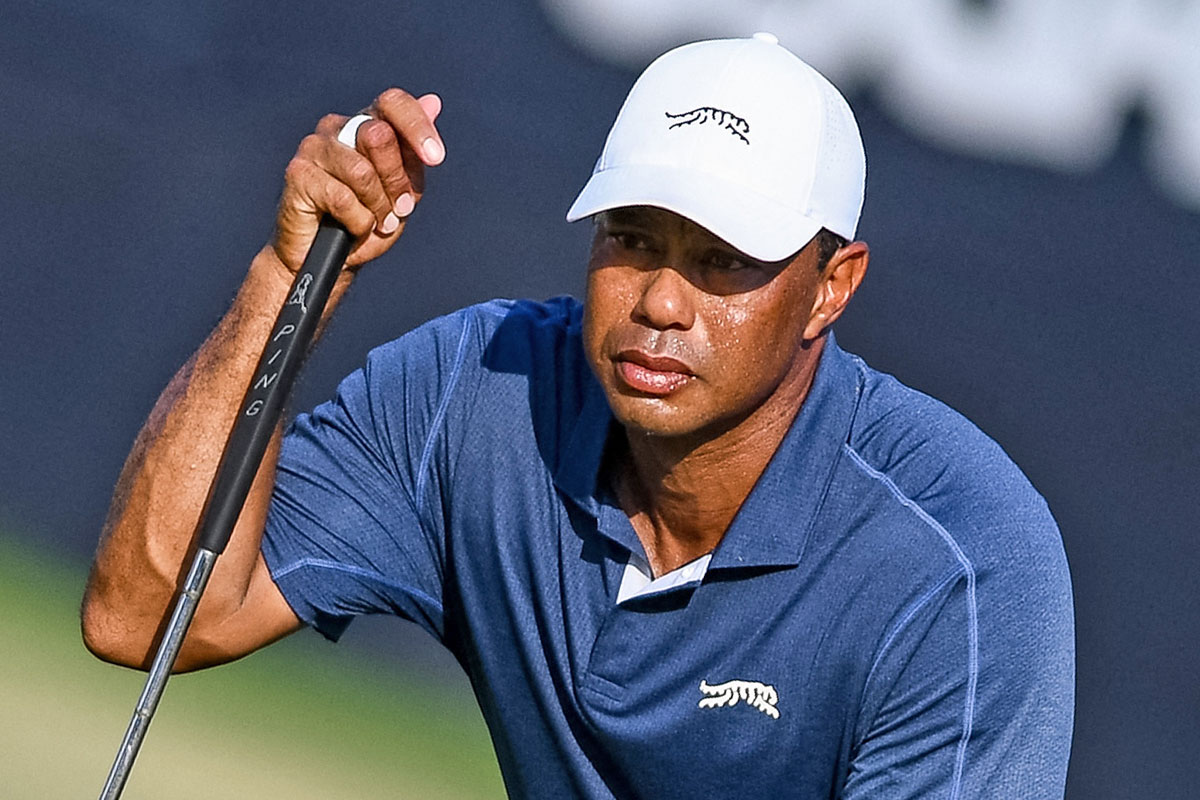
More recently, in February 2021, Woods was involved in a severe single-car accident in Rancho Palos Verdes, California, sustaining significant leg injuries that required extensive surgery and a lengthy rehabilitation period. While toxicology reports from that crash did not indicate impairment, the severity of his injuries cast a long shadow over his competitive future, leading many to question if he would ever return to professional golf. His subsequent comeback attempts, including a remarkable performance at the 2022 Masters, demonstrated his enduring grit but also highlighted the immense physical toll his body had endured. The present DUI and rollover incident, occurring just as he approaches his mid-century mark, compounds these historical challenges, suggesting a persistent struggle with underlying issues that transcend mere physical recovery.
The Weight of Expectation: Career and Legacy
Woods’ career statistics alone paint a picture of extraordinary achievement. With 15 major championships, including five Masters titles, four PGA Championships, three U.S. Opens, and three Open Championships, he stands second only to Jack Nicklaus in major victories. His 82 PGA Tour wins tie him with Sam Snead for the most all-time. For decades, he transcended the sport, becoming a global icon whose presence alone could elevate television ratings and tournament attendance.
However, this immense success has come with an equally immense burden of expectation. From a young age, Woods was groomed for greatness, carrying the hopes of millions. The pressure to continually perform, coupled with the physical toll of a demanding sport and numerous injuries (including four knee surgeries and five back surgeries before the 2021 leg injury), has been immense. Sources close to him reveal a deep-seated frustration with his current physical limitations, a stark contrast to his prime when he dominated the sport with seemingly effortless power and precision. The desire to once again don the green jacket at Augusta National, or compete fiercely in any major, remains a powerful driving force, yet it is this very ambition that now reportedly contributes to his internal turmoil when confronted with his body’s diminished capacity. The public’s unyielding fascination with his every move, his every swing, and his every misstep, adds another layer of complexity to his efforts to navigate a challenging personal life.
Personal Struggles and Public Scrutiny
Beyond the golf course, Woods has long been characterized as a private individual who "despises public scrutiny." This inherent aversion to the spotlight makes his repeated public embarrassments particularly agonizing. Friends note that he prefers the quiet solitude of his home, spending time with his children, hitting golf balls, or engaging in video games, rather than being a "social butterfly." This preference for privacy clashes dramatically with his global celebrity status, creating a constant tension between his personal desires and the demands of public life.
A recurring theme among those close to him is the lingering impact of his father, Earl Woods, who passed away two decades ago. The insider suggests that Tiger "has never really gotten over" his father’s death, implying an unresolved grief that continues to influence his emotional landscape. Earl was not only Woods’ father but also his mentor, coach, and spiritual guide, and his passing left a void that, according to some, Tiger has struggled to fill. This emotional vulnerability, coupled with the physical pain and professional frustrations, creates a complex psychological profile. The call for Woods to "get a grip on his limitations and make arrangements for them" and address how "his peace of mind has run amok over golf and his pain" highlights the belief that his current challenges are deeply rooted in unresolved personal issues that require significant introspection and professional intervention. Woods shares daughter Sam, 18, and son Charlie, 17, with his ex-wife Elin Nordegren, and the desire to be a present and healthy father for them is undoubtedly another significant pressure point in his life.
The Role of Relationships: Vanessa Trump
The relationship between Tiger Woods and Vanessa Trump, the ex-wife of Donald Trump Jr., has been described by sources as "intense." While the original article provides limited details on the nature or timeline of their relationship, its mention by Woods’ inner circle suggests it is a significant factor in his current emotional state. The implication from the source’s quote, "They are an intense couple. It’s serious, but Tiger has yet to look in the mirror and say, ‘You’re 50 years old and need to act like it,’" hints at a dynamic that may not be conducive to the stability and self-reflection his friends believe he desperately needs. However, a separate source noted that despite his current drama, if Woods decided to enter the upcoming Masters Tournament, Vanessa "would support his decision." This indicates a level of commitment and involvement in his life, and her presence is clearly part of the broader discussion about his well-being.
Official Responses and Legal Ramifications
Following the arrest, official statements from Woods’ legal team or representatives have been sparse, focusing on respecting privacy during what they describe as a challenging time. It is standard practice for high-profile individuals facing DUI charges to maintain a low public profile while legal proceedings unfold. The legal ramifications for a DUI arrest in Florida typically involve fines, license suspension, mandatory DUI school, and probation, with increased penalties for repeat offenses or incidents involving crashes. Given Woods’ previous DUI and his public profile, the legal process will likely be under intense scrutiny, though his legal team will undoubtedly aim to navigate it as discreetly as possible. The focus will be on the specifics of the incident, including toxicology reports, and whether any aggravating factors were present. While no formal statements from his family have been released, it is reasonable to infer a shared sentiment of concern and a desire for his health and recovery to take precedence.
Broader Implications for Sports and Public Figures
Tiger Woods’ ongoing struggles serve as a poignant case study for the complex interplay between immense talent, public pressure, and personal vulnerability in the lives of high-profile athletes. His journey highlights the intense scrutiny under which sports figures operate, where every misstep is amplified and dissected by global media. This constant spotlight can exacerbate personal challenges, making it difficult for individuals to address issues privately or seek help without fear of public judgment.
Moreover, Woods’ situation raises broader questions about how the sports industry supports its aging legends. Athletes, particularly those who have defined their sport for decades, often struggle with the transition away from competition, facing not only physical decline but also a profound loss of identity and purpose. The availability and effectiveness of mental health support systems within professional sports organizations are critical in helping these individuals navigate such transitions. Woods’ story, characterized by both unparalleled highs and devastating lows, continues to resonate with a public that is fascinated by both his genius and his humanity, reflecting a universal struggle with perfection, failure, and the relentless pursuit of self-improvement.
Seeking Support: Mental Health Resources
The concerns voiced by Tiger Woods’ inner circle about his emotional state and the impact of his past traumas underscore the critical importance of mental health awareness and support. His narrative, much like that of many public figures, highlights that success and fame do not inoculate individuals from personal struggles with depression, anxiety, or unresolved grief. It is a reminder that professional help and a strong support system are vital for navigating life’s challenges, especially when compounded by chronic pain and intense public scrutiny. For those seeking resources on mental health, organizations like the National Institute of Mental Health (NIMH) offer valuable information and pathways to support.
In conclusion, the latest incident involving Tiger Woods has cast a renewed pall over his personal and professional life. While his competitive spirit remains undeniable, the voices of his closest friends suggest a deeper battle within. The path forward for the golf legend appears to be one that demands not just physical recovery, but profound introspection and a courageous confrontation of the realities of his life at 50, away from the enabling influences and the relentless pressure to be the Tiger Woods of old. The golfing community and his global fanbase will be watching closely, hoping that this latest "mishap" serves as a catalyst for a sustained period of healing and genuine well-being for one of sport’s most enduring, yet complex, figures.