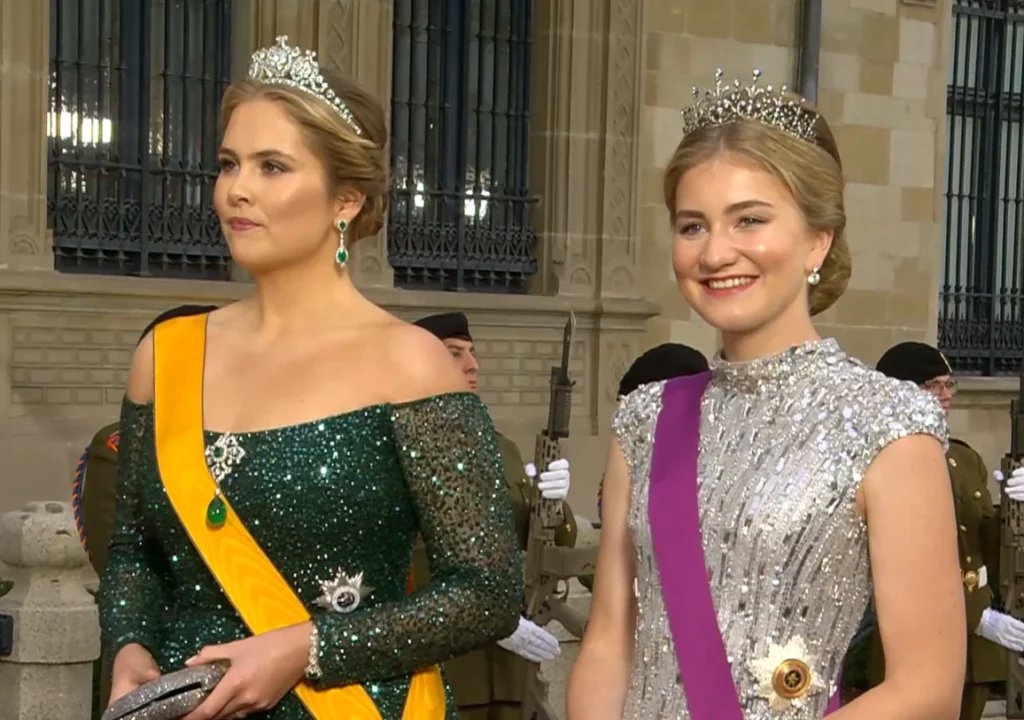

In an era where monarchies across Europe are grappling with public scrutiny and existential questions, King Philippe and Queen Mathilde of Belgium have emerged as unexpected pillars of stability. Far from the dazzling headlines that often capture public attention, this unassuming royal couple, once considered by some to be rather unremarkable, now finds themselves in a position of significant influence. Their quiet competence and unwavering dedication to duty have not only weathered the storms of public opinion but have also, in recent times, provided a stabilizing force for other European royal houses facing their own crises. This transformation, from the periphery to the vanguard of royal relevance, underscores a strategic approach to monarchy that prioritizes substance over spectacle.
The Belgian Monarchy: A Legacy of Adaptation
The Belgian monarchy, established in 1831, has a history marked by significant political and personal challenges. Unlike more ancient royal lines, Belgium’s monarchy was born out of a desire for a stable, constitutional head of state following the country’s independence from the Netherlands. This foundational role has always placed a premium on discretion and the ability to navigate the nation’s complex linguistic and political landscape.
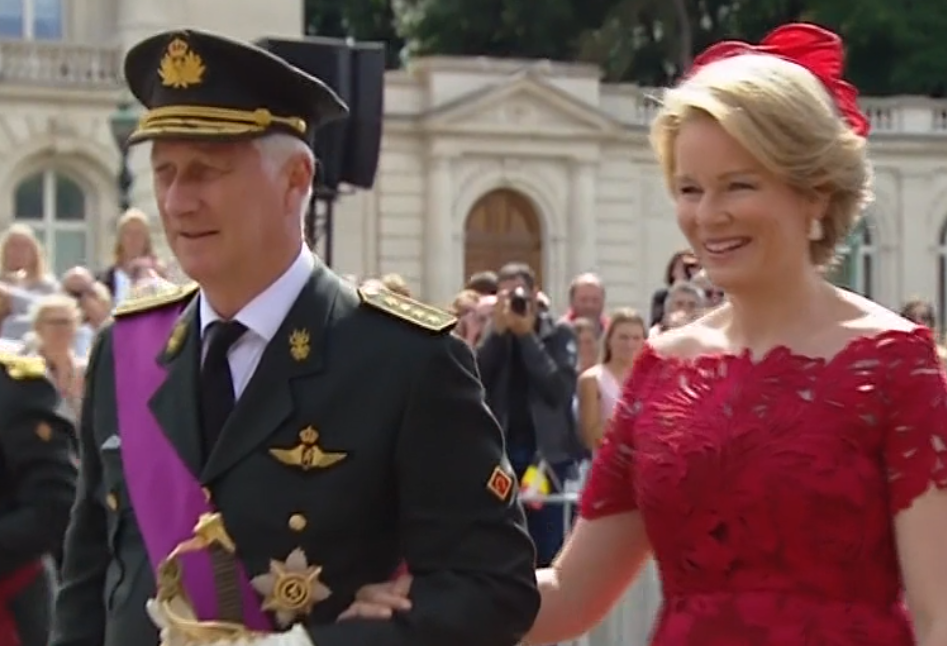
King Philippe, 65, ascended to the throne in 2013, succeeding his father, King Albert II. Albert’s reign, while largely seen as a period of constitutional stability, was not without its personal controversies. Rumors of infidelity within his marriage to the elegant Queen Paola were persistent, and their younger son, Prince Laurent, was often characterized as the "colorful" or even "troubled" royal, a role that can sometimes inadvertently draw attention but also carries risks for the institution. This family history, contrasted with the more serene image of King Baudouin and Queen Fabiola before them, set a complex backdrop for Philippe’s accession. Baudouin, Philippe’s uncle, was a deeply respected figure, but his reign began under the shadow of his father, Leopold III’s, abdication due to controversies during World War II, highlighting the monarchy’s historical vulnerability to public opinion and personal conduct.
The Transformation of King Philippe and Queen Mathilde
When Philippe married Mathilde d’Udekem d’Acoz in 1999, he was often perceived as a reserved and somewhat awkward figure, lacking the inherent charisma of some of his royal counterparts. Mathilde, now 53, brought a calm and steadying presence that, according to observers, began to transform her husband’s public persona. Her approach, often described as understated and focused on her role as a consort and mother, allowed the more reserved aspects of Philippe’s personality to be perceived not as weakness, but as a sign of thoughtful deliberation.
Their shared objective from the outset, evident in their early partnership, was to ensure the continued relevance and constitutional importance of the Belgian monarchy. Rather than pursuing flamboyant public appearances or engaging in the celebrity-driven aspects of royal life, they focused on a consistent, albeit less glamorous, presence. This strategy, perhaps underestimated a decade ago, has proven remarkably effective in the current climate where public trust in institutions is paramount. Their "ordinary" approach, as some describe it, has fostered a sense of accessibility and dependability.
A Model of Quiet Confidence and Support
The quiet confidence that now emanates from King Philippe and Queen Mathilde is a testament to their enduring partnership and their deliberate cultivation of a stable public image. Queen Mathilde, in particular, has been instrumental in this regard. Rather than seeking the limelight for herself, she has consistently positioned herself as a supportive consort, skillfully deflecting attention from potential stumbles and keeping her husband, the Head of State, firmly in the public’s good graces.
This dynamic was particularly evident following King Albert II’s unexpected abdication in July 2013. While the transition itself was a significant event, the public’s embrace of the new King and Queen was largely buoyed by Mathilde’s composed demeanor and her supportive role. Within a few years of their accession, Belgium had a monarch who was not only recognized and respected but also one who avoided the kind of personal controversies that could destabilize the institution. Their consistent appearances with their young family, and their support for their eldest daughter, Princess Elisabeth, as she embarked on her royal career, further solidified their image as a grounded and forward-thinking royal couple.
Navigating Scandal with Dignity
The Belgian royal family has not been immune to scandal, and King Philippe and Queen Mathilde have demonstrated remarkable resilience in addressing these challenges. One notable instance was the public acknowledgment of King Albert II’s illegitimate daughter, Princess Delphine. While this revelation generated significant headlines and potential for familial discord, King Philippe and Queen Mathilde handled the situation with an approach characterized by pragmatism and a commitment to familial unity. Philippe welcomed his half-sister into the royal fold, and Princess Delphine has since been integrated into significant public events, such as National Day celebrations. This measured and inclusive response underscored their commitment to a more modern and perhaps more forgiving interpretation of royal duty, demonstrating that even extraordinary circumstances can be managed with an "ordinary" and dignified approach.
The Belgian Royals as a Stabilizing Force in Europe
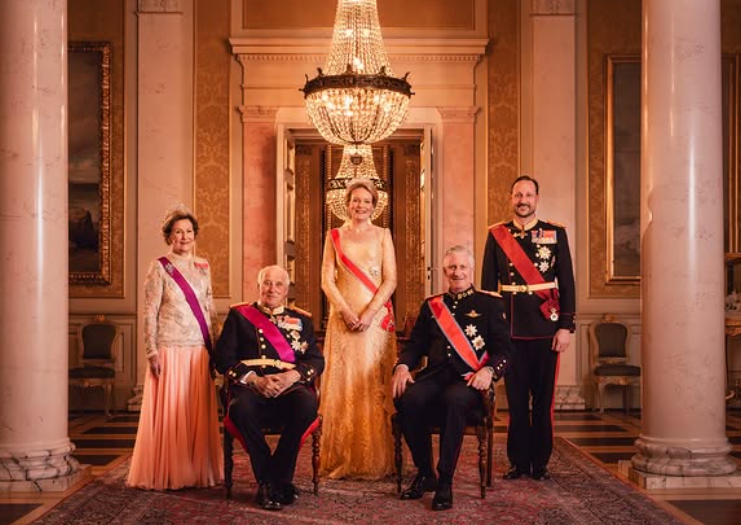
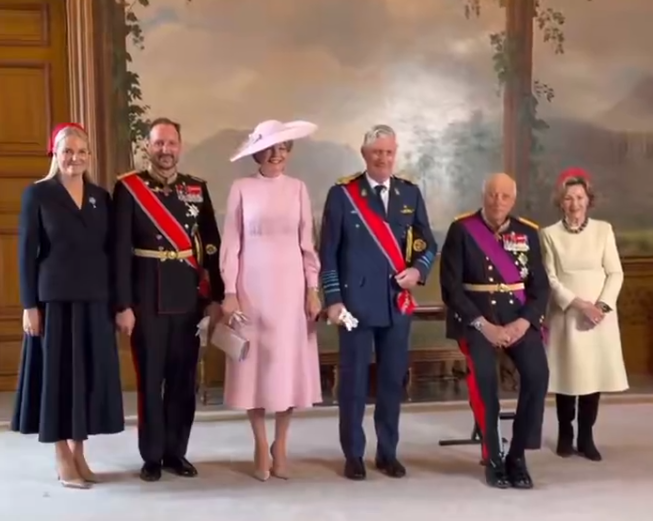
The recent State Visit of King Philippe and Queen Mathilde to Norway in March 2026 serves as a compelling illustration of their evolving influence. A decade ago, such a visit might have been considered a routine diplomatic engagement, generating mild interest among royal enthusiasts. However, in the current climate, the presence of the Belgian King and Queen in Oslo was seen as a significant boost to the Norwegian monarchy, which has been grappling with declining popularity and several high-profile controversies.
The Norwegian Crisis: A Contrast in Royal Fortunes
The Norwegian royal family, once enjoying exceptionally high approval ratings (often exceeding 90% a decade ago), has faced considerable challenges. The most prominent concern has been the controversy surrounding Crown Princess Mette-Marit. Her past association with the convicted sex offender Jeffrey Epstein, revealed through leaked documents, has cast a long shadow. Her subsequent television interview, where she claimed to have been manipulated and declined to answer certain questions, further fueled public debate, with her husband, Crown Prince Haakon, offering limited public support during the interview. Adding to the family’s difficulties, Mette-Marit’s son from a previous relationship, Marius Borg Høiby, faced legal proceedings related to rape charges. These events have undoubtedly impacted the public perception of the Norwegian monarchy, creating an environment where a demonstration of stability and integrity from a visiting royal house was highly valuable.
The Belgian Intervention: A Subtle but Significant Impact
The meticulously planned State Visit provided a crucial platform for the Belgian royals to offer their quiet support. During an official welcome ceremony with King Harald V and Queen Sonja, and subsequently at events involving Crown Princess Mette-Marit, Queen Mathilde’s discreet diplomacy came to the fore. At a photocall prior to lunch, Mathilde actively drew Mette-Marit into conversation, subtly reintegrating her into public view. Later, at a State Banquet, Queen Mathilde was seated alongside King Harald V, who used the occasion to publicly express his affection for his daughter-in-law, referring to her as "dear" and explaining her absence from the gala due to illness. This public endorsement, coming from the Norwegian monarch, was a significant gesture, and the presence of the steady and respected Belgian royals provided an invaluable backdrop, lending an aura of legitimacy and support to the Norwegian royal family during a difficult period. The implication is that by association, the Belgian royals’ inherent stability offered a counterpoint to the ongoing Norwegian challenges, subtly reinforcing the perceived resilience of monarchical institutions.
Constructing a New Monarchy: Community and Equality
Beyond their diplomatic roles, King Philippe and Queen Mathilde are actively shaping a modern understanding of monarchy. While traditional engagements remain a part of their schedule, they have placed a strong emphasis on community-focused initiatives. This shift reflects a broader trend in royal duties, moving towards tangible contributions and engagement with civil society.
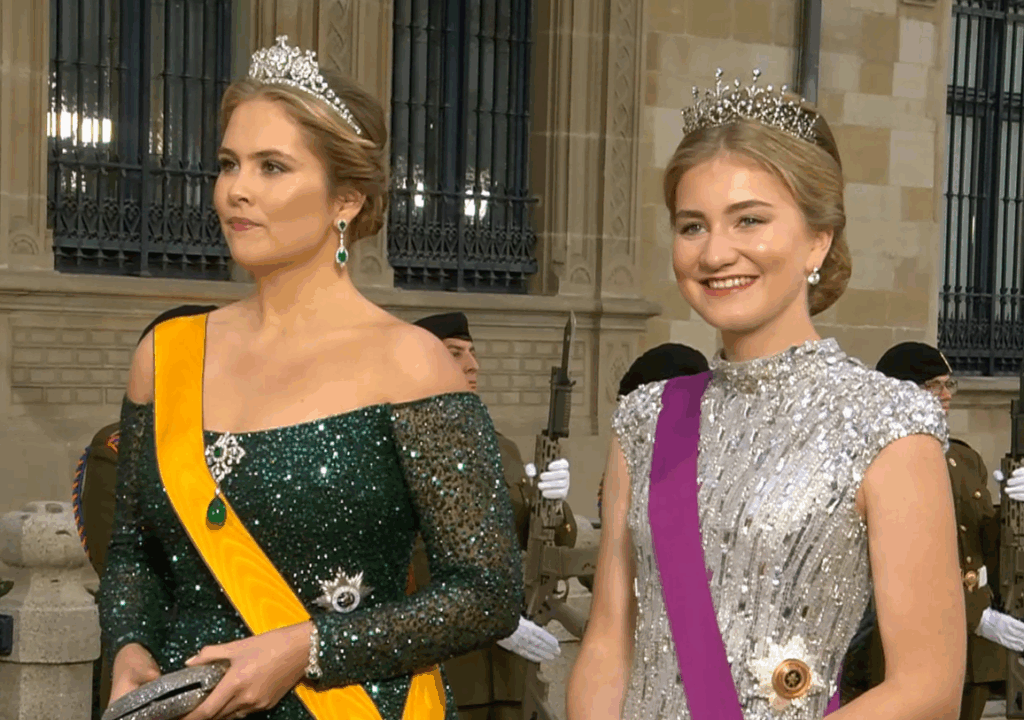
Furthermore, their approach to succession and the upbringing of their children has set a significant precedent. Princess Elisabeth, their eldest daughter and heir, was the first princess of her generation to undertake military service, a path subsequently followed by other female heirs across Europe. This move was a watershed moment, symbolizing a commitment to equality and demonstrating that future female monarchs are as capable and prepared as their male counterparts. Princess Elisabeth’s proactive stance has redefined expectations for royal women, moving them from largely ceremonial roles to positions of active leadership preparation.
The King and Queen’s other children are also forging their own paths, largely away from the intense glare of the spotlight. Prince Gabriel is continuing his military service, while Prince Emmanuel is pursuing higher education after a period of football training. Their youngest child, Princess Eleonore, is recognized for her musical talents. This approach to raising a royal family—encouraging individual development and diverse pursuits while maintaining a core commitment to public service—offers a balanced model for the future.

The Future of the Belgian Crown
As Princess Eleonore approaches her 18th birthday, King Philippe and Queen Mathilde will find themselves at the helm of a fully grown royal family. This transition will undoubtedly bring new challenges and expectations, but their consistent track record suggests they are well-equipped to navigate them. Their reign exemplifies a philosophy that prioritizes steadfastness and duty over fleeting fame. In an era where monarchies are continuously being re-evaluated and often criticized for their perceived irrelevance or their entanglement in celebrity culture, the Belgian King and Queen offer a compelling alternative. They have demonstrated that a monarchy, grounded in tradition yet responsive to modern values, can not only endure but also serve as a stabilizing force and an example for others. The couple, who were once overlooked, have inadvertently become the quiet architects of royal resilience, offering a blueprint for institutional relevance in the 21st century.