
In the chilling dystopian world of Gilead, the transition from Margaret Atwood’s acclaimed novel The Testaments to its television adaptation on Hulu has brought about a significant, yet strategically justified, alteration to a pivotal character: Daisy. While the spirit and narrative arc of many characters remain faithfully translated to the screen, the identity and backstory of Daisy, a key figure in the sequel, present a notable departure from her literary counterpart. This divergence, explored in detail by the show’s creator Bruce Miller, offers a compelling insight into the challenges and creative decisions involved in adapting complex narratives across different mediums.
Understanding the Core Narrative of The Testaments
The Testaments, published in 2019, picks up approximately fifteen years after the events of The Handmaid’s Tale, offering a multifaceted perspective on the oppressive regime of Gilead. The novel unfolds through the alternating narratives of three women: Aunt Lydia, whose past is revealed; Agnes McKenzie, a young woman raised within Gilead’s strictures; and Daisy, a young woman living in Canada who becomes entangled in Gilead’s machinations. The story explores the internal dissent within Gilead and the burgeoning resistance efforts, particularly from those who have escaped its clutches.
The Hulu series, premiering in late 2024, aims to adapt this rich tapestry of narrative and character. Set roughly four years after the conclusion of The Handmaid’s Tale television series finale, the show centers on a new generation of young women growing up under Gilead’s oppressive thumb, with no memory of the world before. Their journey becomes one of self-discovery, the search for freedom, and the fight for their inherent rights in a society that denies them basic humanity.
The Central Alteration: Daisy’s Identity
The most significant shift between the novel and the series lies in Daisy’s identity. In Atwood’s novel, Daisy is revealed to be Nichole, the infant daughter of June Osborne (Elisabeth Moss) and Nick Blaine (Max Minghella). After being smuggled to Canada, Nichole becomes a symbol of resistance and hope. She later infiltrates Gilead undercover as a Pearl Girl, a member of a special group of immigrant women who have embraced Gilead’s ideology and are tasked with spreading its influence. Her mission is to dismantle the regime from within, working alongside Mayday, the underground resistance movement. In the book, Agnes and Nichole eventually meet and discover their shared lineage as half-sisters, a revelation that unfolds later in their individual storylines.
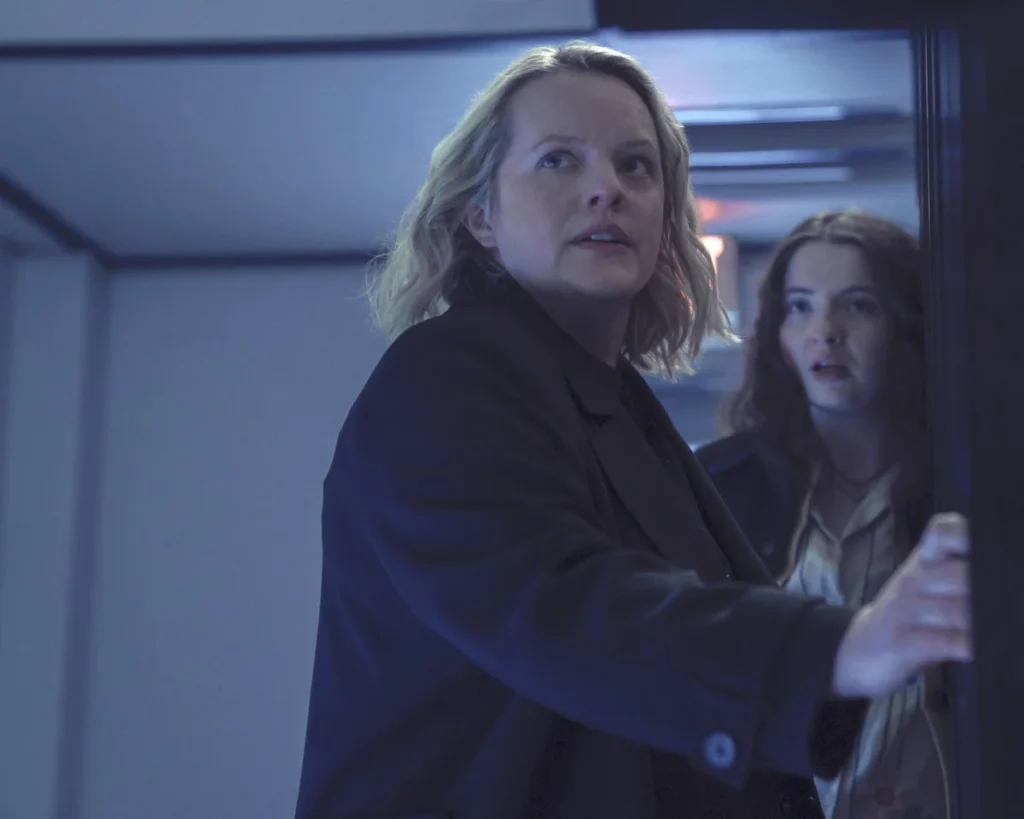
However, in the Hulu adaptation, Daisy, portrayed by Lucy Halliday, is presented differently. While still a Pearl Girl working undercover for Mayday and a victim of Gilead’s atrocities (her parents were murdered in Toronto), she is not Nichole. Instead, the series establishes her as a "chosen daughter" for June. This narrative choice, as explained by showrunner Bruce Miller, was a deliberate decision made to streamline the storytelling and enhance the dramatic impact for the television format.
Creator’s Rationale: Bridging the Gap Between Page and Screen
Bruce Miller, the creator of Hulu’s The Handmaid’s Tale and the driving force behind its adaptation of The Testaments, articulated the reasoning behind this pivotal change in an interview with TV Insider. Miller emphasized that the temporal gap between the events of The Handmaid’s Tale book and The Testaments book is considerably larger than the gap between the television series of The Handmaid’s Tale and The Testaments. This discrepancy in timelines made it logistically difficult, if not impossible, to directly translate Nichole’s journey as depicted in the novel into the television series.
"Just as The Handmaid’s Tale book is the prequel to The Testaments book, The Handmaid’s Tale show is the prequel to The Testaments show, so there are things that just didn’t line up," Miller stated. He further elaborated on the practicalities, noting that in the book, Daisy and Agnes are not the same age, and the narrative spans a much longer period, with the characters not always in close proximity.
The primary driver for this alteration, according to Miller, was the need for dramatic coherence and character interaction. "It just seemed to make dramatic sense that they needed to be together," he explained. The decision was made to bring Daisy and Agnes (played by Chase Infiniti), June’s daughter Hannah who was kidnapped and raised within Gilead, into closer narrative proximity. This allows for more immediate and impactful storytelling, focusing on their intertwined destinies and shared struggle.
"All the stories that Daisy was going through would be fascinating with Hannah there, and all of the Agnes stories are fascinating with Daisy there, and that was the core relationship of the show," Miller elaborated. This focus on the dynamic between Agnes and Daisy as the central relationship necessitated a modification of Daisy’s origins.
Maintaining Narrative Integrity Through Casting and Performance
Despite the significant change in Daisy’s biological identity, Miller was committed to preserving as much of the character’s essence from the book as possible. He sought to maintain the thematic resonance of Daisy’s journey as a symbol of resistance and a surrogate for June’s lost children.
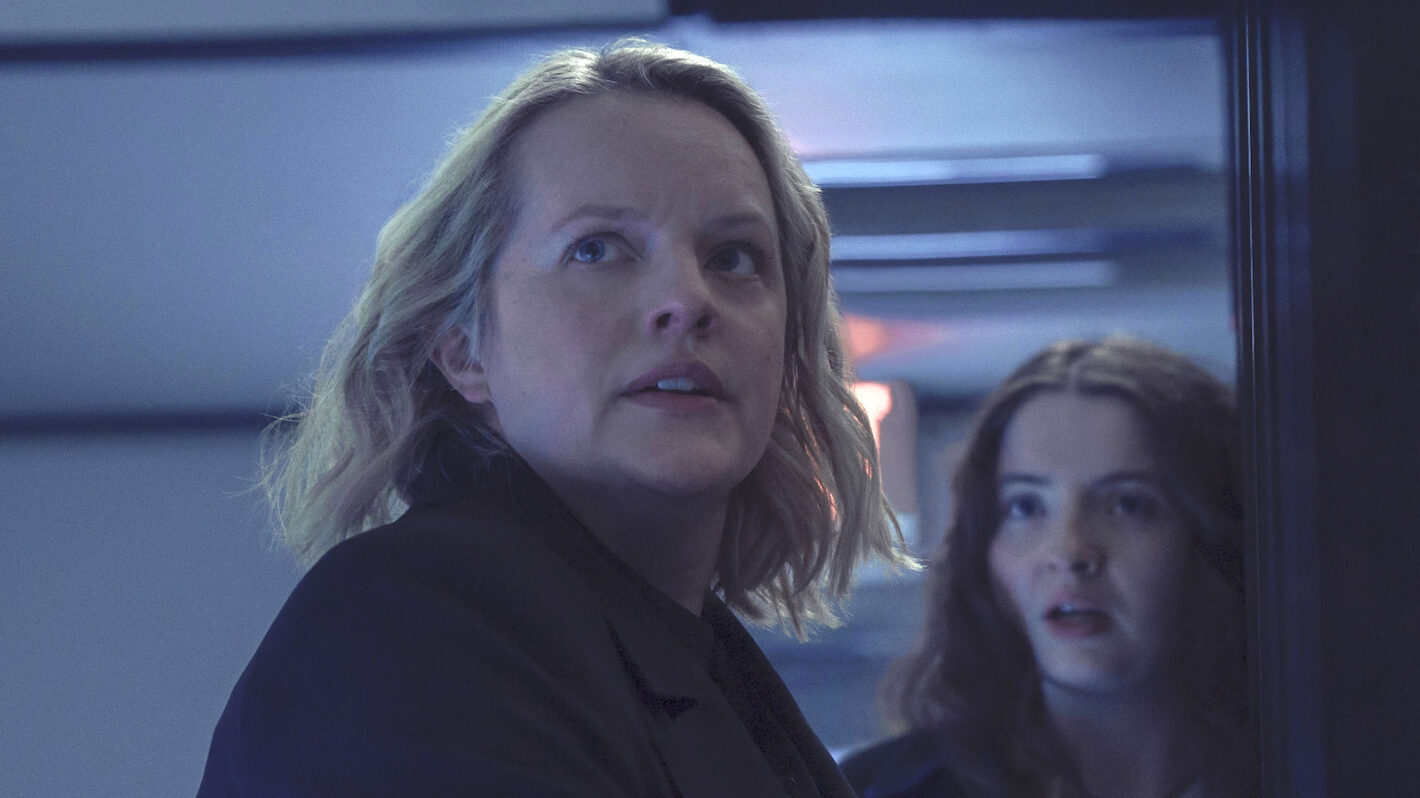
A key aspect of this effort involved the casting of Lucy Halliday. Miller noted that the actor chosen to portray Daisy bore a resemblance to Elisabeth Moss, who plays June. This visual cue, while not biological, was intended to evoke a sense of fated connection and familial resemblance, subtly reinforcing the idea of a chosen daughter.
"For this character, I wanted to change as little as possible," Miller reiterated. "In some ways, not only is she a chosen daughter, she looks a little like June, she acts like June." He also highlighted the collaborative process with Halliday, suggesting that the actor’s performance and interaction with Moss contributed to the character’s development. "There was a lot of evolution to it through the actors. And also, they liked each other quite a bit, so there was this character of June, but this actress of June, and interacting with her has filled out all sorts of cool stuff in Daisy because Lucy is such a thoughtful actor."
This approach allowed the creative team to imbue Daisy with the spirit of Nichole’s clandestine mission and June’s indomitable will, even without the direct biological link. The aim was to make Daisy as "much at the core like Nichole as I could," while allowing the character to bloom in a way that served the television narrative.
Thematic Implications and Future Storytelling
The alteration of Daisy’s identity in The Testaments series has several implications for the unfolding narrative. By making Daisy a chosen daughter for June, the series introduces a more direct and immediate maternal connection, albeit one forged through circumstance and shared purpose rather than biology. This allows for a more potent exploration of June’s maternal instincts and her relentless pursuit of her children’s safety and freedom, even from afar.
The decision also opens avenues for exploring the complex emotional landscape of a character who is deeply connected to June but not her biological daughter. This dynamic can lead to unique character arcs, potentially exploring themes of chosen family, loyalty, and the definition of motherhood in the face of extreme adversity.
Furthermore, the series maintains the presence of Nichole, albeit in a less central role for the initial narrative. Miller’s confirmation that "There is a Nichole. You actually get hints about her through the season that she exists with June in Toronto" suggests that Nichole’s story is not entirely discarded but rather positioned differently within the larger narrative framework of the show. This leaves room for her eventual integration into the plot, perhaps in later seasons, or for her existence to serve as a constant reminder of June’s broader maternal mission.
The impact of this creative decision extends beyond character identity. It underscores the inherent challenges of adapting beloved literary works, requiring a delicate balance between fidelity to the source material and the demands of visual storytelling. The success of The Testaments series will, in part, depend on its ability to navigate these narrative shifts effectively, ensuring that the core themes of resistance, family, and the fight for freedom resonate with audiences while forging its own distinct identity.
Broader Context: Adapting Dystopian Narratives
The adaptation of Atwood’s works, particularly The Handmaid’s Tale and now The Testaments, has been a cultural phenomenon. The Handmaid’s Tale series, which began as a faithful adaptation of the first novel, has evolved significantly, expanding the world and introducing new plotlines to sustain its run. This expansion has often involved diverging from the source material, a common practice in long-running television series based on novels.
The Testaments book itself was met with considerable anticipation, offering a more hopeful, albeit still grim, continuation of the Gilead saga. It was lauded for providing agency to characters beyond June and exploring the inner workings of the regime and the resistance with greater depth. The television series faces the formidable task of translating these complex layers of political intrigue, personal struggle, and thematic exploration to a visual medium.
The divergence regarding Daisy’s identity is not an isolated incident but rather a testament to the iterative and adaptive nature of television production. It highlights how creators must make strategic choices to serve the narrative pacing, character development, and overall dramatic impact for a visual audience. The success of these adaptations often lies in their ability to capture the spirit and thematic core of the original work while embracing the unique possibilities and constraints of their new medium.
As The Testaments series unfolds, audiences will be watching closely to see how these narrative choices shape the destinies of Agnes, Daisy, and the broader fight against Gilead. The series promises to continue exploring the enduring power of hope, the resilience of the human spirit, and the unyielding quest for freedom in a world consumed by oppression. The altered path of Daisy’s identity serves as a compelling example of the creative evolution that defines successful literary adaptations, demonstrating that while the story may change, the fight for what is right can endure and adapt.