
Dogwoof has unveiled the official trailer for "The Last Spy," a compelling documentary that delves into the extraordinary life of Peter Sichel, a clandestine figure who rose to prominence as one of the CIA’s most influential spymasters in the post-World War II era. The film, which premiered at the 2025 Munich Film Festival and subsequently screened at the 2026 Palm Springs Film Festival, offers an unvarnished account of Sichel’s remarkable journey, from his origins as a Jewish refugee fleeing Nazi Germany to his pivotal role in Cold War espionage and his tenure as the first CIA Chief of Station in Berlin.
The documentary arrives at a time when understanding the intricate tapestry of global intelligence and its historical underpinnings is more critical than ever. With the world grappling with ongoing geopolitical tensions and conflicts, "The Last Spy" promises to illuminate the obscured roots of many contemporary global challenges by revealing the clandestine operations and moral complexities that shaped the latter half of the 20th century.
A Life Forged in Shadow and Secrecy
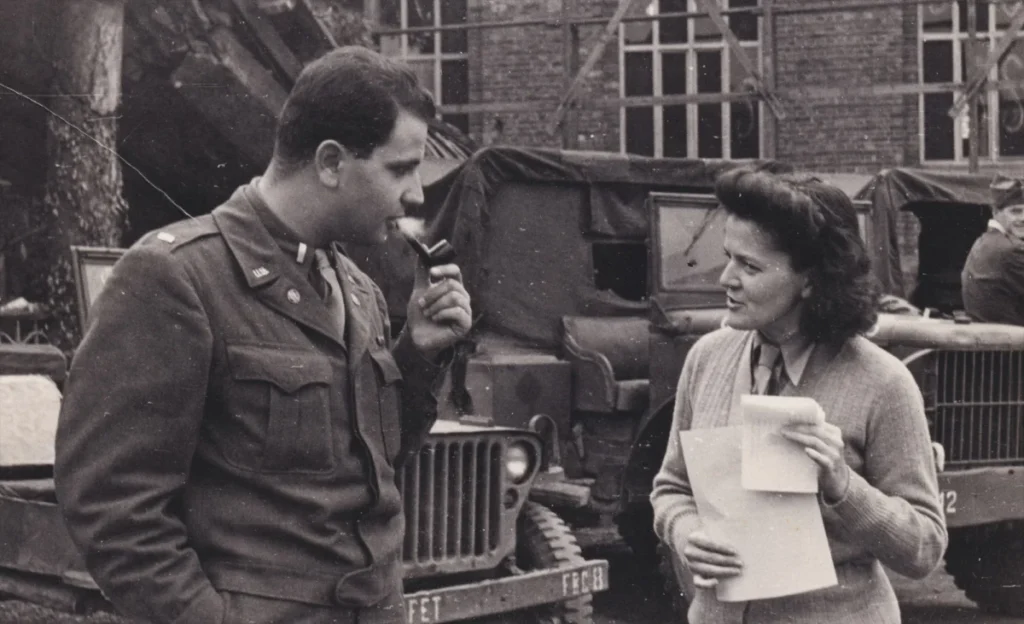
Peter Sichel’s life story is one of remarkable resilience and strategic acumen. Born in 1922 into a prosperous German Jewish family, his early years were irrevocably altered by the rise of Adolf Hitler and the escalating persecution of Jewish citizens. The family’s forced emigration to the United States marked the beginning of a new chapter, one that would see Sichel transition from a life of privilege to one defined by the high stakes of national security.
His aptitude for intelligence work quickly became apparent. Sichel joined the OSS (Office of Strategic Services), the precursor to the CIA, where he earned the moniker "Wunderkind" for his precocious talent and effectiveness. His early career was instrumental in shaping America’s nascent intelligence apparatus during a period of immense global upheaval.
The documentary emphasizes Sichel’s crucial role in post-war Berlin, a city divided and a focal point of burgeoning Cold War tensions. As the first CIA Station Chief in this volatile environment, he was tasked with gathering critical intelligence on Soviet activities and navigating the complex geopolitical landscape. His contributions were vital in shaping Western understanding of Soviet intentions and actions during a period of intense ideological conflict.
The Unredacted Truth: Defying the CIA
A particularly compelling narrative thread within "The Last Spy" is Sichel’s decision to tell his story on his own terms. After the CIA reportedly discouraged him from publishing his memoirs, returning his manuscript heavily redacted, the then 102-year-old Sichel took matters into his own hands. The film presents his unvarnished recollections, offering insights into a life lived at the intersection of history and covert operations. This act of defiance underscores his commitment to revealing the unvarnished truth, even when it might have been inconvenient for established institutions.

Sichel’s memoirs, as presented in the documentary, are not merely a personal chronicle but a critical examination of the intelligence world. He recounts his experiences with a blend of wit and profound wisdom, reflecting on the myriad lives he led and the moral quandaries inherent in espionage. His narrative pulls back the curtain on covert actions, the ethical compromises often required, and the immense geopolitical intrigue that defined his career.
The film also touches upon the whispers and suspicions that sometimes shadowed Sichel’s career, including allegations of him being a Soviet spy. While the documentary likely explores these claims, it positions them within the context of the pervasive paranoia and counter-intelligence efforts of the Cold War, where trust was a rare commodity and allegiances were constantly scrutinized. His "bold tactics," as described, likely contributed to both admiration and suspicion, a testament to the complex nature of his work.
Director and Festival Circuit
"The Last Spy" is directed by Katharina Otto-Bernstein, an acclaimed filmmaker and producer known for her work on films such as "The Need for Speed Bicycle Messengers in New York," "Beautopia," and "Absolute Wilson." Otto-Bernstein’s directorial vision appears to have been instrumental in crafting a nuanced and engaging portrait of Sichel and his era. The film’s selection for prestigious festivals like the Munich Film Festival and Palm Springs Film Festival signals its critical acclaim and its potential to resonate with a broad audience interested in history, espionage, and human resilience.
The documentary is produced by a team including Oleg Dubson, Kathrin Lohmann, Sabine Schenk, Frida Torresblanco, and Katharina Otto-Bernstein herself. This collaborative effort has resulted in a film that promises a deep dive into the life of a man who operated in the shadows but whose impact was felt on the global stage.
Release and Potential Impact
Dogwoof is set to release "The Last Spy" in UK cinemas and on Video on Demand (VOD) starting April 24, 2026. A US release date is yet to be announced, but the film’s strong festival run and compelling subject matter suggest a significant audience awaits.
The implications of "The Last Spy" extend beyond a historical retrospective. By offering an unredacted account of Cold War espionage from a key participant, the documentary has the potential to:
- Provide New Historical Perspectives: Sichel’s firsthand account may offer previously unknown details about pivotal moments in the Cold War, potentially revising or enriching existing historical narratives.
- Foster Critical Thinking about Intelligence Operations: The film’s exploration of moral dilemmas and covert actions can encourage viewers to consider the ethical complexities inherent in intelligence work and its impact on international relations.
- Highlight the Human Element in Geopolitics: Beyond the grand strategies and political machinations, "The Last Spy" promises to showcase the personal sacrifices, moral compromises, and enduring humanity of individuals involved in shaping global events.
- Inform Contemporary Analysis: Understanding the historical precedents of espionage, the methods employed, and the long-term consequences of covert actions can provide valuable context for analyzing current geopolitical conflicts and intelligence challenges.
The documentary’s emphasis on revealing the "obscured root causes behind most of the conflicts that are currently shaking our world" suggests a direct link between historical espionage and present-day global instability. Sichel’s insights, gleaned from a lifetime of navigating secret corridors of power, could offer a unique lens through which to understand the origins of ongoing international disputes.

Supporting Data and Context
The Cold War (roughly 1947-1991) was a period of geopolitical tension between the United States and the Soviet Union and their respective allies. This era was characterized by proxy wars, an arms race, and intense espionage. Peter Sichel’s career spanned a significant portion of this period, placing him at the heart of critical intelligence gathering and covert operations.
The OSS, founded in 1942, played a crucial role in intelligence gathering and covert operations during World War II. After the war, many of its operatives, including Sichel, transitioned to the newly formed Central Intelligence Agency (CIA) in 1947. The establishment of the CIA marked a formalization of US intelligence efforts, with a primary focus on countering Soviet influence.
Berlin, as a divided city, became a crucial theater of operations for intelligence agencies from both sides. The Berlin Wall, erected in 1961, symbolized the stark division of Europe and the intense surveillance and counter-surveillance that characterized the city. Sichel’s role as the first CIA Chief of Station in post-war Berlin would have involved establishing operational networks, recruiting assets, and gathering intelligence on Soviet and East German activities in a highly dangerous environment.
The nature of espionage during the Cold War was often shrouded in secrecy, deception, and moral ambiguity. Operatives frequently faced situations that demanded difficult ethical choices, and the line between patriotism and betrayal could be blurred. The film’s exploration of Sichel’s "bold tactics" and the "darker side of the CIA" likely delves into these contentious aspects of intelligence work.
Peter Sichel’s passing at the age of 102 in the year prior to the documentary’s release adds a poignant layer to the film. His longevity allowed him to witness the profound geopolitical shifts that followed the Cold War, offering a unique perspective on the long-term consequences of the actions he participated in. His decision to share his story unredacted at such an advanced age underscores a desire to ensure historical accuracy and to contribute to a broader public understanding of a critical period.
The decision by Dogwoof to distribute the film suggests confidence in its commercial and critical appeal. Their track record includes distributing critically acclaimed documentaries, and "The Last Spy" aligns with their profile of bringing impactful and thought-provoking non-fiction cinema to a wider audience. The staggered release, with a UK launch preceding a US release, is a common strategy for documentaries aiming to build momentum and critical buzz.
"The Last Spy" promises to be more than just a biographical documentary; it is an invitation to understand the hidden currents that have shaped our modern world, told through the eyes of a man who lived and breathed the art of espionage. His unvarnished account offers a rare opportunity to learn from the past, providing critical context for the complex geopolitical landscape of today.