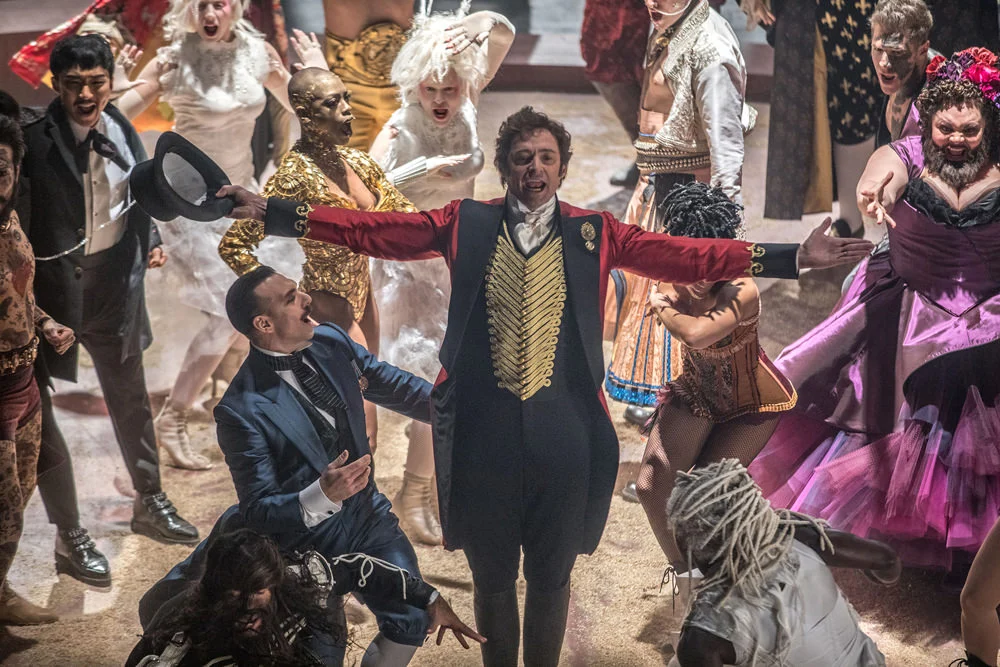

Released in late 2017, Michael Gracey’s directorial debut, The Greatest Showman, emerged as a definitive, albeit controversial, milestone in the modern cinematic musical landscape. Starring Hugh Jackman as the legendary circus impresario P.T. Barnum, the film serves as a stylized, highly fictionalized exploration of the birth of show business. While the production was initially met with a lukewarm critical reception regarding its narrative depth and historical liberties, it transformed into a global phenomenon, fueled by a record-breaking soundtrack and a "sleeper hit" box office performance that defied traditional industry trends.
The film’s central thesis revolves around the transformative power of spectacle. By prioritizing emotional resonance and contemporary musicality over biographical precision, The Greatest Showman created a vision of the 19th century filtered through a 21st-century lens. This approach, spearheaded by Jackman and a creative team including songwriters Benj Pasek and Justin Paul, sought to capture the "spirit" of Barnum’s showmanship rather than the documented reality of his often exploitative business practices.
Chronology of Development and Production
The journey of The Greatest Showman to the silver screen spanned nearly a decade, reflecting the persistent vision of its lead actor. Hugh Jackman first announced his intention to develop a P.T. Barnum biopic in 2009. At the time, original live-action musicals were considered high-risk ventures by major studios, leading to a prolonged development phase.
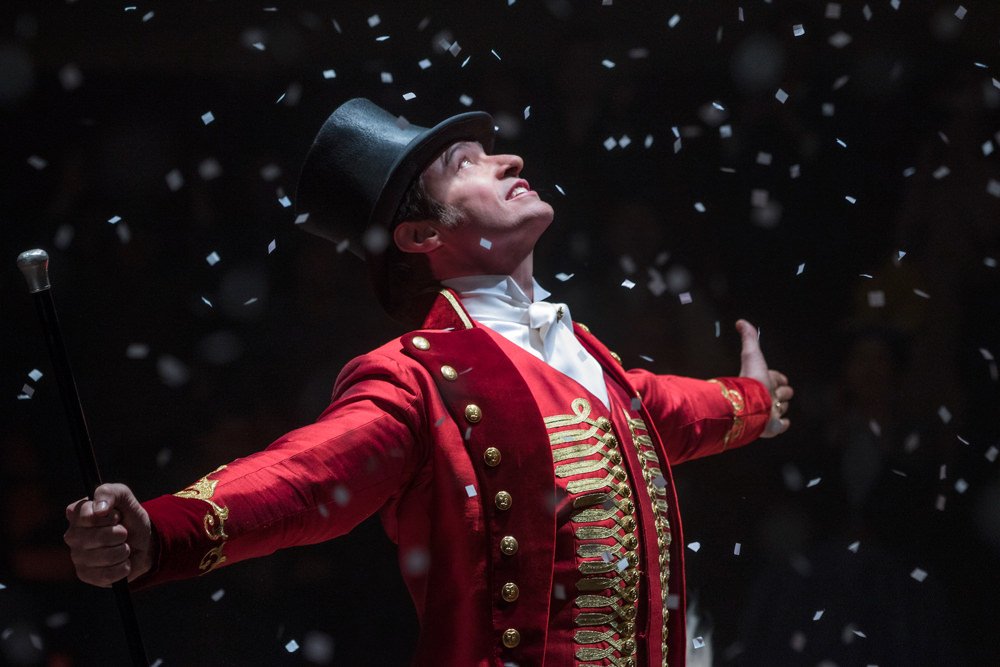
The project gained significant momentum in 2011 when Michael Gracey, a visual effects specialist and commercial director, was tapped to direct. The script underwent several iterations, with contributions from Jenny Bicks and Bill Condon, the latter of whom brought significant experience from his work on Chicago and Dreamgirls.
The casting of Zac Efron in 2016 signaled a return to the musical genre for the actor, while the addition of Michelle Williams, Zendaya, and Rebecca Ferguson rounded out a high-profile ensemble. Principal photography began in New York City in late 2016. A pivotal moment in the film’s pre-production was the 2015 workshop of the music, where a then-recovering Jackman (following surgery for skin cancer) famously broke his doctor’s orders to sing the finale of "From Now On," an event that reportedly solidified the studio’s commitment to the project.
Production Design and the "Vogue" Aesthetic
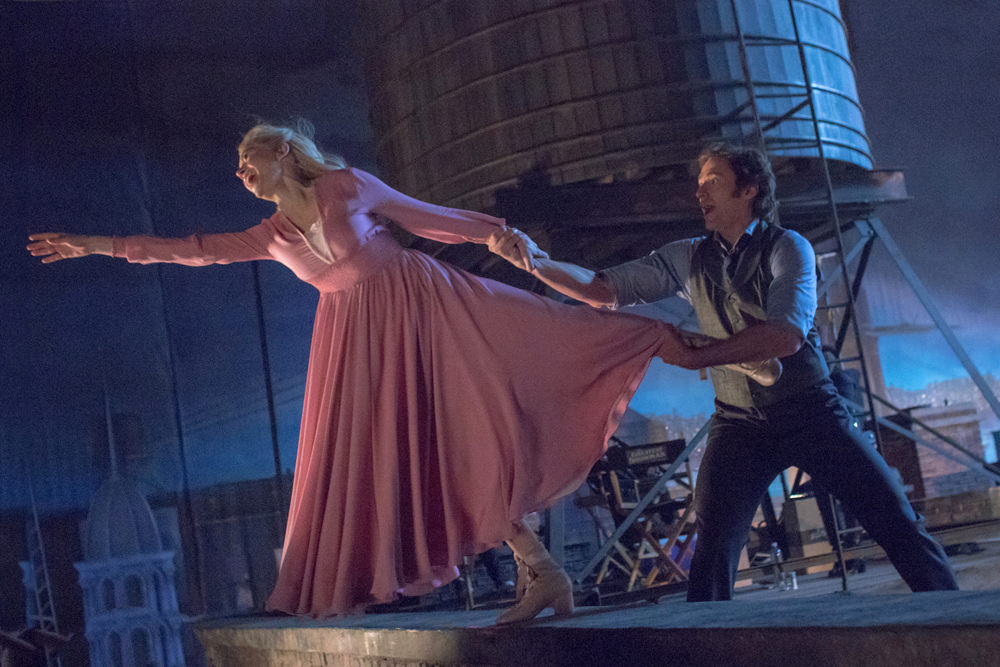
One of the most striking elements of The Greatest Showman is its visual language. Director Michael Gracey and costume designer Ellen Mirojnick intentionally eschewed historical accuracy in favor of a high-fashion, "steampunk-adjacent" aesthetic. Mirojnick, known for her work on Basic Instinct and Behind the Candelabra, drew inspiration from modern fashion editorials rather than 1800s daguerreotypes.
To achieve this, the production utilized repurposed modern gowns from designers such as Zuhair Murad, Marchesa, and J. Mendel. The character of Jenny Lind, played by Rebecca Ferguson, serves as a primary example of this creative choice. For her debut performance of "Never Enough," Lind wears a Zuhair Murad wedding gown from a 2017 collection. This anachronism was intended to evoke the same sense of awe in a modern audience that a 19th-century audience might have felt seeing a legendary European opera singer.
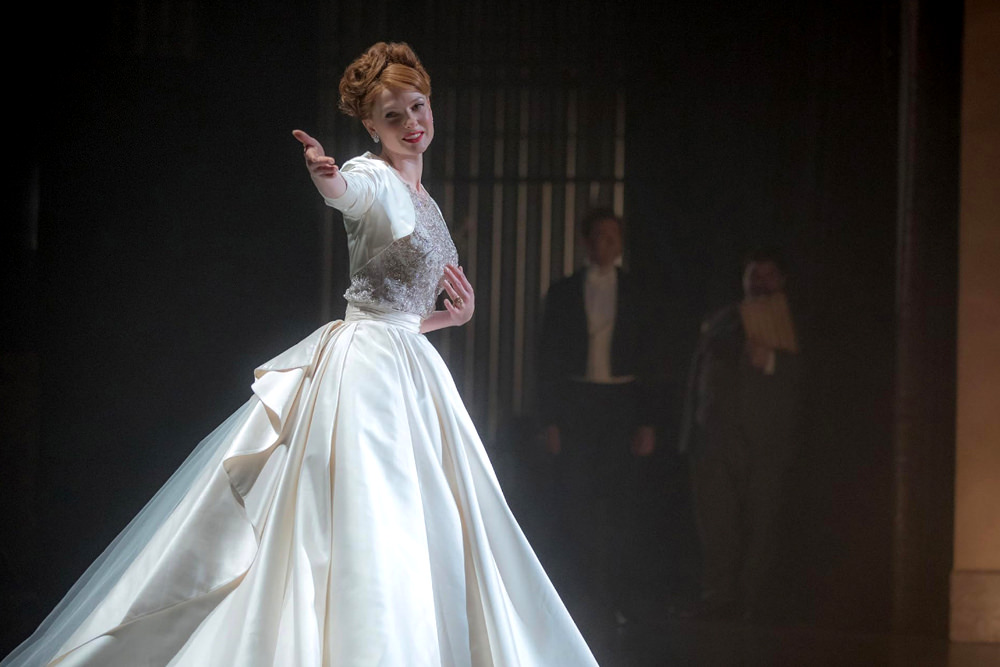
The production design followed a similar philosophy, utilizing digital matte paintings and vibrant color palettes to create a world that felt like a permanent stage. This artifice was a deliberate nod to Barnum’s own "humbug" philosophy—the idea that the public enjoys being deceived if the deception is entertaining enough.
Musical Composition and Soundtrack Success
The sonic identity of the film was crafted by Benj Pasek and Justin Paul, the Academy Award-winning duo behind La La Land and Dear Evan Hansen. Their task was to create a "contemporary pop" score that would appeal to modern sensibilities while driving a period-piece narrative.
The soundtrack is characterized by its use of rhythmic stomping, electronic flourishes, and anthemic choruses. Two songs, in particular, define the film’s impact:
- "Never Enough": While Rebecca Ferguson portrays the "Swedish Nightingale" Jenny Lind, the vocals were provided by Loren Allred. The song is a power ballad that deviates entirely from the operatic repertoire the real Lind would have performed. Its lyrical repetition—"Never, never"—serves as a thematic shorthand for Barnum’s insatiable ambition.
- "This Is Me": Performed by Keala Settle as the Bearded Lady, this track became the film’s definitive anthem. It won the Golden Globe for Best Original Song and was nominated for an Academy Award. The song’s message of self-acceptance resonated widely, though critics noted the irony of "traditionally beautiful" Hollywood actors leading a chorus about societal rejection.
The soundtrack’s commercial performance was unprecedented. It reached number one on the Billboard 200 and dominated the UK charts for 28 non-consecutive weeks, eventually becoming one of the best-selling albums of the decade.
Historical Revisionism and Ethical Critique
The Greatest Showman has been the subject of significant academic and critical debate regarding its portrayal of Phineas Taylor Barnum. The real Barnum (1810–1891) was a complex figure whose career was often marked by the exploitation of marginalized individuals.
Historical records indicate that Barnum’s early "success" included the purchase and public display of Joice Heth, an elderly enslaved African American woman whom he falsely claimed was 161 years old and the former nurse of George Washington. The film largely sanitizes these aspects of Barnum’s life, presenting him instead as a visionary champion of diversity who provided a "family" for those society had discarded.
This revisionism has been compared to other modern historical reimaginings, such as Hamilton or Sofia Coppola’s Marie Antoinette. Supporters of the film argue that as a musical, it operates within a genre defined by fabulism and emotional truth rather than documentary fact. Critics, however, contend that the film’s "empowerment" narrative is undermined by its dismissal of the actual systemic racism and physical exploitation inherent in the 19th-century "freak show" industry.
Box Office Performance and Sleeper Hit Status
The commercial trajectory of The Greatest Showman is often cited as a "textbook case" of word-of-mouth success. Opening in December 2017, the film faced stiff competition from Star Wars: The Last Jedi and Jumanji: Welcome to the Jungle. Its three-day opening weekend was a modest $8.8 million, a figure that usually signals a box office failure for a high-budget studio production.
However, the film exhibited extraordinary "legs." Unlike most blockbusters that see a 50-60% drop in their second weekend, The Greatest Showman’s revenue increased by over 70% in its second week. It continued to hold strong throughout early 2018, eventually grossing over $435 million worldwide. This rare performance was attributed to repeat viewings and the popularity of sing-along screenings, which 20th Century Fox rolled out in response to the soundtrack’s popularity.
Broader Impact and the Transition to the Stage
The enduring popularity of the film has led to a significant expansion of the franchise. In late 2023, Disney (which acquired 20th Century Fox) announced the development of a stage musical adaptation. This production, which recently premiered in London at a specially constructed "Showman’s Park" in Earls Court, utilizes immersive theater techniques to recreate the circus atmosphere.
The film also revitalized the career of Zac Efron and solidified Zendaya’s transition from Disney Channel star to a formidable presence in major cinema. For Hugh Jackman, the film remains a career-defining project, reinforcing his status as one of the few contemporary "triple-threat" stars capable of carrying a massive original musical.
Fact-Based Analysis of Implications
The success of The Greatest Showman had several ripple effects within the film industry:
- The Return of the Original Musical: The film’s success proved that there was still a massive audience for original, non-IP-based musicals, leading to the greenlighting of projects like Dear Evan Hansen (also Pasek and Paul) and various live-action musical reimaginings.
- The Soundtrack as a Marketing Engine: The film demonstrated that a hit soundtrack can sustain a movie’s box office life long after the initial marketing campaign has ended.
- Aesthetic Trends: The "modern-meets-period" costume design seen in the film influenced subsequent period dramas, including series like Bridgerton, which adopted a similarly colorful, anachronistic approach to history.
In conclusion, while The Greatest Showman 2017 may lack the historical rigor of a traditional biography or the psychological depth of a character study, its impact as a piece of popular entertainment is undeniable. It remains a testament to the enduring appeal of the "spectacle" and the ability of a well-crafted song to bridge the gap between historical reality and cinematic fantasy.