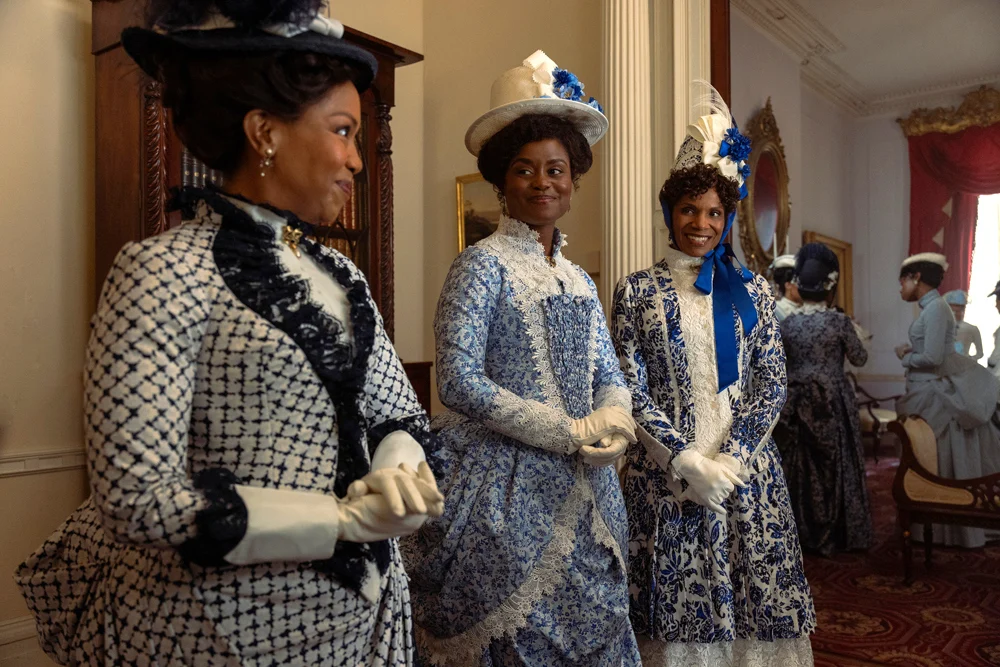

The landscape of late-nineteenth-century New York continues to fracture and realign as Julian Fellowes’ historical drama progresses into its fourth season. The second episode of the current season delivers a complex web of familial discord, corporate ruthlessness, and shifting social dynamics across Manhattan and Newport. From the austere parlors of the Upper East Side to the burgeoning industrial settlements of the Lower East Side, the characters find themselves grappling with the inescapable consequences of ambition, class rigidity, and personal trauma.
Main Facts and Narrative Developments
At the center of the unfolding drama is the Russell household, which remains heavily strained following the traumatic events of the previous season. George Russell, navigating deep-seated physical and psychological scars from an assassination attempt, continues his aggressive maneuvers in the burgeoning American industrial sector. His hardline tactics are put on display during a high-stakes meeting with industrialist John D. Rockefeller, where the friction between capitalist monopolies and public impact takes center stage. Meanwhile, Bertha Russell returns to New York after an extended absence, attempting to reassert her dominance in high society, only to find her familial foundations crumbling and her husband increasingly alienated.

Parallel storylines examine the evolving roles of women in high society and reform work. Marian Brook deepens her involvement with a Lower East Side settlement house, striving to carve out an independent identity that sharply conflicts with the expectations of her aunt, Agnes van Rhijn. Agnes, steadfast in her defense of traditional G
ilded Age customs, faces a series of indignities—ranging from unauthorized interior redecorating by Ada to unwanted journalistic intrusion by the Ladies’ Home Journal. Further south in Newport, Rhode Island, Peggy Scott and her family endure overt hostility and paternalistic prejudice among elite social circles, underscoring the precarious position of Black intellectuals and professionals during the era.
Chronology of Events and Escalating Tensions
The episode’s narrative unfolds through a series of interlocking confrontations that trace the deterioration of long-standing alliances. The chronology begins with the tightening net around the perpetrator behind the attempt on George Russell’s life. Investigations reveal that the would-be assassin is the son of Patrick Morris, a former associate ruined and driven to suicide by the Russells during the show’s inaugural season. The assailant’s mother, Anne Morris—a once-proud member of the Stuyvesant family now reduced to tenement living—makes a desperate appeal to George, who dismisses her pleas with characteristic coldness.

Concurrently, Bertha returns to Manhattan to a lukewarm domestic reception. Her interaction with her son, Larry, highlights her candid self-reflection regarding motherhood compared to her daughter Gladys, who is now adjusting to her aristocratic life abroad. Larry’s romantic entanglements take a peculiar turn when he proposes marriage to Marian Brook, who reacts with self-reproach and rejection, citing her perceived disgrace rather than welcoming the security such an alliance would provide.
As the week progresses, social pressures mount. In Newport, a gathering hosted by Mrs. Kirkland exposes Peggy Scott to patronizing remarks regarding her literary pursuits. The tension reaches a boiling point when Mrs. Scott confronts the host over veiled insults directed at Peggy, revealing the deep racial and cultural fault lines running beneath polite society. Back in New York, the medical work of Dr. William Kirkland introduces him to institutional racism and systemic neglect at Bellevue Hospital following the tragic death of a young patient—an event that foreshadows potential shifts in his career trajectory.
Corporate Machinations and Economic Realities
The economic backdrop of the episode highlights the ruthless consolidation of American industry. During negotiations between George Russell and John D. Rockefeller, the conversation pivots on the monopolistic control of kerosene distribution. Rockefeller defends his pricing model as a measure to keep essential goods accessible to the general populace, a justification that George meets with open mockery.

The ensuing argument between George and Larry—prompted by Larry’s intervention to prevent an escalating confrontation—illustrates the generational divide in business acumen and emotional regulation. George’s harsh rebuke of his son reflects his inability to process his own trauma, as he remains haunted by the physical memory of his near-fatal shooting. This corporate ruthlessness contrasts sharply with the philanthropic and reformist impulses driving characters like Marian, who witness firsthand the human toll of rapid industrialization in New York’s tenement districts.
Official Responses and Institutional Pressures
The traditional power structures represented by Agnes van Rhijn face unprecedented challenges from modern sensibilities and domestic staff instability. The introduction of new interior aesthetics, a telephone, and the hiring of a duplicitous new footman under Ada’s naive supervision drive Agnes to frequent outbursts of frustration.
Furthermore, media intrusion complicates the preservation of elite privacy. The arrival of a pushy editor from the Ladies’ Home Journal forces Agnes to sit for an interview regarding contemporary entertaining trends. Her staunch refusal to compromise on traditional hierarchies—such as prioritizing rank over conversational ease—signals an impending public relations clash that threatens to disrupt her standing in the Heritage Society.

Broader Impact and Sociological Implications
The events of this episode offer a broader commentary on the socio-economic transitions of the 1880s. The juxtaposition of opulent opera boxes at the Metropolitan Opera with the squalor of Lower East Side tenements emphasizes the extreme wealth disparity that defined the Gilded Age. Alliances are forged out of necessity, as evidenced by Lina Astor’s begrudging rapprochement with Bertha Russell in the face of familial scandals and the rising prominence of the newly rich.
As characters like Marian and William seek autonomy outside traditional confines, and as industrial titans like George Russell grapple with isolation and moral erosion, the narrative lays the groundwork for institutional and personal transformation. The convergence of high-society pageantry, corporate warfare, and nascent social reform illustrates a society standing on the precipice of modernity, where the old guard must either adapt to shifting paradigms or risk obsolescence.