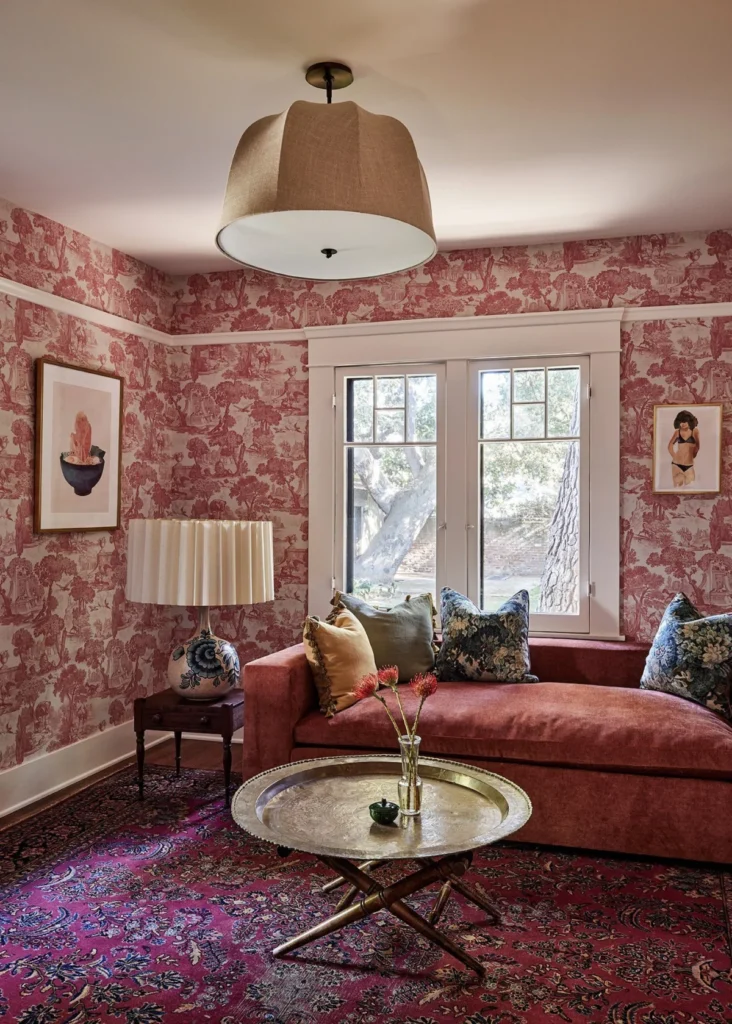

The modern residential furniture market is currently undergoing a significant shift as consumers increasingly prioritize multi-functional pieces that do not sacrifice aesthetic value for utility. Historically relegated to dormitories or basements, the sleeper sofa has been reimagined by leading retailers as a sophisticated centerpiece for the home. Recent comprehensive research and field testing conducted by industry experts at Architectural Digest (AD) have highlighted a new generation of furnishings that blend high-end upholstery with advanced mattress technology, effectively bridging the gap between everyday lounging and guest hospitality.

The Shift Toward Multi-Functional Urban Living
The rising demand for high-quality sleeper sofas is largely driven by the tightening of urban real estate markets and the growing popularity of multi-generational living. As square footage becomes a premium, homeowners are looking for "hidden talents" in their furniture. A sofa is no longer just a foundation for streaming media or reading; it is an essential contingency plan for overnight guests.
Market data suggests that the "sofa bed" category has evolved into several distinct sub-sectors, including traditional pull-outs, futon-style convertibles, and modular sectionals. This evolution is supported by advancements in material science, particularly in the realm of "performance fabrics" and "gel-infused memory foam," which have addressed long-standing complaints regarding the comfort and durability of dual-purpose seating.
.jpeg)
Rigorous National Testing Methodology
To identify the leading contenders in this competitive market, product specialists deployed a rigorous testing protocol across a diverse range of residential environments. Testing sites spanned from compact New York City apartments to expansive suburban guest rooms in the Midwest and traditional living spaces in the Northeast.
The evaluation criteria were standardized to include:
.jpeg)
- Delivery and Assembly Logistics: Assessing the efficiency of "white-glove" services versus DIY assembly, and the ability of pieces to navigate narrow doorways (often as tight as 29 inches).
- Aesthetic Integration: Determining if the piece functions visually as a primary sofa or if its "sleeper" nature is too obvious.
- The Conversion Mechanism: Measuring the physical effort required to transform the unit.
- Sleep Quality: Direct feedback from multi-night "snooze tests" focusing on spinal support and pressure point relief.
Leading Performers in Modern Sleeper Design
Best Overall: The West Elm Shelter Sleeper
The West Elm Shelter Sleeper emerged as a top-tier performer due to its handcrafted frame and sturdy pull-out mechanism. Industry analysts noted that its silhouette—often upholstered in performance velvet—allows it to serve as a primary living room piece. Unlike older models that utilized thin, spring-heavy mattresses, the Shelter features a queen-size, gel-infused memory foam mattress. This material is specifically engineered to dissipate heat, a common issue with traditional foam, providing a sleep surface that testers rated as superior to many standard mattresses.
Innovation in Sectionals: The Koala Wanda
For larger spaces, the Koala Wanda Sofa Bed represents a move toward "plush, loungable" quality. Its design includes a reversible chaise and a footrest that operates like a drawer, expanding the surface area without the complexity of a traditional folding bar. Notably, this model emphasizes environmental health, utilizing PFA-free construction—a significant data point for health-conscious consumers wary of "forever chemicals" often found in textile treatments.
.jpeg)
Traditional Aesthetic: Pottery Barn York Slipcovered
The Pottery Barn York collection remains a benchmark for the "incognito" sleeper. Testing revealed that its memory foam mattress is entirely hidden beneath a bench-style cushion, requiring only one hand to operate the mechanism. With over 125 upholstery options, including basketweave and boucle, it represents the pinnacle of customization in the mass-market segment.
The Chronology of Purchase: Lead Times and Logistics
A critical finding in the research involves the timeline from order to installation. The furniture industry continues to navigate complex supply chains, particularly for made-to-order pieces.

- Customization vs. Speed: Retailers like West Elm and Benchmade Modern offer extensive fabric libraries, but this level of personalization typically results in an eight-week production lead time.
- Direct-to-Consumer Efficiency: Brands like Burrow and Quince have optimized the "couch-in-a-box" model, offering faster shipping and modular designs that can be assembled by the consumer, though sometimes at the cost of deep-seated neck and back support found in heavier, traditional frames.
- The Delivery Threshold: The "29-inch doorway test" remains a crucial metric for urban dwellers. Modern engineering has allowed many of these units to be shipped in components, mitigating the logistical nightmare of navigating tight stairwells and entryways.
Material Science and Engineering Trends
The transition from "sagging" to "supported" is the result of specific engineering choices:
- Pocketed Springs and Dual Coils: Used in models like the Serta Durango, these provide independent suspension, reducing motion transfer between two sleepers.
- Performance Velvet and Chenille: These fabrics are treated at the molecular level to resist staining and pilling, making them suitable for high-traffic areas and homes with pets.
- Recessed Foot Bases: A design trend seen in the West Elm Teagan, which protects the lower frame from wear while providing a streamlined, floating appearance.
- Removable Covers: Seen in the Castlery Agnes, this feature addresses the long-term maintenance of the furniture, allowing for professional cleaning or replacement of the outer shell.
Comparative Analysis: Sleeper Sofas vs. Sofa Beds
The research clarified a common point of consumer confusion regarding terminology. While often used interchangeably, there are distinct technical differences:
.jpeg)
- Sleeper Sofas: Feature a hidden mattress stored within the frame. They are generally heavier, more expensive, and offer a sleep experience closer to a traditional bed. They utilize pull-out mechanisms that require more internal cavity space.
- Sofa Beds (and Futons): These units convert by folding the sofa cushions flat. They lack a separate mattress, making them lighter and more suitable for small footprints. However, they are often firmer and better suited for occasional use rather than long-term hosting.
Broader Implications for Residential Design
The professionalization of the sleeper sofa reflects a broader "superhost" culture. With the rise of the short-term rental economy, homeowners are viewing their guest accommodations as an extension of their personal brand. Providing a high-quality sleep experience is no longer optional; it is a requirement for maintaining a high rating in the sharing economy.
Furthermore, the "work-from-home" (WFH) era has led to the creation of the "multipurpose guest nook." Designers now recommend using sleeper sofas to allow a single room to function as a high-productivity office by day and a calming guest suite by night. This "transitional sitting room" concept is expected to remain a dominant trend in interior design for the foreseeable future.
.jpeg)
Conclusion and Future Outlook
The data suggests that the best sleeper sofas are no longer compromises. Through a combination of performance materials, modular engineering, and high-design aesthetics, these pieces have earned their place in the primary living areas of the home. As urban density increases, the industry is expected to continue innovating in the realm of "smart furniture," where the transition between living and sleeping becomes even more seamless. For the consumer, the primary considerations remain space, support, and the "ease of the pull-out," ensuring that the modern sleepover is defined by comfort rather than the "acrobatics" of the past.
As market competition intensifies among retailers like Arhaus, Joybird, and CB2, the consumer stands to benefit from higher standards of durability and style. The era of the saggy, uncomfortable pull-out has officially ended, replaced by a sophisticated market of dual-purpose furnishings that prioritize the well-being of both the host and the guest.