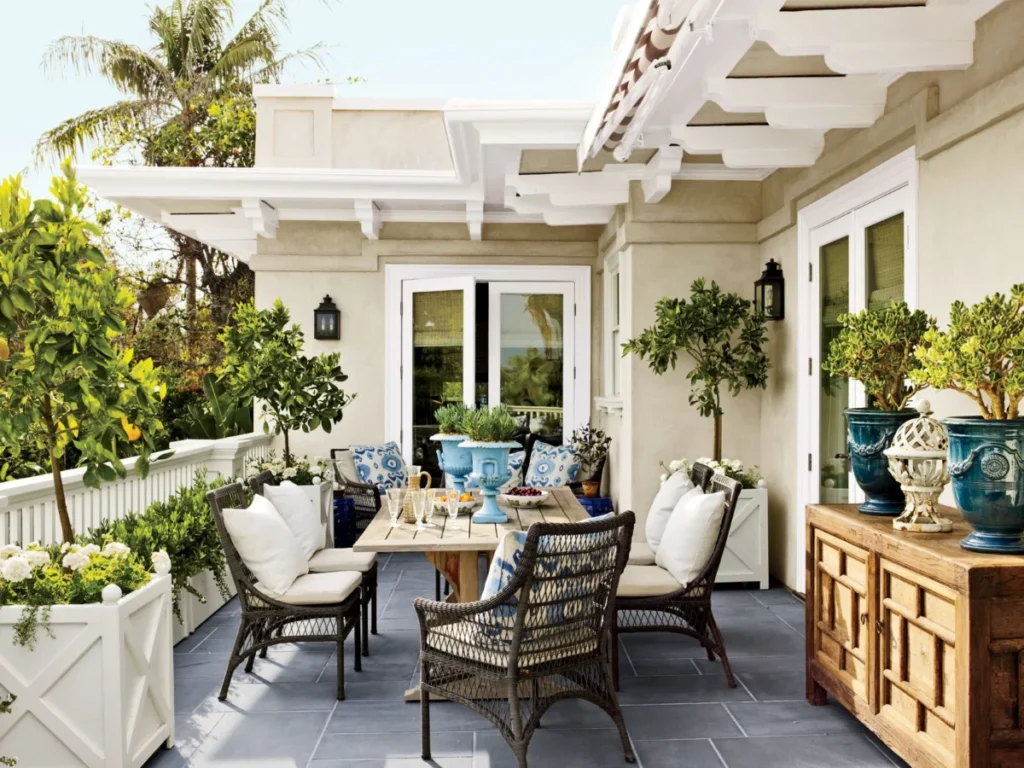

As the seasonal transition in major metropolitan areas like New York triggers a renewed interest in urban horticulture, the market for high-end outdoor planters has seen a significant shift away from mass-produced, utilitarian options toward architectural, heirloom-quality vessels. The arrival of spring, marked by the blooming of cherry blossoms and magnolias, serves as an annual catalyst for homeowners and landscape designers to evaluate the durability and aesthetic integration of garden containers. Industry experts note that the modern consumer is increasingly bypassing grocery-store terracotta and plastic alternatives in favor of glazed, Florentine, and high-performance composite materials that can withstand the rigors of diverse climates while functioning as legitimate pieces of home decor.

The current landscape of premium gardening is defined by a blend of historical craftsmanship and modern material science. Brands such as Bergs Potter, Williams-Sonoma, Ferm Living, and Pottery Barn have emerged as leaders in this space, offering products that range from hand-painted Italian majolica to minimalist Scandinavian designs. This shift represents a broader movement in biophilic design, where the container is considered as vital to the architectural integrity of a space as the plant it houses. Whether for a wind-exposed high-rise balcony or a suburban estate garden, the criteria for a successful planter have evolved to include weather resistance, thermal protection for root systems, and long-term aesthetic value.
The Resurgence of Traditional Craftsmanship: Bergs Potter and the Terracotta Standard
At the forefront of the high-end planter market is the Danish brand Bergs Potter, which has set a benchmark for sophisticated terracotta design. Founded on the principle that plants deserve the highest quality environments to thrive, the company’s products—such as the Delphi Ø22 Tall Planter—reflect a clean, sophisticated aesthetic that bridges the gap between traditional pottery and modern minimalism. Unlike low-grade clay pots that are prone to cracking in freezing temperatures, high-fired terracotta from reputable European kilns offers superior breathability and moisture regulation.

The Delphi series, often paired with matching saucers, is designed to provide a "New Mexico" aesthetic regardless of the actual geographical location. This versatility is a key selling point for urban dwellers looking to create a cohesive outdoor oasis. Data from garden retail analysts suggest that high-fired clay remains the preferred material for professional horticulturalists due to its porous nature, which prevents root rot by allowing oxygen to reach the soil and excess moisture to evaporate. For the consumer, the investment in a Bergs Potter vessel is often justified by the plant’s longevity; as industry insiders often remark, a planter that can yield a healthy, thriving herb or flower is worth the premium price point.
Material Innovation and the Rise of Ficonstone
While traditional clay remains a staple, the industry has seen a rise in "ficonstone" and other high-performance composites. Pottery Barn’s Sienna and Florence collections utilize ficonstone—a mixture of fiberglass, cement, sand, and crushed stone. This material is engineered to offer the substantial look and feel of solid stone or concrete but with a significantly reduced weight and enhanced durability.

Ficonstone has become particularly popular for large-scale planters, such as the 38-inch Florence model, which provides the volume necessary for home gardens or small trees. The material is highly resistant to the "freeze-thaw" cycle that often destroys standard ceramic pots in colder climates. Furthermore, the ability to mold this material into classic shapes, such as those featuring rope details and beveled edges reminiscent of the French countryside, allows for a vintage aesthetic without the fragility of true antiques. This intersection of "vintage style" and "modern durability" is a primary driver in the current outdoor decor market.
Aesthetic Specialization: Majolica and the Italian Riviera Influence
For those seeking a more ornamental approach, the luxury market offers majolica-style planters that serve as focal points in landscape design. The Williams-Sonoma Positano Planter Collection represents this niche, featuring white clay hand-painted in Italy. These ornate ceramic pieces are often used by designers to "take the heat off" less-than-perfect landscaping, providing a bright, Mediterranean visual anchor even in smaller spaces or entryways.

However, the pursuit of such beauty often comes with technical trade-offs. Many high-end majolica pieces lack drainage holes to preserve the integrity of the hand-painted exterior, requiring a "pot-in-pot" approach where a functional plastic liner is placed inside the ceramic vessel. This method allows the homeowner to enjoy the artisanal quality of white clay and intricate glazing while maintaining the drainage necessary for plant health. Market data indicates a 15% increase in demand for "relic-style" garden ornaments over the last two years, as consumers look to replicate the atmosphere of high-end travel destinations in their own backyards.
Urban Constraints and the Minimalist Response
The challenges of urban gardening—limited square footage, weight restrictions on balconies, and the need for multi-functional decor—have birthed a new category of "small-format" luxury planters. Ferm Living, a Copenhagen-based design house, has addressed this with products like the Kurinu planter. Inspired by the traditional Japanese kurinuki technique, which involves hollowing out a solid block of clay, these planters offer a stocky, sculptural silhouette that fits easily on windowsills or small bistro tables.

Additionally, the rise of the "plant box" has revolutionized container gardening for city dwellers. Moving away from the utilitarian metal boxes found in commercial shopping centers, modern designs utilize understated colors, rounded handles, and elegant legs to soften the industrial nature of metal planters. These pieces function as architectural dividers on patios and provide a structured environment for "container gardening," a practice that has grown by 25% among millennials in urban centers since 2020.
Market Analysis: The Economics of the Premium Planter
The global garden container market is projected to reach a valuation of several billion dollars by 2030, driven by an increasing interest in outdoor living and the premiumization of home goods. Supporting data suggests that consumers are now willing to spend between $100 and $5,000 for a single planter, depending on the material and brand prestige. At the highest end of the spectrum, companies like Indigenus produce "luxury planters" that are treated as fine art. Their Pebble series, made from high-quality stoneware and marble-like composites, mimics amorphous natural forms like water droplets.

This luxury segment caters to a demographic that views the garden as an extension of the interior gallery. The use of marble, reinforced concrete, and high-grade stoneware ensures that these pieces are not merely seasonal purchases but permanent fixtures of the estate. The price of beauty in this category is high, with some Indigenus models retailing for nearly $5,000, yet the longevity of these materials often results in a lower "cost per year" than cheaper alternatives that must be replaced every two to three seasons.
Chronology of the Modern Planter Trend
- Post-2010: The rise of "fast decor" leads to a saturation of cheap plastic and thin-walled ceramic planters in the market.
- 2015-2018: A shift toward "Slow Living" and artisanal crafts sparks renewed interest in traditional European pottery like Bergs Potter.
- 2020-2022: The global pandemic causes a surge in home gardening. Consumers realize the limitations of low-quality planters during extreme weather events.
- 2023-Present: The "Architectural Garden" trend takes hold. Planters are now integrated into the initial phases of home design rather than added as an afterthought. High-performance materials like ficonstone and high-fired terracotta become the industry standard for luxury projects.
Broader Impact and Environmental Implications
The transition toward high-quality, durable planters also has a notable environmental impact. Mass-produced plastic planters are a significant source of garden waste, often ending up in landfills after they crack under UV exposure or winter temperatures. In contrast, heavy-duty terracotta, stone, and composite vessels are designed to last for decades.

Furthermore, the thermal properties of premium materials contribute to more sustainable gardening practices. Thick-walled planters provide a buffer against temperature fluctuations, reducing the amount of water needed by keeping the soil cool and minimizing evaporation. As climate volatility increases, the ability of a planter to protect a plant’s root system from extreme heat or sudden frosts becomes a critical factor in successful horticulture.
Conclusion: The Future of Outdoor Living
The demand for outdoor planters that are "more than just concrete" reflects a maturing market where the boundaries between interior design and landscape architecture continue to blur. From the petite, seed-starting vessels of Ferm Living to the sprawling, countryside-inspired urns of Pottery Barn, the focus has shifted to quality, longevity, and stylistic intent. For the modern homeowner, a planter is no longer just a bucket for soil; it is a weather-resistant, durable piece of furniture that defines the character of the outdoor home. As long as these vessels continue to yield "happy basil plants" and survive "hurricane-sacked" gardens, the investment in premium outdoor pottery remains a cornerstone of the modern luxury lifestyle.