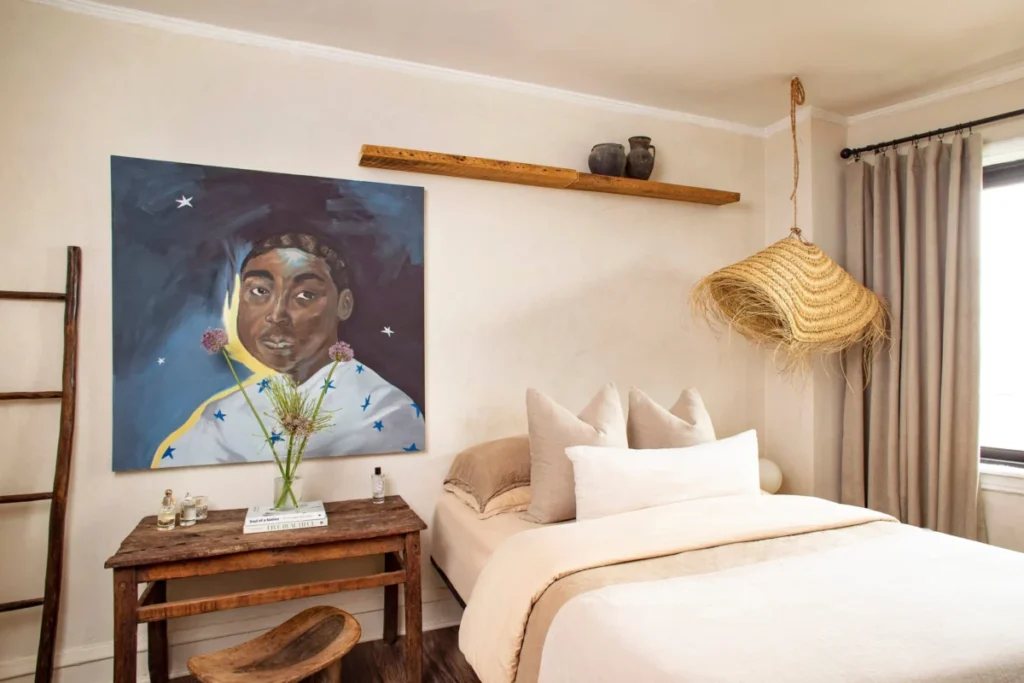

The global home textile market has witnessed a significant paradigm shift over the last decade, transitioning from a reliance on high-thread-count cotton to the increasingly popular and durable medium of linen. Historically associated with coastal retreats and summer-specific usage, linen—a textile derived from the resilient flax plant—has emerged as a year-round staple in modern interior design. This transition is driven by a combination of aesthetic versatility, ranging from the minimalist Scandinavian style to the intricate "cottagecore" movement, and the superior functional properties of the fabric, including exceptional breathability and moisture-wicking capabilities. As the industry enters 2025, the market for linen bedding has matured, offering consumers an unprecedented array of price points, technical specifications, and artisanal designs that cater to diverse sleep profiles and decorative preferences.
The Rise of Linen in the Modern Sleep Economy
The ascent of linen within the mainstream bedding market can be attributed to several converging factors: the growth of direct-to-consumer (DTC) business models, a heightened consumer focus on sustainable materials, and a shift in aesthetic values toward "relaxed luxury." Unlike cotton, which often requires chemical-heavy processing and significant water consumption, flax is a hardy crop that thrives in temperate climates with minimal irrigation. This environmental profile has made linen the preferred choice for eco-conscious consumers seeking organic and biodegradable home goods.
Furthermore, the physical properties of linen fibers provide a unique set of benefits for thermoregulation. The hollow structure of the flax fiber allows for high air permeability, which facilitates the rapid evaporation of moisture. This makes linen an ideal choice for "hot sleepers" or individuals living in fluctuating climates. While traditional linen was often criticized for an initial coarse texture that required years of use to soften, modern manufacturing techniques, such as stonewashing and garment-washing, now allow manufacturers to deliver "heirloom-soft" sheets directly from the first wash.
A Chronology of the Linen Bedding Revolution
To understand the current state of the market, it is essential to trace the timeline of linen’s integration into the contemporary home.
- Pre-2010: The Niche Era. High-quality linen was largely restricted to luxury European boutiques and heritage brands. Prices remained prohibitively high for the average consumer, and the aesthetic was strictly traditional.
- 2012–2016: The DTC Disruption. The emergence of bedding startups began to democratize luxury textiles. Brands like Brooklinen and Parachute introduced linen collections that bypassed traditional retail markups, bringing the material to a younger, urban demographic.
- 2017–2021: The Aesthetic Explosion. The rise of social media platforms fueled the popularity of the "lived-in" look. Linen’s natural propensity to wrinkle became a sought-after design feature rather than a flaw. This period saw the birth of the "cottagecore" and "maximalist" trends, where brands like Piglet in Bed introduced patterns like gingham and florals into the linen space.
- 2022–2025: Technical Refinement. The focus has shifted toward technical specifications such as Grams per Square Meter (GSM) and certifications like Oeko-Tex Standard 100. Brands are now iterating on their original designs to improve durability and initial softness, as evidenced by Brooklinen’s 2025 revamp of its core linen line.
Comparative Analysis of Market Leaders
A comprehensive evaluation of the current marketplace reveals several key players that have set the standard for quality, affordability, and design.
The Standard for Customization: Piglet in Bed
United Kingdom-based Piglet in Bed has established itself as a leader in the "pure linen" category. Their Heritage Mix & Match Bundle is notable for its substantial weight and durability. Industry experts and testers have consistently noted that Piglet’s 100% European flax material maintains its structural integrity even after multiple years of laundering, resisting common issues such as pilling or frayed threading. Their strategy involves offering a vast palette of patterns—including botanical greens and desert sands—allowing consumers to create maximalist or traditional English cottage aesthetics.
Innovation in Breathability: Brooklinen
Brooklinen’s 2025 update to its Washed Linen Core Sheet Set represents a significant investment in textile engineering. By focusing on a lower GSM, the brand has created one of the most breathable sets on the market. Testers have compared the texture to a favorite vintage linen shirt—soft, lightweight, and possessing a gentle drape. While deeper colors in this line may experience slight fading over time, the Oeko-Tex Standard 100 certification ensures that the product is free from harmful chemicals, a critical factor for consumers with sensitive skin.
The Value Proposition: Quince
Quince has disrupted the market by offering a 100% European flax set at a price point significantly lower than its competitors. By utilizing a midweight garment-wash process, Quince provides an entry-level luxury experience that appeals to the "Mediterranean-minimalist" aesthetic. While these sheets may not match the extreme softness of high-end heirloom options initially, they represent a significant value-to-quality ratio that has made linen accessible to a broader audience.
Artisanal and Heavyweight Options: Linoto and Erica Tanov
For consumers seeking specialized products, brands like Linoto and Erica Tanov offer distinct alternatives. Linoto, which manufactures its products in upstate New York using Italian and Belgian flax, focuses on a heavyweight construction (reaching up to 210 GSM). This makes their sets particularly suitable for colder climates or individuals who prefer a more substantial, "pressed" feel to their bedding. Conversely, Erica Tanov targets the high-end artisan market with Palestinian-inspired embroidery and Tree of Life motifs. These products are viewed more as "textile art" than mere utility items, emphasizing the cultural and historical weight of linen as a medium.
Technical Specifications: Understanding GSM and Fiber Origin
The quality of a linen sheet set is determined by two primary metrics: the origin of the flax and the weight of the fabric.
The European Flax Standard
The majority of premium linen brands source their fibers from the "flax belt" of Western Europe, stretching through France, Belgium, and the Netherlands. The specific climatic conditions of this region—alternating rain and sun with rich soil—produce the long-staple fibers necessary for high-tenacity yarn. Sheets labeled as "100% European Flax" are generally superior in terms of longevity and softness compared to linen sourced from other regions.
Deciphering GSM (Grams per Square Meter)
GSM is the standard measure of fabric density. In the linen market, this typically ranges from 150 to over 200.
- 150–170 GSM: Lightweight and ideal for hot sleepers or peak summer months.
- 170–190 GSM: Midweight and considered the "all-season" standard for most households.
- 200+ GSM: Heavyweight, providing a cozy, comforting feel suitable for winter or colder climates.
Industry Implications and Sustainability
The shift toward linen reflects a broader movement within the home goods sector toward "slow consumption." Unlike synthetic microfiber or low-grade cotton, which may need to be replaced every 12 to 24 months, high-quality linen is designed to last for decades. This "heirloom" quality aligns with global sustainability goals by reducing textile waste.
Market analysts suggest that the demand for organic and sustainably sourced bedding will continue to grow at a Compound Annual Growth Rate (CAGR) of approximately 5-7% over the next five years. This growth is expected to drive further innovation in linen blends—such as linen-Tencel or linen-cotton—aimed at combining the cooling properties of flax with the immediate softness of other fibers. However, for the purist, 100% European flax remains the undisputed gold standard.
Conclusion: Designing the Modern Sanctuary
As consumers increasingly view the bedroom as a sanctuary for health and wellness, the choice of bedding has moved beyond mere aesthetics. The modern shopper demands a product that is environmentally responsible, technically proficient, and stylistically versatile. The current market for linen sheets successfully meets these demands, offering a range of options that prove that a "relaxed" look can still be inherently luxurious. Whether through the bold, handmade saturated hues of Linoto or the crisp, hotel-like floral patterns of Lulu and Georgia, linen has solidified its place as the definitive fabric of the contemporary home. Through rigorous real-world testing and a commitment to material transparency, the industry has ensured that the "best" linen sheets are no longer a luxury reserved for the few, but a sustainable comfort available to all.