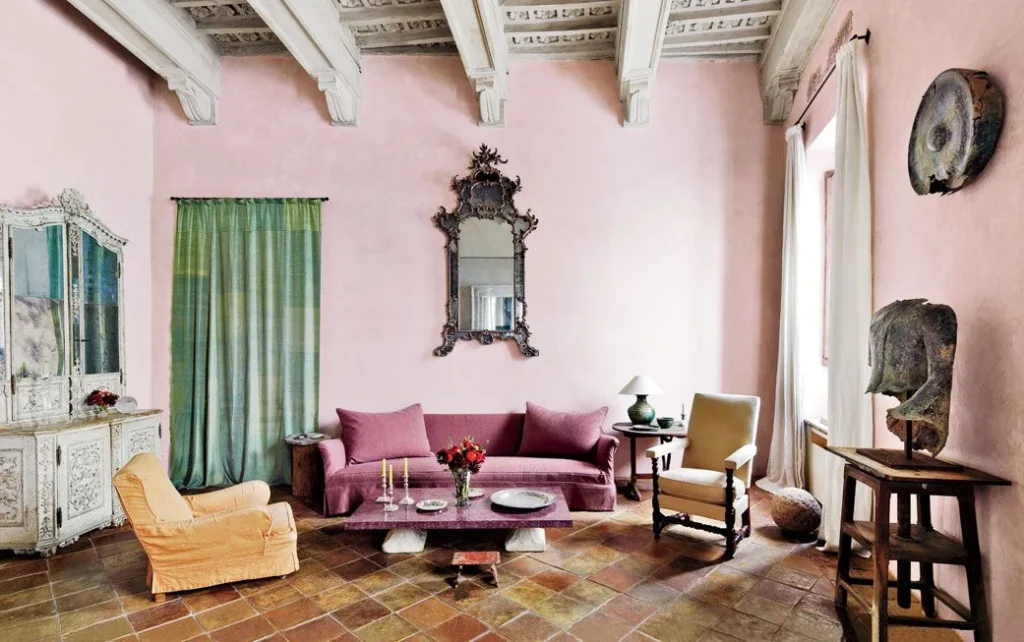

The surfaces that define the boundaries of our living spaces—our walls—are often the most overlooked contributors to long-term health outcomes. While interior design has historically focused on aesthetics, a growing body of scientific evidence and consumer awareness is shifting the paradigm toward "low-tox" living. Central to this movement is the re-evaluation of architectural coatings. Traditional paints, while convenient and affordable, have been identified as significant sources of indoor air pollution. Even after the initial "new paint smell" dissipates, conventional formulas can continue to off-gas volatile organic compounds (VOCs) for months or even years. These chemicals have been linked by the Environmental Protection Agency (EPA) and various health organizations to a range of debilitating conditions, including respiratory distress, organ damage, nervous system impairment, and reproductive issues. As the non-toxic paint industry matures, it is providing homeowners and designers with sophisticated alternatives that prioritize human biology without compromising on durability or visual appeal.
The Chemistry of Indoor Air Quality and the VOC Crisis
To understand the necessity of non-toxic paint, one must first examine the chemical composition of standard architectural coatings. Traditional latex and oil-based paints rely on solvents to keep the pigment and binder in a liquid state. As the paint dries, these solvents evaporate, releasing VOCs into the air. Common VOCs found in paint include benzene, formaldehyde, and toluene—substances recognized as carcinogens or neurotoxins.
The health implications are far-reaching. Short-term exposure often manifests as headaches, dizziness, and eye irritation, frequently dismissed as temporary discomfort from a home renovation. However, the long-term "chronic" off-gassing is more insidious. Studies indicate that indoor air can be two to five times more polluted than outdoor air, largely due to the materials used in construction and finishes. For vulnerable populations, including infants, the elderly, and those with pre-existing respiratory conditions like asthma, the impact of these airborne chemicals is significantly magnified. The transition to non-toxic alternatives is not merely a design preference but a critical intervention in public health.
A Chronology of Paint Safety and Regulation
The journey toward safer indoor environments has been marked by several key regulatory milestones. Understanding this timeline provides context for the current "low-tox" movement:
- Pre-1978: Lead-based paints were standard in residential construction. Lead, a potent neurotoxin, was eventually banned for residential use in the United States in 1978 after decades of advocacy regarding its impact on childhood development.
- 1990s: The Clean Air Act Amendments began to place stricter limits on the VOC content of industrial and architectural coatings, primarily to reduce smog and outdoor air pollution.
- 2000s: The emergence of "Low-VOC" paints occurred as major manufacturers responded to increasing consumer demand for "greener" products. However, these standards often only accounted for VOCs before tinting; adding color pigments frequently reintroduced high levels of toxins.
- 2010–Present: The "Zero-VOC" and "Bio-based" revolution took hold. Independent certifications like Green Seal and GREENGUARD Gold became the benchmarks for safety, pushing the industry to look beyond petroleum-based synthetics toward mineral and plant-derived chemistry.
Categorizing Non-Toxic Alternatives: Bio-Based vs. Mineral
The modern marketplace for healthy paints is generally divided into two primary categories: bio-based and mineral-based formulas. Each offers distinct advantages in terms of application, finish, and chemical profile.
The Rise of Bio-Based Paints
Bio-based paints represent a direct evolution of traditional paint technology, substituting petroleum-derived binders with renewable raw materials. Common ingredients include plant resins, casein (milk protein), clay, and vegetable oils. According to Jonsara Ruth, cofounder of the Parsons Healthy Materials Lab, these paints are often the easiest "swap" for homeowners used to conventional products because they behave similarly in terms of viscosity and coverage.

However, the industry remains transparent about the limitations of some bio-based options. While they significantly reduce VOC emissions, some formulas may still require small amounts of biocides to prevent spoilage or stabilizers to maintain shelf life. Despite this, their biodegradability and use of renewable resources make them a cornerstone of sustainable design. Key players in this sector include:
- Ottosson Paint: A Swedish heritage brand specializing in linseed oil paints. Their products are lauded for their deep penetration into surfaces and historical authenticity.
- Rubio Monocoat: Primarily known for wood stains, their molecular bonding technology eliminates the need for multiple coats and high-solvent finishes, providing a durable, plant-based alternative for interior timber.
- Brouns & Co: An English firm that has revitalized the use of linseed oil for both interior and exterior applications, emphasizing the longevity and breathability of natural oils.
The Superiority of Mineral and Silicate Paints
For those seeking the absolute lowest VOC profile, mineral paints are often the gold standard. These coatings are composed of inorganic earthen materials, often using potassium silicate (water glass) as a binder. Unlike latex paint, which forms a plastic-like film over a wall, mineral paint undergoes a chemical reaction with the substrate (petrifaction), becoming part of the wall itself.
Mineral paints are naturally alkaline, making them inherently resistant to mold and mildew without the need for toxic fungicides. Alicia Storie, founder of the eco-friendly design studio AdesignStorie, notes that zero-VOC mineral paints protect human health long after the drying period. Leading recommendations from industry experts like Jamie Drake include:
- Alkemis Paint: A modern brand that combines mineral technology with a vast palette of sophisticated colors.
- Keim: A German powerhouse with over 140 years of history. Keim’s silicate paints are famous for their extreme durability and "breathability," which allows moisture to escape from walls, preventing structural decay.
- Benjamin Moore EcoSpec: A major commercial offering that provides a zero-VOC, zero-emissions solution accessible to a broader market.
Limewash: The Return of Ancient Wisdom
Limewash is perhaps the oldest "non-toxic" paint in human history, and it is currently experiencing a massive resurgence in high-end interior design. Made from crushed limestone that has been fired and mixed with water, limewash is a simple, carbon-neutral coating.
Its aesthetic is unmistakable—a soft, matte, mottled finish that diffuses light in a way that synthetic paints cannot replicate. Because it is highly breathable and chemically simple, it is often touted as the "healthiest" option available. Designers such as Justina Blakeney and Martha Hunt have popularized its use in residential settings, while photographers like Douglas Friedman have launched specialized lines like Color Atelier to meet the demand for Texas-inspired, earthy tones.
Expert recommendations for limewash often point toward Earthhaus, which sources all natural pigments within the United States, and Domingue, known for producing smooth, elegant surfaces that feel more like stone than paint.
Comparative Analysis: Cost, Ease of Use, and Health Impact
When transitioning to non-toxic paints, consumers must weigh the initial investment against long-term benefits.

| Paint Type | Average Cost (per Gallon) | Ease of Application | Health Rating |
|---|---|---|---|
| Traditional Latex | $25 – $50 | Very High | Low (High VOCs) |
| Bio-Based | $40 – $90 | High | High (Low VOCs) |
| Limewash | $50 – $70 | Moderate (Requires 2+ coats) | Excellent (Zero VOCs) |
| Silicate/Mineral | $70 – $100 | Moderate (Requires specific primers) | Excellent (Zero VOCs) |
While the upfront cost of mineral or premium bio-based paint can be double that of entry-level conventional paint, proponents argue that the "health tax" of traditional paint is far higher. The durability of mineral paints, which can last decades without peeling, also provides a superior return on investment compared to latex paints that require frequent refreshing.
Expert Reactions and Industry Implications
The shift toward non-toxic coatings has prompted reactions across the construction and design sectors. Architects are increasingly incorporating "Health Product Declarations" (HPDs) into their specifications, demanding full transparency from manufacturers regarding chemical ingredients.
"We are seeing a move away from ‘greenwashing’ toward radical transparency," says a representative from the Healthy Materials Lab. "It’s no longer enough to say a paint is ‘green.’ We want to know exactly what is in the bucket and how it affects the person sleeping in that room."
Furthermore, the rise of these products is influencing the broader chemical industry. As consumer demand for plant-based resins and natural pigments grows, the supply chains for petroleum-based paint components are facing unprecedented pressure to innovate or risk obsolescence.
The Future of Healthy Homes
The movement toward non-toxic paint is a significant subset of the broader "Low-Tox Living" philosophy, which seeks to minimize the chemical load in our daily environments. As we spend upwards of 90% of our time indoors, the composition of our walls is a primary determinant of our "exposome"—the total sum of environmental exposures over a lifetime.
The future of the industry likely lies in the hybridization of ancient materials and modern performance. We can expect to see more mineral-based coatings that are as easy to apply as traditional latex, and bio-based formulas that eliminate the need for even trace amounts of biocides. For the modern homeowner, the message is clear: the most effective way to design a healthier home is to start with the largest surface area available. By choosing paints that work with human biology rather than against it, the design community is reclaiming the home as a sanctuary for wellness.