
The digital media landscape has undergone a profound transformation over the last two decades, shifting from centralized traditional publishing houses to a decentralized ecosystem where independent voices command significant cultural authority. Among the most enduring entities in this space is Tom and Lorenzo, an independent media platform that has operated continuously from 2006 through 2025. The operational framework of such a platform, as evidenced by its legal disclosures and archival management, provides a comprehensive case study in the sustainability of independent digital journalism, the complexities of intellectual property in the age of streaming, and the rigorous compliance standards required in a globalized internet economy.
The Inception and Strategic Growth of Independent Cultural Criticism
The emergence of Tom and Lorenzo (TLo) in 2006 coincided with the "Golden Age of Blogging," a period when digital platforms began to challenge the hegemony of print magazines in the realms of fashion, television, and film criticism. Originally gaining prominence through detailed recaps of reality television—most notably the fashion competition series "Project Runway"—the site successfully transitioned from a niche fan-based blog into a professionalized media outlet. This transition necessitated a sophisticated approach to branding and legal protection, as reflected in the platform’s comprehensive copyright assertions and disclaimers.
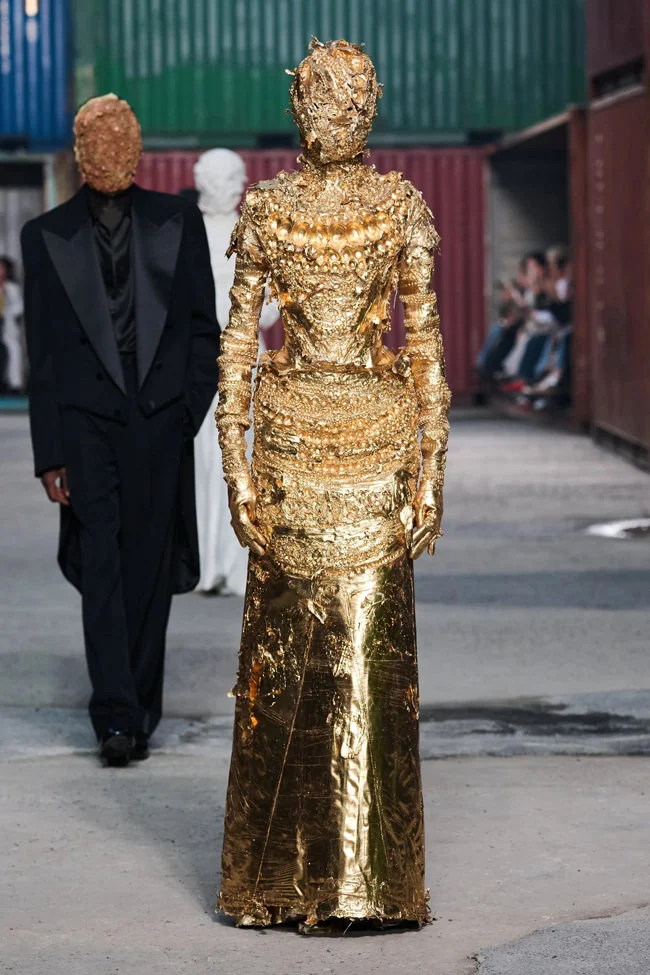
By 2025, the platform has maintained its relevance by diversifying its content to include red-carpet analysis, costume design critique, and social commentary. The longevity of the site is notable in an industry characterized by high turnover and "pivot-to-video" failures. Industry data suggests that independent publishers who prioritize high-quality, long-form written content and community engagement often see higher retention rates than those relying solely on algorithmic trends.
Legal Frameworks and the Protection of Intellectual Property
A critical component of the platform’s operational structure is its detailed legal disclaimer and copyright notice. The assertion of rights from 2006 to 2025 highlights the importance of intellectual property (IP) retention for independent creators. In the digital environment, content scraping and unauthorized reproduction are pervasive; therefore, clear "Terms and Conditions of Use" are essential for maintaining the commercial viability of a media brand.
Furthermore, the platform explicitly states its non-affiliation with major media conglomerates. The list of entities—including ABC, Amazon Prime, AMC, Apple TV+, BBC, Bravo, CBS, CW, Fox, FX, HBO, HBO Max (now Max), Hulu, Lifetime, Logo, NBC, Paramount Plus, PBS, Showtime, Starz, Sundance, TNT, and VH1—demonstrates the vastness of the modern entertainment landscape. By distancing itself from these networks, the platform reinforces its position as an objective critic. This separation is vital for journalistic integrity, ensuring that reviews of streaming content and television series are not perceived as sponsored content or corporate propaganda.
The disclaimer regarding visual content is equally significant. Independent fashion and entertainment sites rely heavily on promotional stills and red-carpet photography. The explicit statement that the site "claims no credit for any images featured… unless otherwise noted" serves to mitigate liability under the Digital Millennium Copyright Act (DMCA). This practice is standard among professional digital outlets that utilize third-party visual assets under fair use or license agreements.
Chronology of Development (2006–2025)
The timeline of Tom and Lorenzo’s evolution mirrors the broader history of the internet’s commercialization:
- 2006–2009: The platform is established under the name "Project Rungay," focusing primarily on the cultural phenomenon of "Project Runway." It gains early traction for its "bitterly fabulous" tone and deep-dive analysis.
- 2010: A major rebranding occurs as the site transitions to "Tom and Lorenzo" (TLo). This move allows the founders to expand their scope beyond a single television show into a broader cultural critique.
- 2011–2015: The site enters its peak growth phase, with the founders publishing books and appearing as experts on major news networks. The introduction of the "Werq or Move On" and "International Red Carpet" features solidifies their status in the fashion world.
- 2016–2020: The platform adapts to the "streaming wars." As networks like Netflix, Amazon Prime, and Hulu began dominating the cultural conversation, the site expanded its coverage to include costume design analysis for prestige dramas.
- 2021–2025: The site navigates the post-pandemic media landscape, emphasizing digital privacy compliance (GDPR and Cookie Policies) and strengthening its archival systems to preserve nearly two decades of cultural commentary.
Data and Economic Context of Independent Publishing
The survival of independent media outlets is increasingly dependent on a "multi-revenue" model. While traditional banner advertising remains a component, the industry has seen a shift toward affiliate marketing, sponsored partnerships, and direct reader support.
Data from the 2023 Digital News Report suggests that while trust in mainstream media has fluctuated, "personality-driven" independent outlets have maintained a loyal base. For a site like Tom and Lorenzo, the "Archives" section mentioned in their footer represents a significant asset. Digital archives serve as a historical record of fashion trends and television history, providing long-tail SEO (Search Engine Optimization) value that generates consistent traffic years after an article’s initial publication.
Moreover, the requirement for a "Cookie Policy" and "Privacy Policy" highlights the regulatory burdens placed on small publishers. Since the implementation of the General Data Protection Regulation (GDPR) in the European Union and the California Consumer Privacy Act (CCPA) in the United States, independent sites must invest in legal compliance to avoid heavy fines. The presence of these links on the platform indicates a professionalized back-end infrastructure that aligns with international standards.
Industry Responses and Cultural Impact
The impact of independent critics on the fashion and entertainment industries is well-documented. Publicists and costume designers have frequently engaged with independent outlets to reach a more informed and passionate audience. Industry analysts note that "the TLo effect" can often drive social media engagement for specific red-carpet looks or television costumes, influencing the broader narrative surrounding a project.
Reactions from the industry have been largely positive, recognizing that independent critics provide a level of detail and historical context that general news outlets often lack. By focusing on the "semiotics of fashion"—what a person’s clothes say about their character or brand—independent platforms have elevated the discourse around celebrity culture.
However, the "Disclaimer" also serves as a shield against the litigious nature of the entertainment industry. By clearly stating that they are "in no way responsible for, or have control of, the content of any external website links," the publishers protect themselves from the volatility of the web. This is a necessary precaution in an era where third-party sites frequently change ownership or content.
Broader Implications for the Future of Media
The operational model of Tom and Lorenzo from 2006 to 2025 underscores several key trends for the future of digital journalism:
- Specialization over Generalization: Outlets that focus on a specific niche (e.g., the intersection of fashion and television) are more likely to survive than general news aggregators.
- Legal Resilience: As copyright laws evolve in response to Artificial Intelligence and automated content generation, the rigorous assertion of "All Rights Reserved" and clear attribution will become even more critical for human creators.
- Direct-to-Consumer Relationships: The move toward "About," "Press," and "Contact" pages reflects a desire for transparency and direct communication with both the audience and industry stakeholders.
- Archival Value: As digital content becomes more ephemeral, platforms that maintain accessible and well-organized archives will become primary sources for future cultural historians.
In conclusion, the formal structure of an independent media site—ranging from its copyright notices to its non-affiliation disclaimers—is not merely "boilerplate" text but a vital blueprint for digital survival. The longevity of Tom and Lorenzo illustrates that with a combination of niche expertise, legal diligence, and adaptability to new technologies (such as the shift from cable to streaming services like Max and Paramount Plus), independent voices can maintain a permanent and influential seat at the table of cultural discourse. As the media landscape continues to consolidate, the presence of such independent, self-governed archives remains essential for a diverse and critical public sphere.