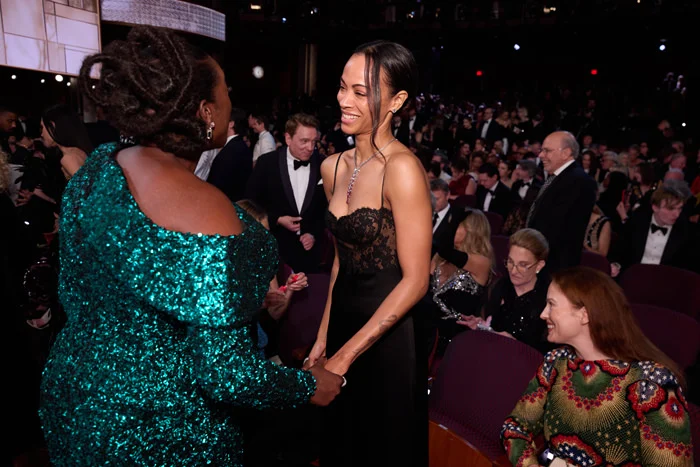

The landscape of digital media and independent cultural criticism has undergone a profound transformation between 2006 and 2025, transitioning from a nascent collection of personal blogs to a sophisticated industry governed by complex intellectual property laws and rigorous ethical standards. Within this ecosystem, independent entities such as the Tom & Lorenzo platform have established a framework for long-form commentary that balances creative expression with the legal requirements of the modern internet. This evolution reflects broader shifts in how media is consumed, the legal protections afforded to digital creators, and the critical boundaries maintained between independent critics and the multi-billion dollar entertainment conglomerates they cover.
The Foundation of Independent Media Rights and Intellectual Property
The digital era has necessitated a robust approach to copyright and intellectual property management. For independent media outlets operating since the mid-2000s, the protection of original content has become a cornerstone of business sustainability. The assertion of copyright—specifically spanning from 2006 to the present year of 2025—highlights a commitment to the preservation of a vast archive of cultural analysis. In the context of digital journalism, these protections are governed by the Digital Millennium Copyright Act (DMCA) and international intellectual property treaties that ensure creators maintain control over their "visual content" and written narratives.
The standard legal disclaimer utilized by independent outlets serves a dual purpose: it protects the creator’s original work while explicitly disclaiming ownership of promotional materials. Most digital fashion and television critics rely on high-quality imagery provided by production studios or news agencies. By stating that the site "claims no credit for any images featured" and that "all visual content is copyrighted to its respective owners," independent journalists navigate the "Fair Use" doctrine. This doctrine allows for the use of copyrighted material for purposes such as criticism, comment, and news reporting, provided the usage does not infringe upon the market value of the original work.
Chronology of the Digital Media Revolution (2006–2025)
The timeline of independent digital journalism can be divided into several distinct phases that mirror the technological advancements of the 21st century:
- 2006–2010: The Golden Age of Blogging. This period saw the rise of independent voices who utilized platforms like Blogger and WordPress to challenge traditional print media. It was during this time that the foundations for modern digital ethics were laid, as creators moved from hobbyists to professional commentators.
- 2011–2015: The Integration of Social Media. As platforms like Twitter and Instagram emerged, independent sites had to adapt their content delivery. This era introduced the necessity for clear privacy policies and terms of use as user data began to play a larger role in digital publishing.
- 2016–2020: The Streaming Explosion. The proliferation of platforms such as Netflix, Amazon Prime, and Hulu changed the nature of television criticism. Critics were no longer just reviewing network television but were navigating a globalized content market.
- 2021–2025: Consolidation and Compliance. The current era is defined by the consolidation of media giants (e.g., the transition from HBO to Max, the growth of Paramount Plus) and stricter global regulations regarding data privacy, such as the General Data Protection Regulation (GDPR) and the California Consumer Privacy Act (CCPA).
Supporting Data: The Economic Impact of Independent Journalism
The growth of independent digital media is supported by significant market data. According to industry reports from 2023 and 2024, the global digital advertising and publishing market is projected to reach over $700 billion by 2026. Independent creators who maintain a dedicated niche—such as fashion and television criticism—account for a growing percentage of this market.
Data from the Pew Research Center indicates that nearly 86% of Americans receive their news and commentary through digital devices. For independent outlets, this shift has meant that maintaining a professional "Terms and Conditions of Use" and a transparent "Privacy Policy" is not merely a legal suggestion but a requirement for maintaining advertiser trust and reader loyalty. Furthermore, the rise of affiliate marketing and "cookie policies" has allowed independent sites to monetize their content without relying solely on traditional corporate sponsorships, thereby maintaining their critical independence.
Navigating Corporate Affiliations and Journalistic Integrity
A critical component of the modern media landscape is the explicit dissociation from major entertainment conglomerates. The Tom & Lorenzo site, for instance, maintains a comprehensive list of non-affiliation, covering nearly every major player in the entertainment industry: ABC, Amazon Prime, AMC, Apple TV+, BBC, Bravo, CBS, CW, Fox, FX, HBO, HBO Max, Hulu, Lifetime, Logo, Max, NBC, Paramount Plus, PBS, Showtime, Starz, Sundance, TNT, and VH1.
This "disclaimer of affiliation" is essential for journalistic integrity. In an era where "sponsored content" and "influencer marketing" often blur the lines between objective review and paid promotion, a clear statement of independence ensures the audience that the critiques provided are not influenced by the studios. This is particularly relevant in the fashion industry, where the "red carpet" serves as a primary marketing tool for both designers and film studios. By remaining independent, critics can provide honest assessments of celebrity styling and costume design without fear of violating corporate contracts.
The Role of Privacy and User Protection in the Digital Age
As digital platforms have become more sophisticated, the legal requirements for protecting user information have intensified. Modern news sites must provide clear "Cookie Policies" and "Privacy Policy Disclosures" to inform readers about how their data is being tracked and utilized. This is a response to the increasing prevalence of data harvesting and the subsequent legislative crackdowns by governments worldwide.
The inclusion of these policies signifies a transition from the "Wild West" of early 2000s blogging to a professionalized industry. For an independent site to survive to 2025, it must demonstrate a commitment to user security. This includes providing accessible contact information for rights holders who wish to have content removed, a practice that fosters a cooperative rather than adversarial relationship between creators and copyright owners.
Broader Impact and Implications for the Future of Media
The survival and professionalization of independent outlets have significant implications for the future of media. First, it democratizes criticism. When independent sites can navigate the legal complexities of copyright and affiliation, they provide a necessary counter-narrative to corporate-owned media outlets.
Second, the structural evolution of these sites—moving from simple posts to comprehensive "Terms and Conditions" and "Press" sections—sets a standard for the next generation of digital creators. It proves that a "newsroom" does not need to be housed in a skyscraper in Manhattan to be legally compliant and professionally respected.
However, the rise of Artificial Intelligence (AI) and automated content scraping poses a new challenge for the 2025-2030 era. Independent sites are increasingly finding it necessary to update their "Terms of Use" to prevent their original archives from being used to train AI models without permission or compensation. This represents the next frontier in the battle for intellectual property rights in the digital space.
Official Responses and Industry Standards
While major networks like HBO, Max, and Disney+ rarely comment on individual fan-sites or independent blogs, their legal departments have historically set the tone for how "embedded streaming videos" and "external links" are managed. The industry standard has moved toward a "notice and takedown" system, where platforms are expected to act swiftly if copyright infringement is reported.
In response, professional independent outlets have established "Contact Us" protocols to handle these requests proactively. This self-regulation has allowed the independent media sector to thrive without the need for heavy-handed government intervention, provided that the outlets remain transparent about their sources and affiliations.
Conclusion: The Enduring Value of the Independent Voice
The legal and operational framework of a site like Tom & Lorenzo, established over nearly two decades, serves as a blueprint for the sustainability of independent digital journalism. By meticulously managing copyright, asserting independence from major networks, and adhering to modern privacy standards, such platforms ensure that the art of cultural criticism remains vibrant and autonomous. As the media landscape continues to consolidate into a few dominant streaming platforms, the role of the independent, legally-compliant critic becomes even more vital to the health of the global cultural discourse. The transition from 2006 to 2025 has proven that with the right legal protections and ethical commitments, the independent voice can not only survive but become an institutional pillar of the digital age.