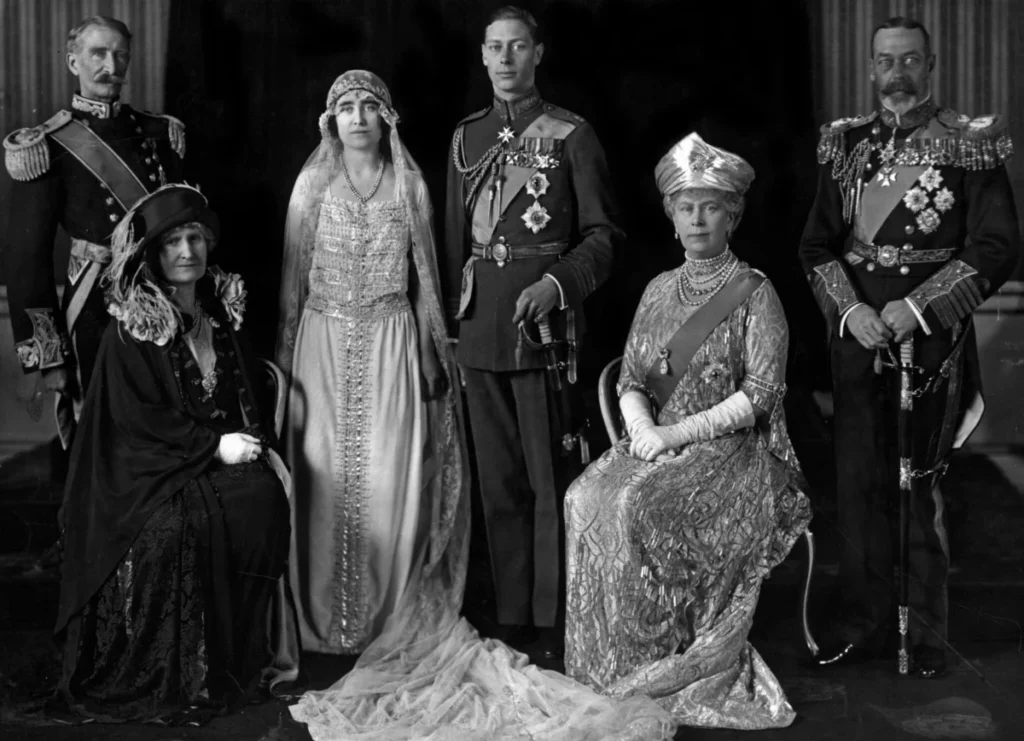

In the bustling heart of London during April 1926, a momentous event unfolded, marking the genesis of a royal narrative that would indelibly shape the 20th and 21st centuries. The arrival of a baby girl on April 21st, 1926, was not merely the birth of a new life, but the commencement of the extraordinary journey of Elizabeth II, who would ultimately become Britain’s longest-reigning monarch. At the time of her birth, she was the highly anticipated child of the second in line to the throne and his immensely popular wife. The prevailing expectation was not of a future sovereign, but the anticipation surrounding her arrival itself was palpable, capturing the public imagination much as royal news does today. As the world approaches the centenary of Queen Elizabeth II’s birth, Royal Central revisits the headlines of 1926, tracing the early chapters of a remarkable royal story.
A New Residence for the Duke and Duchess of York
The year 1926 saw a significant personal development for the Duke and Duchess of York: their decision to relocate their residence. While a formal announcement of the Duchess’s pregnancy was not customary at the time, it was an open secret that the couple was expecting. Early in 1926, newspapers had noted that Elizabeth, then 25 years old, had withdrawn from public engagements, with expectations that she would not resume official duties until the summer.
By April 1st, 1926, several publications reported on the royal couple’s impending move. They were preparing to take up residence at Number 17 Bruton Street, the London home of Elizabeth’s parents, the Earl and Countess of Strathmore. This move was seen as a practical and discreet arrangement to accommodate the growing family and prepare for the birth of their first child.
The Nottingham Evening Post, in its "Echoes from Town" column, provided confirmation of the royal relocation. The report described the Strathmore residence as "a rather unpretentious looking place, boasting the inevitable area and basement, but roomy enough within." It further noted that "the Duchess of York has selected her own room at the back of the house, well away from the noise of any traffic in the street." This subtle detail offered a clear indication to the readership, in the characteristic understated manner of the era, of the imminent arrival of a royal baby, the news of which was widely known yet discussed with a degree of circumspection.
Foreshadowing a Royal Milestone
Further hints of the impending event were discernible in the Newry Reporter on April 1st, 1926, where the Duke and Duchess of York’s change of address remained a topic of keen interest. The paper reported that "the Duke and Duchess of York will give up their tenancy of Curzon Street at Easter, after which they will take up their residence at 17 Bruton Street."

The article went on to suggest, "it is reasonable to assume that Their Royal Highnesses, making the move early in April, will certainly be in residence in Bruton Street on and after ‘the end of April or beginning of May,’ a period which has a special significance for them." This veiled reference to a "special significance" was the closest the press could come to indicating a due date, a practice that mirrored the contemporary royal approach of not divulging precise birth timelines.
This period marked a significant juncture in the lives of the Duke and Duchess of York, later King George VI and Queen Elizabeth The Queen Mother. Their marriage in 1923 had been a celebrated occasion, and the anticipation for their first child was immense. The relocation to Bruton Street was strategically chosen to provide a supportive and familiar environment for the Duchess during her pregnancy and the crucial period surrounding the birth. This was a common practice for many families, royal or otherwise, seeking the comfort of their parental home for the arrival of a new generation.
The Broader Royal Context of 1926
The year 1926 was a dynamic period for the British monarchy. King George V, Elizabeth II’s grandfather, was firmly established on the throne, and the nation was navigating the post-World War I era. The royal family, though often perceived as distant, played a vital symbolic role in national life, representing stability and tradition. The birth of any royal child was, therefore, an event of national interest, generating considerable public engagement and media coverage.
The Duke of York, Prince Albert (later King George VI), was the second son of King George V. While his elder brother, Edward, Prince of Wales, was the heir apparent, the Duke of York was steadily fulfilling his royal duties and building a public profile. His marriage to Lady Elizabeth Bowes-Lyon, a prominent Scottish aristocrat, was met with great enthusiasm. Their union brought a fresh vibrancy to the royal family, and the prospect of them starting their own family was a source of national joy.
The subtle reporting surrounding the Duchess’s pregnancy reflected the prevailing societal norms and the press’s relationship with the Royal Family. Direct pronouncements on such personal matters were less common, and journalists often relied on inference and carefully worded observations to convey information to the public. This approach fostered a sense of shared anticipation and allowed the public to feel involved in the unfolding royal narrative without intruding on privacy.
A Legacy Begins: The Birth of a Future Queen
The baby, as it transpired, had her own timetable. Less than three weeks after the period suggested by the press—at the cusp of April turning into May—the future Queen Elizabeth II made her grand entrance into the world. Her birth on April 21st, 1926, was a moment that, though not fully realized at the time, would resonate through history. She was the third grandchild of King George V and Queen Mary, and her arrival was celebrated with considerable joy.
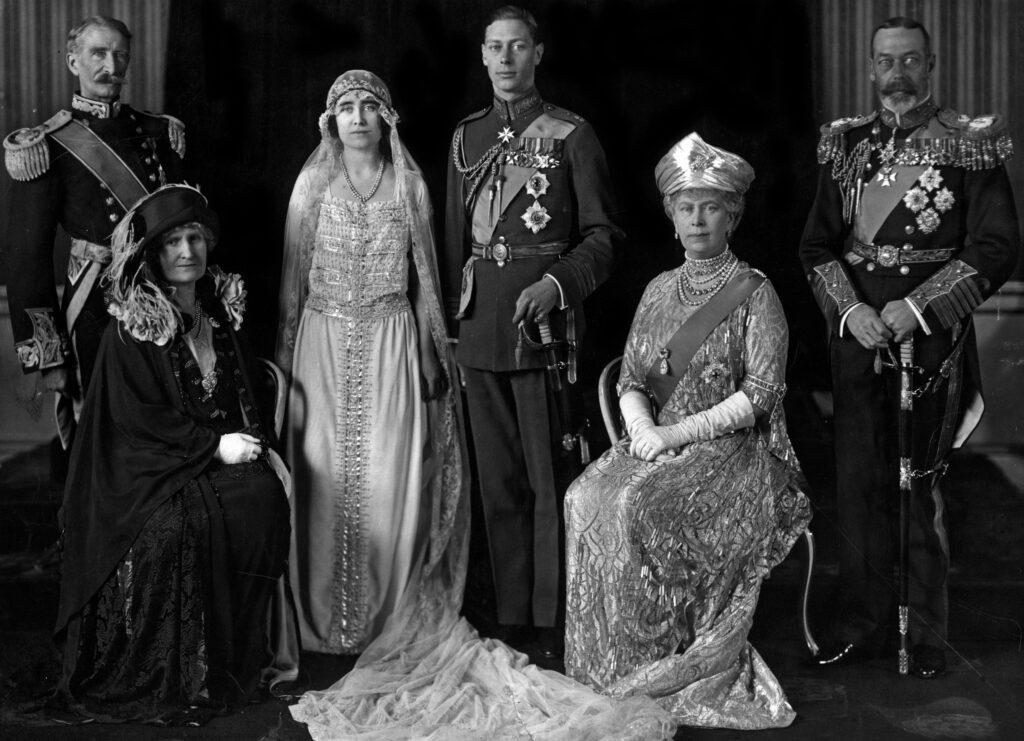
The significance of her birth was not immediately apparent in terms of her destined role. The line of succession placed her uncle, the Prince of Wales, first, followed by her father, the Duke of York. However, destiny had a different path charted for the young princess. The abdication of her uncle, Edward VIII, in 1936, and her father’s subsequent ascension to the throne as King George VI, propelled Princess Elizabeth into the position of heir presumptive. This unforeseen turn of events set her on a course to become the sovereign she was always destined to be, though the path was dramatically altered.
Reflecting on the Early Days of a Monarch
As Royal Central continues its countdown to the centenary of Queen Elizabeth II’s birth, the examination of these early 1926 headlines offers a unique window into a bygone era. The gentle anticipation, the discreet reporting, and the underlying affection for the Royal Family all paint a picture of a nation on the cusp of witnessing the genesis of one of its most enduring figures. The story of Elizabeth II began not with pronouncements of destiny, but with the quiet preparations for a new life within the walls of a London townhouse, a prelude to a reign that would witness unprecedented change and stand as a beacon of continuity. The anticipation surrounding her birth, though focused on a personal milestone, was unknowingly the first whisper of a profound legacy that would define a century.
The meticulous planning for her arrival, from the choice of residence to the careful wording in the press, underscores the importance placed on royal events, even those that appear, on the surface, to be personal. The move to 17 Bruton Street was more than just a change of address; it was a deliberate act to ensure comfort and privacy for the Duchess of York during a pivotal time. This detail, seemingly minor, highlights the intricate tapestry of royal life, where personal moments are often imbued with public significance.
The contrast between the subtle hints in the newspapers of 1926 and the instant, global dissemination of royal news in the present day is stark. It serves as a reminder of how communication and public engagement have evolved, yet the fundamental human interest in the lives of royalty, particularly during moments of new beginnings, remains a constant thread. The anticipation for the Duke and Duchess of York’s baby was a shared experience, a moment of collective hope and curiosity that bound the nation together.
The early life of Queen Elizabeth II, from her birth to her eventual accession, is a testament to the unexpected turns of fate and the unwavering dedication to duty. The events of April 1926, when she was simply a much-anticipated baby, laid the groundwork for a reign that would become synonymous with service, resilience, and an enduring connection to her people. The journey from a quiet London street to the throne is a narrative rich in historical context and personal significance, a story that continues to inspire and captivate a global audience. The approaching centenary provides a fitting occasion to reflect on these foundational moments and to celebrate the remarkable life of Queen Elizabeth II, a monarch whose story began with the gentle stirrings of expectation in the spring of 1926.