
In the spring of 1926, a quiet anticipation rippled through London and across the United Kingdom, a subtle undercurrent beneath the usual hum of royal news. It was a period marked by the familiar yet always exciting prospect of a new royal arrival, though at the time, few could have fathomed the profound historical significance that this impending birth would ultimately hold. On April 21st, 1926, a baby girl entered the world, an event that would set in motion one of the most remarkable and enduring royal narratives of the 20th century. This was the genesis of Queen Elizabeth II, a monarch destined to become the longest-reigning sovereign in British history, a figure synonymous with stability, duty, and an unwavering dedication to her nation.
At the time of her birth, the infant was the highly anticipated child of the second in line to the throne, Prince Albert, Duke of York, and his beloved wife, Elizabeth Bowes-Lyon. The path to the throne was not then a direct one; the immediate prospect of their daughter wearing the crown was far from a foregone conclusion. The reigning monarch was her paternal grandfather, King George V, and her uncle, Edward, Prince of Wales, stood ahead of her father in the line of succession. Nevertheless, the arrival of this new addition to the royal family was a matter of considerable public interest, a sentiment amplified by the pervasive influence of royal reporting in the era’s press. As the world approaches the centenary of Queen Elizabeth II’s birth, Royal Central delves into the newspaper headlines of 1926, seeking to reconstruct the atmosphere and the subtle hints that heralded the beginning of an extraordinary royal story.
A New Residence for the Duke and Duchess of York
The year 1926 saw a significant domestic shift for the Duke and Duchess of York. While the formality of announcing a royal pregnancy was not then the standard practice, it was an open secret that the Duchess was expecting. Early in the year, the press had noted the Duchess’s withdrawal from public engagements, with indications that her duties would likely not resume until the summer months. This quiet period of anticipation coincided with a planned relocation for the young royal couple.
On April 1, 1926, multiple newspapers carried reports confirming the couple’s imminent move. They were preparing to take up residence at Number 17 Bruton Street, a property that held a familial connection as the London home of the Duchess’s parents, the Earl and Countess of Strathmore. This move was strategically timed, offering a private and comfortable environment for the Duchess as her due date approached.
The Nottingham Evening Post, in its "Echoes from Town" column, provided a glimpse into the practicalities of their new abode. The report described the Strathmore residence as a "rather unpretentious looking place, boasting the inevitable area and basement, but roomy enough within." It also highlighted a personal detail: "The Duchess of York has selected her own room at the back of the house, well away from the noise of any traffic in the street." This seemingly innocuous detail served as a subtle nod to the expectant mother and the impending arrival, couched in the discreet language characteristic of the period. The press, while aware of the significant event, adhered to a convention of understated reporting when it came to personal matters of the Royal Family.
The Subtle Art of Royal Foreshadowing
The Newry Reporter, also on April 1, 1926, continued the theme of the Duke and Duchess’s domestic arrangements, further hinting at the deeper significance of their move. The paper stated, "the Duke and Duchess of York will give up their tenancy of Curzon Street at Easter, after which they will take up their residence at 17 Bruton Street." The report then added a crucial piece of veiled commentary: "it is reasonable to assume that Their Royal Highnesses, making the move early in April, will certainly be in residence in Bruton Street on and after ‘the end of April or beginning of May’, a period which has a special significance for them."
This carefully worded statement was as close as the press dared to come to specifying a due date, a practice that remains somewhat guarded by the Royal Family even today. While official due dates are rarely announced, there is usually a general understanding of the timeframe. In 1926, the astute observations of reporters allowed them to infer that the child, who would be the third grandchild for King George V and Queen Mary, was expected as April transitioned into May. The phrase "a period which has a special significance for them" was a clear, albeit indirect, reference to the Duchess’s pregnancy and the imminent birth.

The move to Bruton Street, therefore, was not merely a change of address; it was a strategic preparation for a momentous occasion. The property, belonging to the Duchess’s parents, provided a secure and familiar environment, away from the public gaze, allowing the Duchess to experience the final stages of her pregnancy in relative privacy. The choice of a room "well away from the noise of any traffic" underscored the desire for tranquility and comfort for the expectant mother.
Historical Context: The Winds of Change in the Monarchy
The birth of Princess Elizabeth in 1926 occurred at a pivotal moment in the evolution of the British monarchy. The preceding decades had witnessed significant shifts in societal structures and the public’s perception of royalty. The grandeur and perceived immutability of the monarchy were being tested by the rise of democratic ideals and a more informed, and at times critical, populace. The reign of King George V, which began in 1910, was marked by immense challenges, including World War I, the subsequent economic downturn, and the burgeoning independence movements within the British Empire.
In this context, the birth of a new royal child, especially one who was not an immediate heir, offered a sense of continuity and reassurance. While Princess Elizabeth was not destined for the throne at birth, her lineage placed her within the direct line of succession. The public’s interest in royal births was not just a matter of curiosity; it was a way of connecting with the institution of monarchy, providing a tangible symbol of its endurance and its future. The relatively discreet reporting surrounding the Duchess’s pregnancy and the upcoming birth reflected a delicate balance between public interest and the desire for royal privacy, a balance that has continued to evolve over the decades.
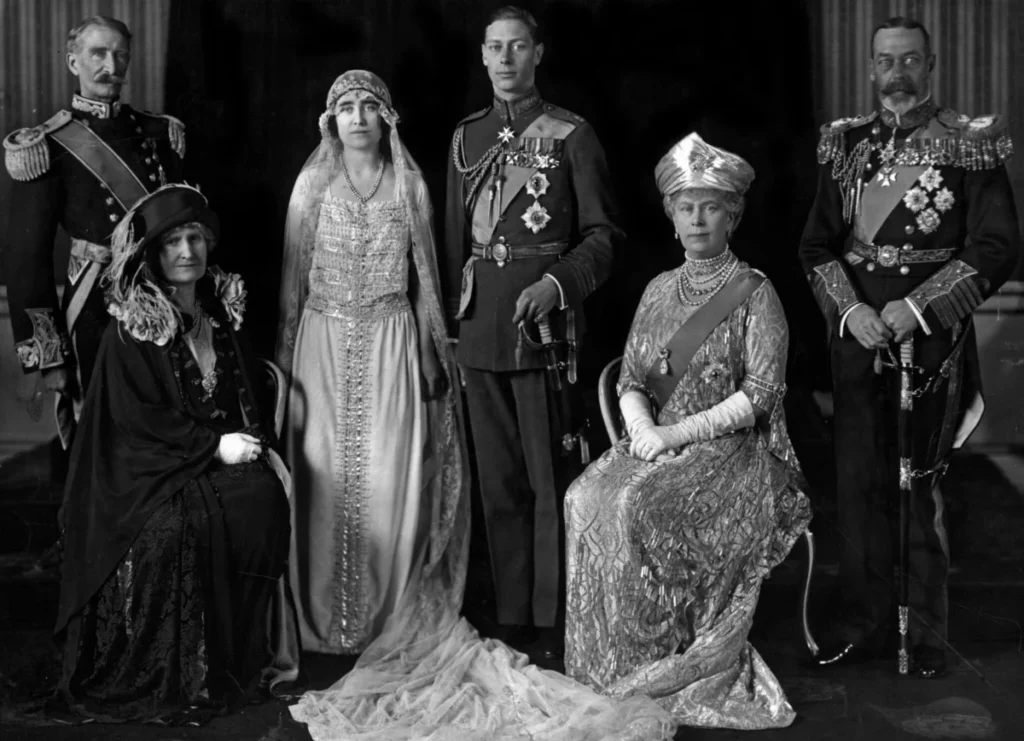
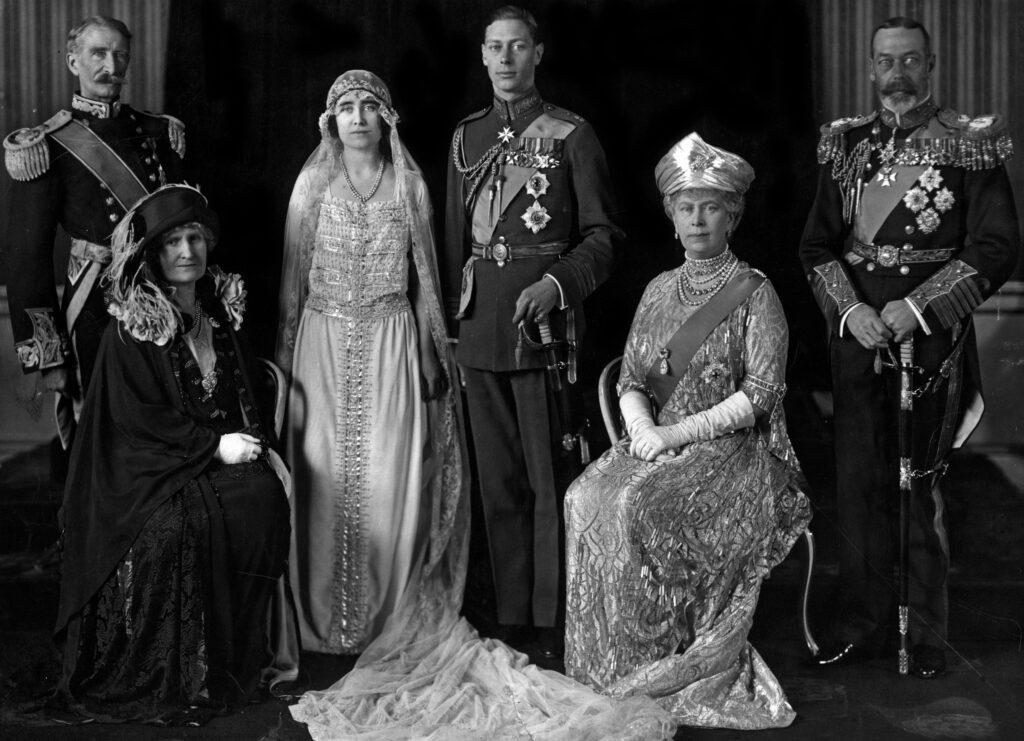
The Duke of York, Prince Albert, was known for his reserved nature and a notable stammer, which he worked diligently to overcome. His wife, Elizabeth Bowes-Lyon, was widely admired for her charm, grace, and social acumen. Their union, which took place in 1923, was seen as a positive development, offering a more approachable and relatable image of the royal family compared to the more distant persona of the Prince of Wales. The birth of their first child was therefore met with genuine warmth and public affection.
The Imminent Arrival: A Nation’s Quiet Expectation
The newspapers of early 1926 effectively painted a picture of a royal couple preparing for parenthood, using subtle hints and carefully chosen words to convey the impending event without explicit pronouncements. The mention of the Duchess’s withdrawal from public duties, her relocation to her parents’ home, and the pointed reference to a "special significance" for the end of April and beginning of May all served as clear signals to the discerning reader.
The absence of a definitive official statement regarding the due date was, and remains, a common royal protocol. This approach allows for flexibility and privacy during a personal and potentially sensitive time. However, the journalistic instinct and the careful gathering of information meant that the public was generally aware that a significant royal event was on the horizon. The anticipation was palpable, a testament to the enduring fascination with the Royal Family.
The Nottingham Evening Post’s description of the Bruton Street residence, focusing on the Duchess’s chosen room "well away from the noise of any traffic," subtly emphasized the need for a peaceful environment for an expectant mother. This detail, while seemingly minor, contributed to the narrative of a family preparing for a new arrival, highlighting the human element behind the royal titles.
A Royal Birth and Its Unforeseen Trajectory
The baby girl, as it would transpire, arrived on her own schedule, less than three weeks after the press began to strongly hint at her imminent arrival. Born at 17 Bruton Street on April 21, 1926, the infant was christened Elizabeth Angela Marguerite. Her birth was officially announced, and the public rejoiced in the arrival of the new princess.
The immediate implications of her birth were clear: she was a new member of the Royal Family, a granddaughter for the King. However, the long-term implications were far more profound and, at the time, entirely unforeseen. The abdication of her uncle, Edward VIII, in 1936, following his desire to marry Wallis Simpson, dramatically altered the line of succession. This unexpected turn of events placed her father, Prince Albert, on the throne as King George VI, and his elder daughter, Elizabeth, became the heir presumptive.
The subsequent ascension of Queen Elizabeth II to the throne in 1952, following the untimely death of her father, marked the beginning of her extraordinary reign. Her nearly 70-year tenure as monarch would witness immense social, political, and technological transformations. She navigated the post-war era, the decolonization of the British Empire, the challenges of the Cold War, and the evolving relationship between the monarchy and the public in the age of mass media.
Analysis: The Enduring Appeal of Royal Anticipation
The period leading up to the birth of Princess Elizabeth in 1926 offers a fascinating insight into the relationship between the British press, the Royal Family, and the public. The press, while bound by certain conventions of discretion, was adept at interpreting and reporting on royal events in a manner that satisfied public curiosity without compromising royal privacy. The use of subtle hints and indirect language was a hallmark of this era, a nuanced approach that allowed for the dissemination of information while maintaining an aura of formality.
The anticipation surrounding the birth was not merely about the arrival of a new individual; it was about the continuation of the monarchy, a symbol of stability in a rapidly changing world. The public’s engagement with royal news, as evidenced by the newspaper reports of 1926, underscores the enduring appeal of the monarchy as an institution that provides a sense of tradition, national identity, and continuity.
The story of Queen Elizabeth II’s birth is a poignant reminder that history is often shaped by unforeseen circumstances. The child born in a London townhouse in 1926, not expected to reign, would go on to become one of the most influential and respected figures of the modern era, a testament to her dedication, resilience, and unwavering commitment to service. The subtle whispers of anticipation in the spring of 1926 ultimately heralded the dawn of a reign that would define a century.
Our ongoing exploration of the formative years and significant milestones of Queen Elizabeth II’s life and reign continues.