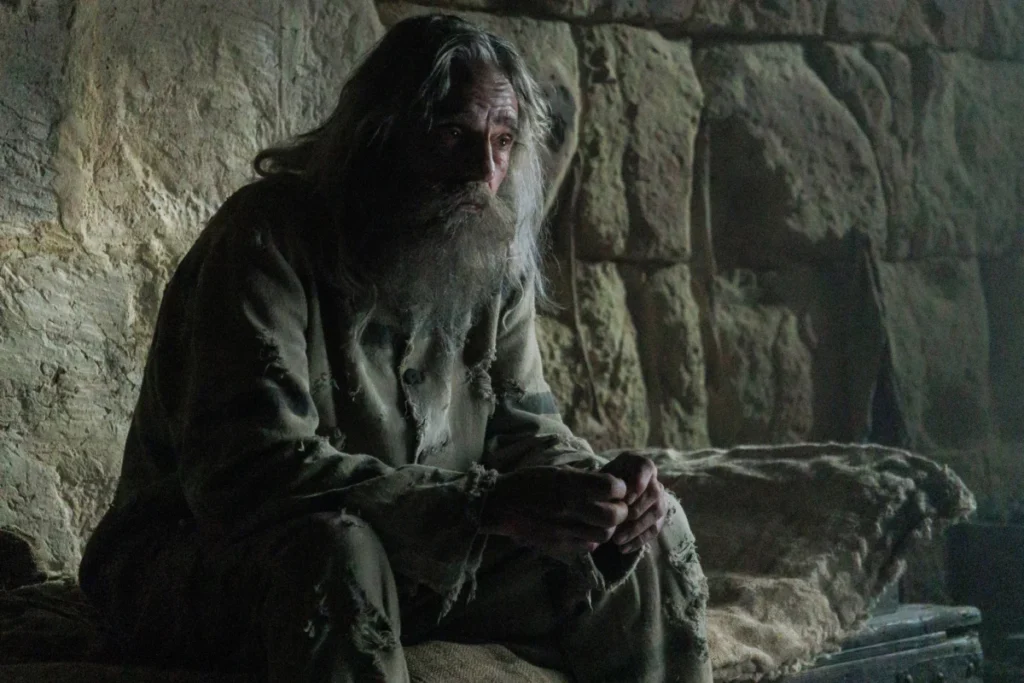

Jeremy Irons made a significant debut as the learned Abbé Faria in the second episode of PBS’s highly anticipated adaptation of The Count of Monte Cristo, airing Sunday, March 29th. The distinguished actor shared the screen with Sam Claflin, who embodies the protagonist Edmond Dantès, in this ambitious Masterpiece production based on Alexandre Dumas’ seminal novel. Episode 1 meticulously laid the groundwork for Dantès’ tragic downfall, culminating in his unjust arrest and subsequent incarceration within the formidable Château d’If. Episode 2, however, compresses over fifteen years of Edmond’s life, delving into the profound impact of his imprisonment and the pivotal relationship he forged with Abbé Faria. The series, a faithful rendition of Dumas’ classic tale, has captivated audiences with its dramatic pacing and stellar performances.
A Glimmer of Hope in the Darkness: The Arrival of Abbé Faria
Titled "The Castle," Episode 2 plunges viewers into the depths of Edmond Dantès’ despair. After a decade of near-total isolation within his grim cell, hope had all but extinguished. His only human contact consisted of the perfunctory visits from prison guards and the occasional appearance of the governor. In a desperate attempt to secure his freedom, Edmond had sought to leverage the political climate, arguing that Napoleon Bonaparte’s ascendance to power in France should nullify his conviction for treason. Unbeknownst to him, Napoleon had already been deposed, rendering Edmond’s plea futile and his sentence immutable. The psychological toll of his confinement led Edmond to a brief, but profound, hunger strike, a desperate act to escape his unbearable reality.
The Unlikely Mentor and the Promise of Fortune
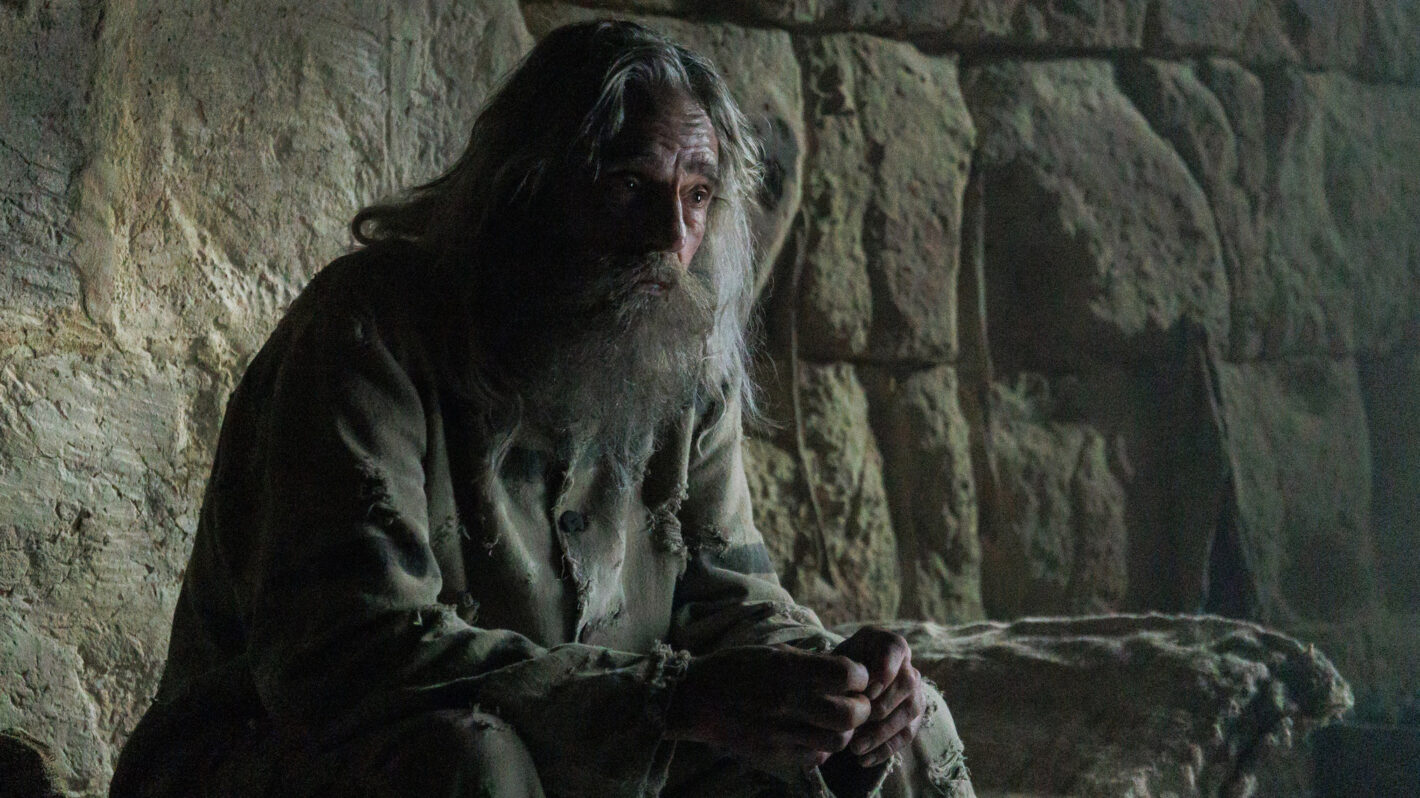
It was during this period of profound desolation that Edmond first heard a faint scraping sound emanating from within the walls of his cell. This was the sound of Abbé Faria, a fellow prisoner who had dedicated years to the arduous task of digging an escape tunnel. Faria’s tunnel, intended to lead him to the perceived watery edge of the island fortress, instead created an unforeseen passage directly into Edmond’s cell, forging an extraordinary bond between the two men.
The initial encounter marked the beginning of a profound intellectual and spiritual connection. Over the subsequent five years, Abbé Faria became Edmond’s sole confidant and mentor. He imparted his vast knowledge, nurturing Edmond’s mind and spirit, and preparing him for a future he could scarcely imagine. Among the most significant revelations Faria shared was the existence of a legendary treasure, hidden on the remote island of Monte Cristo. This secret, entrusted to Edmond, would become the cornerstone of his eventual, meticulously planned vengeance.
The Tragic Culmination of a Lifelong Friendship
The revelation of the treasure came at a critical juncture. Abbé Faria, who had been meticulously planning their joint escape, suffered a severe injury. The planned escape the following day was rendered impossible as Faria found himself unable to walk. In his final moments, with his strength waning, he divulged the details of the treasure’s location and the means to find it, drawing from a partially obscured map. Despite Edmond’s desperate efforts, Abbé Faria succumbed to his injuries that very night, leaving Edmond in a state of profound shock and grief.
In a poignant echo of Dumas’ novel, Edmond devised a daring plan to honor his fallen mentor and secure his own escape. He ingeniously swapped places with Faria’s corpse, placing his friend’s body in his own cell and then assuming the role of the deceased in the awaiting body bag. This allowed him to be unceremoniously discarded into the sea, a common disposal method for prisoners at the Château d’If. Armed with Faria’s digging blade, which he had secretly kept, Edmond managed to free himself from his shroud as he was thrown into the ocean. By the time the guards realized the deception, Edmond had already reached the shores of Marseilles, a free man, albeit one forever changed by his ordeal and the wisdom imparted by Abbé Faria.
The Long Road to Vengeance: A Timeline of Imprisonment and Revelation
- Early Years of Imprisonment (Approx. Years 1-7): Edmond Dantès endures solitary confinement in the Château d’If. His attempts to negotiate release based on political changes are futile. He grapples with despair and contemplates suicide. Unbeknownst to him, his father and fiancée, Mercedes, are led to believe he died by suicide shortly after his incarceration, a deception orchestrated by prosecutor Villefort to protect his own reputation.
- The Discovery of Abbé Faria (Approx. Year 8): Edmond hears the sounds of digging within his cell walls. Abbé Faria, a fellow prisoner, breaks through into Edmond’s cell after years of painstaking excavation.
- Mentorship and Friendship (Approx. Years 8-13): Abbé Faria becomes Edmond’s teacher and confidant. He educates Edmond in various fields, including history, languages, economics, and philosophy, transforming his prisoner’s mind into a formidable instrument.
- The Revelation of the Treasure (Approx. Year 13): As they plan their escape, Abbé Faria suffers a debilitating injury. In his final hours, he reveals the existence of a vast treasure hidden on the island of Monte Cristo, providing Edmond with a map and instructions.
- Abbé Faria’s Death and Edmond’s Escape (Approx. Year 13): Abbé Faria dies from his injuries. Edmond escapes the Château d’If by impersonating Faria’s corpse and being cast into the sea.
- The Aftermath and the Hunt for the Treasure (Post-Escape): Edmond washes ashore in Marseilles, a free man. The subsequent episode, Episode 3, is set to chronicle his pursuit of the treasure and the initial stages of his meticulously crafted plan for retribution.
Supporting Data and Context: The Enduring Appeal of Dumas’ Masterpiece
Alexandre Dumas’ The Count of Monte Cristo, first published in 1844, remains one of the most enduring and beloved novels in world literature. Its themes of injustice, betrayal, vengeance, and redemption resonate deeply with audiences across generations. The novel’s intricate plot, rich character development, and exploration of social and political upheaval have inspired countless adaptations across film, television, and theatre.
The PBS Masterpiece adaptation, a co-production with Mediawan, is a significant undertaking aiming to bring a faithful rendition of this epic story to a modern audience. The series’ reported eight-episode run suggests a deliberate pacing designed to explore the novel’s complexities in detail. The casting of established actors like Jeremy Irons and Sam Claflin underscores the production’s commitment to quality and its ambition to deliver a compelling viewing experience. The financial investment in such productions often reflects the perceived marketability and cultural significance of the source material. For instance, previous Masterpiece productions have achieved critical acclaim and substantial viewership, demonstrating the enduring appeal of literary adaptations.
Reactions and Implications: A Character’s Defining Moment
While direct statements from Jeremy Irons regarding his specific portrayal of Abbé Faria in this adaptation are not publicly available at this juncture, his past interviews often highlight his dedication to understanding and embodying complex characters. His presence in a role as pivotal as Abbé Faria signals an intent to explore the character’s wisdom, humanity, and the profound influence he wields over Edmond.
The introduction of Abbé Faria marks a critical turning point in Edmond Dantès’ narrative. His mentorship provides Edmond with not only the means for survival and escape but also the intellectual and psychological tools necessary to orchestrate his elaborate plan of vengeance. The profound impact of Faria’s teachings and his ultimate sacrifice cannot be overstated. This episode, therefore, is not merely about Edmond’s escape; it is about his transformation from a naive sailor into the formidable Count of Monte Cristo.
Future Prospects: The Shadow of Vengeance
The inclusion of Jeremy Irons in the IMDb credits for all eight episodes, despite his character’s death in Episode 2, raises intriguing possibilities. While it is highly probable that his appearances will be limited to flashbacks, the creative team might explore other narrative devices to bring his wisdom and influence back into play. The continued presence of his character, even in memory, would serve to underscore the enduring impact of his mentorship on Edmond’s path.
The narrative trajectory set by Episode 2 promises a compelling continuation. With the treasure secured and Edmond’s identity transformed, the subsequent episodes are poised to detail his calculated return to society and the systematic dismantling of those who wronged him. The success of this adaptation will likely hinge on its ability to balance the faithful retelling of Dumas’ narrative with fresh interpretations that resonate with contemporary audiences. The groundwork laid by Jeremy Irons’ portrayal of Abbé Faria has undoubtedly set a high bar for the unfolding saga of Edmond Dantès. The full season is currently available for streaming via PBS Passport, allowing dedicated viewers to immerse themselves in the entire narrative arc before its weekly broadcast concludes.