
As the television landscape continues to evolve, new adaptations of classic literature and fresh comedic offerings are set to captivate audiences. This weekend’s programming highlights include a sweeping historical drama, a campus comedy exploring themes of reinvention, a sharp Hollywood satire, a heartwarming tale of faith and small-town life, and a compelling docuseries delving into the complexities of shattered relationships. These diverse narratives promise to engage viewers with compelling characters, intricate plots, and timely social commentary.
Masterpiece Presents a New Vision of "The Count of Monte Cristo"
PBS’s prestigious "Masterpiece" series is set to unveil its ambitious adaptation of Alexandre Dumas’s enduring classic, "The Count of Monte Cristo," promising a fresh interpretation of the epic tale of betrayal, revenge, and redemption. The second episode, airing Sunday at 10/9c, will cover a significant period in the protagonist Edmond Dantès’s life: fifteen years of unjust imprisonment. This extended period of confinement, a stark contrast to the swift passage of time on the outside, will likely be portrayed with visceral impact, emphasizing Dantès’s prolonged suffering and the psychological toll of his wrongful incarceration.
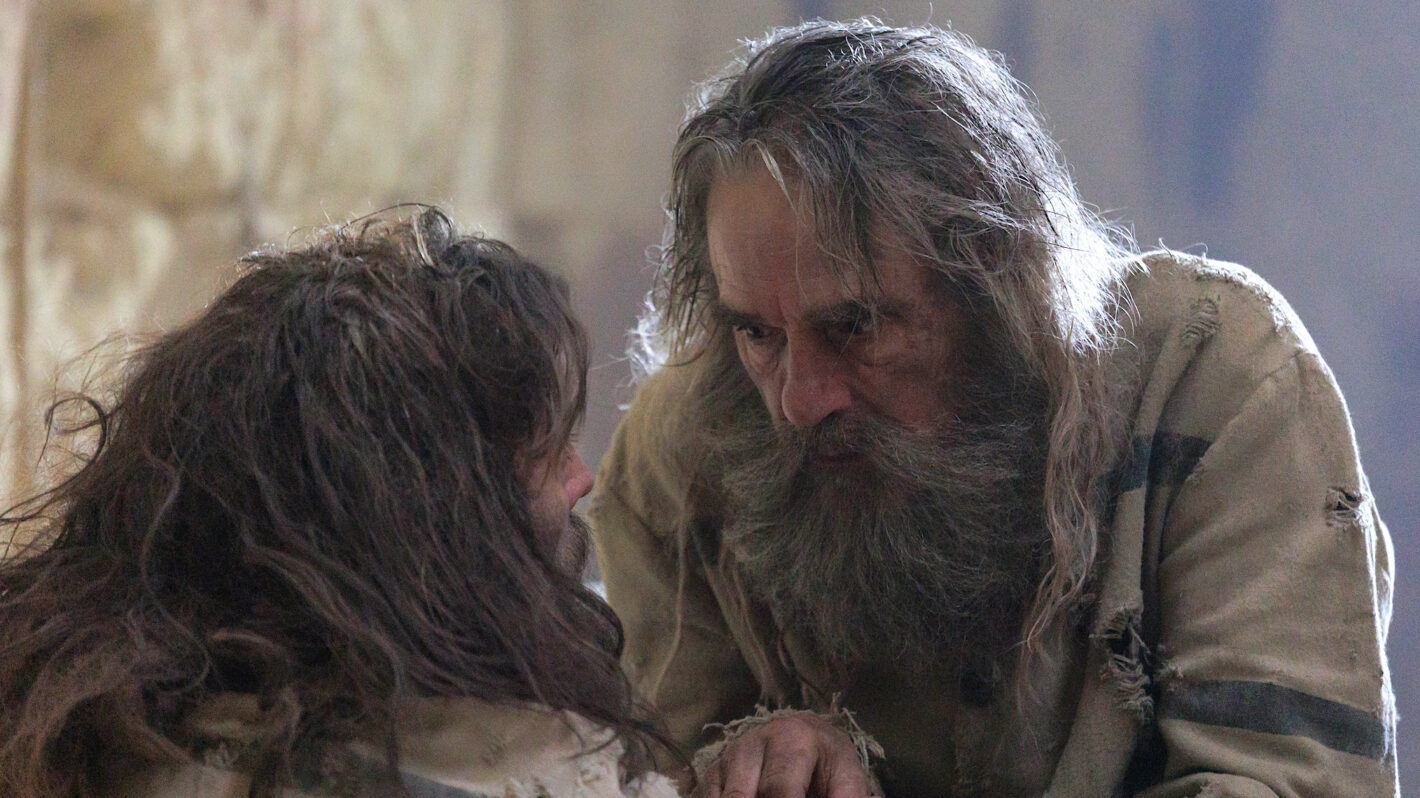
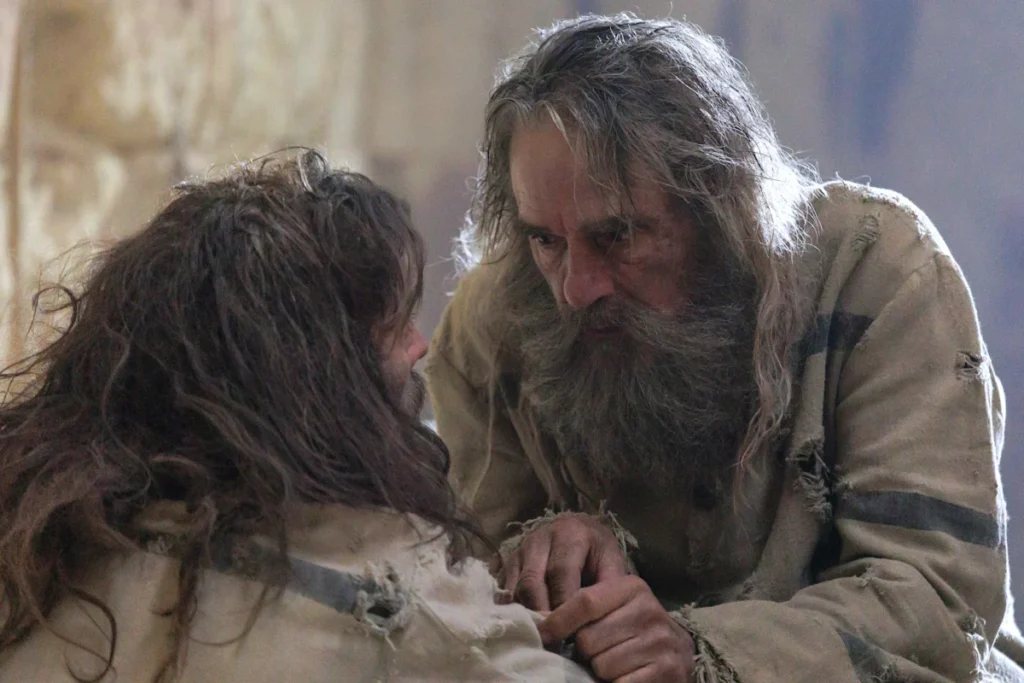
The narrative picks up momentum with Dantès’s unexpected encounter with his fellow prisoner, the Abbé Faria, brought to life by the seasoned performance of Jeremy Irons. Faria, a figure of immense intellect and resilience, has spent seven years secretly tunneling his way out of their shared island fortress prison. His eventual arrival in Dantès’s cell marks a pivotal turning point. The bond that forms between the two men, forged in the crucible of shared hardship and a desperate yearning for freedom, will be central to this installment. As they collaborate on an escape plan, Faria imparts his knowledge, revealing the existence of a hidden treasure on the island of Monte Cristo. This revelation sets the stage for Dantès’s transformation and his eventual quest for vengeance.
The adaptation faces the inherent challenge of condensing Dumas’s sprawling novel into a manageable television format. However, the inclusion of key characters and plot points, such as Dantès’s devastating betrayal by those closest to him—a betrayal that leads his loved ones to believe he is dead—ensures the core themes of the story remain intact. Sam Claflin’s portrayal of Edmond Dantès is expected to convey the profound emotional journey from naive sailor to hardened, vengeful nobleman. The visual presentation, characteristic of "Masterpiece" productions, will likely lend a grand scale to the historical setting and the dramatic twists of fate. The success of this adaptation will hinge on its ability to balance fidelity to the source material with innovative storytelling that resonates with contemporary audiences.
"Rooster" Finds its Voice in Campus Comedy
HBO’s "Rooster" continues its exploration of academic life and personal reinvention with a Sunday episode at 10/9c that delves into its protagonist’s "Walter Mitty" tendencies. The series centers on visiting professor and author Greg Russo, portrayed by Steve Carell, who embodies a sense of melancholy as he embraces his alter ego, "Rooster"—an action-hero persona. In this episode, Greg ditches a faculty party for an "epic night out" with his students, a move that highlights his desire to escape the mundane and reconnect with a more adventurous spirit.

The character of Tommy, played by Maximo Salas, serves as a catalyst for Greg’s escapades. Tommy, an "outsider" on campus whose academic future is uncertain, sees Greg as an "accountability buddy," a role that Greg readily adopts. This dynamic allows for sharp comedic interplay and a subtle commentary on the pressures faced by students navigating the complexities of higher education. The idea of college as a space for self-reinvention, as articulated by Tommy, resonates deeply with Greg’s own internal struggles.
Adding another layer to the narrative is Greg’s daughter, Katie, played by Charly Clive. With her marriage in disarray, Katie is also contemplating a fresh start, particularly in her dating life. This parallel storyline mirrors Greg’s own quest for a new identity, suggesting themes of generational differences in approaching personal change and the universal desire for happiness and fulfillment. The series’ commitment to exploring these relatable human experiences, set against the backdrop of a university campus, has contributed to its growing appeal. The blend of observational humor and poignant character development positions "Rooster" as a notable entry in the current comedy genre.
"The Comeback" Tackles AI and Hollywood Realities
Lisa Kudrow’s acclaimed satirical series "The Comeback" returns to HBO with its third season, and the Sunday episode at 10:30/9:30c promises to amplify the show’s signature sharp wit and biting commentary on the entertainment industry. Valerie Cherish, Kudrow’s iconic character, embarks on a new professional venture, leading to her first meeting with her new network executives. This encounter is particularly significant as it involves Brandon, played by Andrew Scott, the network head who is described as "shifty." The episode confronts the pervasive influence of artificial intelligence in media, with Brandon assuring Valerie that they are "within the Writers Guild agreement" despite the looming presence of AI in content creation.

The dialogue surrounding "the AI of it all" and "bad branding" underscores the show’s prescient critique of the evolving media landscape. Valerie, alongside her "producing partner" Billy (Dan Bucatinsky), meets with the in-name-only showrunners and writers, portrayed by Abbi Jacobson and John Early. This setup highlights the often-surreal nature of Hollywood production, where creative control can be diluted and the roles of individuals can become performative.
Valerie’s next challenge involves securing James Burrows, a legendary sitcom director playing himself, to helm the pilot of her new show, "How’s That?" This pursuit adds another layer of industry satire, as Valerie navigates the egos and demands of powerful figures in Hollywood. "The Comeback" has consistently been lauded for its unflinching portrayal of the industry’s absurdities and its exploration of a woman’s persistent, often awkward, pursuit of stardom. The series’ ability to blend cringe comedy with genuine emotional depth makes it a standout in television.
"Blessings in Disguise" Inspires with Faith and Craft
Great American Family’s new programming initiative, "Golden Thread," aims to weave stories of "everyday faith" into its narratives. The inaugural film under this banner, "Blessings in Disguise," premiering Saturday, directly embodies this mission. The film stars Shae Robins as Katie, a New York designer who seeks solace and a new beginning in her late grandmother’s hometown seamstress shop. This relocation marks a significant departure from her fast-paced urban life, offering an opportunity for introspection and reconnection with her roots.

Upon arriving at the shop, Katie discovers a unique tradition: the secret of hand-stitching scripture verses into each garment, imbuing them with private blessings for the recipient. This discovery introduces a spiritual dimension to her work, transforming the act of design into a form of ministry. As Katie begins to restore the shop, she also reconnects with Luke (Casey Elliott), a local woodworker who was her first crush. Their rekindled connection, set against the backdrop of a charming small town and the discovery of her grandmother’s legacy, suggests a narrative arc filled with serendipity and potential romance.
The film’s premise taps into a growing audience interest in stories that emphasize faith, community, and the power of tradition. The concept of finding blessings in unexpected places, particularly through acts of personal craftsmanship and spiritual devotion, resonates with themes of hope and renewal. "Blessings in Disguise" appears poised to offer a comforting and uplifting viewing experience, aligning with Great American Family’s established brand of family-friendly entertainment.
"Betrayal: Secrets & Lies" Uncovers Deception on ABC
ABC’s docuseries "Betrayal: Secrets & Lies" shifts its platform, moving from Hulu to the broadcast network for eight new episodes that promise to delve into the darker aspects of human relationships. Airing Sunday, the series dissects instances where trust has been shattered by lies, fraud, and scandal. The premiere episode focuses on Tina, who is recovering from a broken marriage and finds herself entangled with a seemingly carefree man named Neil. Their burgeoning relationship takes a tumultuous turn following an unexpected pregnancy.

As the narrative unfolds, Tina discovers the depth of Neil’s deceit. His past is revealed to be a tapestry of deception, with a long line of women seeking justice for his betrayals. This revelation transforms Tina’s personal journey into a quest for truth and accountability, highlighting the devastating consequences of infidelity and manipulation. The docuseries format allows for a detailed examination of these complex situations, often incorporating testimonials from those directly affected and investigative insights.
The move to ABC signifies an effort to reach a broader audience with these compelling true-crime narratives. The series’ focus on relational dynamics and the unraveling of carefully constructed falsehoods taps into a popular genre that explores the darker facets of human behavior. "Betrayal: Secrets & Lies" is expected to offer a gripping and cautionary exploration of how trust can be exploited and the profound impact of such betrayals on individuals and families.
Broader Impact and Television Trends
The diverse programming slate for this weekend reflects broader trends in television production and consumption. The continued success of adaptations like "The Count of Monte Cristo" underscores the enduring appeal of classic literature, while the proliferation of campus comedies like "Rooster" highlights the genre’s ability to explore contemporary social issues through humor. The satirical edge of "The Comeback" speaks to a growing appetite for sharp commentary on cultural phenomena, including the rapid advancement of AI and its implications for creative industries.

Furthermore, the rise of faith-based programming, as exemplified by "Blessings in Disguise," demonstrates a market for content that emphasizes moral and spiritual themes. Simultaneously, the enduring popularity of true-crime docuseries like "Betrayal: Secrets & Lies" indicates a public fascination with narratives of deception and justice.
As streaming services and traditional broadcasters compete for viewer attention, this variety of content signifies a strategic approach to catering to a wide range of tastes and interests. The ability of these shows to connect with audiences on an emotional, intellectual, and even spiritual level will ultimately determine their impact and longevity in the competitive television landscape. The coming days promise a rich viewing experience, offering something for every discerning viewer.