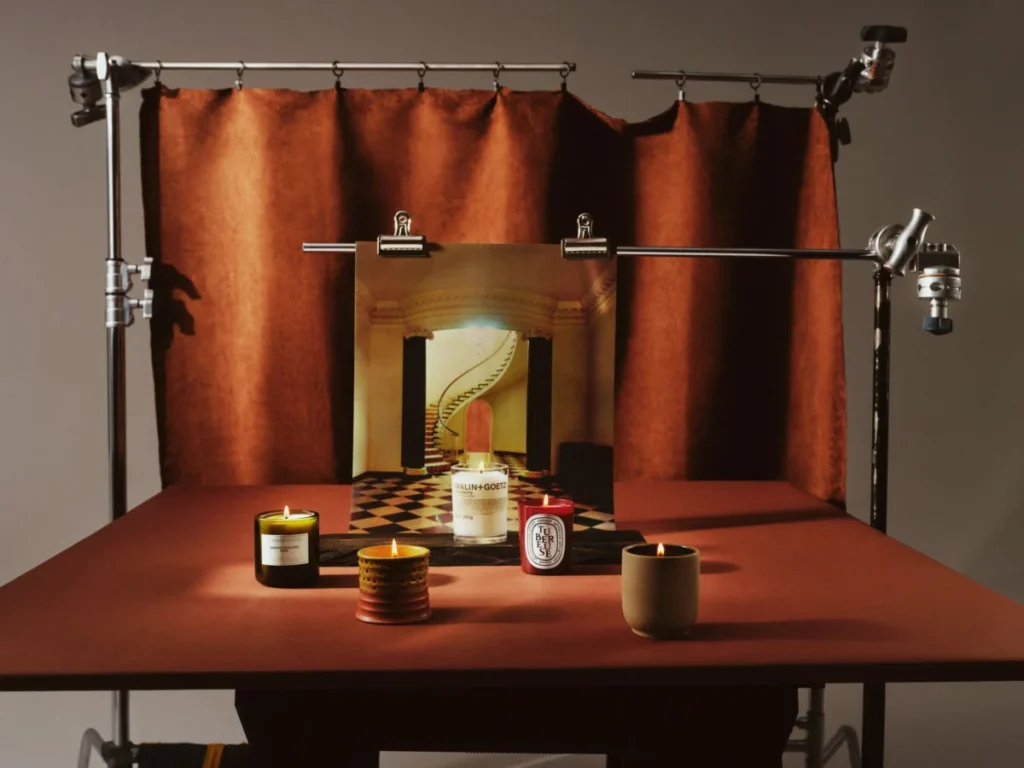

The modern home fragrance industry has evolved far beyond simple odor masking, transforming into a sophisticated intersection of interior design, psychological wellness, and olfactory art. Today, the premium candle market represents a multi-billion-dollar global sector, driven by consumers who view high-end wax blends as essential tools for curating personal environments. Far from being mere accessories, these products serve as conduits for mood regulation, stress reduction, and the establishment of "intentional living" spaces. As the practice of aromatherapy gains mainstream scientific validation for its potential to lower cortisol levels and improve cognitive focus, the demand for high-quality, complex fragrance profiles has reached an all-time high.

The evolution of the luxury candle market can be traced back to the resurgence of artisanal craftsmanship in the early 2010s, when legacy perfume houses began pivoting toward home fragrance as an extension of their personal scent lines. This shift moved the market away from mass-produced, synthetic paraffin candles toward sustainable, complex, and design-forward alternatives. Today, the most sought-after candles are defined by their construction: high-performance soy or coconut wax blends, lead-free cotton or wooden wicks, and nuanced essential oil infusions that unfold in "top," "middle," and "base" notes, much like a fine eau de parfum.
The Psychology of Scent and Interior Ambience
The efficacy of a candle in setting the mood is not merely anecdotal; it is deeply rooted in the olfactory system’s direct connection to the limbic system, the portion of the brain responsible for memory and emotion. When a scent is inhaled, it travels directly to the amygdala and hippocampus, potentially triggering immediate psychological shifts.

For many, the act of lighting a candle has become a secular ritual—a way to delineate the transition from the frantic pace of the professional day to the restorative atmosphere of the home. This "intention setting" is particularly effective when the scent profile is carefully chosen. Woody and grounding notes, such as sandalwood and cedar, are frequently utilized to promote stability, while bright citrus or floral notes are employed to foster creativity and energy. The visual element of a flickering flame adds a layer of kinetic, warm lighting that, according to principles of biophilic design, can contribute to a more calming and naturalistic indoor environment.
A Curated Selection of Industry-Leading Fragrances
While the market is saturated with options, a few select products have established themselves as benchmarks for quality, longevity, and olfactory complexity, as identified by industry experts and design editors.

The Versatile Balance: Byredo Bibliothèque
Byredo’s Bibliothèque has gained a reputation for its sophisticated composition, balancing the warmth of vanilla and leather with the fruity undertones of peach and plum. Its widespread appeal lies in its ability to anchor a room without becoming overwhelming, making it a reliable choice for common living spaces. The scent profile is complex enough to pique interest but balanced enough to remain universally pleasing, which explains its status as a staple in high-end design environments.
The Sensual Floral: Diptyque Tuberose
Tuberose, a historically significant flower in perfumery, is the centerpiece of Diptyque’s iconic offering. The scent is often described as heady and opulent, capturing the essence of white blooms in a way that is both modern and classic. Its inclusion in a home’s fragrance rotation suggests a preference for bold, expressive scents. The brand’s commitment to high-quality wax ensures an even burn, which is a critical factor for products at this price point.
.jpeg)
The Herbaceous Sophistication: Flamingo Estate Sappho Fig
The move toward savory, rather than sweet, gourmand scents is a major trend in current interior design. The Flamingo Estate Sappho Fig candle exemplifies this shift, utilizing fig leaf, ginger, and sandalwood to create a sophisticated, earthy aroma. This profile appeals to the modern consumer who favors ingredients that feel "culinary" and grounded, moving away from traditional synthetic floral or vanilla-heavy fragrances.
The Architectural Favorite: Maison Louis Marie No. 04
The Bois de Balincourt scent is frequently cited by interior designers as the "gold standard" for a reliable, mood-setting fragrance. With its heavy emphasis on sandalwood, cedarwood, and vetiver, it offers a warm, woody embrace that is particularly suited for cooler months or rainy evenings. Its ability to provide depth without the sweetness of a traditional gourmand candle makes it a favorite for those who prioritize a clean, professional aesthetic.
.jpeg)
The Rise of Eco-Conscious Luxury
The contemporary consumer is increasingly concerned with the chemical composition and sustainability of the products they burn in their homes. The shift away from petroleum-based paraffin—which can release volatile organic compounds (VOCs)—toward natural soy, coconut, and beeswax blends has become a standard requirement for premium brands.
Furthermore, the "repurposing movement" has significantly impacted product design. Consumers are no longer content with a container that is discarded after the wax is consumed. Brands like Homecourt and Keap have responded by designing high-quality, reusable ceramic or heavy-glass vessels that function as permanent decorative objects. This focus on "circular luxury" encourages consumers to invest in a product that provides value long after the fragrance has dissipated, effectively lowering the cost-per-use over time.

Market Implications and Future Outlook
The market for premium home fragrance is projected to continue its expansion as consumers increasingly view their living spaces as extensions of their personal identity. The trend toward "scent layering"—using multiple candles or home diffusers to create a bespoke olfactory environment—is expected to gain momentum.
From an economic perspective, the resilience of the luxury candle market during periods of financial uncertainty suggests that consumers view these items as "affordable luxuries." While a high-end designer piece of furniture may be out of reach, a $60 to $100 candle offers the same brand prestige and sensory experience at a fraction of the cost. This psychological "lipstick effect"—where consumers treat themselves to smaller luxury items during challenging economic times—has sustained the candle industry’s steady growth.
.jpeg)
Looking ahead, the industry is likely to see further integration of biotechnology and precision perfumery. We can expect more "functional fragrances" that are formulated not just for scent, but to actively support wellness goals such as improved sleep quality, reduced anxiety, and increased focus.
Conclusion
The selection of a candle is an exercise in personal curation. Whether one is drawn to the warm, smoky notes of a fireplace-inspired blend or the crisp, fresh aroma of a garden in spring, the right candle acts as a sensory anchor for the home. By prioritizing high-quality ingredients, clean-burning wicks, and sophisticated scent profiles, consumers can transform their living environments into spaces of genuine restoration. As the industry continues to prioritize sustainability and design, the humble candle remains a potent, enduring symbol of comfort, style, and the pursuit of a more intentional life.