
The global cultural landscape on April 10, 2026, is marked by a unique convergence of historic scientific achievements, high-stakes entertainment launches, and a significant recalibration of global culinary and fashion standards. From the lunar trajectory of NASA’s Artemis II mission to the evolving gastronomic identity of London, the day’s events reflect a world increasingly focused on the intersection of heritage and futuristic innovation. This report examines the primary developments in entertainment, science, and global lifestyle trends as the second quarter of 2026 begins.
Scientific Milestones: The Artemis II Mission and the Cultural Shift in Space Exploration
NASA’s Artemis II mission continues to dominate global headlines as the crew prepares for its historic lunar flyby. Beyond the technical complexities of the Space Launch System (SLS) and the Orion spacecraft, the mission has sparked a cultural phenomenon often described as "hopecore." This movement, characterized by a focus on optimism and human achievement, has found a specific resonance in the celebration of femininity within the aerospace sector.
Astronaut Christina Koch’s departure for the mission became a viral symbol of this shift. Her use of a heart gesture—a contemporary cultural signifier popularized by global music tours—was noted by observers as a bridge between high-stakes science and relatability. Data from mission control centers indicates a historic level of female participation in this mission, with women occupying key roles in flight dynamics, communications, and biological research. The presence of cultural artifacts within the command center, such as tributes to the "Sailor Moon" franchise, further underscores a generational shift in how space exploration is perceived and communicated to the public.
This mission is not occurring in a vacuum; it coincides with the annual National Cherry Blossom Festival in Washington, D.C. Historically, these trees were a gift from Japan to the United States in 1912, symbolizing international cooperation. In 2026, this symbolism is mirrored in the Artemis Accords, as international partners work toward a sustainable human presence on the moon.
The Entertainment Landscape: Streaming Innovations and Celebrity Accountability
The streaming industry is witnessing a significant shift with the premiere of high-concept series that challenge traditional narrative structures. Elizabeth Banks and Matthew Macfadyen star in the new Peacock series, The Miniature Wife, which debuted to critical acclaim this week. The series, which utilizes advanced practical and digital effects to portray a protagonist shrunk to six inches, has been described by Banks as one of her most "vulnerable" roles to date. The production reflects a broader 2026 trend in television: the "prestige high-concept" genre, which blends surrealist premises with deep psychological exploration.
Simultaneously, the industry is grappling with the complexities of celebrity public relations in an era of heightened transparency. Actress Natasha Lyonne recently addressed reports of her removal from a Delta Air Lines flight in Los Angeles. The incident, which occurred following the season three premiere of the HBO series Euphoria, took place against the backdrop of a partial government shutdown affecting Transportation Security Administration (TSA) agents. Lyonne’s public response highlighted the plight of unpaid federal workers, shifting the narrative from a personal controversy to a broader social commentary.
In the comedy sector, Taylor Ortega is emerging as a breakout star in Dan Levy’s Big Mistakes. The series, which combines elements of crime thrillers with Levy’s signature wit, is being hailed as a successor to the "tragicomic" style of the early Coen Brothers. The show’s exploration of familial obligation and moral ambiguity suggests a maturing of the streaming comedy format.
Global Gastronomy: London’s Ascendance as a Culinary Capital
In a significant shift for the international food industry, London has been named the world’s second-best city for food in the 2026 Global Tastemakers Awards. This ranking marks the final dismissal of long-standing stereotypes regarding British cuisine. The city’s culinary evolution is attributed to its unique ability to integrate traditional markets with global immigrant influences.
Borough Market, an institution with roots dating back over a thousand years, has transitioned from a wholesale produce hub to a premier gastronomic destination. Supporting data shows a 15% increase in "culinary tourism" to London over the past 24 months. The city’s coffee culture has also seen a professionalization, with roasteries like Monmouth and Allpress setting international standards. Furthermore, the expansion of high-end Lebanese firms like Rifai into West London highlights the city’s role as a global crossroads for specialty goods, ranging from roasted nuts to artisanal cacao.
On the seasonal front, chefs are reporting a shift in consumer preferences toward "foraged alliums." While ramps remain a staple of the spring menu, Chef Ricky Tuy of Social 45 notes that their short window of availability—often less than three weeks—has turned them into a high-demand commodity that dictates the "lighter style" of contemporary spring cooking across North American and European markets.
Fashion and the Fine Arts: Preparing for the 2026 Met Gala
As May approaches, the fashion world is focused on the Metropolitan Museum of Art’s upcoming spring exhibition, "Costume Art." The 2026 theme explores the symbiotic relationship between fine art and the human form. Vogue staffers and industry experts have begun highlighting the historical pieces that inform this year’s aesthetic, citing works such as Klimt’s The Kiss and the portraiture of John Singer Sargent.
The exhibition aims to move beyond fashion as mere apparel, instead treating it as a medium of sculpture. This is reflected in current retail trends, where "cobalt blue" has emerged as the definitive shade of the season. Industry analysts suggest that the resurgence of this hue is partly driven by promotional cycles for The Devil Wears Prada 2, which has reignited public interest in color theory and the "cerulean" legacy of the original film.
Historical fashion also remains a point of intense public interest. The opening of "Queen Elizabeth: Her Life In Style" at the King’s Gallery in Buckingham Palace provides a scholarly look at the late Monarch’s wardrobe. The exhibition features over 200 items, including the dress she wore to Princess Margaret’s wedding in 1960. Curators note that the Queen’s sartorial choices were often deeply sentimental, serving as a silent form of communication and tribute to her family members.
Regional Craft and the Evolution of Seasonal Lifestyle Trends
The spring of 2026 is seeing a return to functional, heritage-based fashion. Traditional Spanish sandals, specifically the "avarcas" or "Menorquinas" from the Balearic Islands, have moved from regional staples to global street-style essentials. Originally designed for farmers in the 13th century, these sandals represent a broader consumer move toward "slow fashion" and durable, handcrafted goods.
In the realm of personal care, the market is responding to the "time-poverty" of urban professionals. The rise of fast-drying nail polishes and long-sleeve swimwear—the latter popularized by figures like Kim Kardashian—reflects a dual focus on efficiency and health. Long-sleeve swimsuits, in particular, have seen a 40% uptick in sales as awareness of UV protection and "aesthetic protection" from chafing becomes a priority for year-round travelers.
Home maintenance and interior design are also seeing a return to fundamentals. Experts from Martha Stewart Living have issued new guidelines on "functional aesthetics," emphasizing the correct placement of analog wall clocks to ensure room balance and the hygiene necessity of washing new linens before use. These "back-to-basics" trends suggest a collective desire for order and domestic stability in an increasingly fast-paced digital world.
Travel and Regional Highlights: From Santorini to the Sonoran Desert
Travel data for April 2026 indicates a surge in "nature-centric" tourism. Saguaro National Park in Tucson, Arizona, has become a primary destination for domestic travelers. The park, which protects over two million cacti across two distinct districts, offers a rare look at the Sonoran Desert—the wettest desert in the world. The Rincon Mountain District (East) and the Tucson Mountain District (West) provide contrasting experiences of mountainous backcountry and dense saguaro forests, respectively.
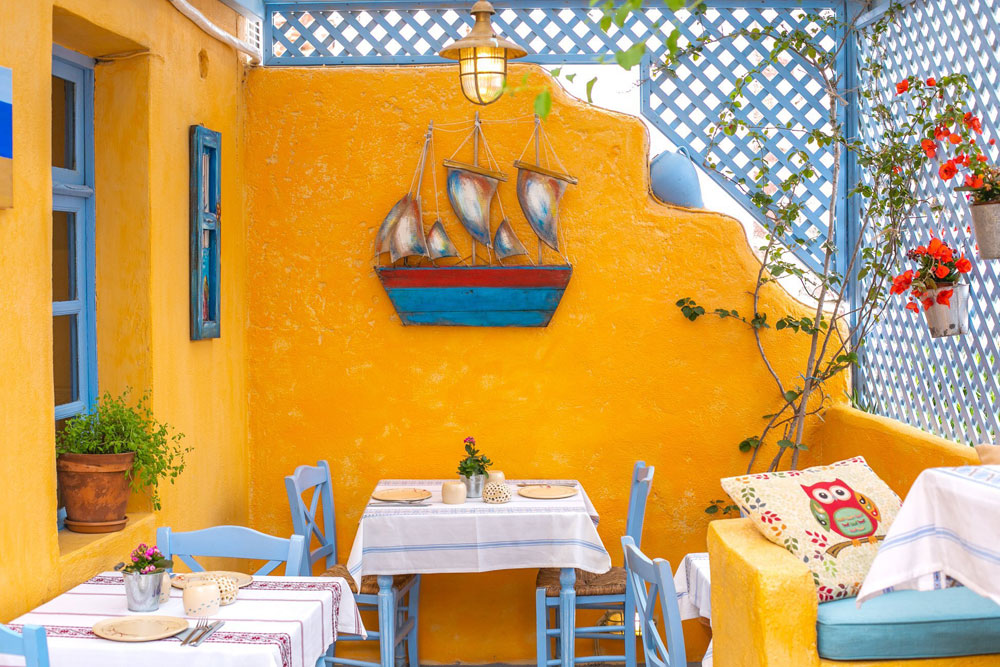
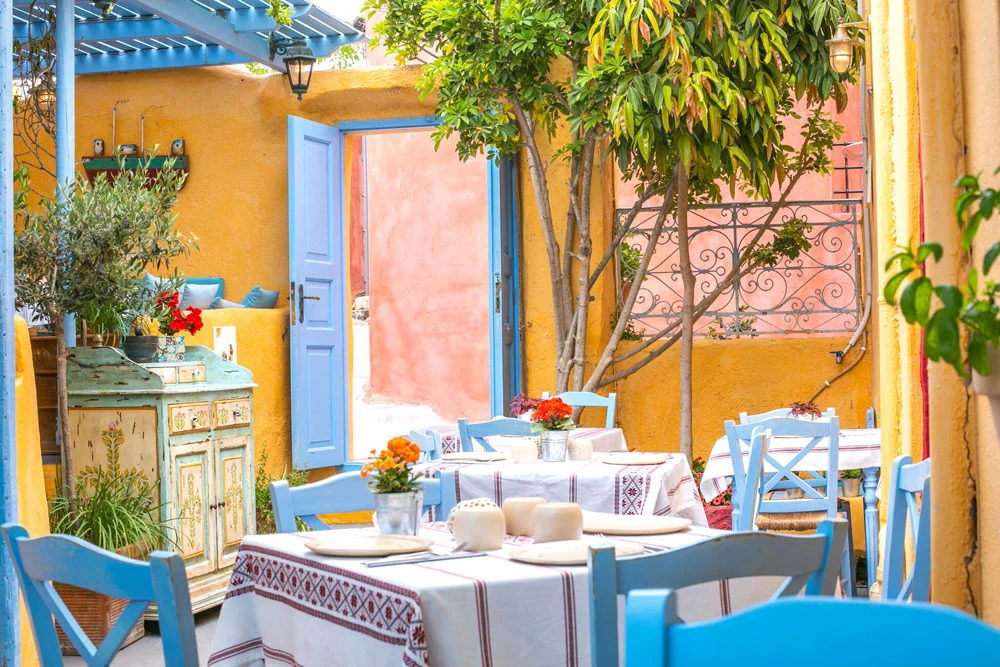
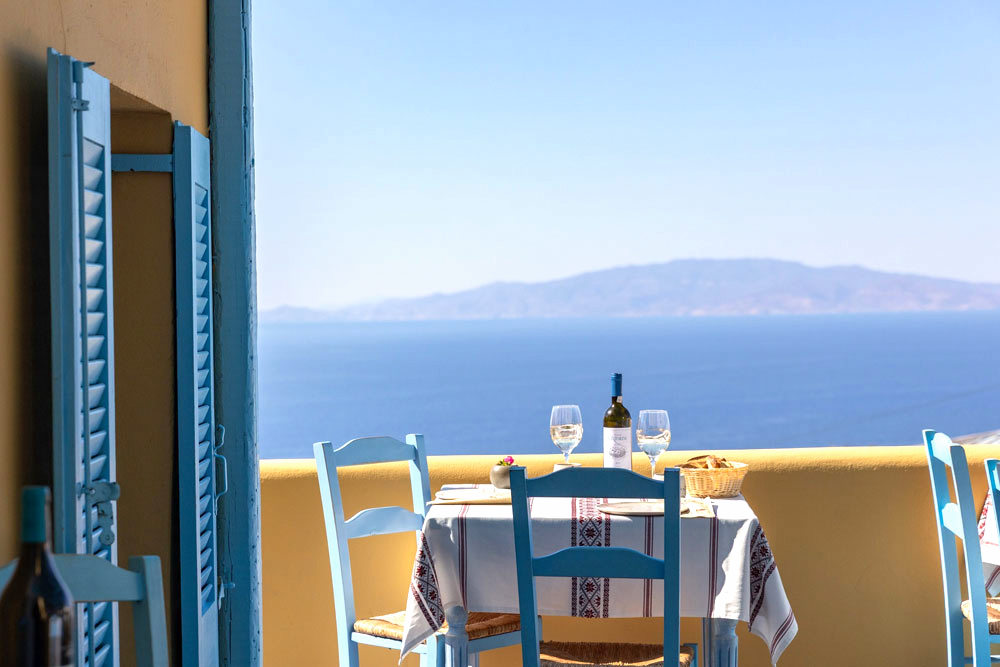
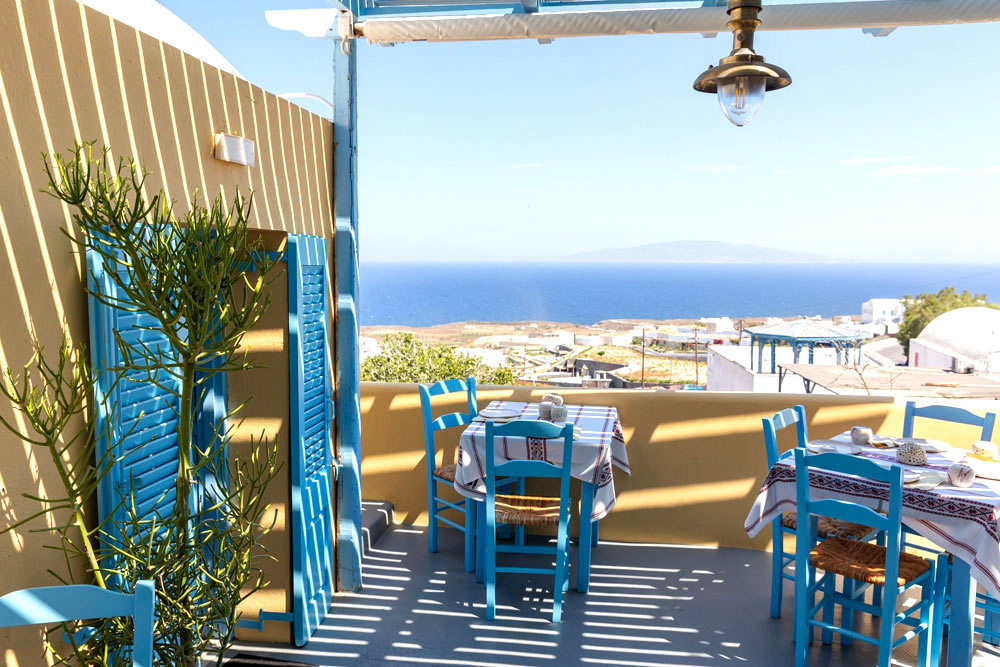
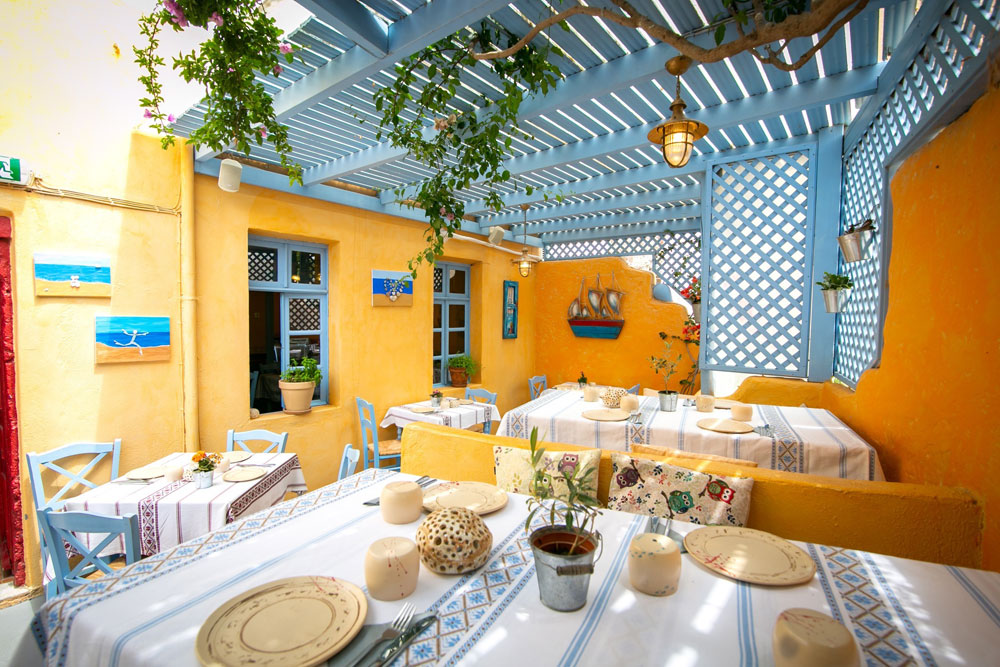
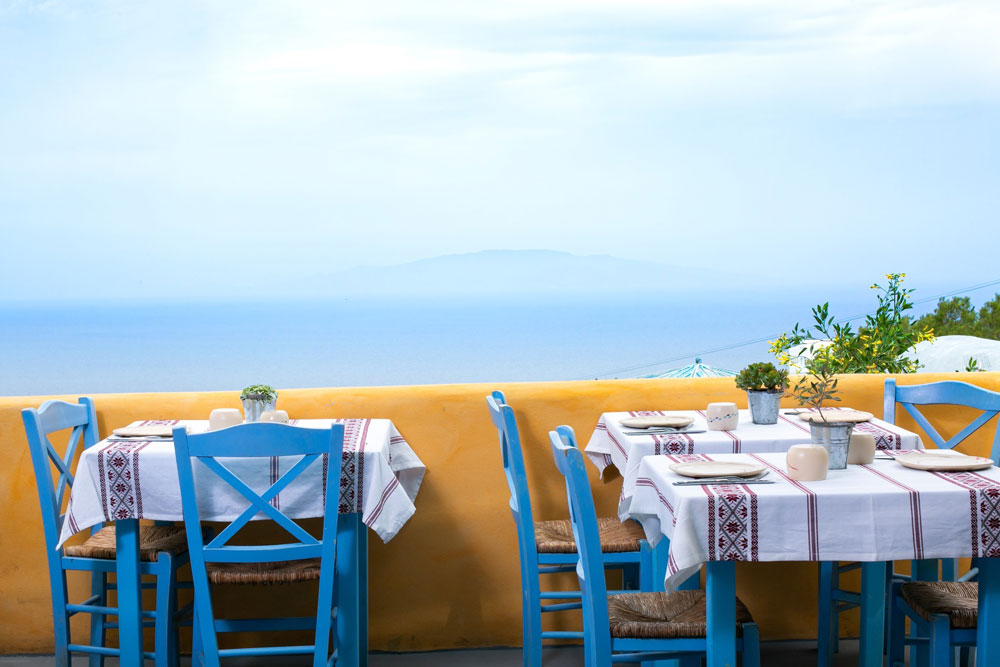
Internationally, Oia, Santorini, remains a cornerstone of the luxury travel market. Establishments like Roka Restaurant are highlighted for their integration of traditional Greek hospitality with modern culinary techniques, providing a stable anchor for the island’s tourism-dependent economy.
Broader Impact and Implications
The events of April 10, 2026, suggest a world that is balancing high-technology aspirations with a deep-seated respect for historical context. Whether it is NASA adopting cultural heart gestures or London reimagining its thousand-year-old markets, the prevailing theme is one of integration. As the global community moves forward, the success of these cultural and scientific endeavors will likely depend on their ability to remain accessible and meaningful to a diverse global audience. The "hopecore" movement in science and the "slow fashion" movement in retail both point toward a future that values longevity, optimism, and the human element in all fields of endeavor.