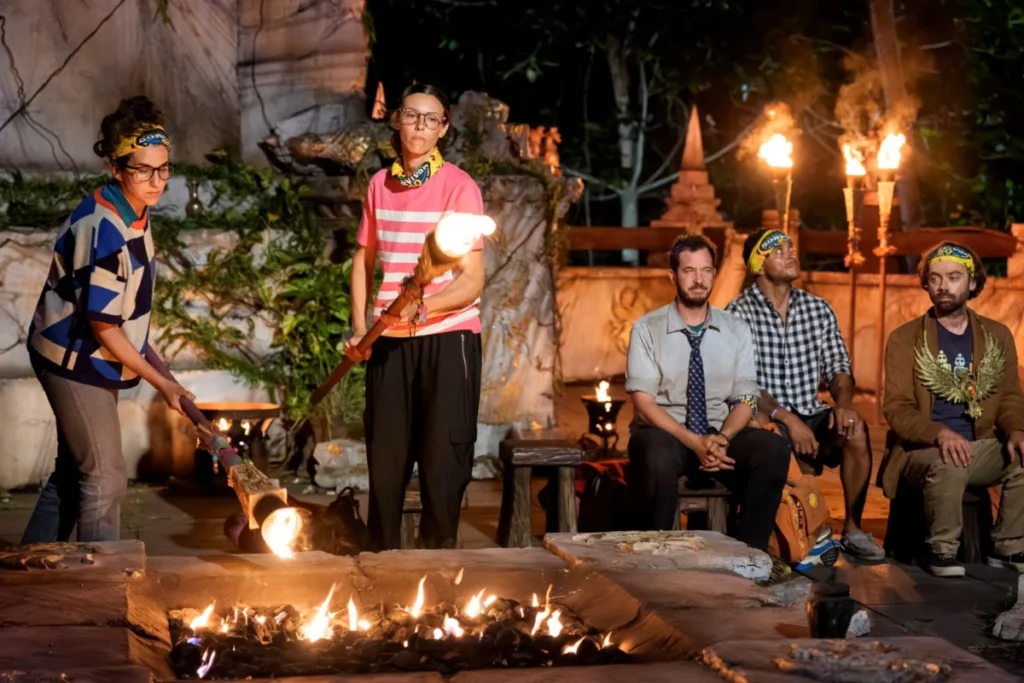

The elimination of Genevieve Mushaluk from Survivor 50 has sparked considerable discussion among fans and analysts alike, particularly concerning her unique idol strategy and the intense dynamics of her final tribal council. Mushaluk, a fan-favorite from the outset, found herself in a precarious position after discovering two "Billie Eilish Boomerang Idols" pre-merge. Unlike traditional idols, these were designed to be passed on, creating a complex strategic layer that ultimately contributed to her departure.
Mushaluk’s journey in Survivor 50 was marked by an early display of keen observation and strategic thinking. The introduction of the "Boomerang Idol" presented a novel challenge: players who found it had to give it to another contestant, with the understanding that it would eventually return to the finder’s original tribe. Mushaluk, demonstrating a nuanced understanding of the game’s social and strategic components, strategically used these idols not just as a potential safety net, but as a tool for alliance building and information management.
"It was such a bummer to have to give them away," Mushaluk stated in a recent interview, reflecting on the idols she discovered. "And as someone who had no friends on the cast going into this season, there was really not much there." This candid admission highlights the uphill battle she faced in forming early connections, making the decision to relinquish her newfound advantage all the more significant.
The Boomerang Idol Strategy and Its Ramifications
Mushaluk’s first Boomerang Idol was passed to Ozzy Lusth. Her rationale was to leverage the act of giving as a "trust-building exercise." By demonstrating a willingness to share a powerful advantage, she aimed to alleviate suspicions about her perceived standoffish nature and potentially gain allies. The intention was to create goodwill, even if the idol itself wouldn’t directly protect her.
The second idol was given to Rizo Velovic. This move, however, was made under different strategic considerations. By this stage, Mushaluk felt she had established a certain level of trust with her immediate allies. She recognized that revealing the second idol’s transfer to someone outside her core group might not yield significant strategic benefits and could even expose vulnerabilities. "Why would I ever expose information to people I’m not working with?" she questioned, emphasizing her calculated approach to information control. This decision underscored her understanding that while idols are powerful, their strategic value is amplified by how they are used to influence social dynamics and alliances.
The game took a dramatic turn when Mushaluk found herself on a swapped tribe with Christian Hubicki, Joe Hunter, Rick Devens, and Aubry Bracco. This particular tribe composition proved fatal for her game, primarily due to the deep-seated rivalry she shared with Aubry Bracco.
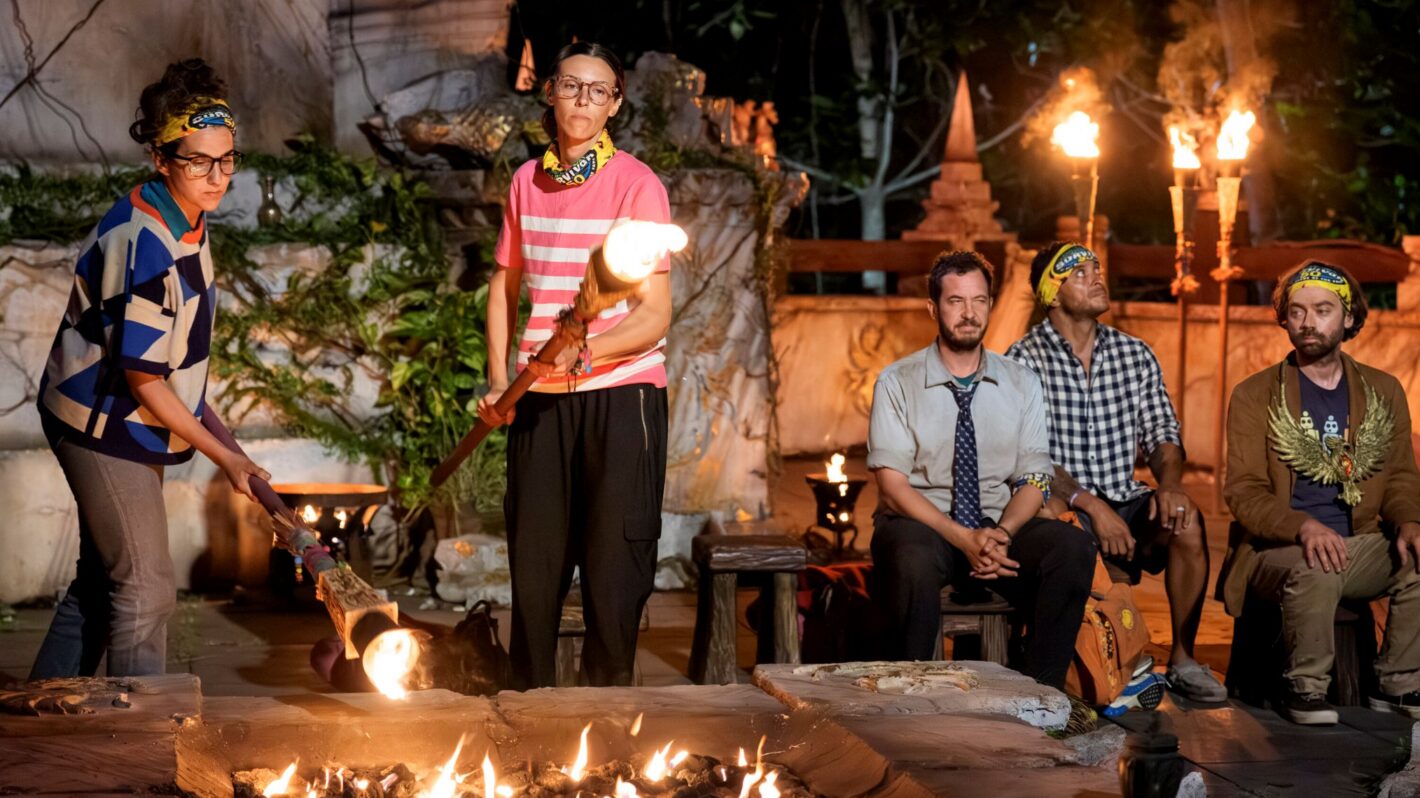
The "Blood Moon" Tribal Council: A Clash of Rivals
The tribal council that led to Mushaluk’s elimination was described by her as "pretty unpleasant" and a "dog pile." The "Blood Moon" phase, a narrative element woven into the season, seemed to coincide with heightened tensions. Mushaluk recognized her precarious situation the moment she saw her swapped tribe, knowing that her history with Aubry would likely be a deciding factor.
"There was a lot said for people who already knew that I was going home," Mushaluk revealed, underscoring the palpable sense of inevitability that permeated the council. The dynamic between Mushaluk and Bracco had been a central storyline throughout the season. Their rivalry, characterized by strategic maneuvering and personal friction, culminated in this pivotal tribal. While the on-screen portrayal might have appeared "benign" to viewers, Mushaluk described the atmosphere as intensely charged, with participants feeling emboldened to express their animosities.
"The blood moon is not my favorite phase of the lunar cycle, let’s say," she commented wryly, alluding to the difficult circumstances. This statement encapsulates the challenging environment of Survivor, where personal emotions can often boil over under pressure.
Analysis of the Aubry Rivalry and its Impact
The animosity between Genevieve Mushaluk and Aubry Bracco was a recurring theme in Survivor 50. Unlike some rivalries in the game that are purely strategic and can dissipate post-filming, Mushaluk indicated that her dynamic with Bracco was more fundamentally incompatible. "I think we’re just oil and water and very different people," she explained. This suggests a deeper personal disconnect that went beyond gameplay tactics.
Mushaluk contrasted this with her relationship with Rachel LaMont, the winner of Survivor 47. While their rivalry was competitive, it was underpinned by mutual respect and a strong personal bond that continues to this day. This highlights the nuanced nature of relationships in Survivor, where intense competition can coexist with genuine camaraderie. The inability to foster a similar connection with Bracco meant that their interactions remained strained, contributing to the tense atmosphere at tribal council.
The origin of their disagreement, according to Mushaluk, stemmed from Bracco targeting her. The lack of an "open conversation" about these strategic intentions created a foundation of distrust. "If you can’t have that open conversation, then every conversation is fake at best or fake and tense at worst," she stated, emphasizing the importance of honest communication in navigating complex social dynamics. The fact that the televised interactions were perhaps the "most positive parts" of their relationship speaks volumes about the underlying tension.
Strategic Decisions and Missed Opportunities
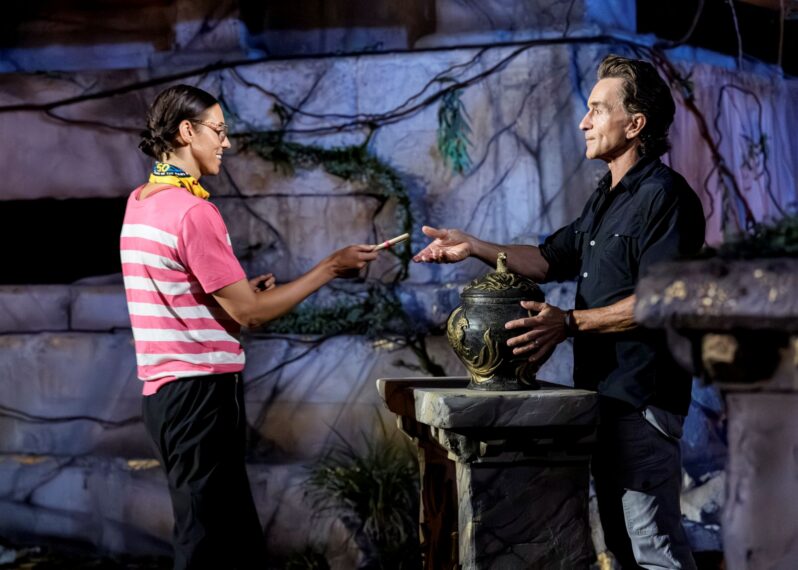
Mushaluk’s decision to give her coat to Aubry at tribal council, while seemingly a gesture of goodwill, also carried strategic weight. She explained it as a pragmatic move, acknowledging the pervasive "one-sided tension" and her perceived unpopularity throughout the game. By offering a tangible comfort, she aimed to signal a desire for a peaceful exit, separating the game from personal animosity. "It was never personal on my part," she asserted, a sentiment that wasn’t fully conveyed in the episode. This act, while perhaps symbolic, also served as a final acknowledgment of the game’s end for her.
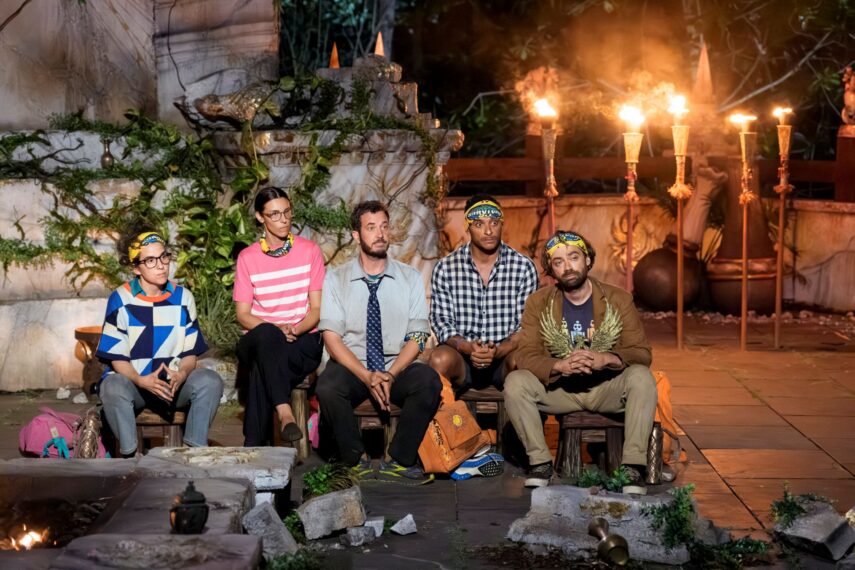
The revelation that Christian Hubicki had received one of the Boomerang Idols, and that it had eventually found its way to Aubry, added another layer of complexity to Mushaluk’s situation. Her pitch to Christian, had she known this, would have likely centered on the opportunity to reclaim his idol. However, the rapid-fire nature of swap tribals often limits the time available for in-depth strategic discussions. "You have hours on the beach," Mushaluk noted, underscoring the difficulty of convincing entrenched players to alter their course of action.
She recognized early on that her fate was likely sealed. The moment she saw the potential for rocks, she deduced that she was the most probable target. This foresight, while not allowing her to change her outcome, demonstrates her continued strategic thinking even in the face of impending elimination.
Reflections on the Game and Future Prospects
Mushaluk expressed a strong desire to return to being a fan of Survivor, citing the immense stress and emotional toll the game takes. "It’s taken five years off my life," she quipped, highlighting the mental and physical exertion involved. While acknowledging the producers’ interest in seeing her return, she remained firm in her decision, citing her struggles with anxiety and the overwhelming nature of the experience.
"I’m so ready to be a fan again," she stated, emphasizing her love for the show from an external perspective. Her confessionals prior to the season hinted at this sentiment, with her stating her intention to "soak it all in this time" and considering it her "final time." This indicates a conscious decision to savor the experience rather than strategizing for a future return.
However, she did express enthusiasm for seeing other contestants play again, particularly Kamilla and Colby. She lauded Kamilla’s strategic capabilities and Colby’s adaptability, noting that her perception of him evolved positively during their time playing together. This highlights her appreciation for the diverse skill sets and personalities that contribute to the rich tapestry of Survivor.
Unseen Strategy and Representation
Mushaluk also shed light on aspects of the game that didn’t make the final edit. She lamented the lack of shown strategy, particularly concerning discussions about throwing challenges and splitting votes. These conversations, she argued, are crucial for viewers to understand the underlying dynamics and "table setting" that leads to future tribal councils.
Furthermore, she addressed the ongoing discussion about the limited screen time for women in the early episodes of Survivor 50. Mushaluk countered this by emphasizing the significant strategic gameplay occurring among the female contestants. She specifically mentioned her own strategic conversations with Chrissy Hofbeck on the swap beach, which were not featured in the broadcast. This suggests a potential imbalance in narrative focus, where the strategic depth of the women’s game might be underrepresented.
"I promise you the ladies were playing," she asserted, advocating for greater recognition of their contributions to the game’s strategic landscape. Her own experience, where she felt her gameplay and strategic discussions were not fully showcased, underscores a broader potential issue of representation within the show’s editing.
The Emotional Toll of the Game
Mushaluk’s reflection on her final day in the game reveals the profound emotional impact of Survivor. She described her last day as "awful," filled with a desperate desire to stay juxtaposed with the crushing realization that her efforts were futile. This feeling of being a "dead man walking" is a unique form of suffering in the game, distinct from the shock of a blindside. It’s the slow, agonizing awareness of an impending, unavoidable exit.
"It’s a really heartbreaking feeling when you’re like, ‘I want it so bad, and there’s no amount of effort that I can put in that is going to make that happen,’" she shared. This sentiment resonates with the core struggle of Survivor players: the tension between intense desire and the limitations imposed by the game’s structure and social dynamics.
Her experience at tribal council, characterized by the "dog pile" and the "blood moon" tensions, served as a final, unpleasant punctuation mark on her game. While she maintained a diplomatic stance regarding the actions of her fellow contestants, her descriptions underscore the high-stakes emotional environment. The pressure cooker of Survivor often amplifies existing tensions and can lead to outbursts that, while dramatic for viewers, are deeply uncomfortable for those involved.
Genevieve Mushaluk’s journey on Survivor 50 was a compelling narrative of strategic innovation, intense rivalries, and the emotional complexities of competitive reality television. Her insights into the Boomerang Idol, her clashes with Aubry, and her reflections on the game’s toll provide a valuable look into the strategic and personal challenges faced by contestants. While she may be ready to hang up her buffs, her impact on the season and her thoughtful analysis of the game ensure her place as a memorable figure in Survivor history.