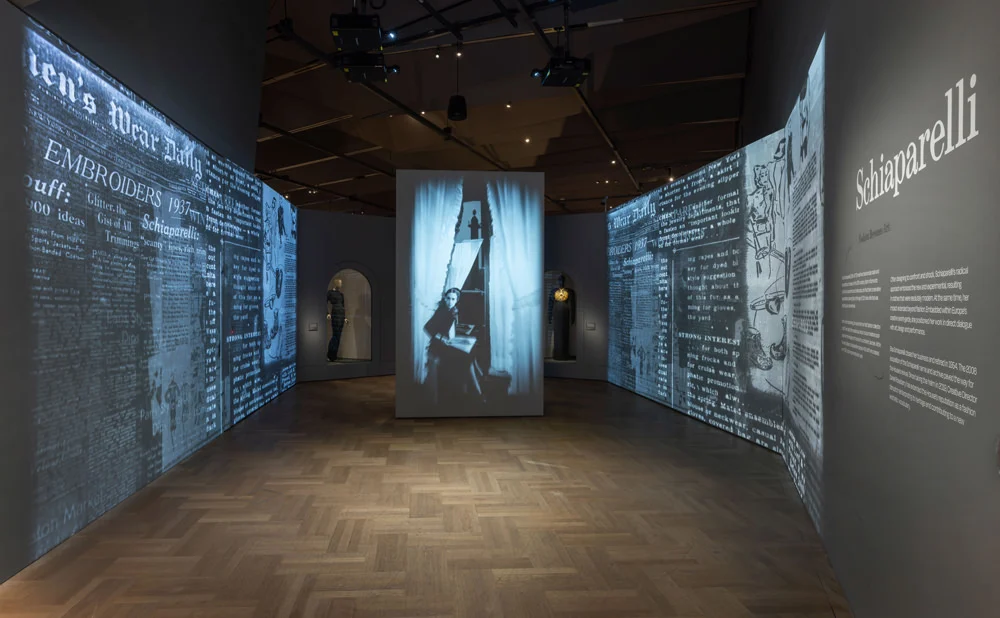

The Victoria and Albert Museum in London has officially announced a landmark retrospective dedicated to the life, work, and enduring legacy of Elsa Schiaparelli, one of the most provocative and influential figures in the history of haute couture. Titled Schiaparelli: Fashion Becomes Art, the exhibition is set to run from March 28 through November 8, 2026, offering an unprecedented look at a designer who famously declared that in difficult times, fashion must always be outrageous. This major showcase will trace the evolution of the Maison Schiaparelli from its experimental beginnings in the 1920s to its current status as a titan of modern luxury under the creative direction of Daniel Roseberry.
The exhibition is poised to be one of the most significant fashion events of the decade, drawing from the V&A’s own extensive archives—which house the largest collection of Schiaparelli garments in the United Kingdom—supplemented by loans from international institutions and private collections. By focusing on the intersection of clothing, surrealism, and fine art, the curators aim to reposition Elsa Schiaparelli not merely as a dressmaker, but as a central figure in the 20th-century avant-garde movement.
A Legacy of Radical Innovation and Artistic Synergy
Elsa Schiaparelli’s career was defined by her ability to bridge the gap between functional clothing and high art. Born in Rome and eventually settling in Paris, she rose to prominence during the interwar years, a period of intense social and cultural upheaval. Unlike her contemporary and rival Gabrielle "Coco" Chanel, who championed a more understated and practical elegance, Schiaparelli embraced the surreal, the whimsical, and the shocking.
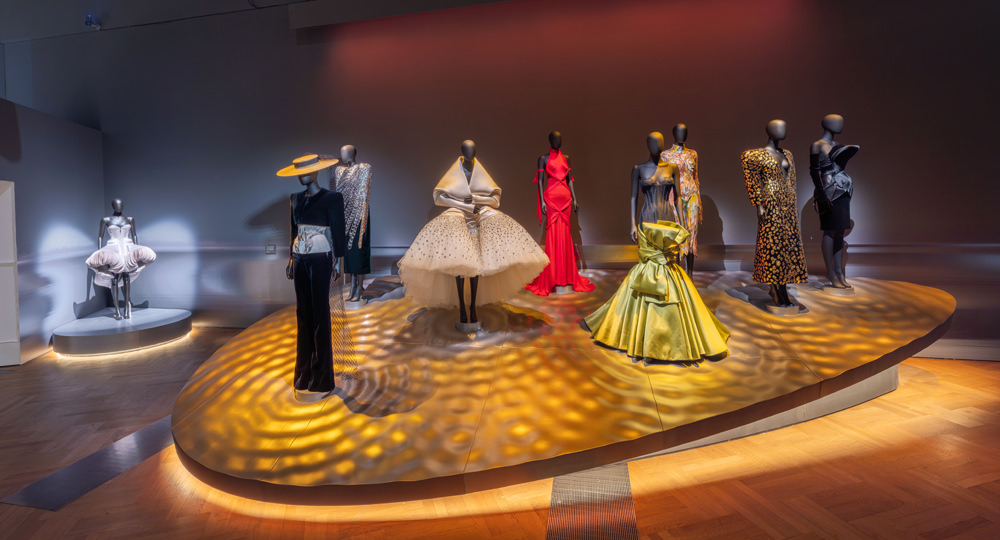
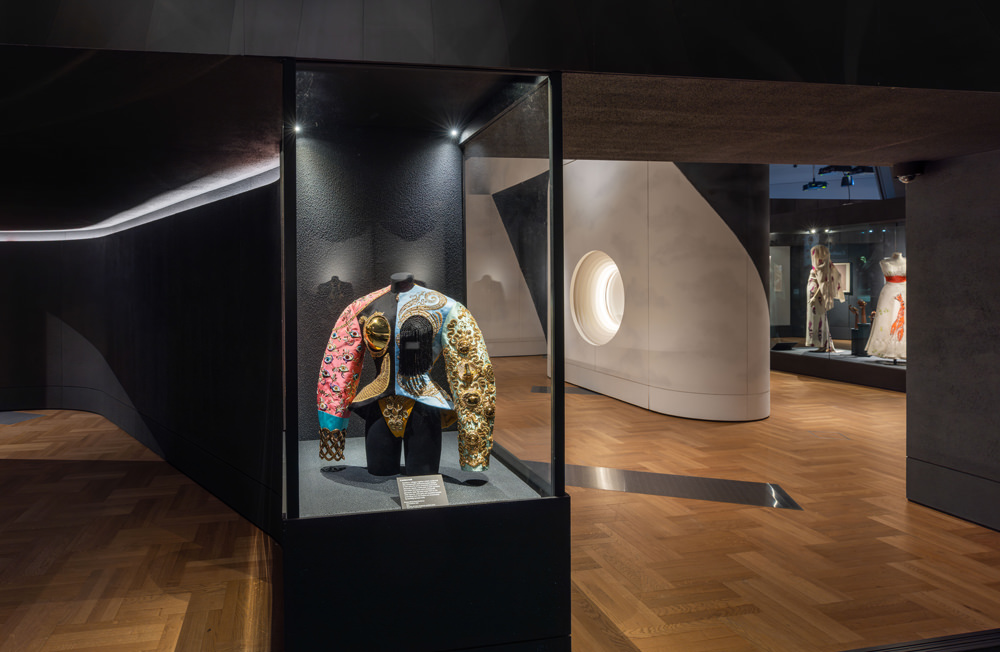
The upcoming V&A exhibition will feature over 200 objects, including garments, accessories, jewelry, and archive material. Central to the display will be her historic collaborations with the titans of Surrealism. Visitors will have the rare opportunity to see the "Skeleton" dress and the "Tears" dress, both conceived in partnership with Salvador Dalí. These pieces represent a pivotal moment in fashion history where the human form was treated as a canvas for psychological and artistic expression. Also on display will be the infamous shoe hat, an accessory that challenged the very definition of millinery by placing an upside-down high heel atop the head.
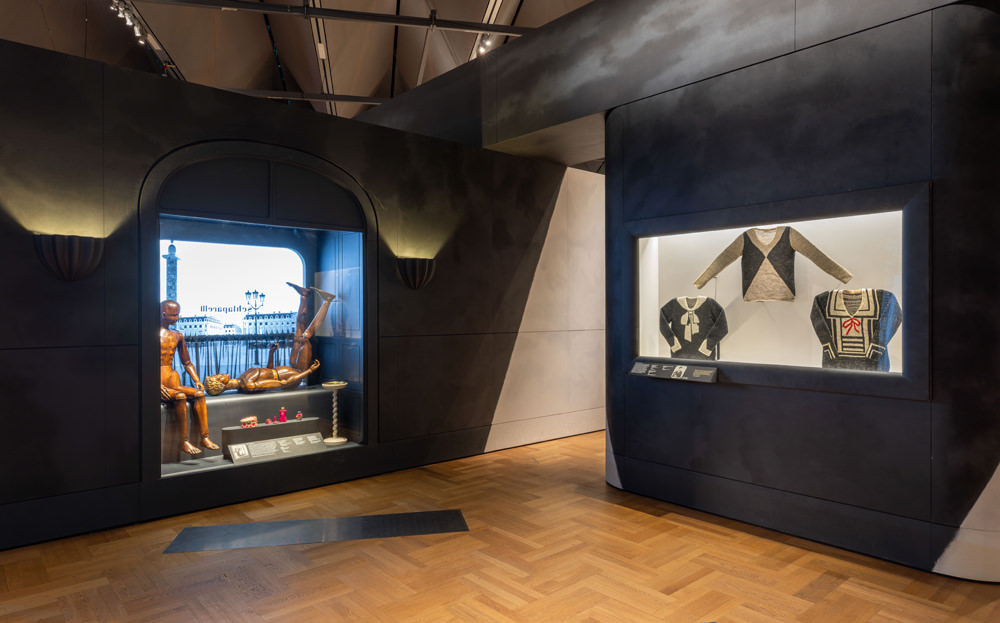
Beyond Dalí, the exhibition highlights Schiaparelli’s broader circle of influence, featuring works by Pablo Picasso, Jean Cocteau, and Man Ray. These collaborations were not merely marketing exercises; they were deep creative exchanges that resulted in garments featuring Cocteau’s line drawings or buttons shaped like miniature sculptures. The show will also explore her impact on the world of performance, showcasing designs created for film and theater that helped cement her reputation on both sides of the Atlantic.
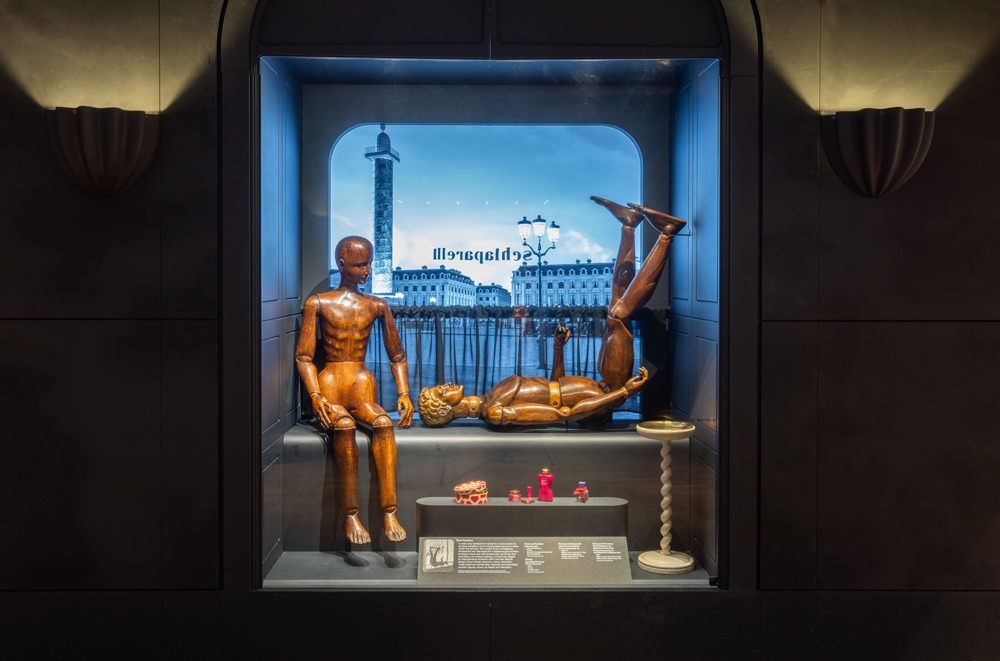
The London Connection and Entrepreneurial Spirit
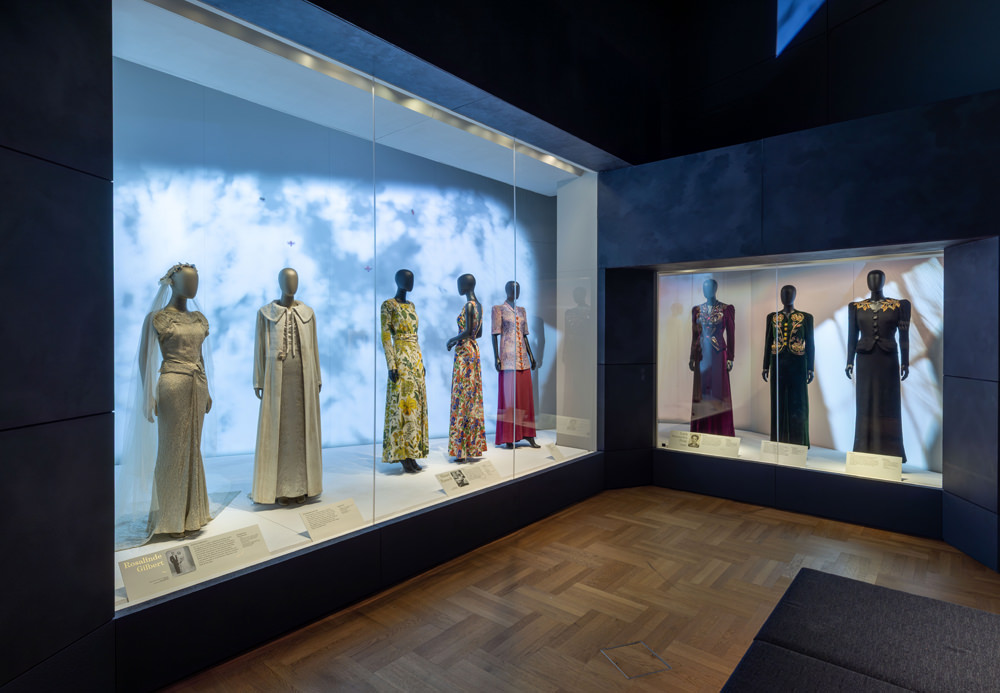
A unique aspect of the V&A’s retrospective is its specific focus on the London branch of the Schiaparelli house. While her headquarters at 21 Place Vendôme in Paris are legendary, the exhibition will be the first of its kind to spotlight her satellite location in the British capital. Schiaparelli’s London office catered to a distinct demographic of independent, dynamic clients who sought her "hard chic" aesthetic—a look characterized by sharp tailoring, visible zippers, and the pioneering use of synthetic fabrics like rayon and "rhodophane."
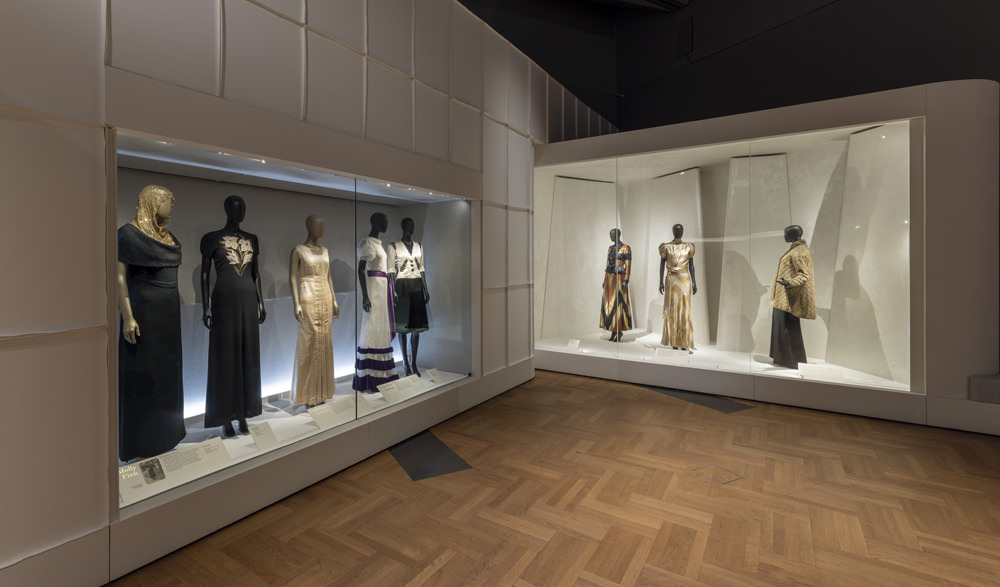
This section of the exhibition will underscore Schiaparelli’s prowess as a female entrepreneur. In an era when women were often sidelined in business, she managed a global brand with outposts in Paris, London, and New York. Her ability to navigate the complexities of international trade and maintain a consistent brand identity across different markets was a precursor to the modern fashion conglomerate. The exhibition will feature new research into her British clientele, revealing how her radical designs were adapted for the social calendars of London’s elite.
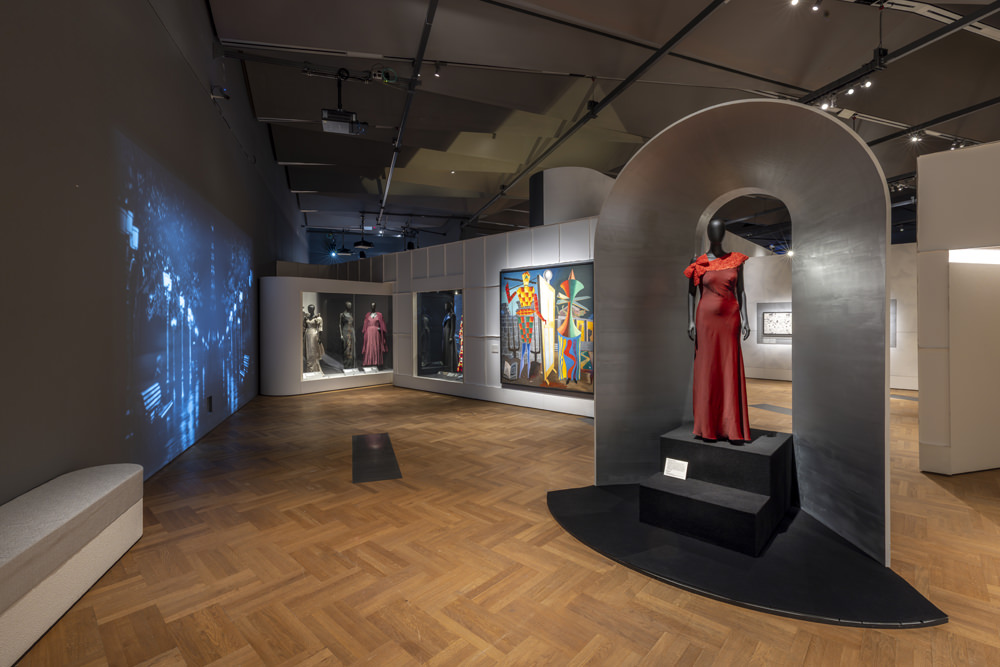
Chronology of a Fashion Revolution
To provide visitors with a comprehensive understanding of the house’s trajectory, the exhibition will follow a detailed chronological path:
- 1927–1930: The Foundation. The journey begins with Schiaparelli’s first major success—a hand-knitted sweater featuring a trompe l’oeil bow-knot. This piece revolutionized knitwear and established her penchant for visual illusions.
- 1931–1939: The Surrealist Peak. This period covers her move to Place Vendôme and her most famous collections, including the "Circus" and "Astrology" collections. This era saw the birth of "Shocking Pink," a vibrant magenta that became her signature color.
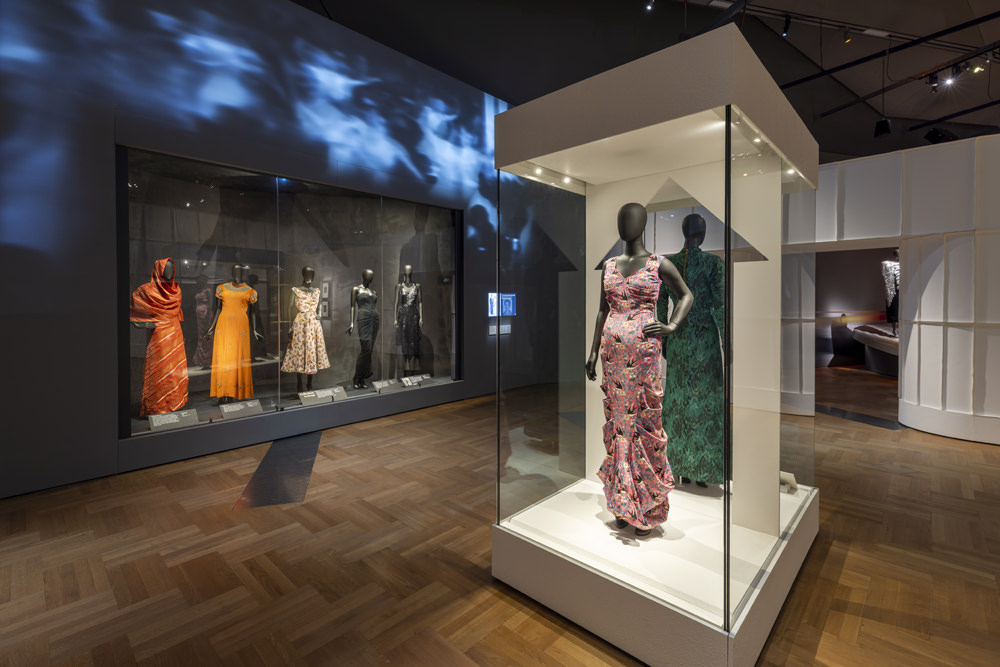
- 1940–1945: The War Years. The exhibition explores how Schiaparelli navigated World War II, moving to New York and continuing to design functional yet stylish "Canning" suits and garments with oversized pockets for wartime essentials.
- 1947–1954: The Post-War Transition. Following the war, Schiaparelli struggled to compete with the "New Look" of Christian Dior. The house eventually closed its couture operations in 1954, the same year she published her autobiography, Shocking Life.
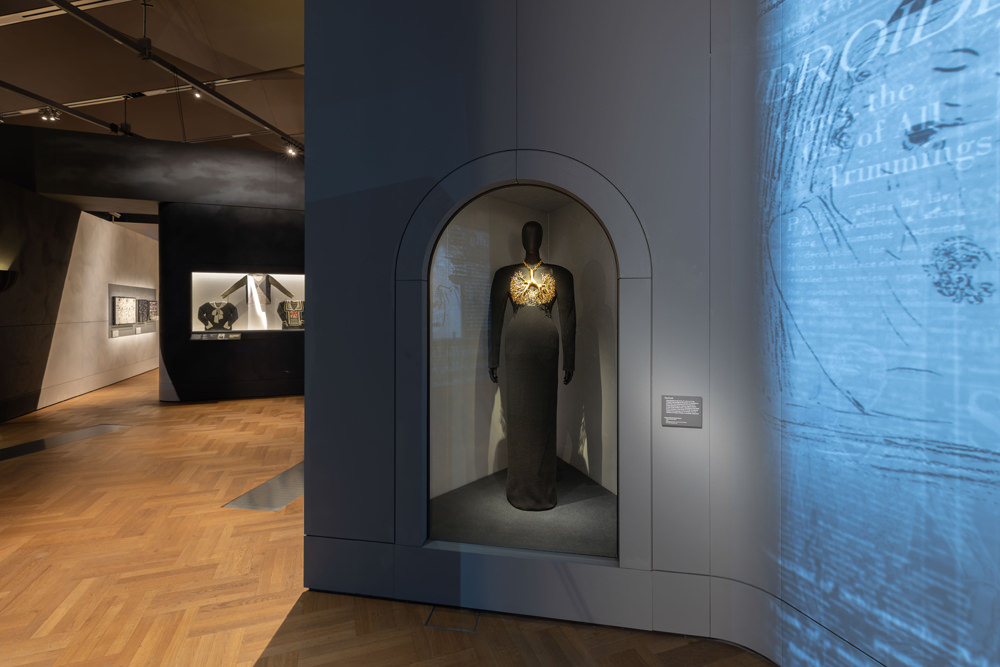
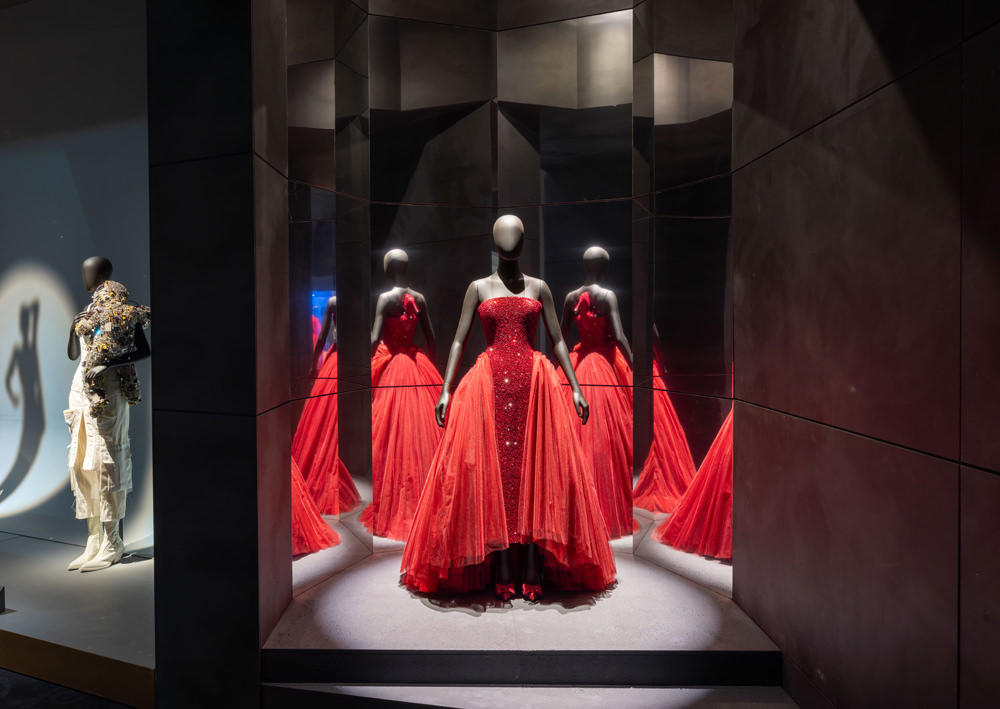
- 2012–Present: The Renaissance. After decades of dormancy, the brand was revived. The exhibition concludes with the work of Daniel Roseberry, who became creative director in 2019. Roseberry’s tenure has seen a return to the brand’s surrealist roots, with bold, sculptural designs that have become favorites on the global red carpet.
Official Responses and Curatorial Vision
The announcement of the exhibition has been met with significant enthusiasm from the leadership of both the V&A and the Maison Schiaparelli. Tristram Hunt, Director of the V&A, emphasized the museum’s role in preserving fashion history. "Schiaparelli: Fashion Becomes Art will celebrate one of the most ingenious and daring designers in fashion history," Hunt stated. "The V&A holds one of the largest and most important fashion collections in the world, and the foremost collection of Schiaparelli garments in Britain. Her collaboration with artists and the world of performance make the Maison an ideal subject for a spectacular exhibition."
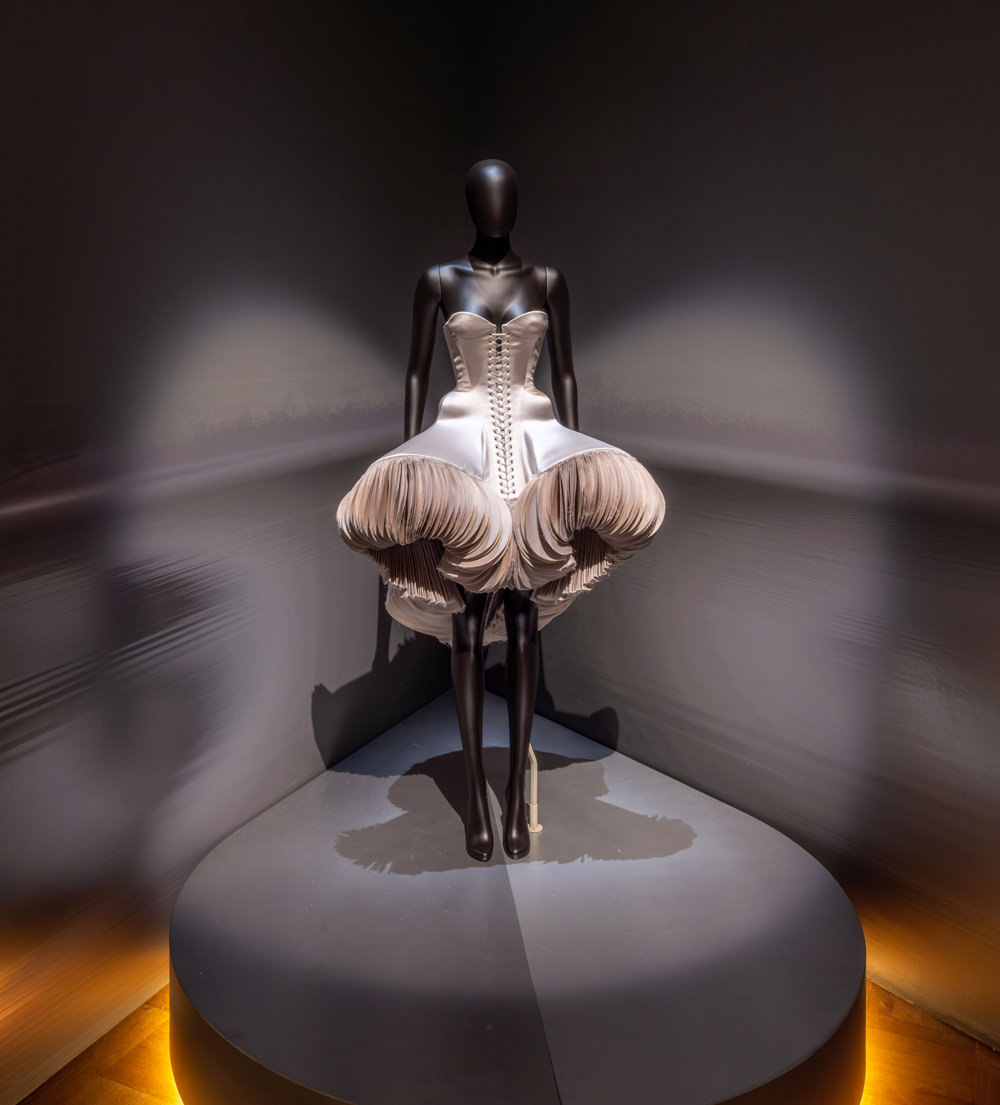
Delphine Bellini, CEO of Schiaparelli, noted the synergy between the museum and the brand’s heritage. "Elsa Schiaparelli’s fearless imagination and radical vision redefined the boundaries between fashion and art," Bellini remarked. She added that the Victoria and Albert Museum offers the "perfect setting" to showcase Elsa’s legacy alongside Daniel Roseberry’s modern creations, which continue to "blur the lines" with bold, sculptural designs that reinvent her vision for a new century.
Impact and Cultural Implications
The decision to host a Schiaparelli retrospective reflects a broader trend in the museum world: the elevation of fashion to the status of fine art. In recent years, "blockbuster" fashion exhibitions—such as those dedicated to Alexander McQueen, Christian Dior, and Gabrielle Chanel—have drawn record-breaking crowds to the V&A. These shows demonstrate that fashion is a powerful lens through which to view social history, gender politics, and artistic evolution.
Schiaparelli’s work is particularly relevant today as the boundaries between different creative disciplines continue to dissolve. Her use of unconventional materials, her embrace of the "ugly-beautiful," and her focus on the conceptual over the purely decorative are all elements that resonate with contemporary designers. By highlighting the work of Daniel Roseberry alongside Elsa’s original designs, the exhibition also addresses the challenge of heritage brand revival—showing how a historical house can remain relevant by honoring its past while aggressively pursuing innovation.
Furthermore, the exhibition serves as a reminder of the power of fashion during times of crisis. Schiaparelli’s career spanned the Great Depression and World War II, yet she never wavered in her commitment to creativity and "outrageous" beauty. In a modern era characterized by its own set of global challenges, her philosophy offers a compelling argument for the importance of art and imagination as tools for resilience.
Exhibition Logistics and Visiting Information
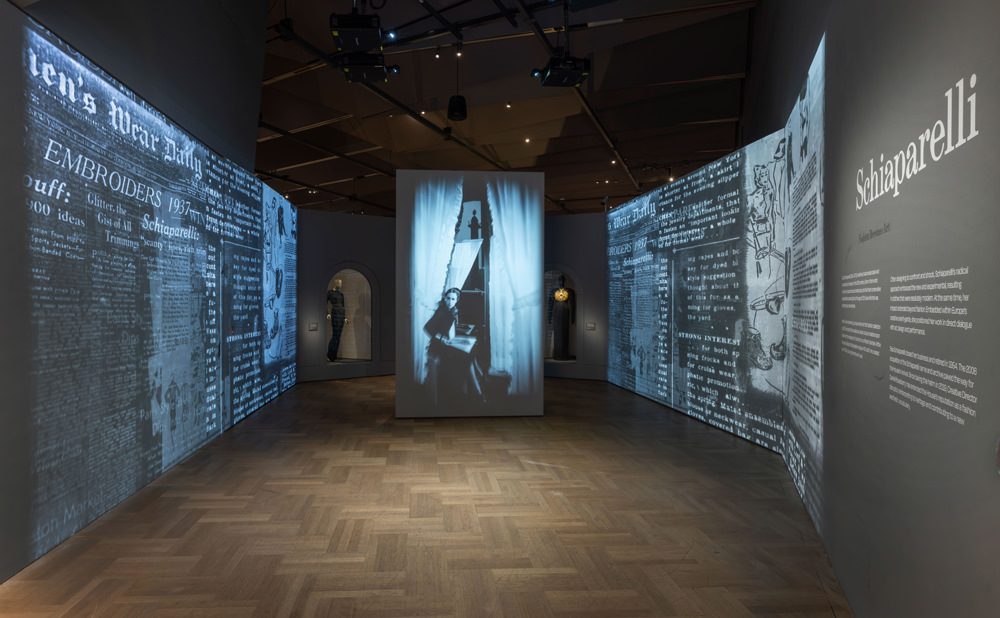
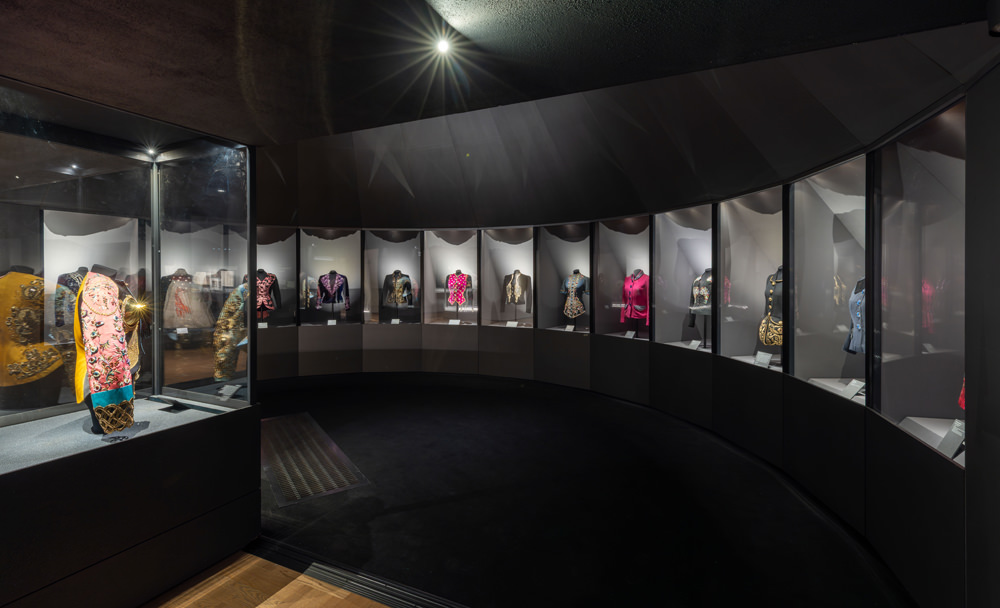
Schiaparelli: Fashion Becomes Art will be housed in the V&A’s specialized fashion galleries, utilizing immersive scenography to reflect the surrealist spirit of the designer. The 200 objects will be organized thematically and chronologically, supported by multimedia displays, including original film footage and photographs by Man Ray and Cecil Beaton.
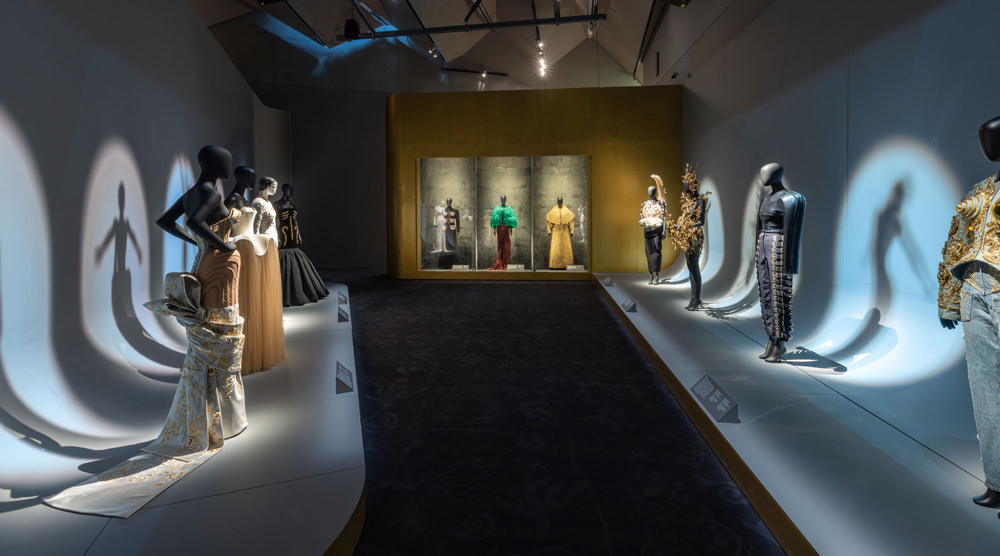
The exhibition is expected to attract a diverse audience, from fashion students and art historians to the general public. Given the popularity of previous V&A fashion retrospectives, museum officials recommend early booking. The show will be accompanied by a comprehensive publication featuring new scholarship and high-resolution photography of the garments.
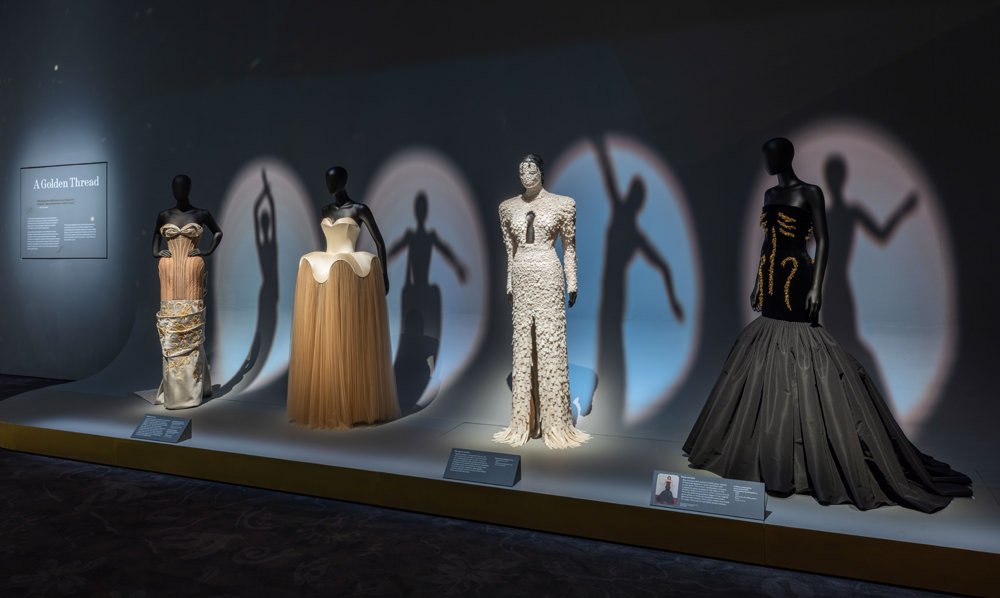
As London prepares for the 2026 spring season, this exhibition stands as a testament to the enduring power of Elsa Schiaparelli’s "Shocking" vision. By placing her work at the nexus of a "stellar sphere" of innovation involving Paris, London, and New York, the V&A ensures that the legacy of fashion’s greatest surrealist will continue to inspire for generations to come.