
A groundbreaking garden design, poised to inspire a new generation of horticultural enthusiasts and deepen the public’s connection with nature, has received the esteemed royal seal of approval from King Charles III. This innovative project, a collaborative effort between the Royal Horticultural Society (RHS) and The King’s Foundation, is set to be a highlight at the world-renowned Chelsea Flower Show, embodying a profound message of ecological stewardship and the simple joy of discovery in gardening. The garden, aptly named "The RHS and The King’s Foundation Curious Garden," aims to ignite curiosity, encourage learning, and promote sustainable practices within the green sphere.
The Genesis of Inspiration: A Highgrove Summit
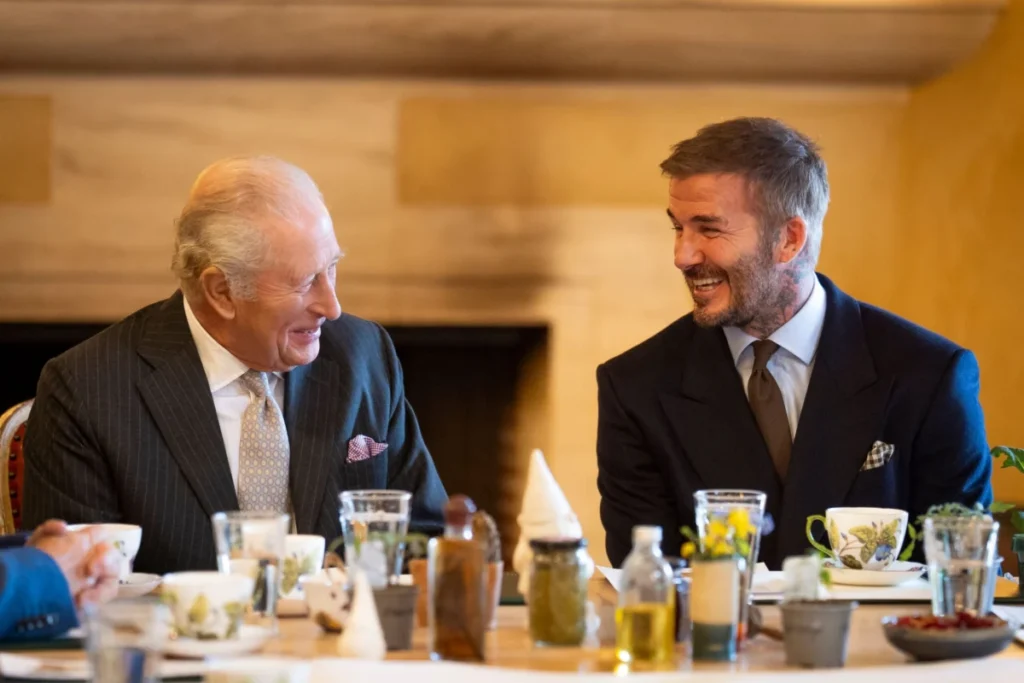
The final design elements for this ambitious undertaking were meticulously reviewed and agreed upon during a significant gathering at King Charles’s private residence, Highgrove House, in Gloucestershire. The monarch himself presided over the meeting, joined by an illustrious panel of co-champions and the garden’s visionary designer. Among those present were global icon Sir David Beckham, celebrated horticulturalist and television personality Alan Titchmarsh, and the acclaimed garden designer Frances Tophill. This high-profile collaboration underscores the garden’s dual objectives: to celebrate the beauty of nature and to champion the critical role of gardening in environmental education and well-being. The King’s direct involvement highlights his long-standing commitment to sustainable practices and traditional crafts, principles deeply embedded in the ethos of The King’s Foundation. Sir David Beckham, renowned for his sporting achievements, has increasingly become a prominent advocate for environmental causes, particularly beekeeping, a passion he shares with the King. Alan Titchmarsh, a household name in British gardening, brings decades of expertise and an infectious enthusiasm for horticulture, serving as an ambassador for both the RHS and The King’s Foundation. Frances Tophill, with her contemporary design sensibility, has translated these diverse inspirations into a cohesive and engaging landscape.
A Tapestry of Natural Elements and Symbolic Gestures
The Curious Garden is conceived as a rich tapestry of natural elements, each carefully selected to tell a story and evoke a sense of wonder. A core tenet of its design is the deliberate exclusion of man-made materials, emphasizing a harmonious relationship with the natural world and promoting biodiversity. This commitment to sustainability is reflected in every aspect, from planting choices to structural components.

One of the most anticipated features is the inclusion of a traditional beehive, a direct nod to the shared passion for apiculture between King Charles and Sir David Beckham. The King has long been a vocal proponent of bee conservation, maintaining numerous hives across his estates and advocating for pollinator-friendly gardening. Sir David, too, has recently embraced beekeeping, often sharing glimpses of his burgeoning apiary with his vast social media following, inspiring many to consider the vital role of these insects. The beehive in the garden will serve as a poignant symbol of ecological balance and the intricate web of life that gardening supports. Bees, critical pollinators, are facing unprecedented threats globally, and their inclusion in such a high-profile garden aims to raise awareness about their plight and the simple actions individuals can take to support local bee populations.
Central to the garden’s structure will be an elegant oak building, envisioned as a "museum of curiosities." This architectural feature is designed not merely as a focal point but as an interactive space, inviting visitors to delve into the wonders of the natural world. It will likely house botanical specimens, educational displays, and perhaps even historical gardening tools, encouraging visitors to explore, question, and learn. This concept aligns perfectly with the garden’s overarching theme of fostering curiosity and discovery.
Adding a personal touch, the garden will feature seven distinct raised beds. This specific number is a deliberate tribute to Sir David Beckham’s iconic number 7 shirt, which he famously wore during his illustrious careers with Manchester United and the England national football team. This playful yet meaningful detail bridges the worlds of sport and horticulture, making the garden relatable to a wider audience and showcasing Beckham’s personal connection to the project. Each raised bed could potentially showcase different planting schemes or themes, further enhancing the "curious" aspect of the design.
Horticultural beauty will abound with the presence of delphiniums, known for their majestic spires of vibrant colour. These particular flowers hold a special significance as they are among King Charles’s favourites, often gracing the borders of his private gardens. Their inclusion imbues the garden with a personal royal touch, connecting the monarch’s private passions with a public display of horticultural excellence. Complementing these will be a selection of roses, each bearing the name of the garden’s esteemed champions, a traditional honour in the world of floriculture.

A Bouquet of Personalities: The Named Roses
The discussion at Highgrove offered charming insights into the personal stories behind these named roses. Sir David Beckham shared the touching origin of the ‘Sir David Beckham’ rose. He recounted that the white bloom was a thoughtful gift from his teenage daughter, Harper, for his 50th birthday last year. The King, curious about its characteristics, inquired about its colour and fragrance. "White," Sir David confirmed, adding, "My daughter actually, it was a gift from her for my 50th birthday last year… She organised that… She chose it, so very special." When asked about its scent, Beckham playfully responded, "It smells amazing, amazing. Not as good as yours," eliciting laughter from the King, underscoring the relaxed and convivial atmosphere of the meeting. This white rose, beyond its aesthetic appeal, represents a cherished family connection and a personal milestone, making its inclusion in the garden all the more meaningful.
The King’s own namesake rose, ‘The King’s Rose,’ is described as a stunning pink and white striped English shrub rose. Its fragrance profile is a delicate blend of fresh red apple and rosewater, promising a sensory delight for visitors. This rose embodies a classic English garden aesthetic, reflecting the King’s appreciation for traditional horticultural beauty and the rich heritage of British rose breeding.
Alan Titchmarsh’s namesake rose is a distinctive pink variety with a peony-shaped flower. With characteristic humour, Titchmarsh described it to the monarch: "pink with a sort of peony-shaped flower, but apparently I have a slightly weak neck, but if you prune me hard, I’m quite… It’s true actually, yeah really," prompting more laughter. This self-deprecating remark adds a touch of levity and personal charm, typical of Titchmarsh’s public persona, while also offering a subtle horticultural hint about the care required for such a bloom.
The Whimsical Return of the Garden Gnomes
In a delightful and historically significant move, the RHS has announced a temporary lifting of its long-standing ban on garden gnomes at the Chelsea Flower Show. This marks only the second time in the show’s illustrious history that these ornamental figures will be permitted on display. The decision adds a touch of whimsical charm to the garden, celebrating a tradition deeply rooted at Highgrove, where gnomes are often playfully incorporated into the stumpery. For this year’s show, celebrity-decorated gnomes will be a special attraction, destined to be auctioned off to raise vital funds for the RHS’s impactful campaign for school gardening. This initiative aims to connect children with nature, teach them valuable life skills, and foster an early appreciation for horticulture, making the gnomes not just decorative, but instruments of education and philanthropy. The initial ban on gnomes at Chelsea, a point of contention and amusement for decades, stemmed from the show’s emphasis on sophisticated design and botanical integrity. Its relaxation for charitable purposes demonstrates a flexible and inclusive approach, acknowledging popular culture while serving a greater cause.

Voices of Enthusiasm: Driving Engagement and Education
The champions of The Curious Garden articulated their excitement and the profound motivations behind their involvement. Sir David Beckham expressed his enjoyment in contributing to the project and his eagerness for the public to experience it at Chelsea. "Both The King’s Foundation and the RHS do such great work in protecting and promoting green spaces across the UK," he stated. "I want to help encourage a new generation to appreciate the benefits of nature and get involved in gardening. It’s been fun to be a part of creating the Curious Garden and I’m excited for people to see it at RHS Chelsea Flower Show." His words underscore a genuine desire to leverage his global platform to inspire environmental consciousness and practical engagement with nature, particularly among young people.
Alan Titchmarsh, a veteran advocate for gardening, echoed this sentiment, emphasizing the foundational role of curiosity. "Curiosity is really the beginning of any gardening journey – and certainly that’s how I began my career – so I hope this work inspires a new generation of gardeners to explore their talents through the incredible training and work experience schemes available via the RHS and The King’s Foundation." Titchmarsh highlights the garden as a gateway to vocational pathways in horticulture, a sector that offers fulfilling careers and contributes significantly to environmental health and aesthetic beauty.
Frances Tophill, the garden’s designer, conveyed her enthusiasm for the project and the privilege of working on such a unique design for her first Chelsea garden with the RHS. "As my first Chelsea garden for the RHS, I am thrilled to be working on such a special design," she remarked. "It has been inspiring to spend time at Highgrove and learn more about His Majesty’s approach to gardening and how he incorporates his Harmony philosophy into all of the work that takes place there – which we have brought to the designs for the garden." Her mention of the King’s "Harmony philosophy" refers to his holistic approach to land management and design, advocating for an integration of human activity with natural systems, promoting biodiversity, and respecting traditional wisdom. This philosophy is evident in the garden’s emphasis on natural materials and ecological principles.
Nurturing Future Horticulturists: A Hands-On Approach
A crucial aspect of The Curious Garden project is its commitment to fostering the next generation of horticultural talent. Garden trainees and apprentices from both RHS Wisley gardens and Highgrove Gardens have been actively involved in the project. They have contributed to the planning and will be instrumental in the physical construction of the garden on-site at the Royal Hospital Chelsea. During the Highgrove meeting, the King engaged directly with these trainees, hearing firsthand about their involvement and experiences. This hands-on participation provides invaluable practical experience and mentorship, equipping these budding horticulturists with the skills and knowledge needed to excel in the industry. It also serves as a tangible example of the training and work experience schemes championed by the RHS and The King’s Foundation, demonstrating a clear pathway from curiosity to a professional career in gardening. The collaboration between these two prestigious horticultural institutions ensures a high standard of training and broad exposure for the apprentices, reinforcing the importance of practical skills in modern horticulture.

The Broader Impact and Legacy of The Curious Garden
The RHS Chelsea Flower Show, an annual spectacle attracting hundreds of thousands of visitors and watched by millions globally, is more than just a display of beautiful gardens. It is a powerful platform for innovation, education, and raising awareness about pressing environmental issues. The Curious Garden, with its royal patronage and celebrity backing, is perfectly positioned to amplify messages of sustainability, biodiversity, and the sheer joy of gardening to an unprecedented audience.
The garden’s focus on inspiring curiosity is particularly timely in an era where digital distractions often pull individuals away from nature. By creating an engaging and interactive space, it seeks to rekindle a fundamental connection to the natural world, especially among younger demographics. This aligns with the RHS’s broader mission to enrich lives through plants and to make Britain a greener and more beautiful place. The King’s Foundation, dedicated to preserving traditional skills and promoting sustainable living, sees this garden as a living embodiment of its principles, demonstrating how beauty and ecological responsibility can coexist.
Furthermore, the charitable aspect of the celebrity-decorated gnomes underscores the philanthropic reach of the show. Funds raised for school gardening programs will directly impact children’s lives, providing them with opportunities to learn about food production, ecosystems, and environmental stewardship from an early age. This investment in foundational environmental education is critical for cultivating future generations who are knowledgeable and passionate about protecting our planet.
In essence, "The RHS and The King’s Foundation Curious Garden" transcends the traditional concept of a show garden. It is a carefully curated statement, a call to action, and a celebration of the enduring power of nature. From the King’s delphiniums and the shared passion for beekeeping to Sir David Beckham’s iconic number and Alan Titchmarsh’s characteristic wit, every element contributes to a narrative that is both personal and universal. As visitors wander through its naturalistic pathways and discover its hidden gems, they will not only be treated to a visual feast but will also be encouraged to look, learn, and cultivate their own curiosity towards the magnificent world of plants and nature. The garden promises to be a memorable and impactful contribution to the Chelsea Flower Show’s illustrious history, leaving a lasting legacy of inspiration and environmental consciousness.