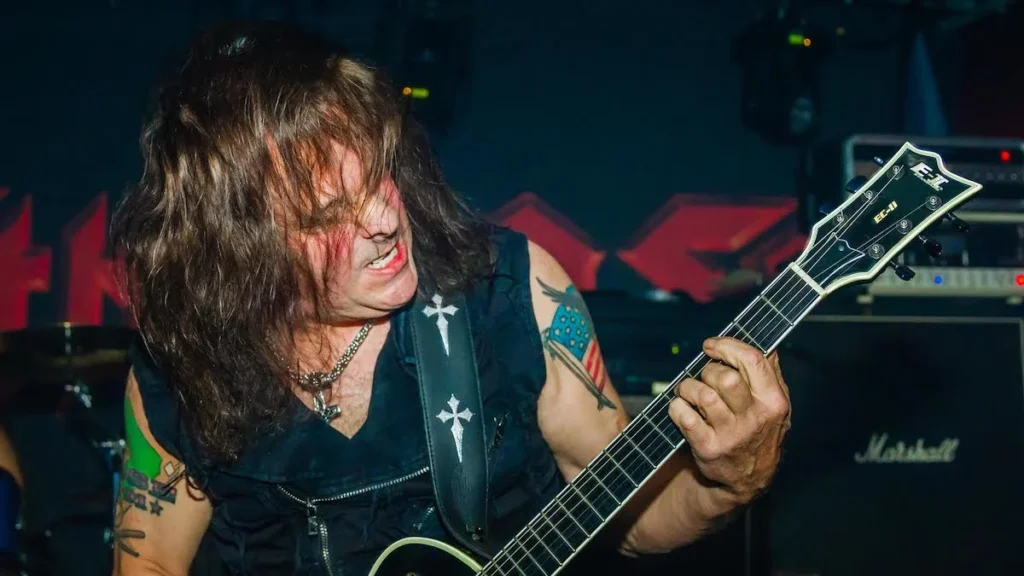

The world of rock and heavy metal mourns the passing of Ross “The Boss” Friedman, a guitarist whose indelible mark spanned the raw energy of proto-punk with The Dictators and the epic grandeur of true metal with Manowar. Friedman died at the age of 72 after a courageous battle with Amyotrophic Lateral Sclerosis (ALS), often referred to as Lou Gehrig’s Disease. His death was officially confirmed by the Metal Hall of Fame, a testament to his profound and multifaceted legacy in music.
A Pioneering Force in Two Genres
Born Ross Friedman in New York City, he would become known globally as "The Boss," a moniker that perfectly encapsulated his commanding presence and influential guitar work. His career trajectory was unique, navigating and shaping two distinct yet equally impactful genres. From the nascent punk scene of New York in the early 1970s to the burgeoning heavy metal movement of the 1980s, Friedman’s contributions were characterized by a powerful playing style, an unmistakable tone, and an uncompromising spirit that inspired generations of musicians and fans worldwide.
The Dictators: Architects of Proto-Punk
Friedman’s journey into the annals of music history began in 1973 when he co-founded The Dictators in New York City. Alongside bandmates like Handsome Dick Manitoba and Andy Shernoff, Friedman helped forge a sound that was ahead of its time, blending the raucous energy of garage rock with sarcastic humor and a raw, aggressive edge that would become the blueprint for punk rock. The band emerged from the fertile ground of the New York rock scene, frequenting legendary venues like CBGBs and Max’s Kansas City, where they shared stages with future icons like the Ramones, Television, and Blondie.
The Dictators’ debut album, Go Girl Crazy!, released in 1975, is widely regarded as a seminal work in proto-punk. Friedman’s guitar work on tracks like "Two Tub Man" and "The Next Big Thing" was a driving force, characterized by its gritty riffs and high-octane solos that perfectly complemented the band’s irreverent attitude. This album, though not an immediate commercial success, garnered critical acclaim over time and cemented The Dictators’ status as cult heroes and essential precursors to the punk explosion. They followed up with albums such as Manifest Destiny (1977) and Bloodbrothers (1978), further solidifying their distinctive sound. Friedman remained an integral member of The Dictators throughout their various incarnations and reunions, showcasing an enduring commitment to the band that launched his career. His playing provided the muscular backbone for their infectious, rebellious anthems, making him a cornerstone of the band’s identity and an unsung hero of the punk movement.
Manowar: Forging the Path of True Metal
In a significant stylistic pivot, Friedman departed from the nascent punk scene to co-found the heavy metal band Manowar in 1980. This transition showcased his versatility and his ability to adapt his formidable guitar skills to an entirely different musical landscape. Manowar quickly established themselves with a distinct aesthetic and sound: an unwavering commitment to "true metal," often incorporating sword-and-sorcery themes, bombastic arrangements, and a powerful, theatrical stage presence.
Friedman’s tenure with Manowar, from 1980 to 1989, was highly prolific and critical to defining the band’s iconic sound. He contributed to their most celebrated albums, including Battle Hymns (1982), Into Glory Ride (1983), Hail to England (1984), Sign of the Hammer (1984), Fighting the World (1987), and Kings of Metal (1988). On these records, his guitar work was instrumental in crafting Manowar’s signature sound, characterized by soaring solos, heavy, often galloping riffs, and a raw power that matched the band’s epic lyrical themes. Tracks like "Kill With Power," "Blood of My Enemies," and "Kings of Metal" prominently feature Friedman’s distinctive shredding and powerful rhythm playing, helping to define the nascent genre of power metal and influencing countless bands in the years that followed. His departure from Manowar in 1989 marked the end of an era for the band, but his contributions during that formative decade remain foundational to their legacy.
Beyond the Iconic Bands: A Diverse Musical Journey
Even after his departure from Manowar, Ross Friedman continued to be an active and respected figure in the music scene. His career was marked by a series of diverse collaborations and projects, demonstrating his continuous passion for creating and performing music. He joined Manitoba’s Wild Kingdom, a band that reunited him with fellow Dictators Andy Shernoff and Handsome Dick Manitoba, further exploring their shared musical chemistry. He also lent his talents to the French rock band Shakin’ Street and the band Heyday, showcasing his adaptability across different rock subgenres and international scenes.
In later years, Friedman extensively toured and recorded with his own eponymous group, the Ross The Boss Band. This project allowed him to fully express his musical vision, often blending elements of his heavy metal past with new compositions, ensuring his distinctive guitar style continued to resonate with fans. The Ross The Boss Band released albums such as New Metal Leader (2008) and By Blood Sworn (2018), which were met with enthusiasm from his dedicated fanbase, proving his enduring appeal and creative drive well into his senior years. His solo career provided a platform for him to celebrate his legacy while also exploring new musical territories, keeping his flame burning brightly for decades.
A Public Battle with ALS
Less than two months prior to his passing, in February 2026, Ross Friedman publicly revealed his diagnosis with Amyotrophic Lateral Sclerosis (ALS). The revelation was met with an outpouring of support from fans and peers across the globe, highlighting the deep affection and respect he commanded within the music community. In his own statement at the time, Friedman shared his profound emotional struggle, stating, "It’s difficult to know what lies ahead, and it crushes me not to be able to play guitar, but the outpouring of love has been so, so strong. I’m absolutely blown away by the love and support from family, friends and fans. I love you all."
ALS, also known as Lou Gehrig’s Disease, is a progressive neurodegenerative disease that affects nerve cells in the brain and spinal cord, leading to loss of muscle control. The disease gradually paralyzes individuals, eventually impacting their ability to speak, eat, and breathe. Friedman’s public acknowledgement of his battle brought increased awareness to the condition and underscored the immense courage with which he faced his final challenge, embodying the same uncompromising spirit that defined his musical career.
Tributes and Enduring Legacy
The news of Ross Friedman’s death prompted immediate and widespread tributes from across the music industry. The Metal Hall of Fame, which inducted him into its ranks, issued a comprehensive statement reflecting on his monumental impact:
"It is with deep sadness that we confirm the passing of legendary guitarist, our dear friend, Metal Hall of Fame Inductee, and Global Metal Ambassador Ross ‘The Boss’ Friedman. Ross was a pioneering force in both punk and heavy metal, best known as a founding member of The Dictators and Manowar. His powerful playing, unmistakable tone, and uncompromising spirit helped shape generations of musicians and fans around the world. Earlier this year, Ross publicly shared his diagnosis with amyotrophic lateral sclerosis (ALS), facing it with the same courage and honesty that defined his life and career. Ross’s impact on music is immeasurable. From the raw energy of early punk to the epic scale of heavy metal, his work left a lasting mark on the genre and on everyone who experienced it. Beyond his achievements on stage and in the studio, Ross was deeply respected by his peers and beloved by fans across continents. His legacy will live on through his music, his influence, and the countless lives he touched. We extend our heartfelt condolences to his family, friends, bandmates, and fans worldwide during this difficult time. Further details will be shared as they become available."
This statement encapsulates the profound respect and admiration Friedman earned throughout his career. Fellow musicians, critics, and fans alike have flooded social media with their condolences and memories, sharing stories of his influence and celebrating his unique contributions. The shared sentiment emphasizes his dual legacy: as a foundational figure in the gritty, rebellious birth of punk, and as a titan in the development of heavy metal’s more grandiose and powerful forms.
Broader Impact and Implications
Ross "The Boss" Friedman’s career serves as a remarkable testament to musical versatility and an unyielding commitment to artistic expression. His ability to seamlessly transition from the stripped-down aggression of proto-punk to the intricate, epic soundscapes of heavy metal is a rare feat in the music industry. This unique trajectory not only broadened his appeal but also demonstrated the interconnectedness of seemingly disparate genres, proving that a powerful riff and an authentic delivery transcend stylistic boundaries.
His influence extended beyond mere performance; he helped to define the sonic characteristics of two iconic bands that left an indelible mark on their respective genres. The Dictators’ raw energy paved the way for punk, while Manowar’s "true metal" ethos inspired a generation of power and traditional heavy metal bands. Friedman’s guitar playing, characterized by its aggression, precision, and melodic sensibility, became a benchmark for many aspiring guitarists. He was not just a player; he was a craftsman, building sonic foundations that endure to this day.
His passing marks the end of an era, but his music and spirit will undoubtedly continue to inspire. The depth of his catalog, the passion of his performances, and the honesty with which he lived his life and faced his final illness cement his place as a true legend. Ross "The Boss" Friedman leaves behind a legacy of uncompromising rock and roll, a powerful reminder of a musician who truly walked his own path, leaving an immeasurable impact on the sound and soul of two of music’s most vibrant genres. His contributions will echo through the halls of rock and metal for generations to come, ensuring that the Boss’s reign is eternal.