
The Evolution of Fashion Trust U.S. and the 2026 Context
Fashion Trust U.S. (FTUS) was established as a non-profit organization focused on scouting and nurturing young design talent in the United States. By 2026, the organization has solidified its position alongside the CFDA as a primary engine for American sartorial innovation. The 2026 ceremony highlighted five key categories: Ready-to-Wear, Jewelry, Accessories, the Graduate Award, and the Sustainability Award. The latter has become particularly prestigious, reflecting the industry’s mandatory shift toward circularity and eco-conscious production.
The 2026 awards arrived at a time when the American fashion landscape was navigating a complex economic environment, characterized by a move away from "fast fashion" toward artisanal craftsmanship and local manufacturing. The grants provided by FTUS—often ranging from $100,000 to $500,000—are designed to help small labels scale their operations, secure supply chains, and establish a retail presence in a competitive global market.
Aesthetic Trends and Design Highlights
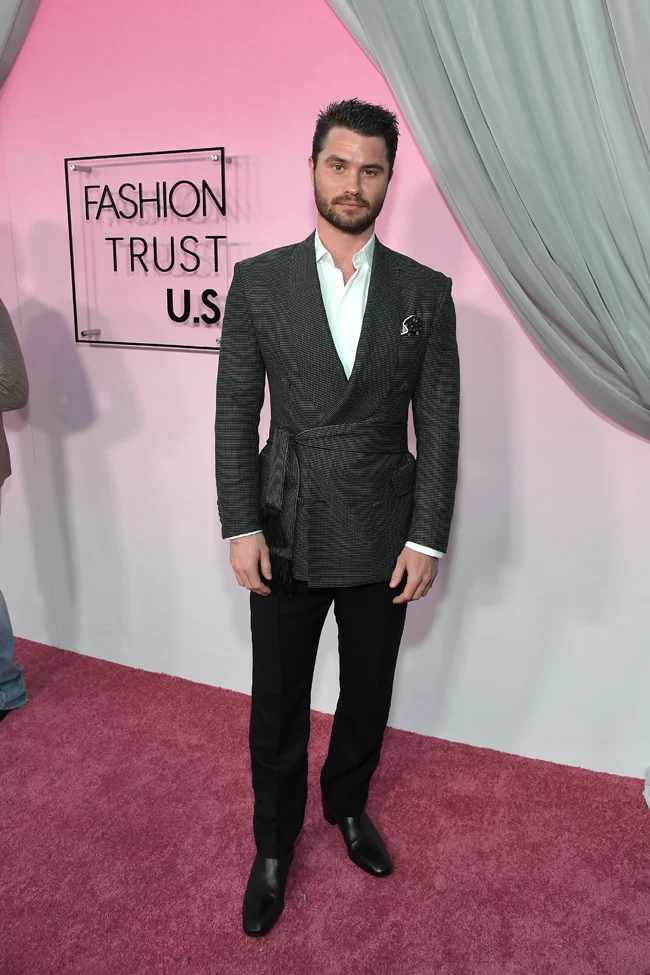
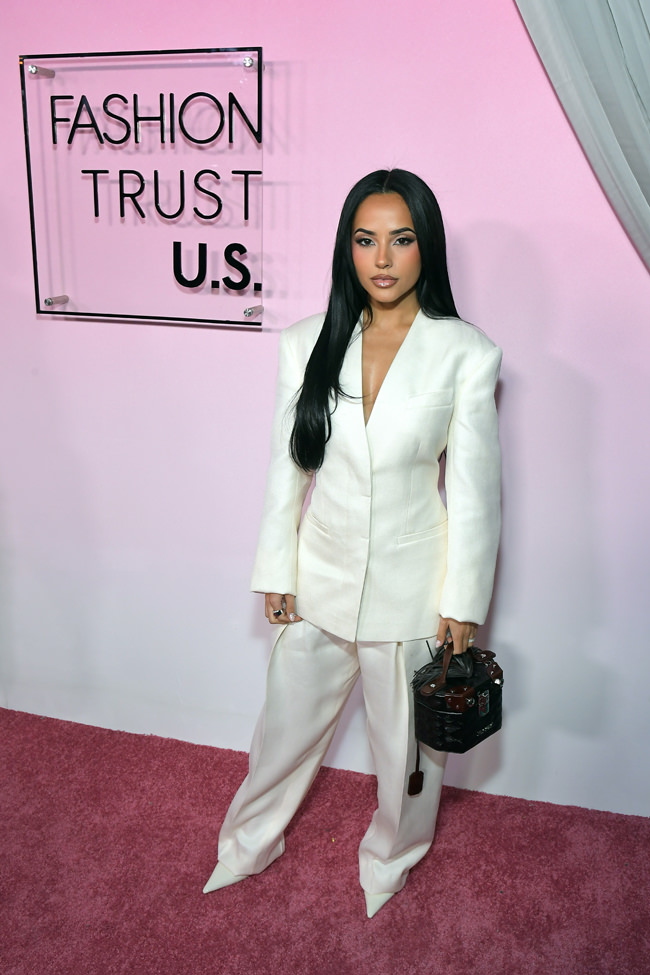
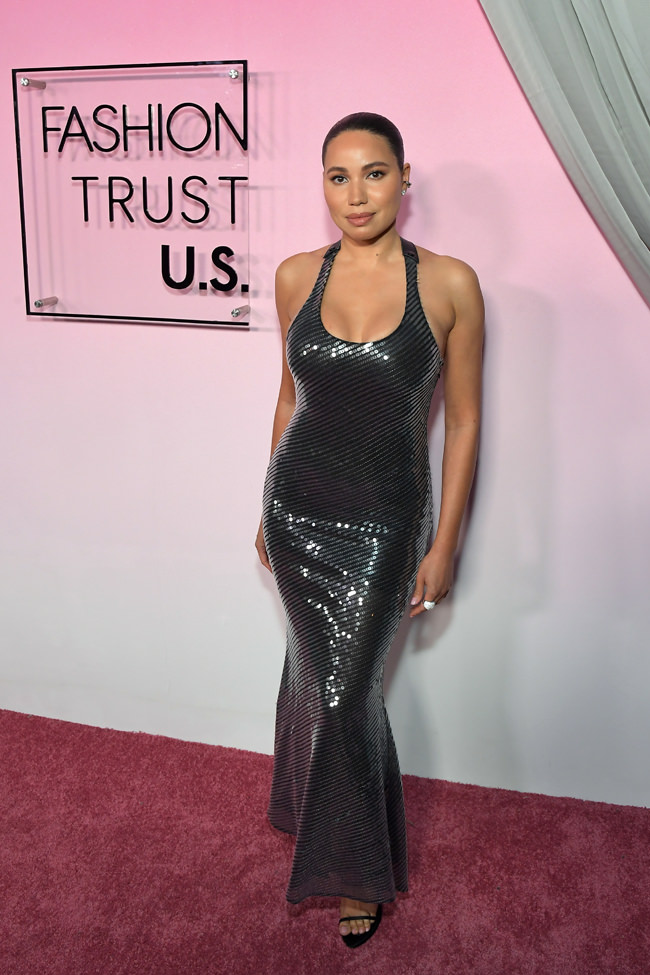
The red carpet at the Fashion Trust U.S. 2026 Awards was notable for its departure from safe, "Old Hollywood" glamour. Instead, the attendees leaned into the spirit of the event by wearing pieces from both established luxury houses and the very designers the organization seeks to promote.
Monse and the Deconstructed Silhouette
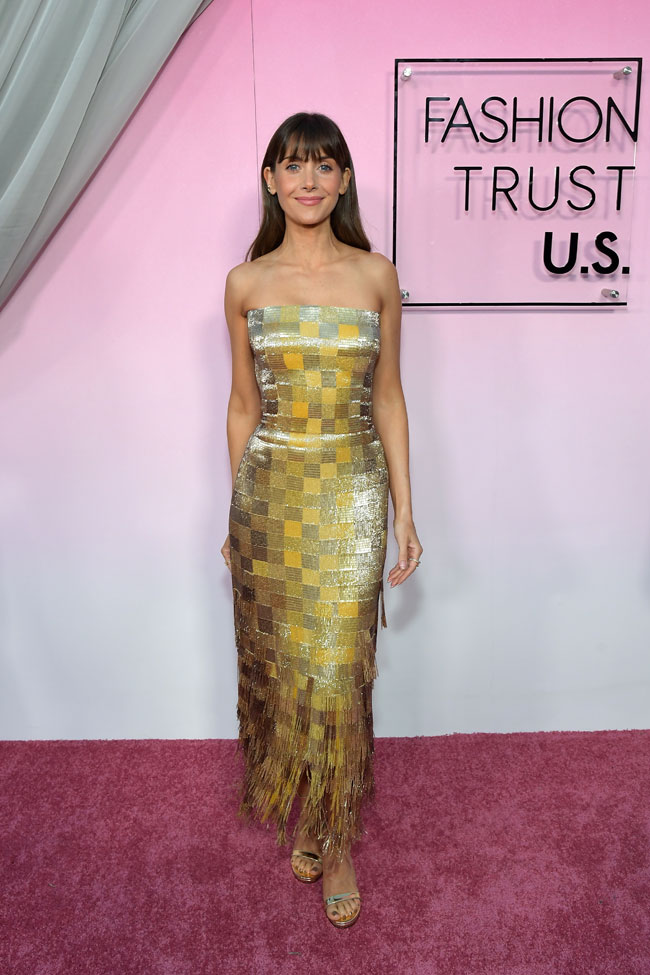
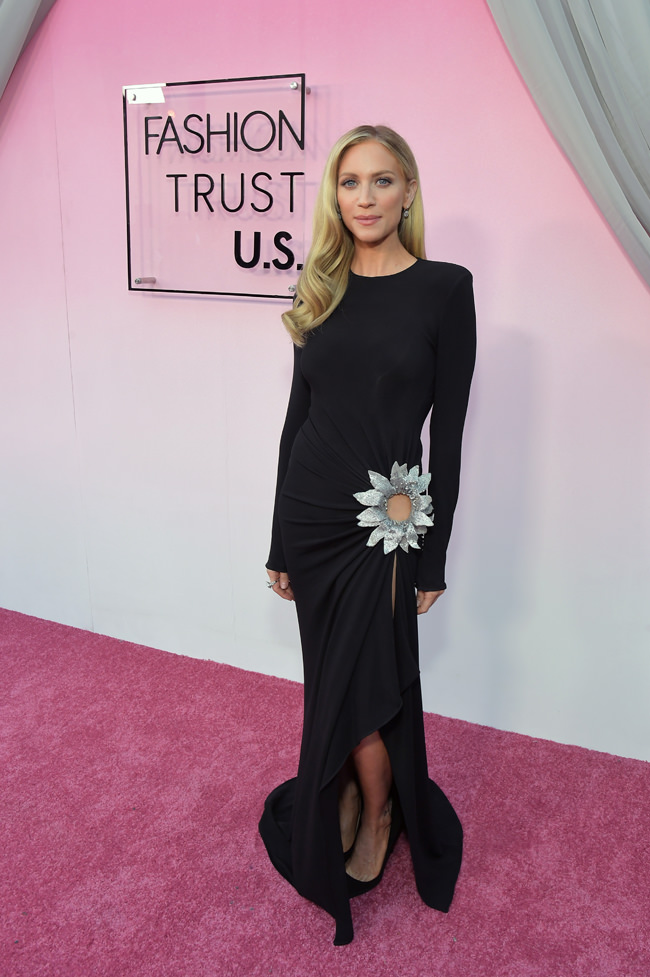
A prominent brand of the evening was Monse, the label founded by Fernando Garcia and Laura Kim. Known for their deconstructive approach to traditional tailoring, Monse provided looks for both Alison Brie and Brittany Snow. Brie’s ensemble featured a complex interplay of textures, including a checkerboard pattern, an ombre transition, and long-fringe detailing. Analysts noted that while the look was ambitious, it represented the brand’s commitment to maximalist textile experimentation. Snow’s attire included a controversial floral-shaped cutout, a signature of the 2026 "biophilic" trend where natural forms are integrated into structural garments.
The Rise of Lifestyle Luxury: Ferrari on the Red Carpet
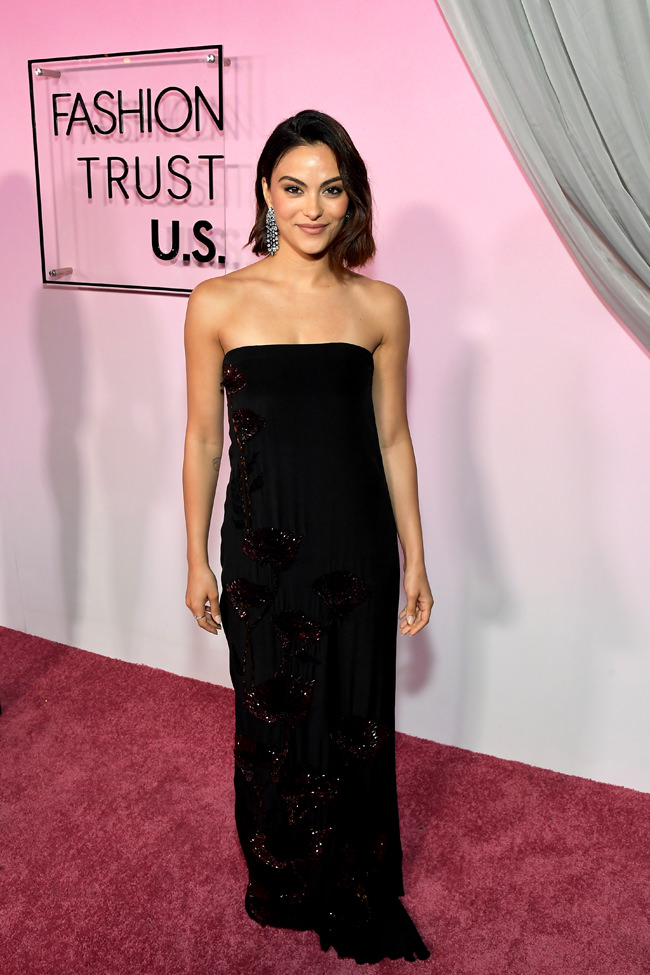
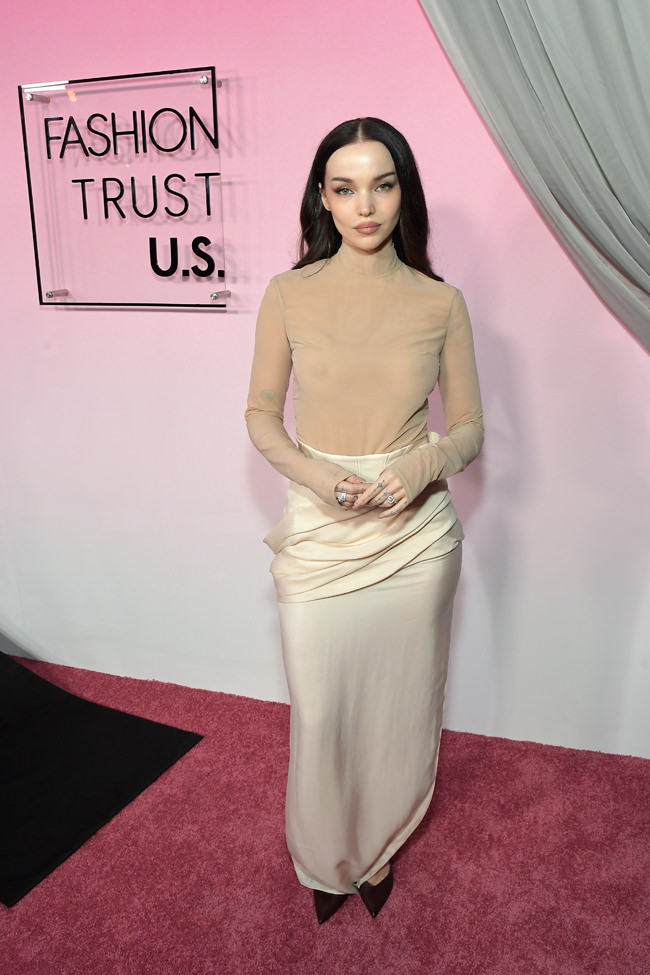
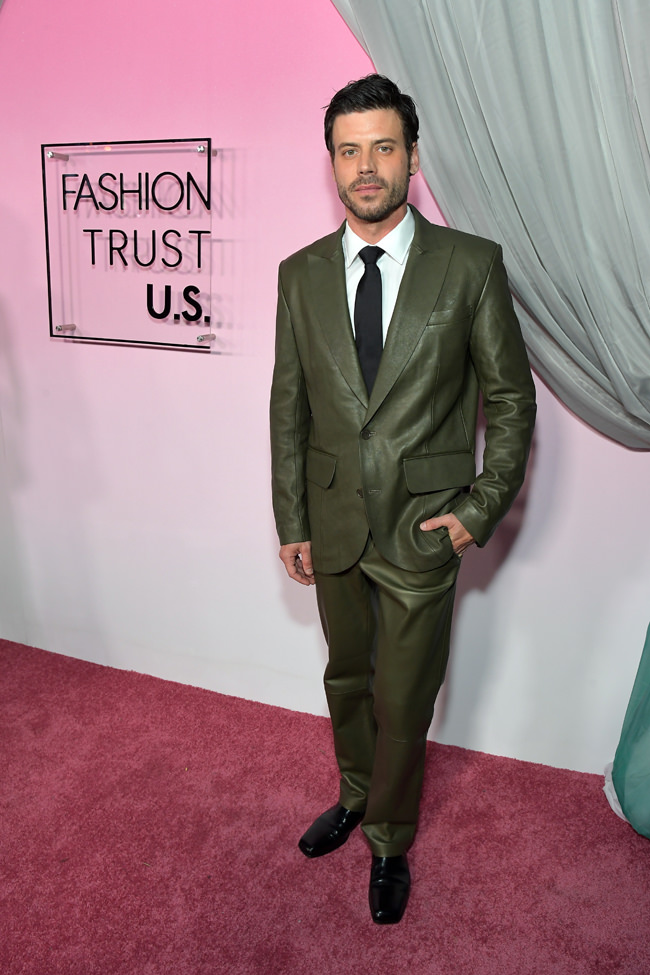
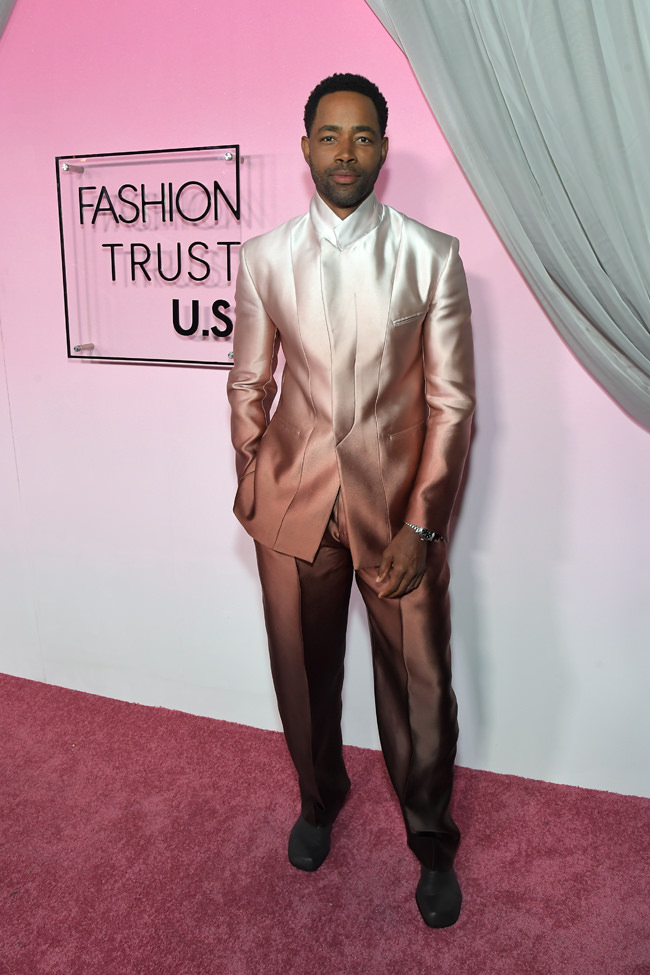
The appearance of Ferrari-branded apparel on celebrities like Dove Cameron and Jay Ellis underscored a significant 2026 trend: the expansion of legacy automotive brands into the luxury lifestyle sector. Cameron’s look was particularly experimental, featuring a silhouette that pushed the boundaries of wearable art. Ellis wore a tuxedo characterized by flipped lapels and an ombre finish, a choice that reflected the brand’s attempt to translate high-speed aerodynamics into evening attire.
Avant-Garde and Industrial Influences
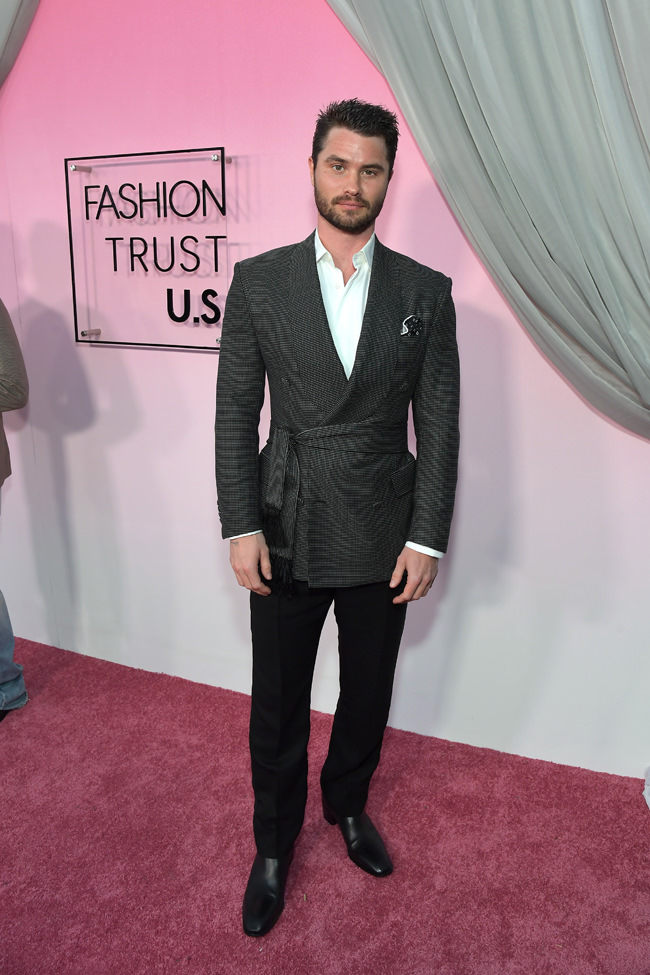
Several attendees opted for looks that prioritized concept over traditional flattery. Yara Shahidi appeared in Mugler, featuring a top with a rigid, molded texture that industry observers compared to industrial materials. This "industrial chic" aesthetic was mirrored by Olivia Wilde, whose Ashlyn ensemble utilized negative space and minimalist coverage to create a stark, architectural effect.
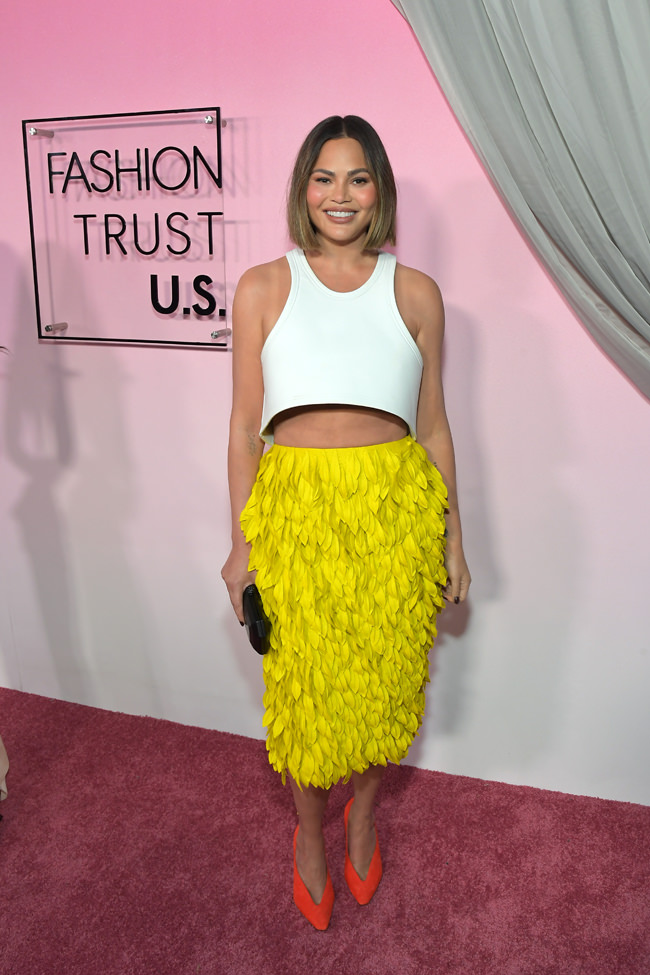
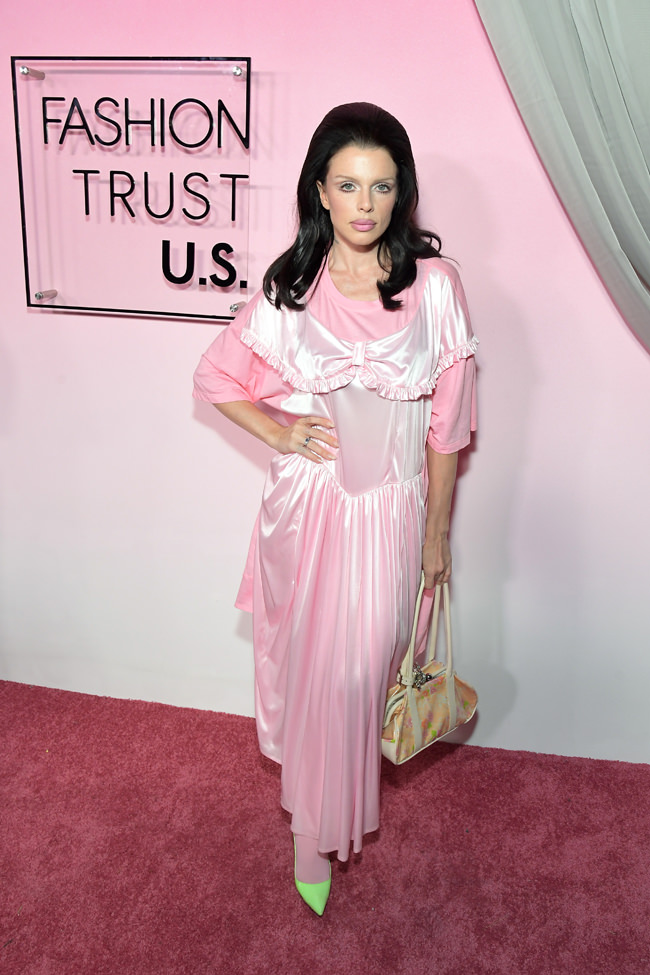
Julia Fox, a consistent proponent of subversive fashion, wore a look by Ashley Williams. Unlike her previous high-concept "DIY" appearances, this ensemble leaned toward a more costume-driven aesthetic, sparking debate among stylists about the balance between performance art and red-carpet branding. Similarly, Lana Condor’s attire featured exaggerated proportions that challenged standard silhouettes, a recurring theme throughout the evening as stars sought to honor the "trust" in "Fashion Trust" by taking significant stylistic risks.
Sustainability and Classic Elegance
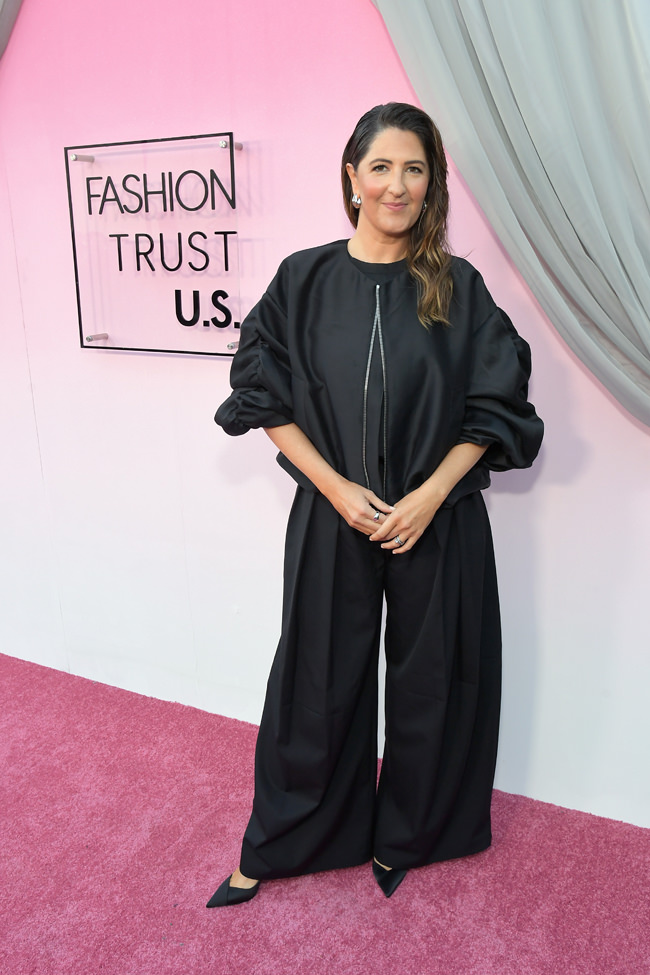
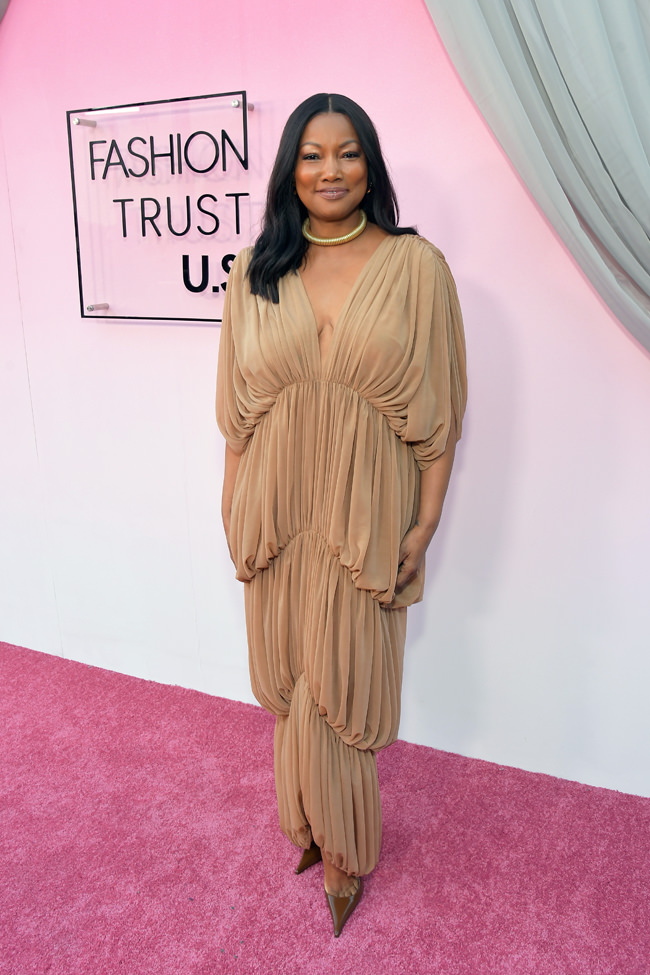
Amidst the more experimental looks, some stars utilized the platform to highlight sustainable luxury. Melissa McCarthy wore a design by Stella McCartney, a long-time advocate for cruelty-free and eco-conscious fashion. The dress was widely praised for its fit and sophisticated drape, proving that sustainable materials can compete with traditional couture on a global stage. Mindy Kaling also opted for a more streamlined approach in a Simkhai gown, focusing on vibrant color saturation rather than structural complexity, a move that highlighted the designer’s mastery of wearable elegance.
Chronology of the 2026 Awards Proceedings
The event followed a structured schedule designed to maximize networking between designers and potential investors:
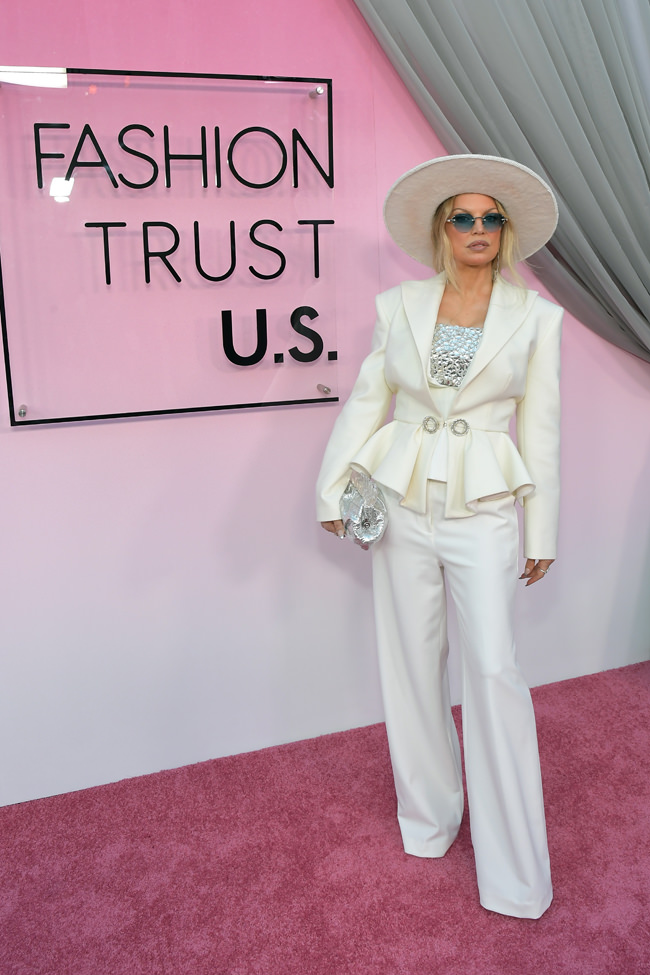
- The Red Carpet Arrival (5:00 PM – 6:30 PM): Celebrities and designers arrived at the Los Angeles venue, participating in a "step and repeat" that focused heavily on identifying the emerging labels represented.
- The Design Showcase (6:30 PM – 7:30 PM): Before the dinner, guests were invited to view an exhibition of the finalists’ work, allowing for a close-up inspection of the craftsmanship and materials used by the nominees.
- The Awards Dinner (7:30 PM – 9:30 PM): The formal ceremony included keynote speeches from industry veterans and the announcement of the winners in each of the five categories.
- The Post-Award Reception (9:30 PM – 11:00 PM): A celebratory gathering where the newly minted winners were introduced to the FTUS Advisory Board and retail partners.
Industry Impact and Economic Significance
The Fashion Trust U.S. Awards are more than a social gathering; they are a critical financial catalyst. For an emerging designer, winning an FTUS award can mean the difference between bankruptcy and a sustainable business model. The 2026 winners received not only cash prizes but also a year of mentorship from executives at major retailers like Neiman Marcus and Nordstrom.
According to data released by the organization, previous winners have seen an average revenue increase of 40% within eighteen months of receiving their grants. Furthermore, the 2026 awards emphasized the "Graduate Award," which specifically targets students from top design schools such as Parsons and FIT, ensuring that the pipeline of talent remains robust.
Official Responses and Industry Reactions
While the public reaction to the "wacky" red carpet looks was mixed on social media, industry professionals offered a more nuanced perspective. Stylists argued that the Fashion Trust U.S. Awards are the appropriate venue for such experimentation. "This isn’t the Oscars or the Golden Globes," noted one prominent celebrity stylist. "This is an event for the industry, by the industry. The goal is to push boundaries and showcase what designers are capable of when they aren’t restricted by commercial retail demands."
A spokesperson for the Fashion Trust U.S. board released a statement following the event: "The 2026 Awards have demonstrated that American fashion is in a state of vibrant transformation. Our finalists represent a diverse array of perspectives, from those focused on high-tech textile innovation to those reviving ancient artisanal techniques. We are proud to provide the resources necessary for these creative visions to become viable businesses."
Broader Implications for the Future of Fashion
The 2026 Fashion Trust U.S. Awards highlighted several key shifts that will likely define the remainder of the decade:
- The Blur Between Industries: As seen with the Ferrari looks, the lines between automotive design, technology, and fashion are becoming increasingly porous.
- The Rejection of Conformity: The sheer variety of "unconventional" looks suggests that the era of the "uniform" red carpet is over. Celebrities are now using these platforms to establish themselves as patrons of the arts rather than just mannequins for established brands.
- The Professionalization of Emerging Talent: By providing structured mentorship and significant financial backing, FTUS is helping to professionalize the "indie" sector of the fashion world, making it more attractive to venture capital and private equity.
In conclusion, while the Fashion Trust U.S. 2026 Awards featured a red carpet that many found "wacky" or "comically awful," the underlying purpose of the event remains a vital component of the American economy. By supporting the creative risks taken by designers like Monse, Simkhai, and Ashlyn, the organization ensures that the U.S. remains at the forefront of global fashion innovation, even as the definitions of "style" and "formality" continue to evolve in the mid-2020s.