
The 34th annual Elton John AIDS Foundation (EJAF) Academy Awards Viewing Party took place on March 8, 2026, in West Hollywood, California, once again solidifying its status as one of the most significant philanthropic events in the global entertainment calendar. As the film industry gathered at the Dolby Theatre for the 98th Academy Awards, an equally influential assembly of musicians, fashion icons, and activists convened under the EJAF banner to raise millions of dollars for the global fight against HIV/AIDS. Since its inception in 1992, the viewing party has served as a critical fundraising engine, and the 2026 edition continued this legacy by highlighting the intersection of high fashion, celebrity influence, and humanitarian urgency.
The Philanthropic Mission: A Progress Report for 2026
The Elton John AIDS Foundation has historically been at the forefront of the "Getting to Zero" initiative, which aims for zero new HIV infections, zero deaths from AIDS-related illnesses, and zero stigma. In 2026, the foundation’s focus intensified around the United Nations’ Sustainable Development Goal of ending the AIDS epidemic as a public health threat by 2030. During the event, Sir Elton John and Chairman David Furnish provided updates on the foundation’s latest efforts, particularly the "Rocket Fund," a multi-year campaign launched to reach those most at risk of HIV, including young people and marginalized communities in sub-Saharan Africa and the Southern United States.
Data released during the evening indicated that the foundation has surpassed $600 million in total funds raised since its founding. The 2026 viewing party alone was projected to contribute over $9 million to this total, facilitated through ticket sales, sponsorships, and a high-stakes live auction held during the telecast’s commercial breaks. The funds are earmarked for expanding access to PrEP (pre-exposure prophylaxis), supporting community-based health workers, and lobbying for legislative changes that protect the rights of those living with HIV.
Chronology of the Evening: From Red Carpet to Live Auction
The event followed a meticulously planned schedule that integrated the excitement of the Academy Awards with the foundation’s advocacy.
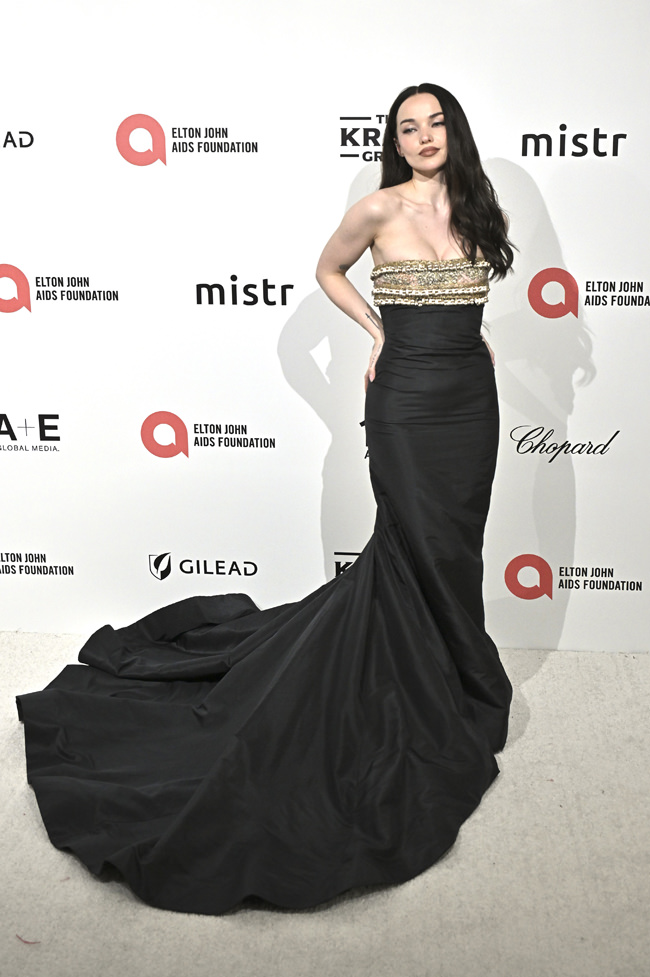
- Early Evening Arrivals (4:00 PM – 5:30 PM PST): Guests arrived at the custom-built venue in West Hollywood Park. The red carpet served as a major media hub, where designers showcased their latest collections on a diverse array of talent.
- Dinner and Viewing (5:30 PM – 8:30 PM PST): A multi-course dinner was served as guests watched the live Oscars telecast on massive screens. This period allowed for networking among tech moguls, fashion executives, and Hollywood elite.
- The Live Auction (Intermittent): Led by world-class auctioneers, the live auction featured items such as rare photography, luxury travel experiences, and iconic memorabilia from Sir Elton John’s personal archives.
- The After-Party and Performance (9:00 PM – Midnight PST): Following the conclusion of the Academy Awards, the venue transitioned into a celebratory space featuring a performance by a headline musical guest, a tradition that has previously included artists like Dua Lipa, Lady Gaga, and Rina Sawayama.
Red Carpet Trends and Designer Analysis
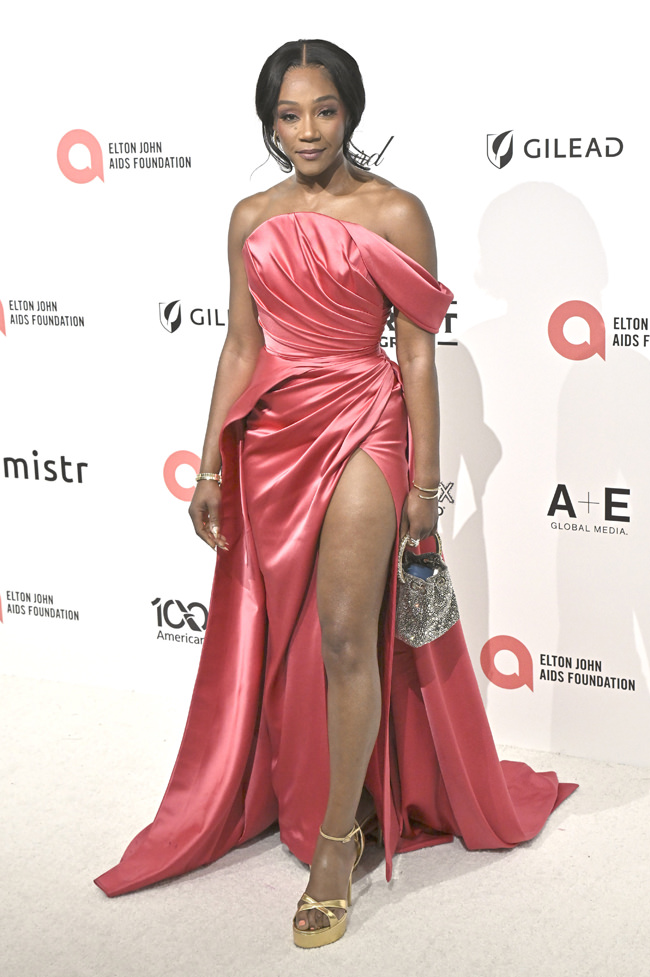
The 2026 EJAF red carpet was characterized by a blend of archival reverence and bold, contemporary experimentation. Fashion analysts noted a significant presence of "sustainable luxury," with several attendees opting for archival pieces or garments made from recycled materials.
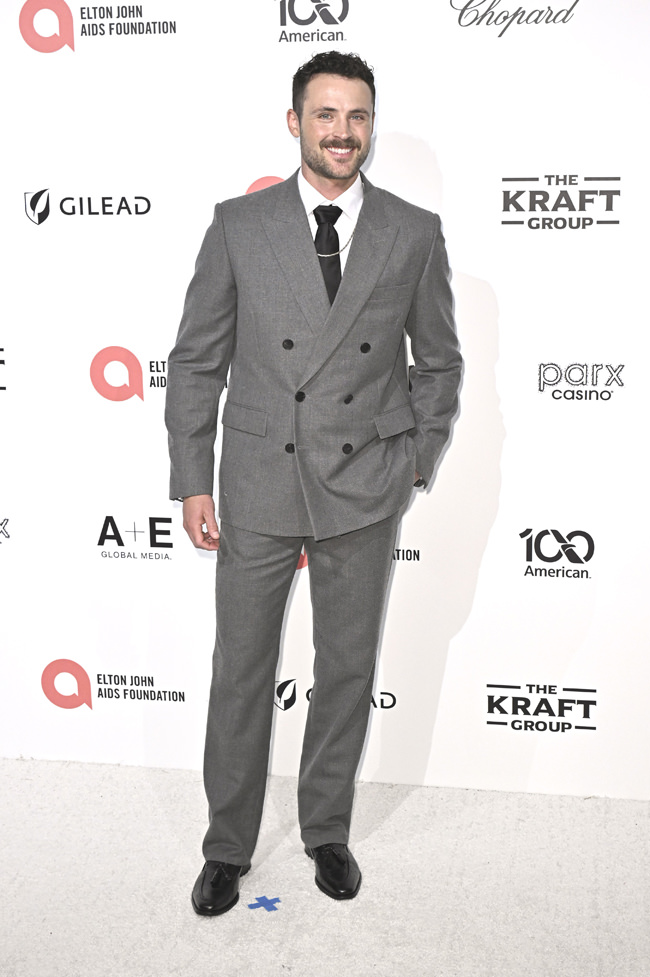
High-Profile Pairings and Brand Ambassadors
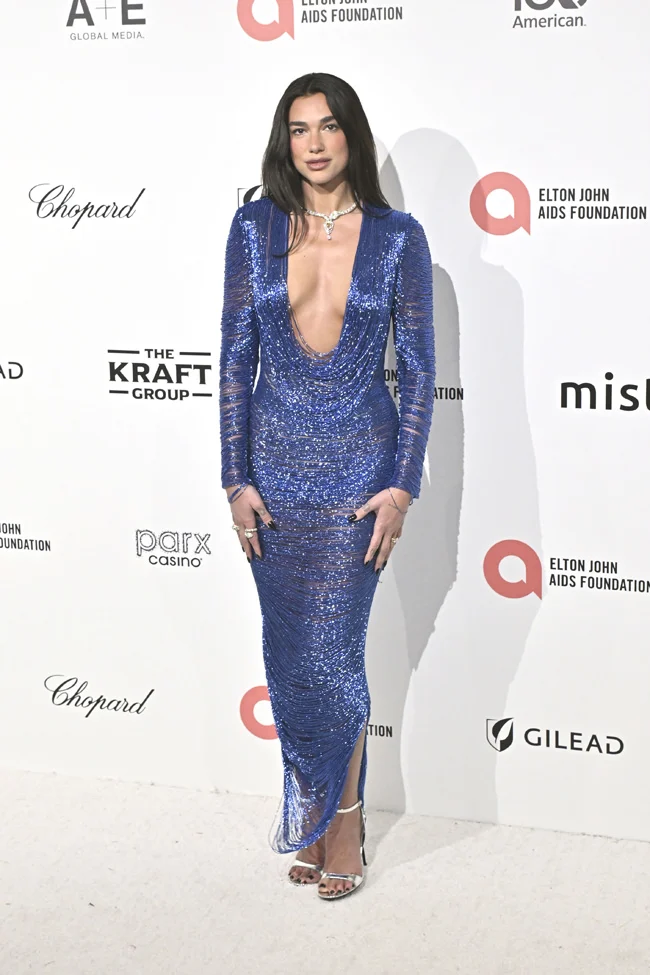
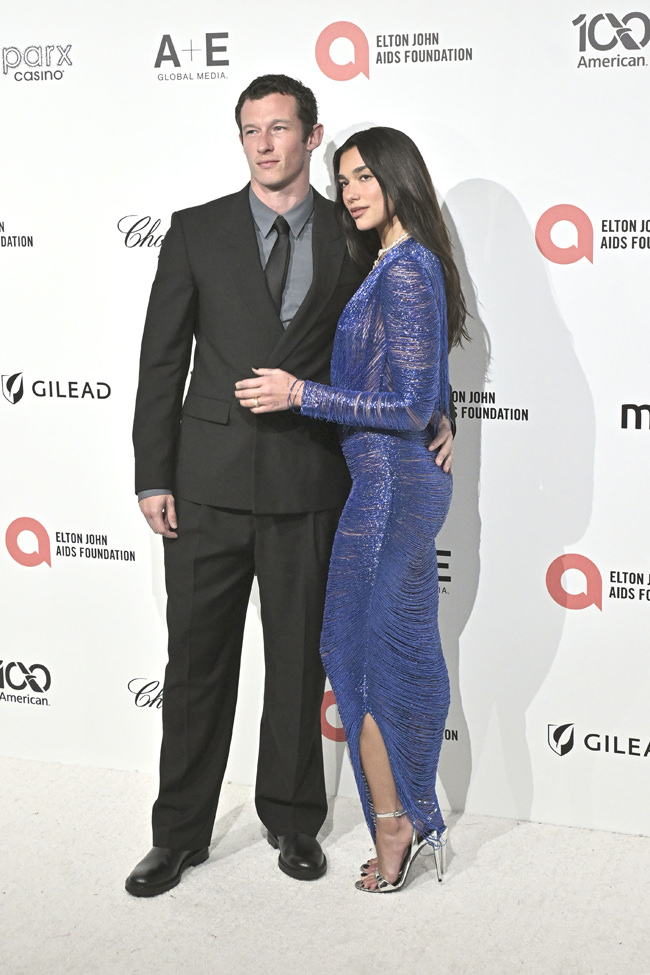
Callum Turner and Dua Lipa represented the pinnacle of modern luxury branding. Turner appeared in a custom Louis Vuitton ensemble, reflecting the brand’s continued dominance in menswear under its current creative direction. Dua Lipa, a longtime supporter of the foundation, wore a striking Gucci gown. Her choice emphasized the brand’s shift toward sophisticated, red-carpet-ready silhouettes that balance classic glamour with a modern edge.
The Archival Movement
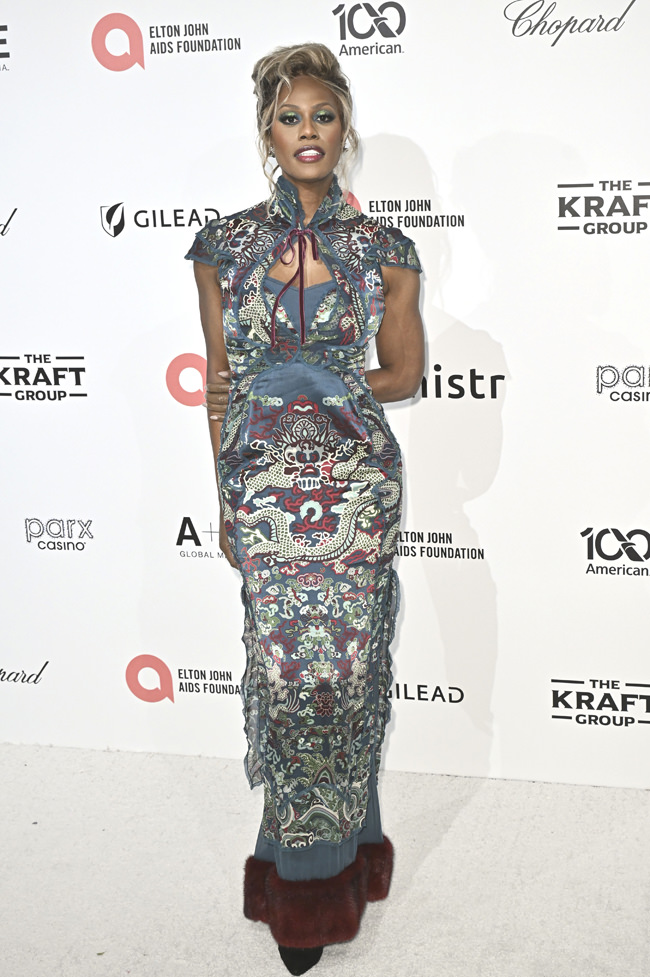
Laverne Cox continued her tradition of using the red carpet as a platform for fashion history, appearing in an archival Saint Laurent piece. The choice highlighted a growing trend in 2026 where celebrities prioritize the longevity and history of fashion over fast-paced seasonal trends. While the bold print and unique textures—including a controversial "fuzzy" hem—drew mixed reactions from critics, the look was praised for its commitment to the Saint Laurent legacy.
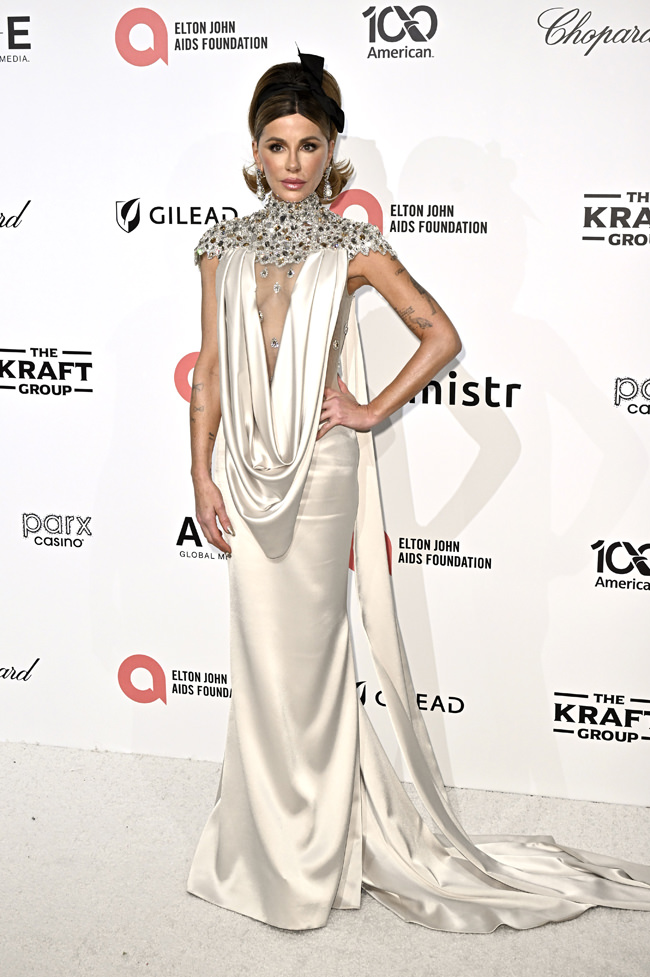
Contemporary Couture and Avant-Garde Silhouettes
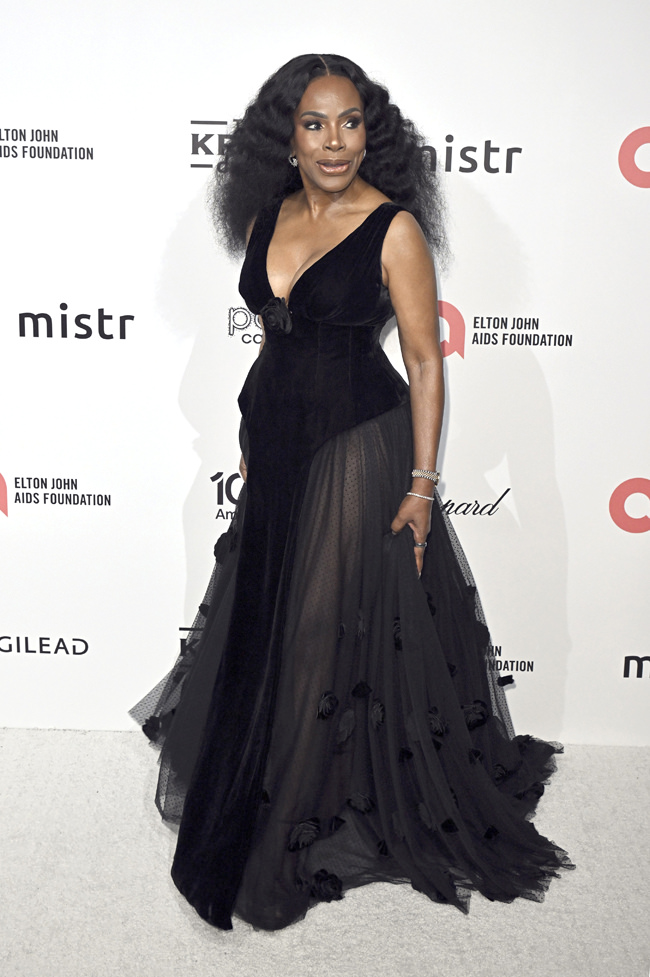
Kate Beckinsale opted for Georges Chakra Couture, delivering a look that many described as the most "outrageous" of the evening. The voluminous design and intricate construction were hallmarks of Chakra’s architectural approach to fashion. Similarly, Sheryl Lee Ralph wore a creation by Eman AlAjlan, featuring a sheer skirt and unconventional structural elements that challenged traditional eveningwear norms.
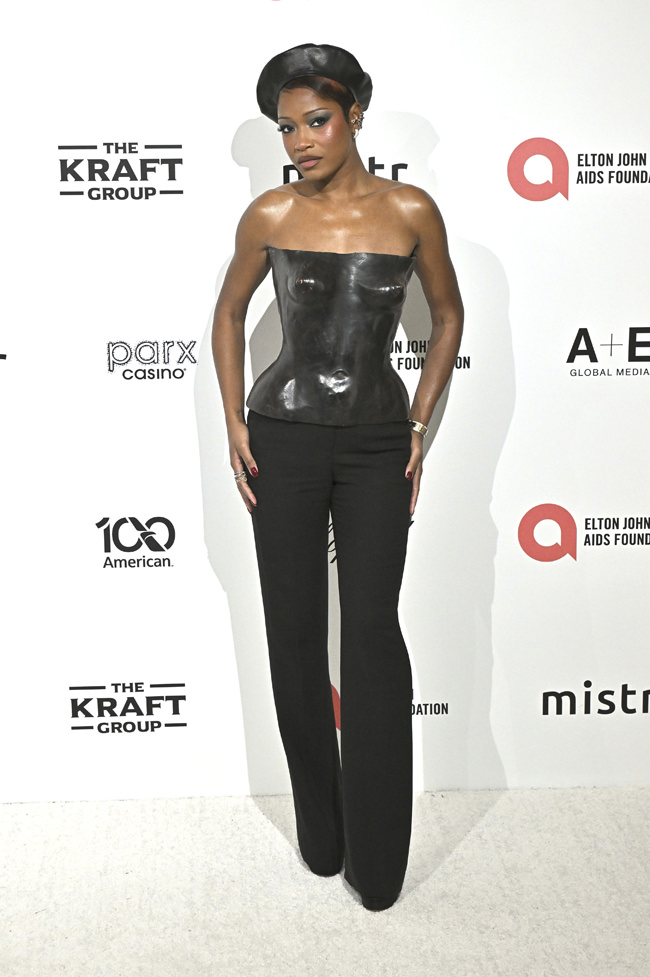
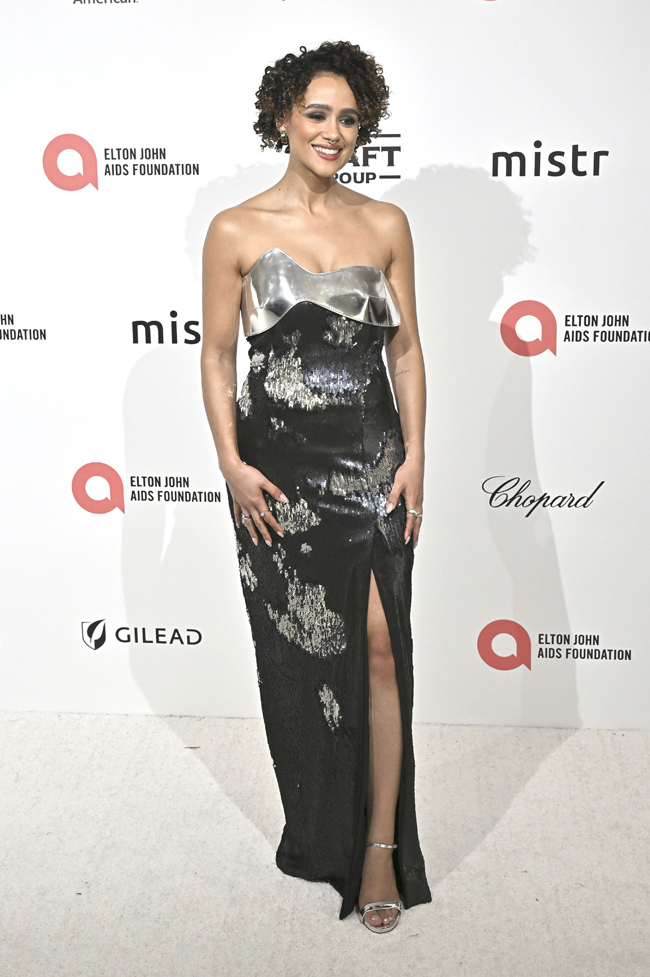
Keke Palmer and Nathalie Emmanuel both chose pieces that experimented with texture and light. Palmer’s Saint Laurent gown focused on body-conscious tailoring, while Emmanuel’s Akris dress featured reversible sequins, a material choice that sparked debate among fashion enthusiasts regarding the balance between "tacky" playfulness and high-fashion innovation.
Menswear Evolution
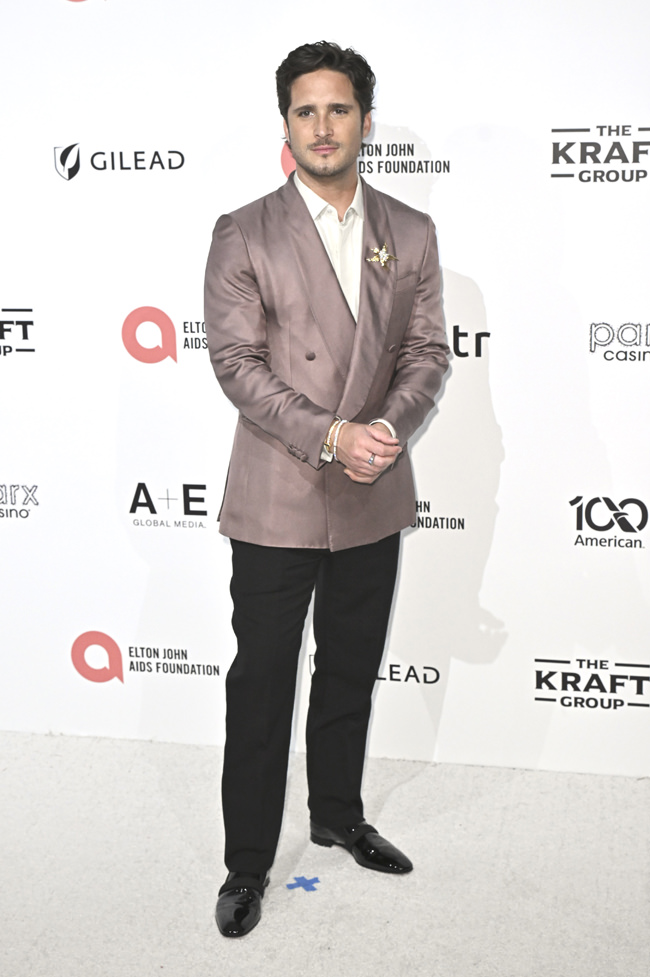
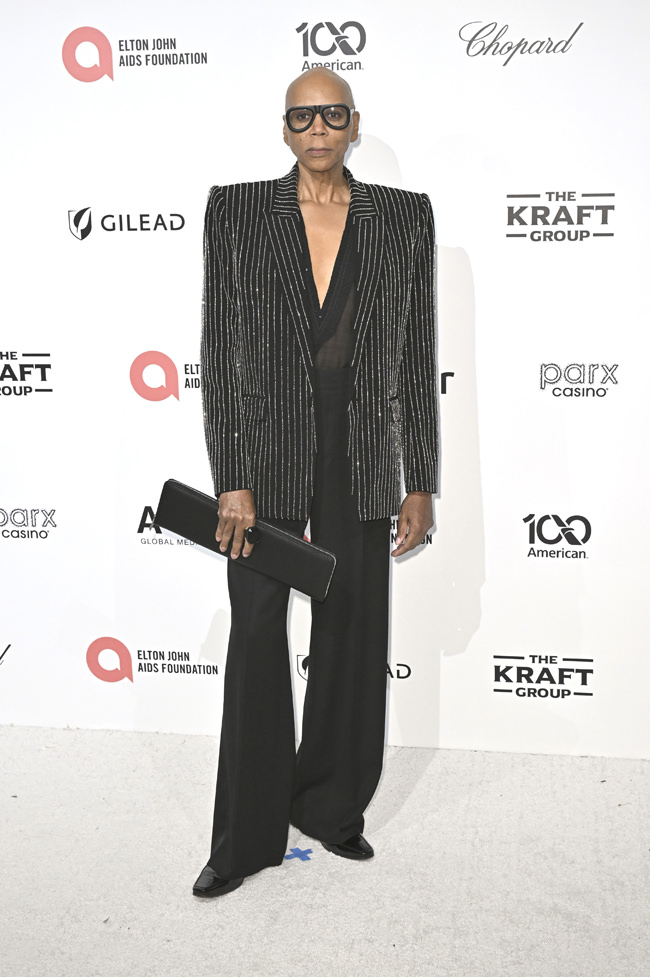
The 2026 event saw a diversification in menswear. Diego Boneta’s mauve dinner jacket by Brioni signaled a move away from the standard black-tie tuxedo, embracing a softer color palette that has become increasingly popular in formalwear. In contrast, Dylan Efron’s attire was noted for its "businesslike" precision, suggesting a return to minimalist tailoring. RuPaul, a staple of the EJAF gala, appeared in a sharp suit with emphasized shoulder pads, maintaining his signature silhouette that bridges the gap between masculine tailoring and drag-inspired theatricality.
Supporting Data: The Impact of Celebrity Advocacy
The EJAF Viewing Party is not merely a social gathering; it is a data-driven enterprise. According to event organizers, celebrity social media engagement during the 2026 party reached an estimated 1.2 billion impressions globally. This digital reach is a primary driver for the foundation’s small-donor fundraising, which has seen a 15% year-over-year increase.
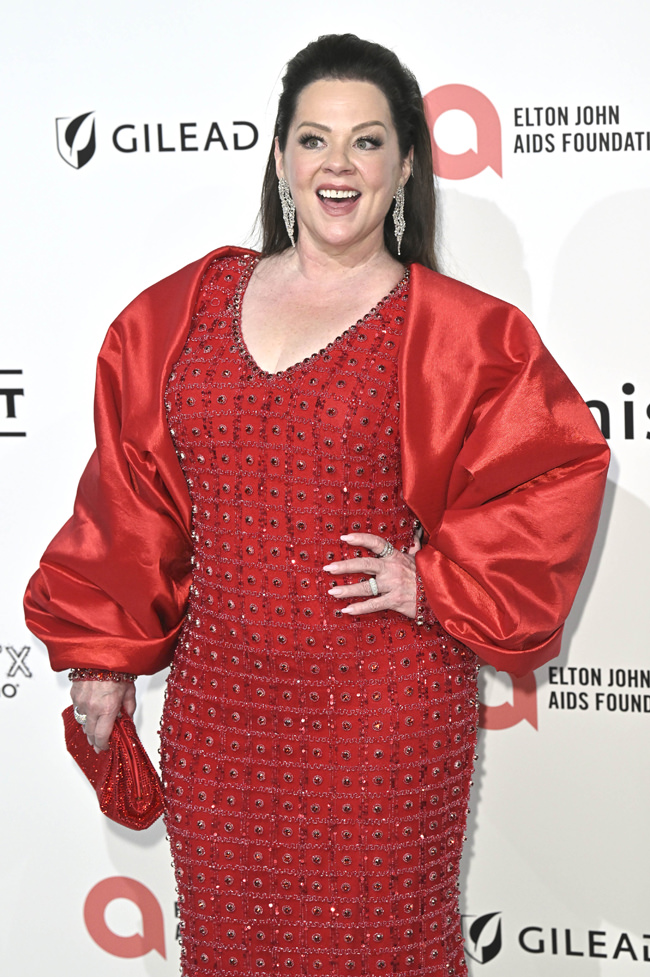
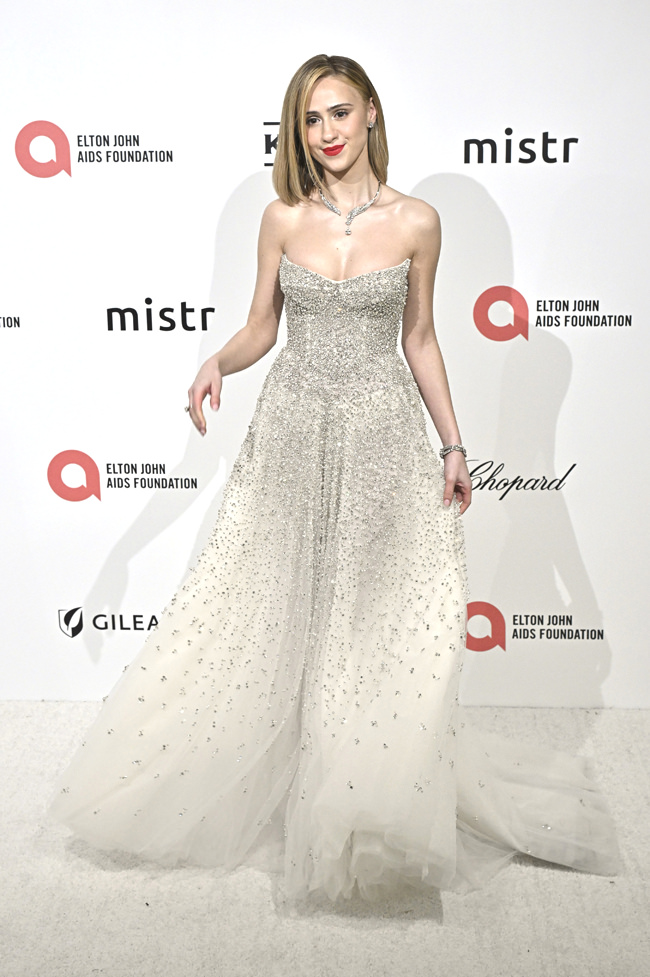
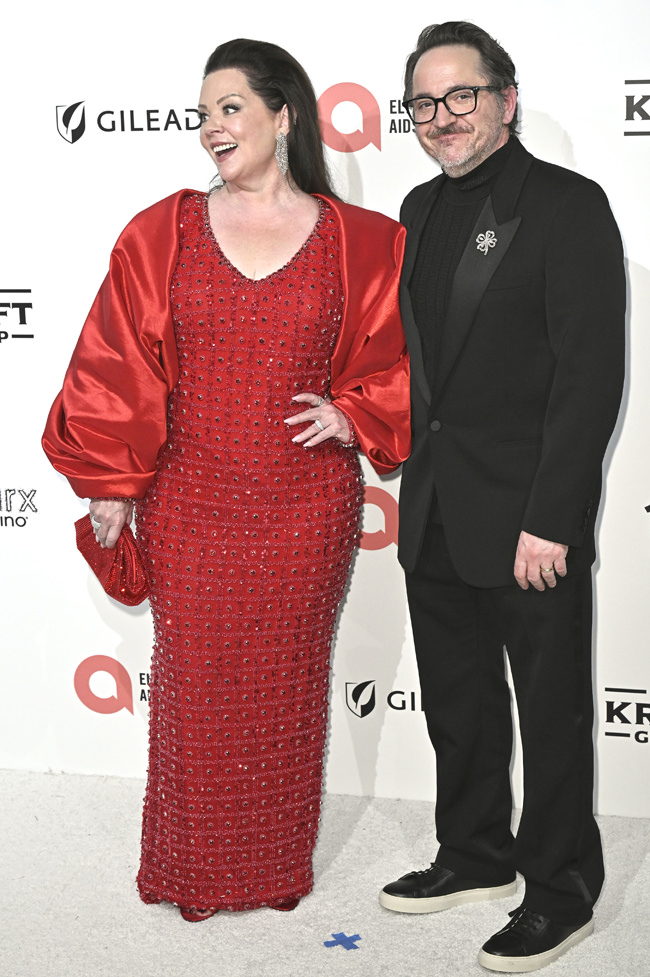
The presence of stars like Melissa McCarthy, Tiffany Haddish, and Maria Bakalova serves a dual purpose: they attract corporate sponsorships—which in 2026 included major tech and pharmaceutical firms—and they humanize the statistics of the HIV epidemic. McCarthy, appearing in a gown by Fjolla Haxhismajli alongside Ben Falcone, exemplified the "supportive ally" role that the foundation has cultivated within the Hollywood community for over three decades.
Official Responses and Strategic Vision
In a joint statement released at the conclusion of the event, Sir Elton John and David Furnish expressed their gratitude to the attendees and donors. "The 2026 Viewing Party has shown that the spirit of compassion is stronger than ever," the statement read. "As we move closer to our 2030 goals, the funds raised tonight will be instrumental in ensuring that no one is left behind in our journey toward an AIDS-free future."
Health officials present at the event, including representatives from the World Health Organization (WHO), noted that the EJAF’s focus on "stigma-free" healthcare is essential. They highlighted that while medical advancements like long-acting injectable HIV treatments have revolutionized care by 2026, social barriers remain the greatest hurdle to ending the epidemic. The visibility provided by the Academy Awards Viewing Party is considered a primary tool in dismantling these barriers.
Broader Impact and Implications
The success of the 2026 Elton John AIDS Foundation Academy Awards Viewing Party underscores a broader shift in how celebrity events are structured. In an era where "awards show fatigue" has been a frequent topic of discussion, the EJAF party has maintained its relevance by tethering its glamour to a clear, measurable cause.
The event’s influence extends beyond the immediate fundraising totals. It sets the tone for the "Oscars circuit," often overshadowing other after-parties in terms of press coverage and philanthropic output. By 2026, the EJAF party has become a blueprint for how non-profit organizations can leverage the "halo effect" of major cultural moments to drive social change.
As the attendees departed West Hollywood Park in the early hours of March 9, the focus shifted from the fashion of the night to the work of the coming year. With the 2030 deadline for ending the AIDS epidemic looming, the foundation’s leaders emphasized that the 2026 gala was not just a celebration of cinema, but a renewal of a global contract to protect the vulnerable and celebrate the progress of human health and dignity.