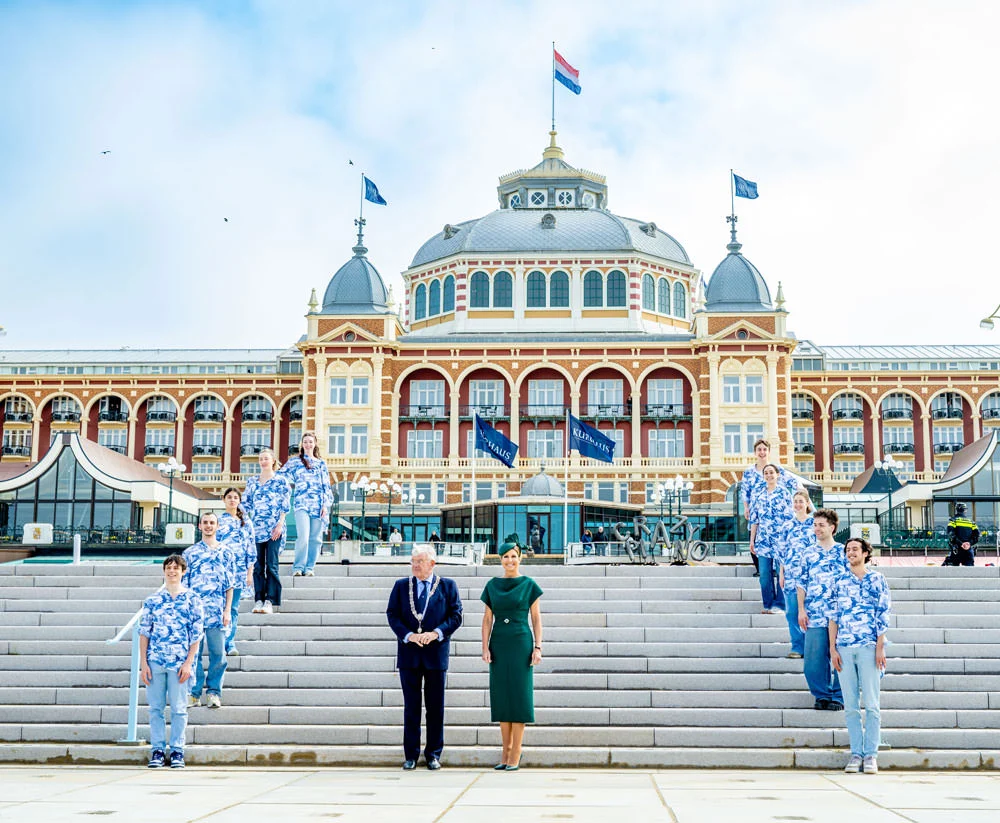

Her Majesty Queen Máxima of the Netherlands officially presided over the opening of the newly renovated Scheveningen Boulevard in The Hague, marking the completion of a multi-year infrastructure project aimed at revitalizing one of Europe’s most iconic coastal destinations. The ceremony, held on the North Sea coast, underscored the importance of urban renewal and coastal protection within the Dutch government’s broader strategy for tourism and climate resilience. The Queen, representing the House of Orange-Nassau, was greeted by local dignitaries, including the Mayor of The Hague and representatives from the engineering firms responsible for the promenade’s transformation. This event marks a significant milestone for the Scheveningen district, which has undergone extensive redevelopment to modernize its facilities while maintaining its historic charm.
Historical Context and the Necessity of Renovation
Scheveningen has served as a vital seaside resort for the Netherlands since the early 19th century. Originally a modest fishing village, it evolved into a premier destination for European aristocracy following the construction of the Kurhaus hotel in 1885. However, the passage of time and the harsh North Sea environment necessitated a comprehensive overhaul of the main boulevard. Prior to this latest renovation, the promenade faced challenges related to aging infrastructure, shifting sands, and an increasing need for enhanced flood defenses.
The renovation project, which has been in development for several years, was designed to address three primary objectives: coastal safety, aesthetic modernization, and improved accessibility. As sea levels continue to rise, the Netherlands has prioritized the reinforcement of its "soft" defenses—beaches and dunes—alongside its "hard" infrastructure, such as dikes and boulevards. The Scheveningen project integrated these needs by creating a multi-level promenade that serves as both a public leisure space and a critical barrier against storm surges.
Chronology of the Opening Ceremony
The official proceedings began in the early afternoon when Queen Máxima arrived at the northern end of the boulevard. Following royal protocol, the Queen was received with a brief musical performance and a formal introduction by the project’s lead architects.
- The Inaugural Walk: Accompanied by a delegation of city officials, Her Majesty embarked on a walking tour of the new promenade. This allowed the Queen to inspect the various architectural features, including the new seating areas, sustainable lighting installations, and the integration of green spaces designed to mitigate the "urban heat island" effect.
- Engagement with Local Stakeholders: During the tour, the Queen stopped to speak with local business owners and residents. These interactions focused on the economic impact of the renovation, with many entrepreneurs expressing optimism that the modernized boulevard would attract a higher volume of international tourists and extend the traditional summer season.
- The Symbolic Act of Opening: The climax of the event occurred at the central plaza of the boulevard. Queen Máxima performed the official opening ceremony, which involved a symbolic gesture—often the unveiling of a commemorative plaque or the activation of a water feature—signifying that the promenade was now fully accessible to the public.
- Cultural Presentations: The ceremony concluded with a series of short presentations by local youth groups and cultural organizations, highlighting the boulevard’s role as a community hub for the residents of The Hague.
Technical Specifications and Design Innovations
The renovated Scheveningen Boulevard is a feat of modern civil engineering. Extending approximately two kilometers along the coast, the project utilized high-durability materials designed to withstand salt spray and high winds. The design was led by prominent architectural firms specializing in maritime environments, ensuring that the new structure complemented the natural topography of the Dutch coast.
One of the most notable features of the renovation is the "wave" design of the walls and pathways, which mimics the natural movement of the sea. The use of natural stone and high-grade composites provides a neutral palette that shifts in color depending on the weather conditions. Furthermore, the project included the installation of advanced drainage systems to manage heavy rainfall, a common occurrence in the maritime climate of the Netherlands.
From a sustainability perspective, the boulevard features LED lighting powered in part by renewable energy sources. The inclusion of native coastal vegetation in the newly created planters helps to stabilize the surrounding sand and provides a habitat for local bird species, aligning the project with the national "Nature-Inclusive Building" standards.
Sartorial Diplomacy and Royal Presence
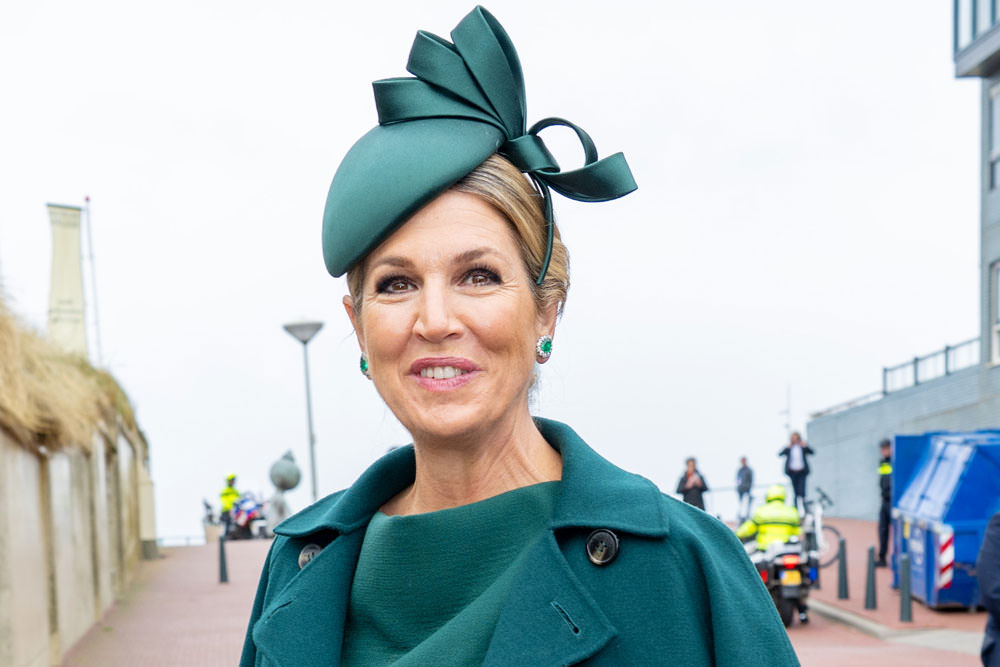
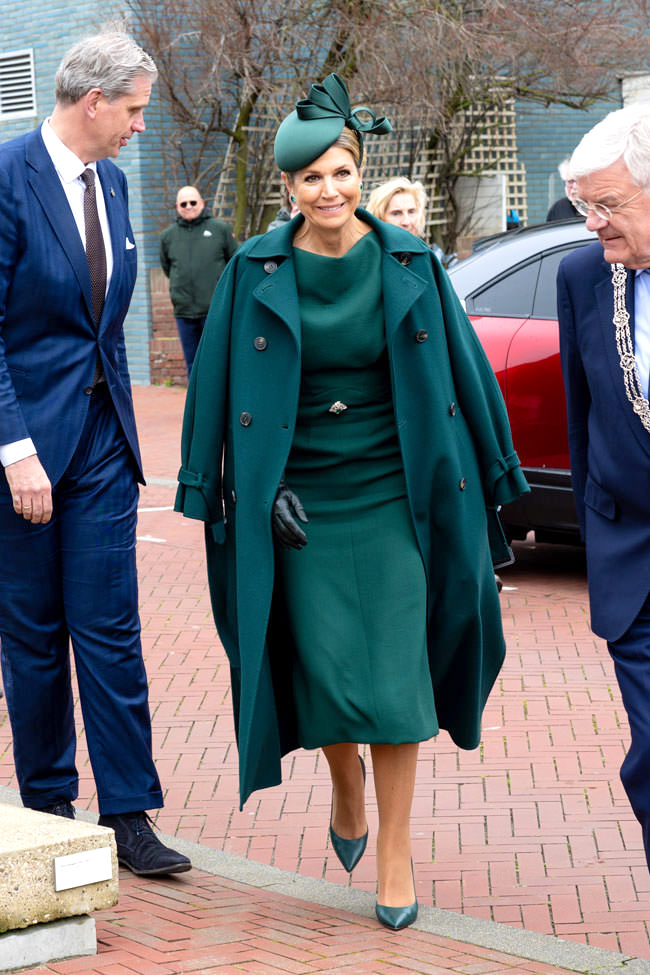
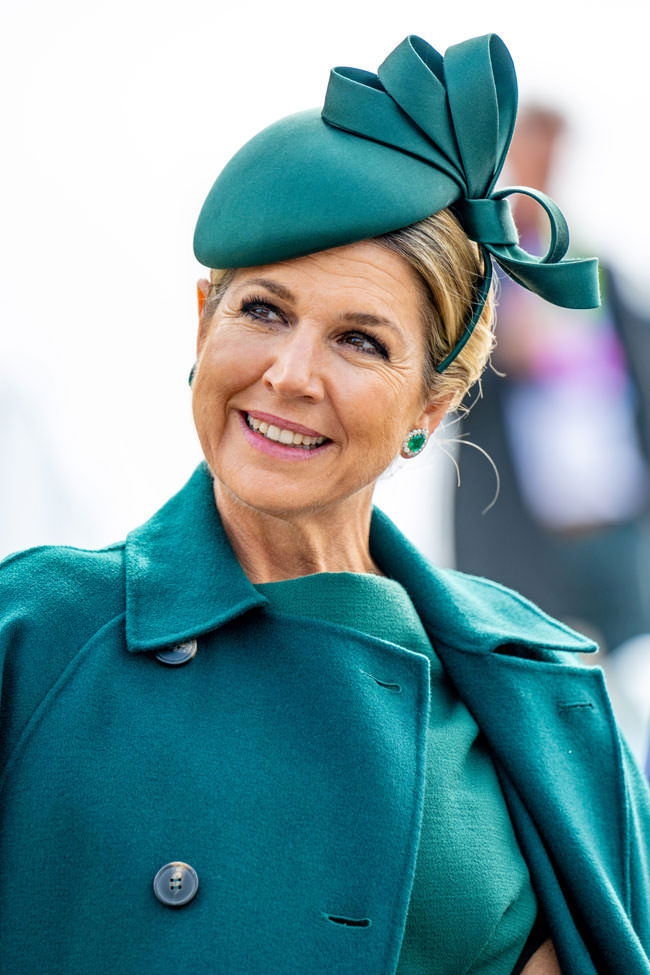
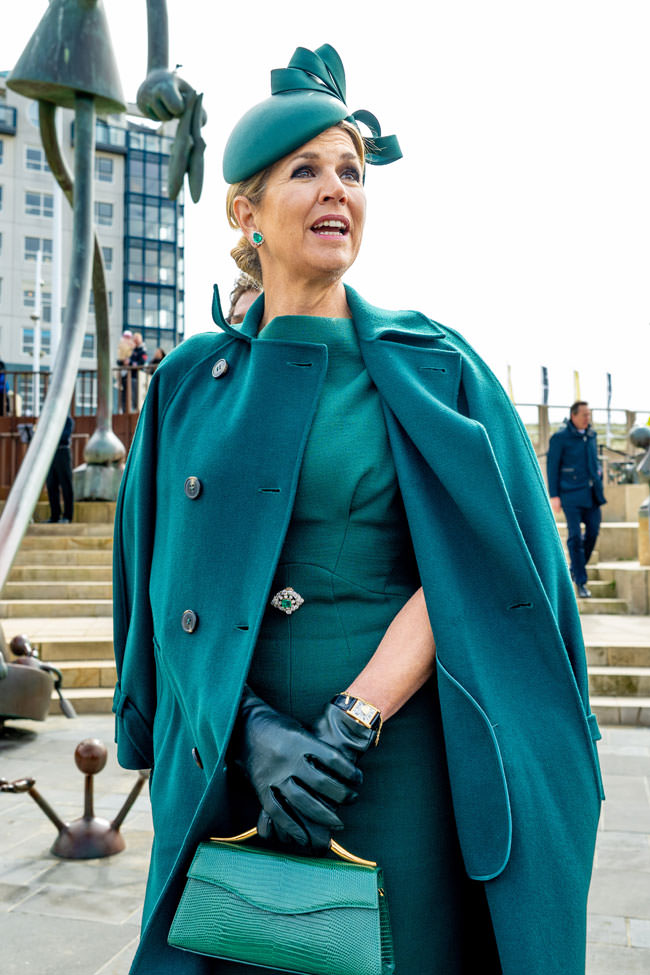
In keeping with the significance of the occasion, Queen Máxima’s attire reflected a carefully considered balance of professional elegance and symbolic color choice. Her Majesty opted for a tone-on-tone ensemble in shades of teal and forest green, a palette often associated with the sea and the environment. The outfit was designed by Natan, a Belgian couture house that has long been a staple of the Queen’s wardrobe.
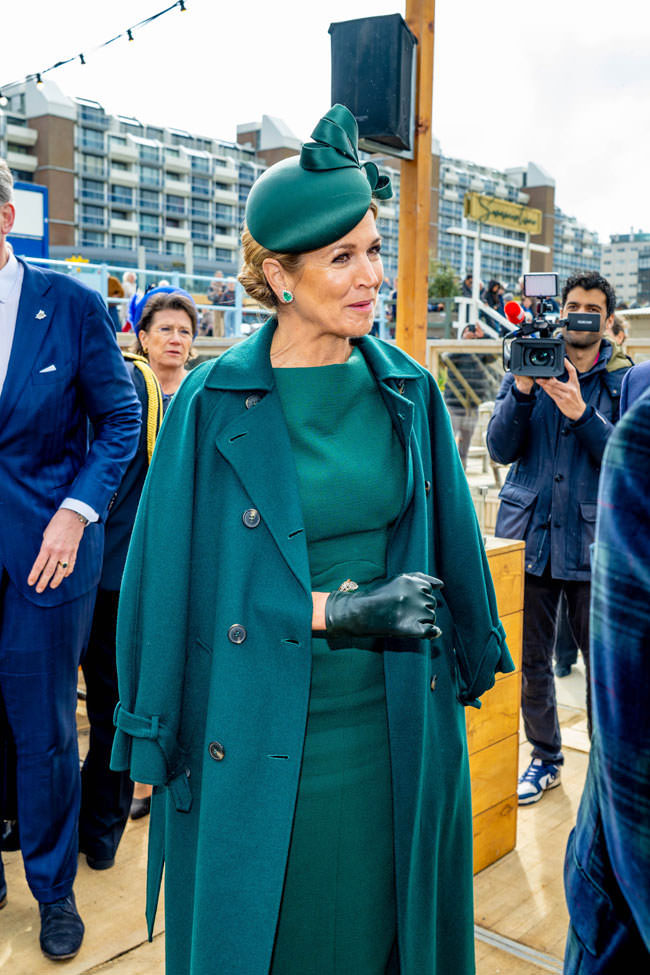
The ensemble consisted of a structured coat worn over a coordinating dress, providing versatility for the breezy coastal conditions. Her Majesty accessorized the look with a wide-brimmed hat by renowned milliner Philip Treacy, a choice that served the dual purpose of maintaining royal decorum and managing the North Sea winds. Notably, the Queen wore a statement brooch positioned at the waist, a unique placement that sparked discussion among fashion observers but remained consistent with her history of bold accessory choices. She completed the look with an Elie Saab handbag and leather gloves, maintaining a polished appearance throughout the outdoor engagement.
Economic and Social Impact
The renovation of the Scheveningen Boulevard is expected to have a profound impact on the local economy. The Hague’s municipal government has invested heavily in the "De Kust Gezond" (The Coast is Healthy) program, of which this renovation is a cornerstone. By improving the quality of the public space, the city aims to increase the average spend per visitor and encourage longer stays.
According to preliminary data from the Netherlands Board of Tourism & Conventions (NBTC), coastal tourism accounts for a significant portion of the country’s non-metropolitan economic activity. The modernization of Scheveningen is projected to increase visitor numbers by an estimated 10-15% over the next five years. Beyond tourism, the project has improved the quality of life for the 500,000 residents of The Hague, providing a world-class recreational space that promotes physical activity and social cohesion.
Local businesses, particularly those in the hospitality sector, have already reported a surge in interest. The renovation included the streamlining of terrace spaces for cafes and restaurants, allowing for a more orderly and aesthetically pleasing dining experience for tourists.
Official Responses and Statements
In a statement following the event, the Mayor of The Hague praised the collaborative effort required to bring the project to fruition. "The opening of the renovated boulevard is a proud day for our city," the Mayor noted. "It represents our commitment to a future where our coastline is safe, beautiful, and welcoming to all. We are honored that Her Majesty Queen Máxima could join us to celebrate this achievement."
Representatives from the Dutch Ministry of Infrastructure and Water Management also commented on the project’s success, highlighting it as a model for other coastal cities facing similar environmental challenges. They emphasized that the integration of flood protection into public space design is the "gold standard" for future urban planning in low-lying nations.
Broader Implications for Urban Planning
The Scheveningen project serves as a case study in "multifunctional coastal defense." As global cities grapple with the realities of climate change, the Dutch approach—viewing infrastructure not just as a barrier, but as a social asset—offers a blueprint for international adaptation strategies. The project demonstrates that necessary safety upgrades do not have to come at the expense of urban beauty or commercial viability.
Furthermore, the involvement of the Royal Family in such openings remains a vital aspect of Dutch public life. The presence of Queen Máxima lends national importance to local infrastructure projects, reinforcing the bond between the monarchy and the country’s development. It signals to both domestic and international audiences that the Netherlands is a forward-looking nation, invested in the longevity and prosperity of its coastal regions.
As the sun set over the North Sea on the day of the opening, the new Scheveningen Boulevard stood as a testament to Dutch ingenuity and the enduring appeal of the seaside. With its reinforced foundations and modernized aesthetic, the promenade is prepared to welcome generations of visitors, securing Scheveningen’s place as the "Jewel of the North Sea" for the 21st century.