
Queen Mary of Denmark recently graced the historic Royal Stables in Copenhagen with her presence, not for a formal state occasion, but for a more personal and heartwarming reason: to welcome two new members into the royal equine family. These magnificent Oldenborg horses, born and bred in Denmark, have been officially added to the royal stables, and Queen Mary took the opportunity to not only interact with the animals but also to shed light on the fascinating origins of their distinctive names, "Flik" and "Flak." This visit offers a poignant glimpse into the enduring traditions and the subtle ways in which royal history is woven into the fabric of everyday life within the Danish monarchy.
A Royal Welcome and a Naming Tradition
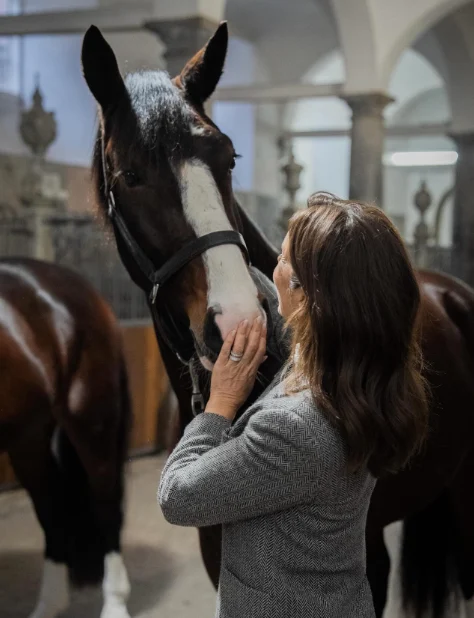
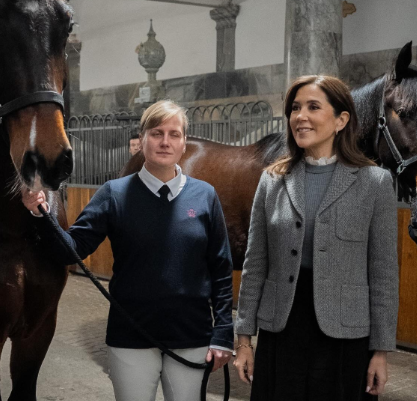
The images released show Queen Mary, dressed elegantly yet practically in a grey jacket and black skirt, engaging warmly with the new arrivals. She was seen gently petting and feeding the horses, a gesture that underscores the deep connection the Danish royal family maintains with their horses, which play a crucial role in ceremonial duties and historical continuity. The visit wasn’t merely a photo opportunity; it was an immersion into the lineage and nomenclature of these esteemed animals.
The names "Flik" and "Flak" are not random selections. As explained by representatives of the Danish Royal House, these names carry significant historical weight. The tradition of naming horses "Flik" and "Flak" dates back to the reign of King Christian X, who ruled Denmark from 1912 to 1947. King Christian X was the great-grandfather of Queen Mary’s husband, His Majesty King Frederik X, establishing a direct ancestral link that imbues the new horses with a sense of enduring legacy. This practice of perpetuating names across generations of royal horses highlights a conscious effort by the monarchy to honour its past and maintain a tangible connection to its historical figures.
Furthermore, the choice of names also subtly aligns with the contemporary royal household. The names "Flik" and "Flak" both commence with the letter "F," mirroring the initial letter of His Majesty King Frederik X’s name. This is a sophisticated nod to the current sovereign, reinforcing the continuity of the royal line and the present-day relevance of these traditions.
Echoes of the Past: A Royal Pony and a Shared Legacy
The connection to the name "Flik" and "Flak" extends even further, touching upon the personal history of the younger generation of the royal family. In 2005, shortly after the birth of their eldest child, Crown Prince Christian, the Danish government presented the then-infant prince with a special gift: a pony named Flikflak. This earlier equine companion, also sharing a similar phonetic resonance, further solidifies the narrative surrounding the naming of the new horses, suggesting a deliberate and perhaps affectionate continuation of a theme that has resonated within the family. This intertwining of personal milestones with royal traditions demonstrates how the monarchy integrates significant events into its established customs.
The Royal Stables: A Living Monument
The Royal Stables themselves are a significant historical site, boasting a rich and storied past. Located within the imposing Christiansborg Palace in Copenhagen, they are one of the few original structures from the era of King Christian IV that have survived the ravages of time, including devastating fires. Christiansborg Palace has been the seat of Danish power for centuries, and its stables have been a vital component of royal life, housing the horses that facilitated transportation, served in military capacities, and, crucially, pulled the royal carriages for ceremonial occasions.
Historically, the Royal Stables were a much larger operation, capable of housing up to 250 horses at their peak. Today, the stables are home to approximately 20 horses. These equine assets are meticulously trained and utilized for a variety of ceremonial events, including the highly visible New Year celebrations, state visits, and other important national occasions. The reduction in the number of horses reflects the changing nature of transportation and the evolving demands on the monarchy, yet their symbolic and functional importance remains undiminished. The enduring presence of the Royal Stables within the palace complex serves as a potent reminder of Denmark’s equestrian heritage and the integral role horses have played in its royal history.
Public Access and Historical Significance
Beyond their role in royal ceremonies, the Royal Stables at Christiansborg Palace are also a point of interest for the public. On select days of the week, these historic buildings are opened to visitors, allowing them to step back in time and experience the grandeur and history of the royal equestrian world. This accessibility fosters a connection between the monarchy and its people, offering a tangible link to a centuries-old tradition and the daily lives of the royal horses. The continued public engagement with the stables ensures that this aspect of royal heritage is not only preserved but also appreciated by a wider audience.
The Enduring Allure of Royal Equine Traditions
The introduction of "Flik" and "Flak" to the Royal Stables is more than just the acquisition of new animals. It is a living embodiment of Danish royal history, a testament to enduring traditions, and a subtle yet meaningful connection between past, present, and future monarchs. The choice of names, deeply rooted in the lineage of King Christian X and resonating with the reign of King Frederik X, illustrates a deliberate and thoughtful approach to maintaining historical continuity. The personal touch, exemplified by the pony Flikflak gifted to Crown Prince Christian, adds a layer of familial warmth to these established customs.
The Royal Stables themselves, as a surviving architectural marvel and a functional hub for royal ceremonies, stand as a symbol of Denmark’s rich equestrian heritage. The fact that Queen Mary herself took the time to personally welcome these new horses and explain their lineage underscores the importance placed on these traditions within the modern Danish monarchy. In an era of rapid change, these seemingly small acts of historical remembrance and continuity offer a sense of stability and a powerful connection to the past, enriching the narrative of the Danish royal family for both its members and the nation. The story of Flik and Flak is a quiet but significant chapter in the ongoing saga of the Danish Crown, a reminder that even in the modern age, the echoes of history continue to shape the present.