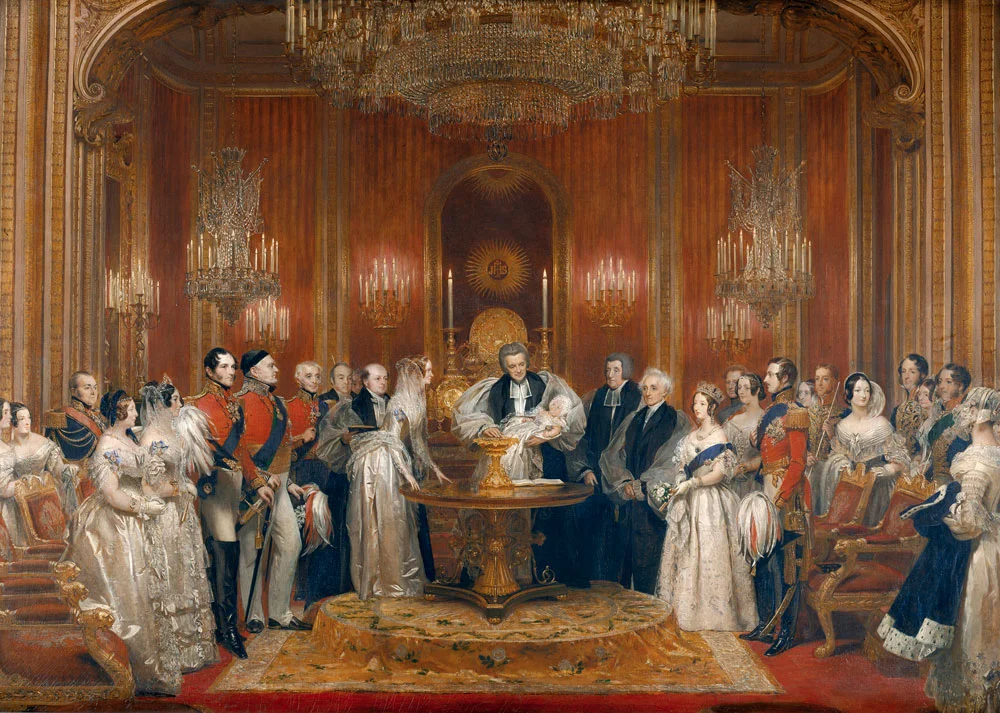

The Royal Collection Trust has announced that one of the most significant artifacts in British monarchical history, the original royal christening robe, will be presented to the public for the first time this April. The garment, which has been worn by 62 royal infants over a span of 185 years, including the late Queen Elizabeth II and the current monarch, King Charles III, will serve as a centerpiece for the upcoming centenary exhibition, "Queen Elizabeth II: Her Life in Style." Scheduled to open on April 10 at The King’s Gallery at Buckingham Palace, the exhibition represents the most comprehensive display of the late Queen’s wardrobe ever assembled, charting her sartorial evolution across ten decades.
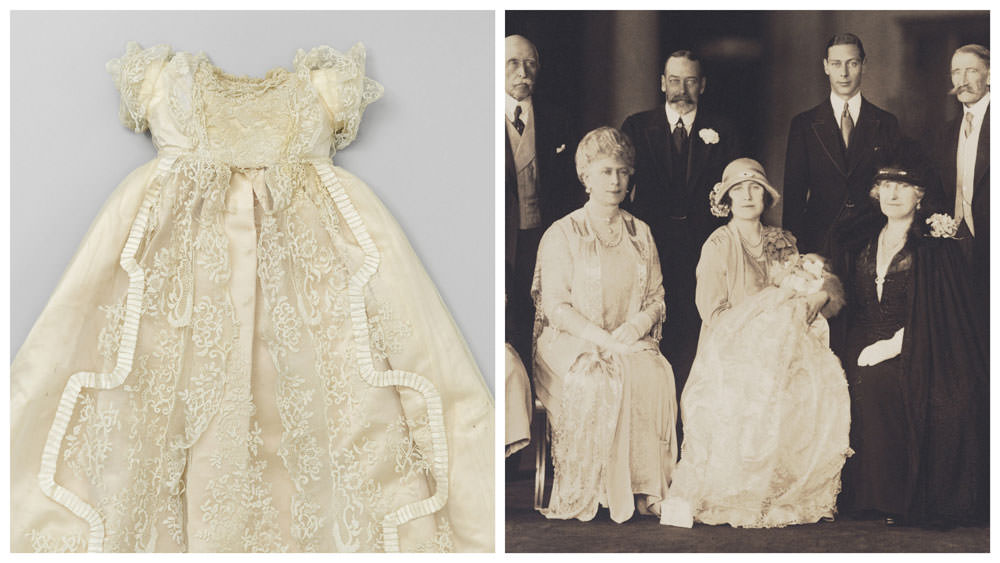
The appearance of the original robe is a landmark event for historians and royal enthusiasts alike. For nearly two centuries, the garment was a private family heirloom, shielded from the public eye and reserved strictly for the sacred rites of baptism within the House of Windsor and its predecessors. Its display is particularly resonant given the location; The King’s Gallery is situated on the exact site of the former private chapel at Buckingham Palace. It was in this chapel that the future Queen Elizabeth II was christened in May 1926, and where the robe was seen by her family before the structure was tragically destroyed during the Blitz in 1940.
The Victorian Origins of a Royal Tradition
The story of the christening robe begins in 1841, during the early years of Queen Victoria’s reign. Seeking a garment that would reflect both the sanctity of the occasion and the excellence of British industry, Queen Victoria commissioned her Scottish dressmaker, Janet Sutherland, to create a robe for her firstborn child, Victoria, Princess Royal. Sutherland, who held the title of "Embroiderer to the Queen," designed a garment that would set the standard for royal infant wear for the next 163 years.
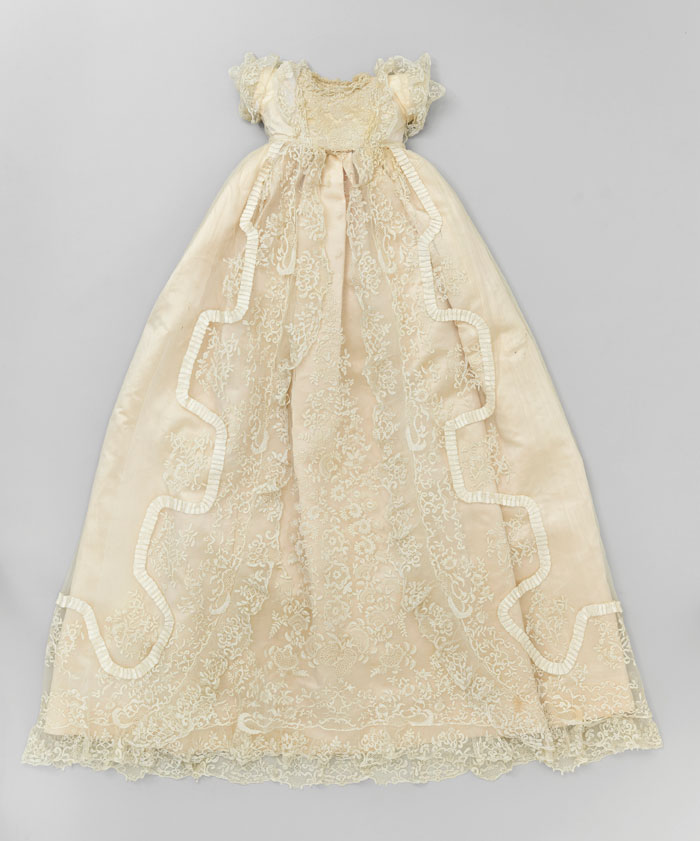
The robe was crafted using cream-colored Spitalfields silk, sourced from the historic weaving district in East London. During the 19th century, Spitalfields was renowned globally for its high-quality silk production, an industry established by Huguenot refugees. By choosing this material, Queen Victoria was intentionally championing domestic craftsmanship, a practice that her great-granddaughter, Elizabeth II, would continue throughout her 70-year reign. The silk was overlaid with exquisite Honiton lace from Devon, the same variety of lace that Queen Victoria had famously chosen for her wedding dress in 1840 to support the struggling lace-makers of the West Country.
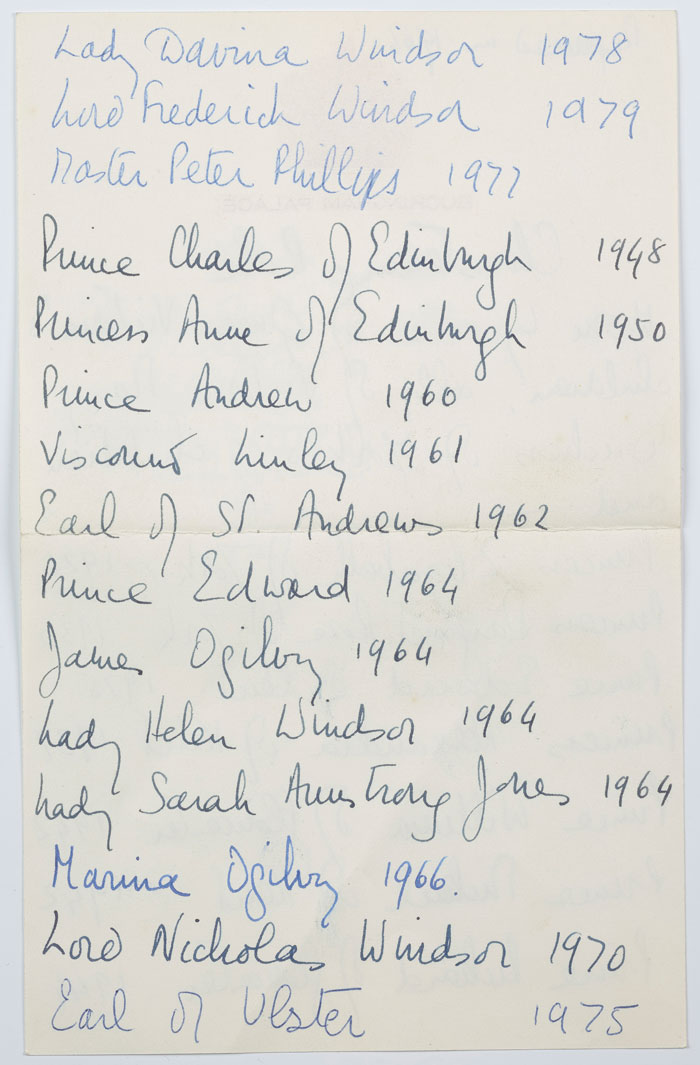
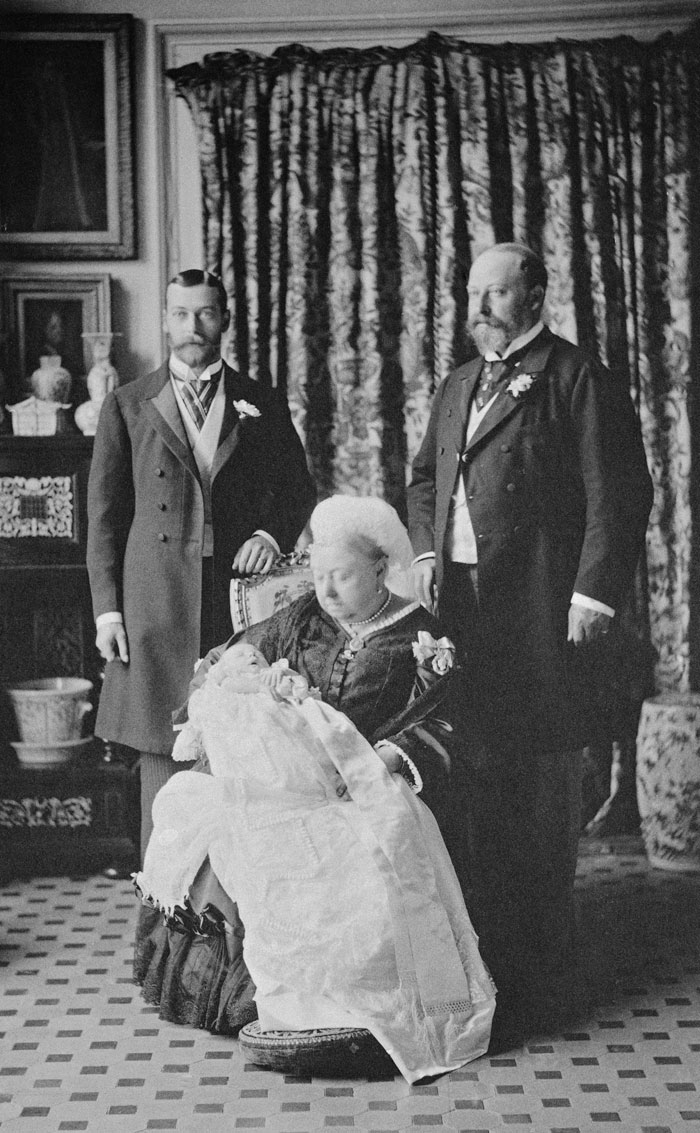
Following its debut in 1841, the robe became a foundational element of royal tradition. It was meticulously preserved and passed down through the generations, worn by all of Queen Victoria’s nine children and subsequently by her grandchildren and great-grandchildren.
A Century of Use: From Princess Elizabeth to the Modern Era
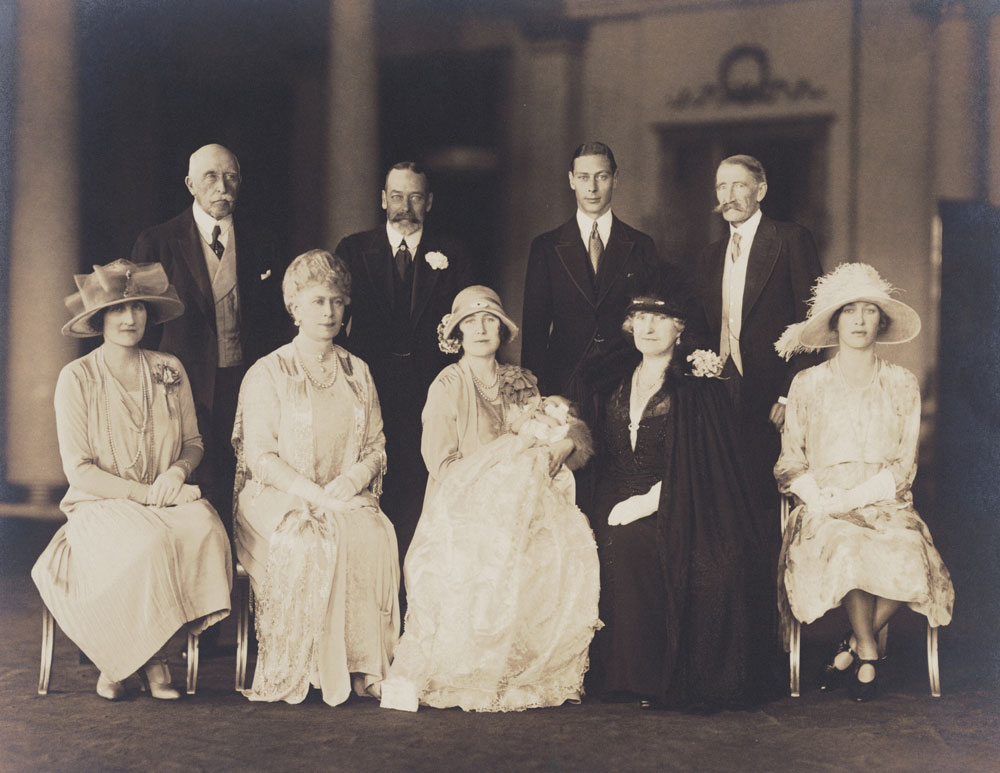
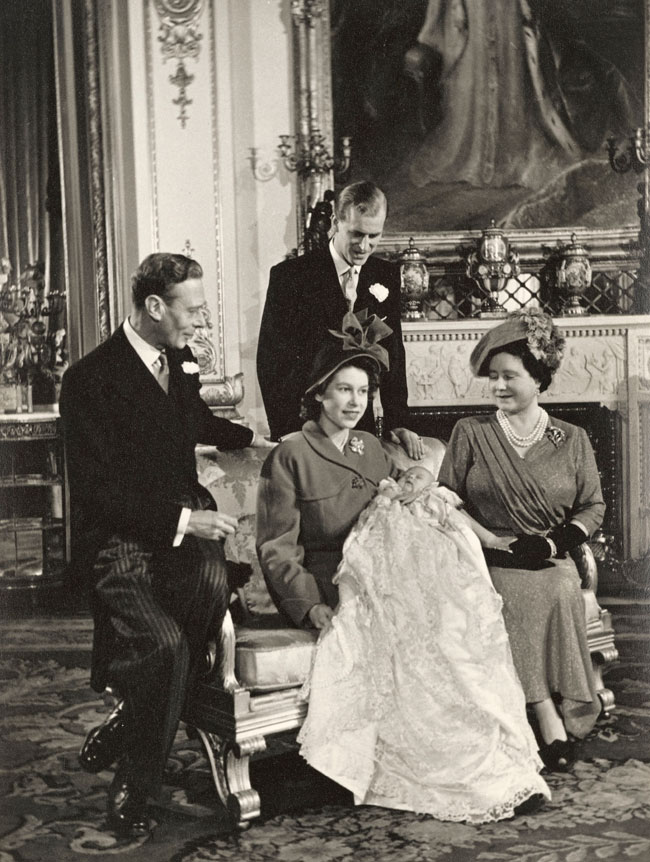
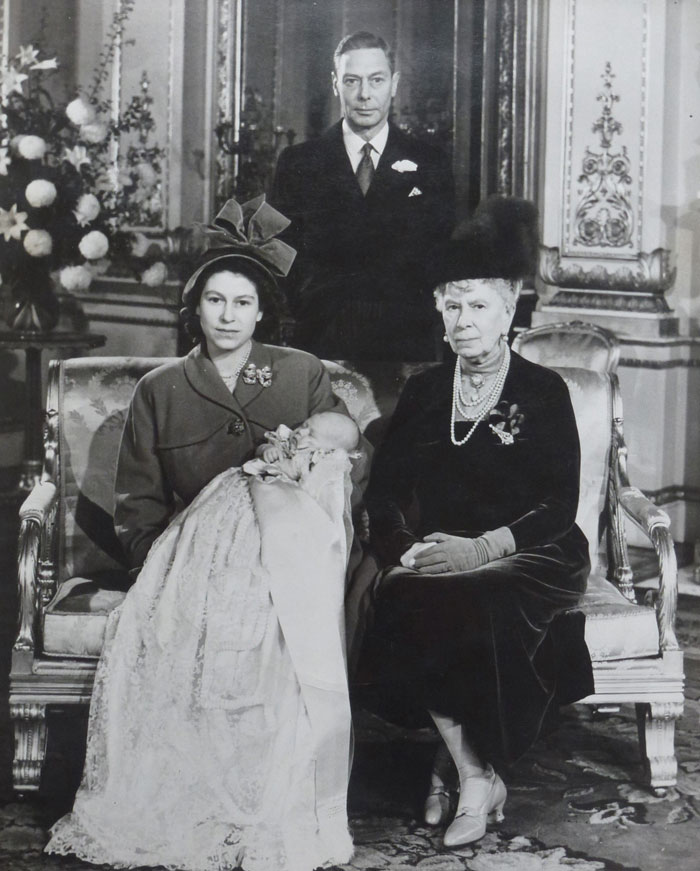
The robe’s historical weight is perhaps best illustrated by its association with the most prominent figures of the 20th-century monarchy. In 1926, the then-Princess Elizabeth of York wore the robe for her christening at the age of one month. Archival photographs from the period show the infant Princess in the arms of her parents, the Duke and Duchess of York (later King George VI and Queen Elizabeth, the Queen Mother), surrounded by a gallery of royal godparents and grandparents.
Two decades later, the robe was again brought out for the christening of Elizabeth’s firstborn, the future King Charles III, in 1948. This was followed by the christenings of Princess Anne in 1950, Prince Andrew in 1960, and Prince Edward in 1964. The garment’s continued use served as a visual symbol of continuity and the enduring nature of the Crown.
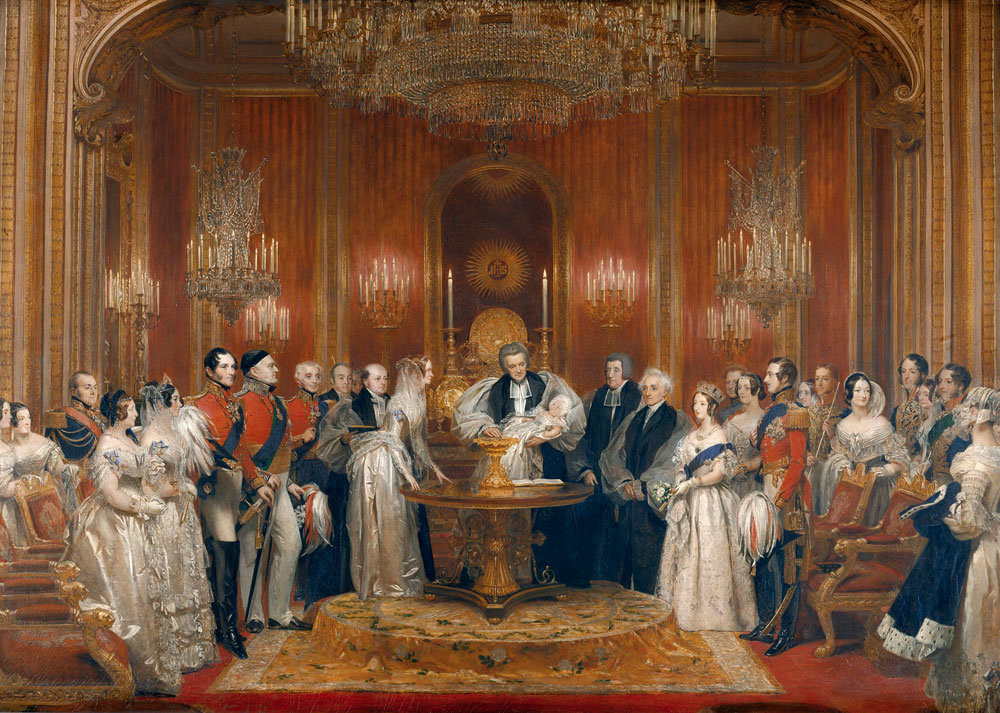
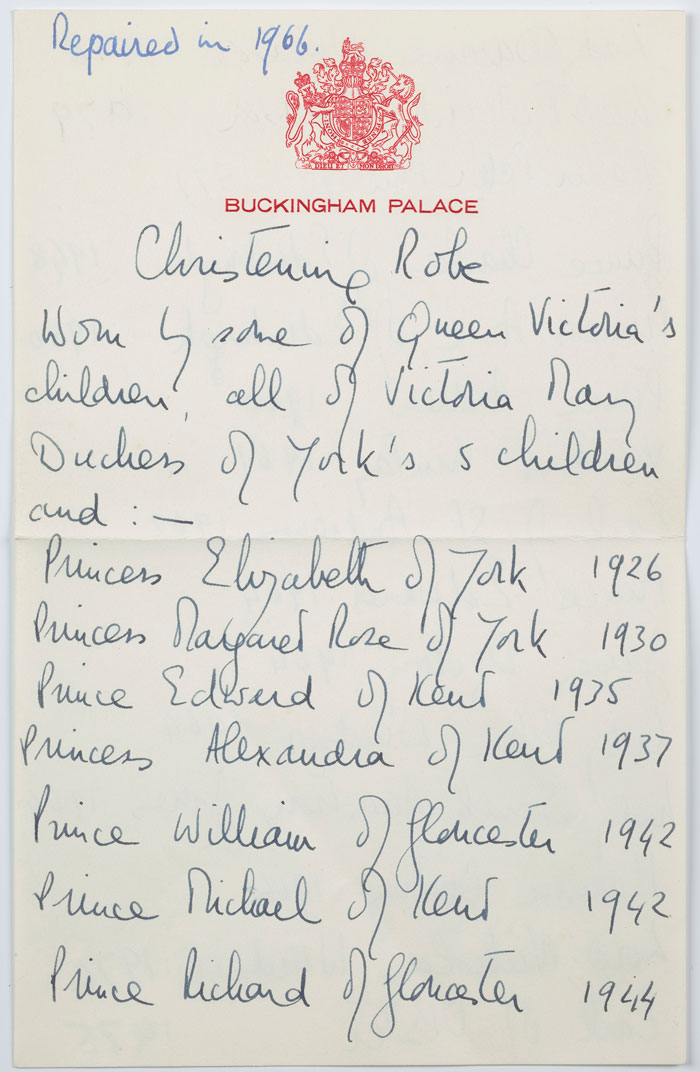
The exhibition will feature a poignant piece of documentation: a note handwritten by Queen Elizabeth II herself. The note meticulously records the names of the various royal babies who wore the robe up until the 1970s. This tradition of record-keeping was initiated by her grandmother, Queen Mary, who took charge of the robe’s care after the death of Queen Victoria in 1901. The presence of this note in the exhibition highlights the robe not just as a piece of clothing, but as a cherished family heirloom that the Queen managed with personal oversight.
The Meticulous Art of Conservation
The longevity of the robe is a testament to nearly two centuries of careful maintenance, yet the passage of time and the fragility of organic fibers eventually necessitated intensive intervention. Silk, particularly the weighted varieties common in the 19th century, is highly susceptible to "shattering" or degradation due to light, humidity, and the natural oils from skin.
In preparation for its public debut, the original robe underwent 100 hours of specialized conservation treatment. Cecilia Oliver, a textile conservator for the Royal Collection Trust, led the project. The process involved a section-by-section handwashing of the delicate fabric—a high-stakes endeavor given the garment’s age. Conservators also performed meticulous repairs to small holes and reinforced areas where the fabric had worn thin, particularly the central panel where the movement of infants over the decades had caused the most stress.
"The robe has been lovingly cared for over the generations," Oliver noted. "We even found a note on its box instructing that it be washed in natural spring water after use, which helps explain its remarkable condition despite such frequent use."
This conservation effort follows a previous restoration attempt in the 1960s. However, by the early 21st century, the structural integrity of the 1841 original had reached a critical point. In 2004, after the christening of Lady Louise Windsor, Queen Elizabeth II determined that the original was too fragile for further use. She subsequently commissioned her personal wardrobe advisor, Angela Kelly, to oversee the creation of an exact replica.
The replica was crafted to be indistinguishable from the original, using the same types of lace and silk. This modern version has been used for all royal christenings since 2008, including those of Prince George, Princess Charlotte, and Prince Louis. The retirement of the original robe into the Royal Archives ensured its preservation for future generations, leading to its current opportunity for public viewing.
"Her Life in Style": A Centenary Celebration
The christening robe is one of approximately 200 items featured in "Queen Elizabeth II: Her Life in Style." The exhibition is designed to be a definitive retrospective of the monarch’s fashion, spanning from her infancy to her final years. Visitors will be able to see the evolution of her "diplomatic dressing"—the practice of incorporating local symbols, colors, and motifs into her outfits during state visits to honor host nations.
Caroline de Guitaut, the exhibition’s curator, emphasized the significance of the robe as the starting point of the Queen’s stylistic journey. "The christening robe was the most significant garment worn by Princess Elizabeth in her infancy and is an exceptional example of British craftsmanship—something Queen Elizabeth went on to champion throughout her life," de Guitaut stated.
In addition to the robe, the display will include the original bonnet, silk satin shawl, and a collection of sashes and bows embroidered with national emblems that were traditionally paired with the garment. These items collectively offer a rare look at the ceremonial traditions that have remained largely unchanged for nearly 200 years.
Accessibility and Public Engagement
The Royal Collection Trust has implemented several initiatives to ensure the exhibition is accessible to a broad audience. While standard adult tickets are priced at £22, the Trust has introduced a £1 ticket scheme for individuals receiving Universal Credit and other named benefits. This initiative is part of a broader charitable aim to make the Royal Collection available to those who might otherwise be excluded by cost. Additionally, discounted tickets are available for young people aged 18 to 24, encouraging a new generation to engage with British history and textile art.
The exhibition’s opening marks a significant moment in the cultural calendar, offering a tangible connection to the life of the UK’s longest-reigning monarch. By showcasing the 1841 robe, the Royal Collection Trust is not only honoring the memory of Queen Elizabeth II in her centenary year but also highlighting the skilled artisans—from the silk weavers of Spitalfields to the lace-makers of Honiton—who have clothed the British monarchy for centuries.
As the exhibition prepares to welcome its first visitors on April 10, the return of the robe to the site of its 1926 appearance brings a sense of historical completion. It stands as a silent witness to the passage of time, a relic of the Victorian era that remained relevant and functional well into the 21st century, and a symbol of the continuity of the British Royal Family.