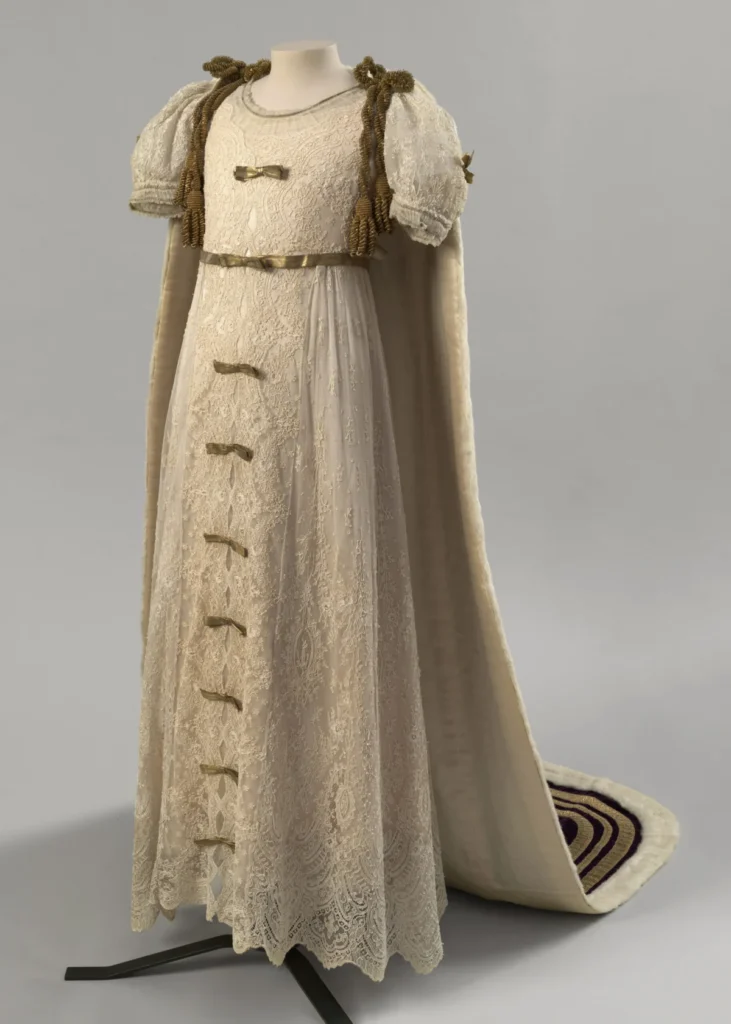

London – With the centenary of the birth of Queen Elizabeth II fast approaching, a landmark exhibition, "Queen Elizabeth II: Her Life in Style," has opened its doors at The King’s Gallery, adjacent to Buckingham Palace. This significant exhibition, the largest ever dedicated to the late Queen’s sartorial legacy, offers a profound exploration of how her meticulously curated style not only defined her personal image but also played a pivotal role in shaping the perception of modern monarchy. The opening coincides with the approach of the 100th anniversary of the birth of the longest-reigning monarch in British history, providing a timely and poignant reflection on her extraordinary life and enduring impact.
This exhibition represents the first major royal retrospective examining the life and legacy of Queen Elizabeth II since her passing in September 2022. The Royal Collection Trust has meticulously assembled a collection of some of the most iconic and significant items associated with the Queen, weaving a narrative that traces her personal journey and the historical arc of her remarkable reign. Through these carefully chosen garments and jewels, the exhibition aims to illuminate the strategic and symbolic power of royal presentation.
The Evolution of Royal Presentation: A Style for the Ages
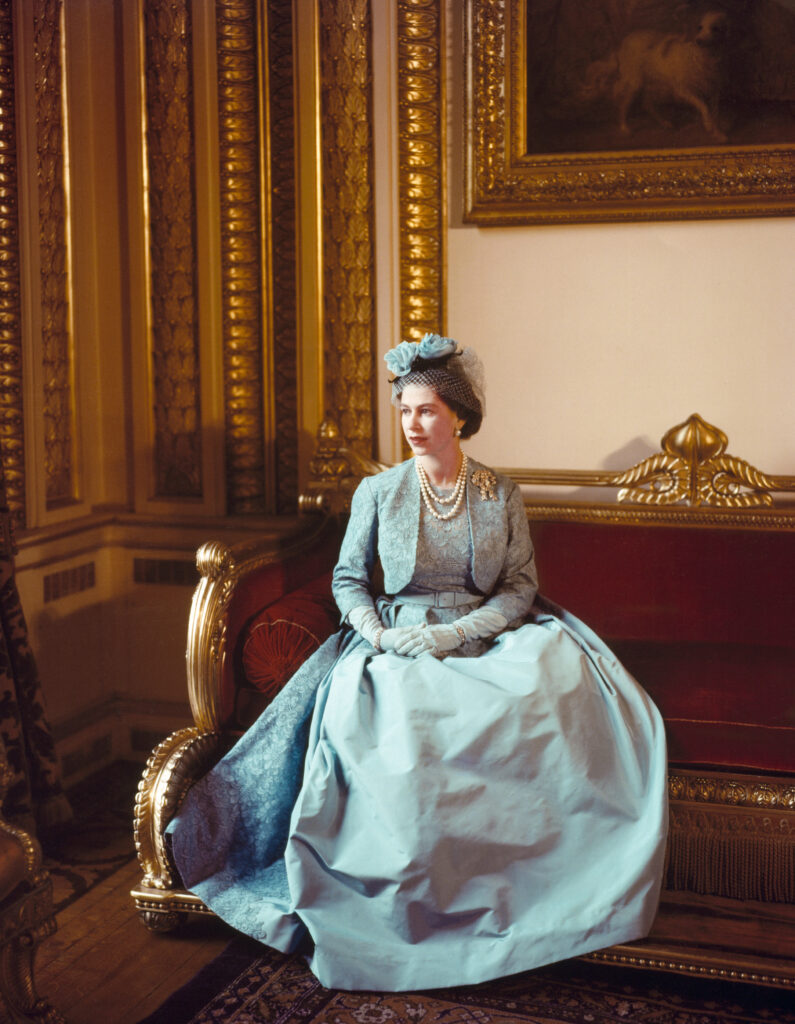
Image has always been a cornerstone of monarchy, and "Queen Elizabeth II: Her Life in Style" places the symbolism and impact of some of the most important pieces ever worn by the late Queen at its very heart. The exhibition provides an unprecedented opportunity for the public to engage with the tangible elements that contributed to the Queen’s carefully crafted public persona.
One of the exhibition’s most anticipated centrepieces is Queen Elizabeth II’s wedding dress, a masterpiece designed by Sir Norman Hartnell. This gown, a symbol of hope and continuity during a post-war era, is displayed alongside the Queen Mary Fringe Tiara. A fascinating anecdote surrounding this tiara, which famously broke on the morning of the wedding, highlights the Queen’s grace under pressure and her unwavering commitment to tradition. The fact that she chose to wear it despite this mishap underscores the symbolic importance she placed on such regalia.
Another historically significant garment on display is Hartnell’s Coronation dress, often hailed as "the most important gown in 20th-century British history." This intricately embroidered creation, adorned with the emblems of the United Kingdom, is a testament to the collaborative effort between the young Queen and her designer. Records indicate that Queen Elizabeth II was deeply involved in its design, reportedly rejecting seven initial versions before settling on the final, iconic gown that became synonymous with the dawn of her 70-year reign. Her direct input into such a pivotal piece of attire reveals a keen understanding of its role in national symbolism and royal messaging.
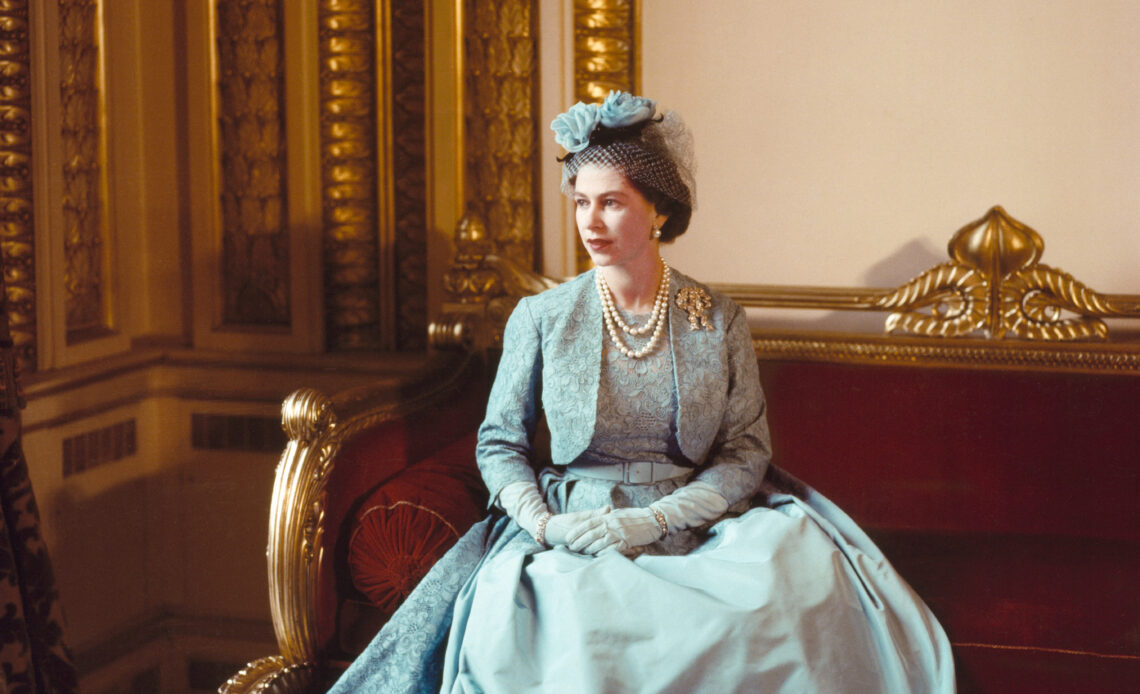
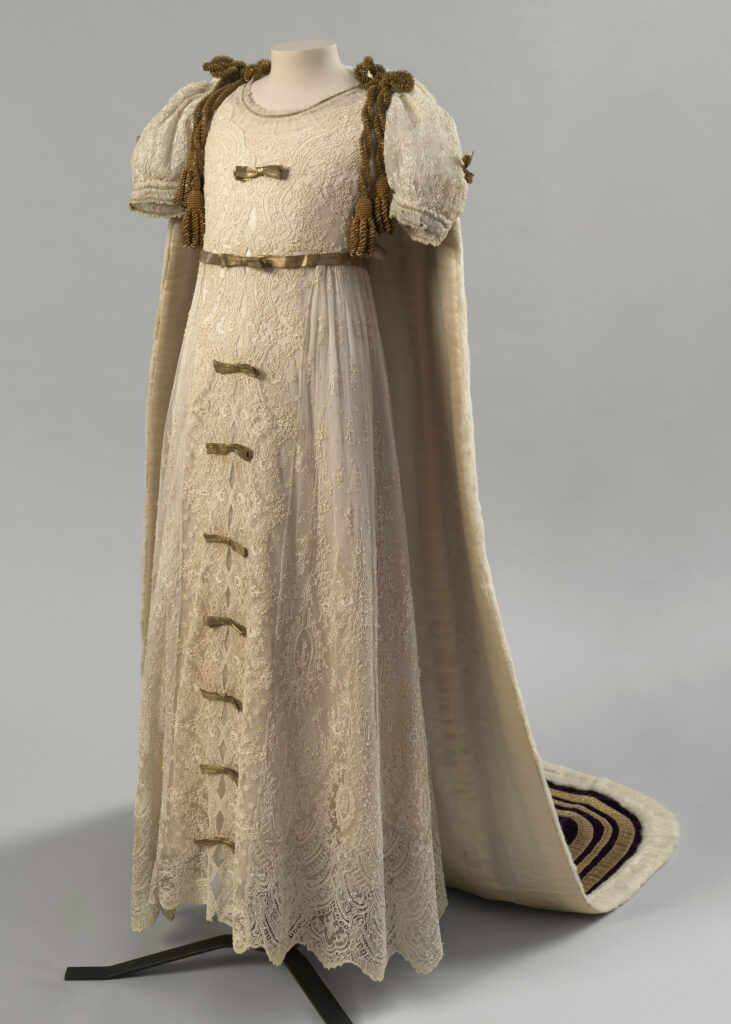
The exhibition also showcases the christening gown worn by the then Princess Elizabeth. This venerable garment, originally commissioned by Queen Victoria, has been worn by generations of royal infants. In a poignant demonstration of the evolving nature of royal tradition, the exhibition details how, in 2004, Queen Elizabeth II deemed the original gown too fragile for further use. She then commissioned her dresser, Angela Kelly, to create an exact replica, which has since been used for every royal baptism, including those of Prince George, Princess Charlotte, and Prince Louis. This transition signifies a blend of preserving heritage while adapting to contemporary needs and preservation concerns.
A Kaleidoscope of Royal Wardrobe: Telling Stories Through Colour and Form
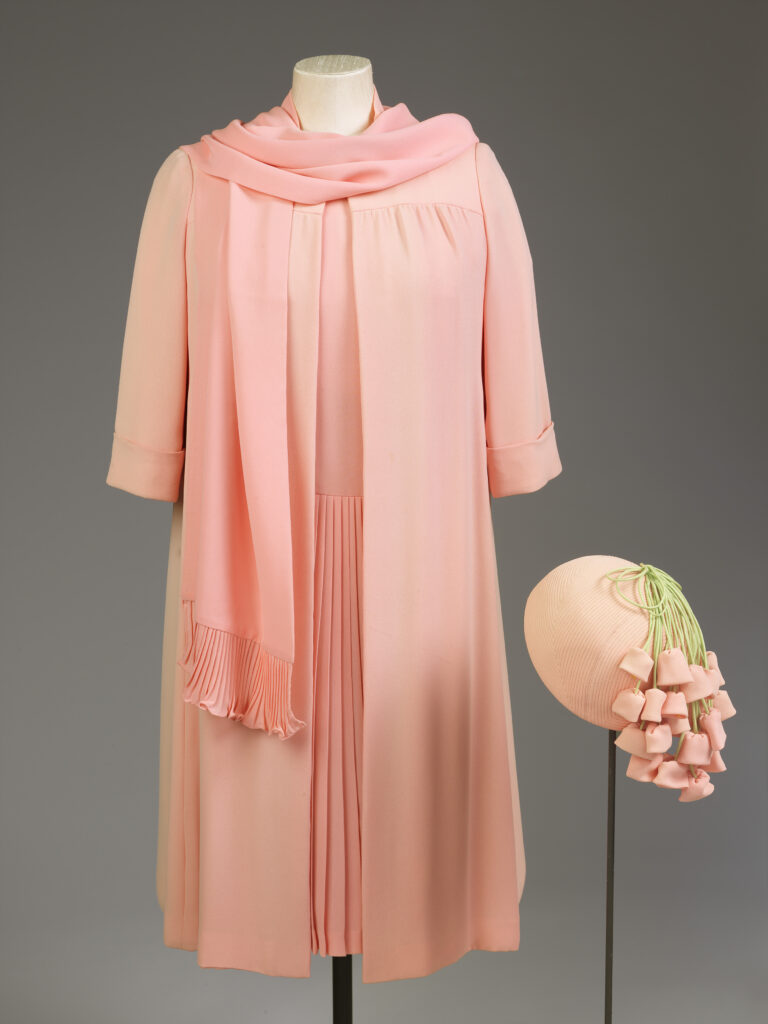
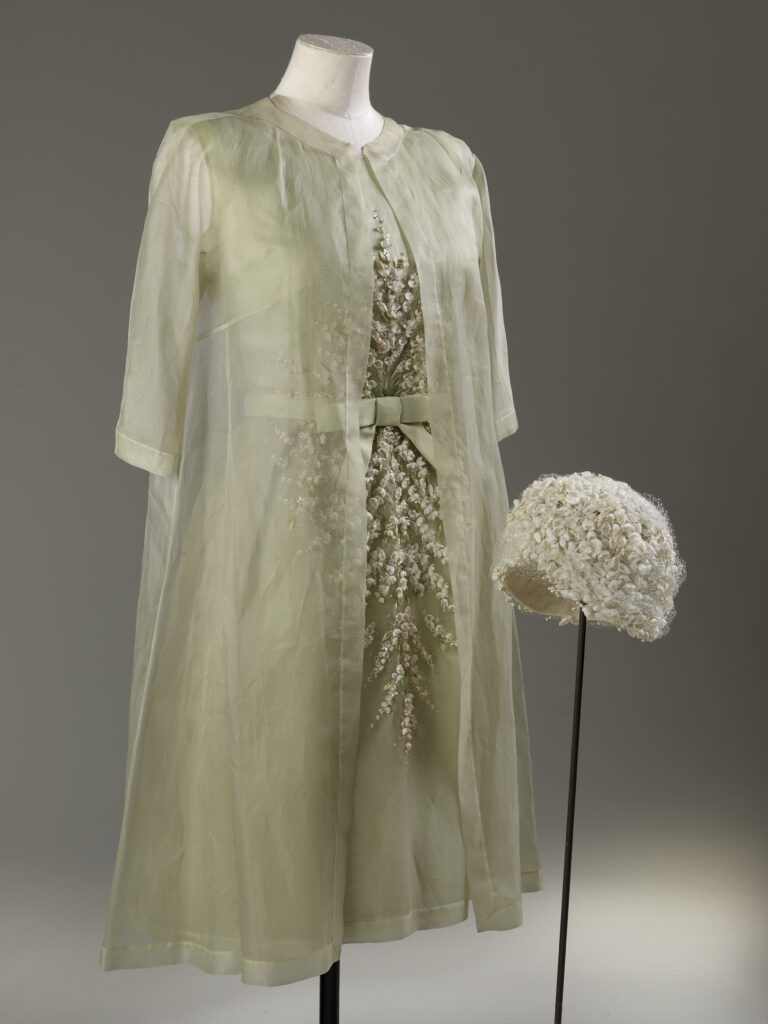
The exhibition extends beyond these singular, monumental pieces to encompass a broader spectrum of the Queen’s wardrobe, illustrating the evolution of her style across seven decades. A striking "rainbow wall" features a curated selection of her day outfits, meticulously arranged by hue. Dresses, suits, skirts, and jackets are displayed in a vibrant array of colours, each garment accompanied by its own narrative, offering insights into the occasions they were worn for and the messages they conveyed.
This visual presentation serves to highlight the deliberate choices made by the Queen in her public appearances. From the vibrant colours chosen to ensure visibility in crowds to the elegant silhouettes that conveyed authority and poise, each ensemble was a carefully considered component of her public image. The exhibition aims to demonstrate how her style was not merely a matter of personal preference but a strategic tool for engaging with the public and projecting the image of a steadfast and accessible monarch.
The Art of Visibility: Shaping Modern Monarchy
The exhibition delves into the broader implications of Queen Elizabeth II’s style and its role in shaping expectations of modern monarchy. The introduction of the "walkabout" – the practice of the monarch engaging directly with the public in informal settings – was a significant innovation during her reign. This required a shift in wardrobe to accommodate a more active and public-facing role. The Queen’s famous use of transparent umbrellas, designed to ensure she remained visible to those gathered to see her, even in inclement weather, is presented as a prime example of this strategic approach.
This focus on visibility aligns with a famous quote attributed to the Queen: "I have to be seen to be believed." This sentiment underscores the exhibition’s central thesis: that Queen Elizabeth II understood the profound power of visual representation in solidifying her role and connecting with her people. The exhibition, as the first major retrospective of her life and legacy since her death, powerfully illustrates how every facet of her public presentation contributed to a cohesive and enduring narrative of her reign.
The introduction of the walkabout, while seemingly informal, demanded a specific type of presentation. The Queen’s choice of practical yet elegant attire, often featuring bright colours and well-tailored coats and hats, ensured she was both approachable and regal. Her famed use of see-through umbrellas was not merely a practical measure against the rain; it was a deliberate choice to maximize her visibility, allowing crowds to see her face and her expressions, reinforcing the personal connection she sought to establish. This proactive approach to public engagement through her attire fundamentally redefined the interaction between the monarch and the populace, setting a precedent for future generations.
A Glimpse into Royal Treasures: Jewels and Personal Adornments
Beyond clothing, "Queen Elizabeth II: Her Life in Style" offers a dazzling display of the Queen’s personal jewellery collection, providing a window into both her public duties and her private life. Three of her most celebrated tiaras are on view: the Queen Mary Fringe Tiara, the Burmese Ruby Tiara, and the Brazilian Aquamarine Tiara. These pieces, steeped in history and craftsmanship, not only represent significant royal heirlooms but also served as powerful symbols of her status and authority during state occasions and international visits. The sheer opulence and historical significance of these jewels underscore the immense responsibility and the symbolic weight carried by the monarch.
The exhibition also includes deeply personal items that offer an intimate glimpse into the Queen’s life. The Queen Caroline and Queen Anne pearl necklaces, gifts from her parents, King George VI and Queen Elizabeth, upon her marriage, are displayed, evoking a sense of familial affection and tradition. A particularly touching inclusion is a bracelet gifted to her by Prince Philip for their fifth wedding anniversary, the first they marked since her accession to the throne. These personal adornments provide a humanizing counterpoint to the grand regalia, revealing the woman behind the crown.
The Enduring Iconography of Royal Headwear
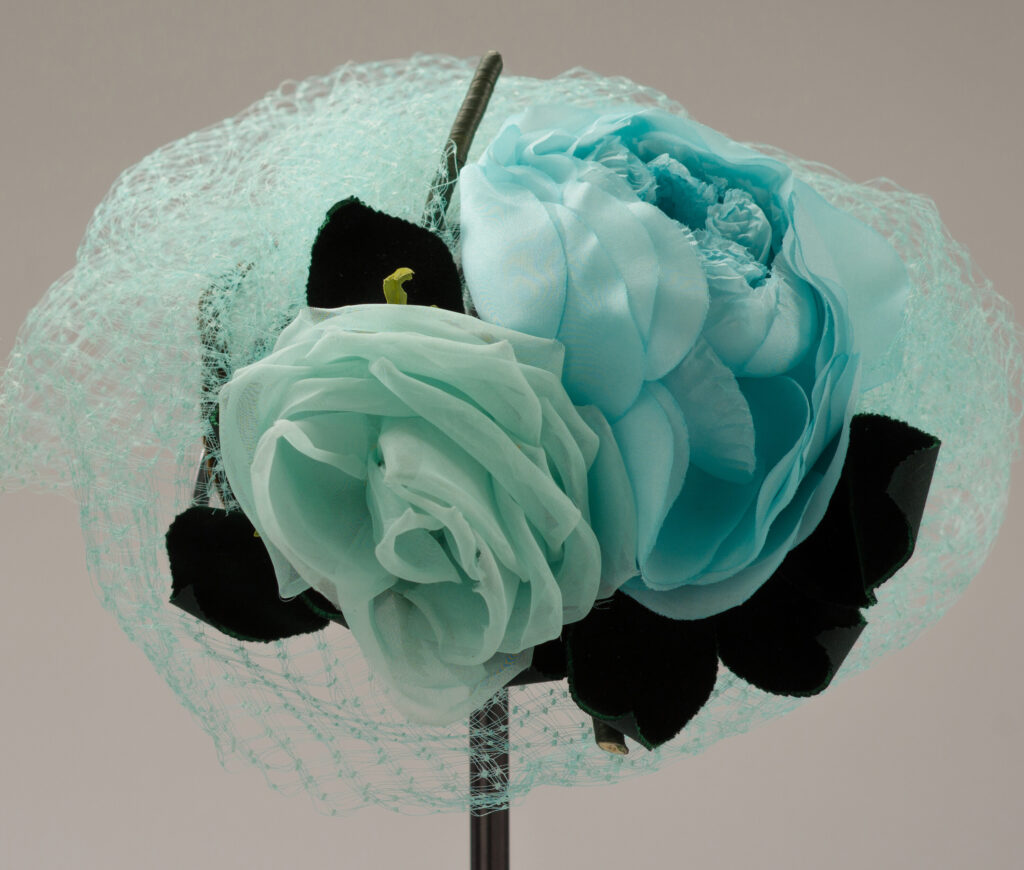
Queen Elizabeth II was as renowned for her exquisite hats and vibrant headscarves as she was for her broader sartorial choices. The exhibition features an extensive display of her headwear, showcasing the evolution of millinery trends throughout her reign. From on-trend 1960s turbans to the practical yet elegant silk squares she favoured during equestrian pursuits, this collection highlights her keen eye for fashion and her ability to adapt her style to different contexts. The hats, often coordinated with her outfits, were not merely accessories but integral components of her public image, contributing to her instantly recognisable silhouette. The sheer variety and artistry of these pieces underscore the importance of millinery in royal dressing and the Queen’s personal flair in embracing this tradition.
Context and Chronology: A Reign in Fashion
The exhibition meticulously charts the Queen’s style evolution against the backdrop of significant historical events and societal shifts. Her early choices, influenced by post-war austerity and the traditional expectations of royalty, gradually evolved to reflect changing fashion sensibilities and her increasing confidence and authority as monarch.
- 1947: Princess Elizabeth marries Prince Philip. Her wedding dress, designed by Norman Hartnell, is a symbol of national recovery. She wears the Queen Mary Fringe Tiara, which famously broke on the day.
- 1953: Queen Elizabeth II’s Coronation. Hartnell’s iconic Coronation dress, representing national emblems, is a pivotal moment in her sartorial history.
- 1950s-1960s: The Queen embraces the evolving styles of the mid-20th century, experimenting with silhouettes and fabrics, while maintaining a consistent regal presence. The rise of designers like Hardy Amies becomes significant.
- 1970s-1980s: A period of bolder colours and patterns, reflecting the era’s fashion trends. The Queen’s introduction of the "walkabout" necessitates practical yet stylish attire.
- 1990s-2000s: A more refined and classic approach to her wardrobe, often featuring skirt suits and elegant coats, designed for longevity and impact. The decision to create a replica christening gown is made in 2004.
- 2010s: Continued adherence to her signature style, with a focus on bright colours and impeccably tailored outfits for a multitude of public engagements.
- 2022: Queen Elizabeth II passes away. The world reflects on her seven-decade reign and enduring legacy.
Broader Impact and Implications: The Enduring Power of the Royal Image
The exhibition arrives at a moment of significant reflection for the British monarchy. As the nation and the Commonwealth navigate the post-Elizabethan era, "Queen Elizabeth II: Her Life in Style" offers a valuable lens through which to understand the continuity and change within the institution. The late Queen’s mastery of her public image, meticulously crafted through her sartorial choices, provided a stable and reassuring presence for generations. Her ability to blend tradition with modernity, to be both an emblem of the past and a figure of the present, cemented her unique place in history.
The exhibition implicitly prompts contemplation on how King Charles III and the future generations of the Royal Family will approach their own public presentation. While direct emulation may not be possible or desirable, the principles of strategic communication, symbolic representation, and a deep understanding of public perception, so expertly employed by Queen Elizabeth II, remain vital for the enduring relevance of the monarchy. The show serves as a powerful reminder that in the realm of royalty, style is not merely an aesthetic choice; it is a profound form of communication, a tool for national identity, and a key to understanding the very fabric of a long and impactful reign.
"Queen Elizabeth II: Her Life in Style" is more than just a display of clothing and jewels; it is a narrative of a life dedicated to service, a study in the power of visual communication, and a testament to the enduring legacy of a monarch who understood the profound importance of being seen, and in doing so, being believed.
The exhibition runs from April 10, 2026, until October 19, 2026. Tickets are available for purchase through the Royal Collection Trust website.