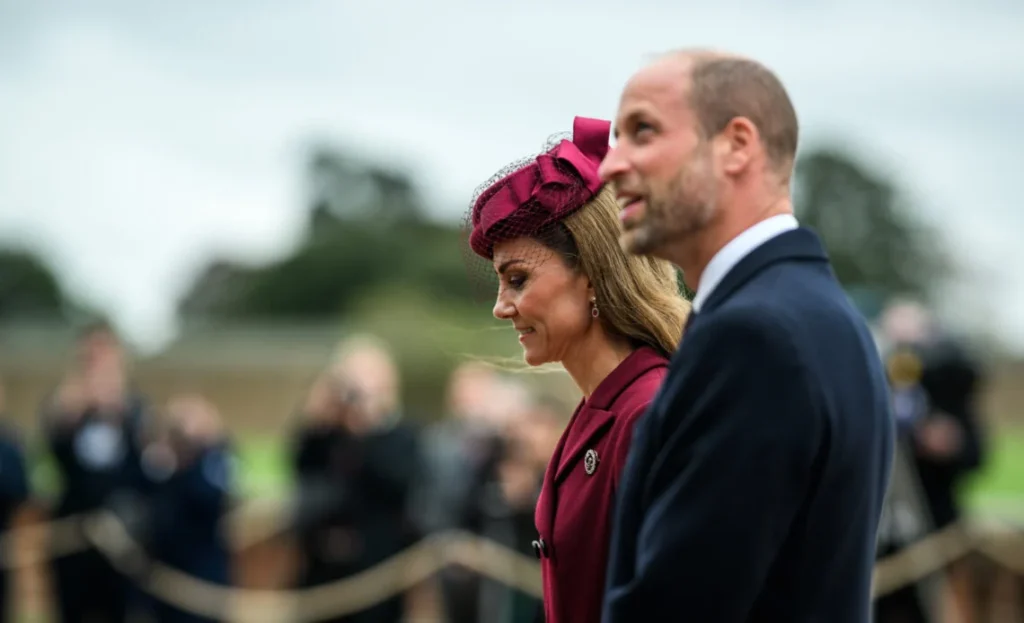

Prince William, The Prince of Wales, has revealed a profound and "quiet faith," signalling his intention to underscore his dedication to the Church of England as the institution prepares for a landmark event: the installation of its first female Archbishop of Canterbury. This move comes at a pivotal moment for the Anglican communion and for the future monarch, whose own spiritual convictions have occasionally been the subject of public discourse.
The heir to the throne is scheduled to attend the significant ceremony this week, a moment that will not only mark a new chapter for the Church but also underscore William’s own evolving role and responsibilities within the religious and constitutional framework of the United Kingdom. As the future King, Prince William will assume the roles of Supreme Governor of the Church of England and Defender of the Faith. While the deeply ingrained Christian devotion of his late grandmother, Queen Elizabeth II, was a cornerstone of her reign, and his father, King Charles III, has consistently demonstrated a profound interest in his faith and that of others, the Prince of Wales’ personal spiritual landscape has been a subject of more nuanced public observation.
This increased scrutiny on Prince William’s faith has been particularly pronounced since September 2022, when he ascended to the position of heir apparent and, by extension, next in line to the significant spiritual leadership role of Supreme Governor. The weight of this constitutional and spiritual responsibility is clearly a formative influence as he looks towards his future reign.
Sources Detail Prince William’s Devotion
In the lead-up to the installation of Dame Sarah Mullally, the incoming Archbishop of Canterbury, sources close to Prince William have conveyed to The Sunday Times that the Prince of Wales regards his faith and his commitment to the Church of England with utmost seriousness. This sentiment aims to counter any perception of a less engaged approach to his religious duties compared to his predecessors.
While acknowledging that William does not attend church daily, these sources emphasize that his commitment to his Christian faith remains unwavering. An aide to the Prince reportedly stated, "those who know him well recognise that his connection to the Church and to the sense of duty that comes with it, runs deep and is grounded in something personal and sincere." This insight suggests a spiritual conviction that is deeply personal, rather than performative.
The same source further elaborated on the Prince’s forward-looking perspective: "as he looks ahead to the responsibilities he will one day assume… he is keen to build a strong and meaningful bond with the Church and its leadership." This indicates a desire to foster a relationship with the Church that is both respectful of its historical traditions and relevant to the contemporary fabric of British society, a society that increasingly embraces diversity in its spiritual and secular outlooks.
A Shared Vision for a Modern Church
The Prince and Princess of Wales have already demonstrated a proactive engagement with the new Archbishop. In February, William and Catherine visited Dame Sarah Mullally at Lambeth Palace, her official residence. This meeting, described as "warm discussions," allowed for an early alignment of perspectives and a fostering of the relationship between the future monarch and the spiritual leader of the Church of England.
Following the visit, Dame Sarah Mullally, who is making history as the first woman to hold the highest office in the Church of England, expressed her pleasure at the encounter. She stated, "it was a privilege to welcome the Prince and Princess of Wales to Lambeth Palace today. I know we hold the same hope for a better world and I look forward to working together in the years to come." This statement highlights a shared aspiration for positive societal impact and a commitment to collaborative efforts.
Interestingly, the Prince and the new Archbishop share a common passion outside of their religious and royal duties: both are avid supporters of Aston Villa Football Club. This shared interest can serve as a relatable point of connection, potentially fostering a more informal and personal dimension to their working relationship.
Navigating Past Controversies and Looking Ahead
The article also touches upon a notable point of contention during the tenure of the Archbishop’s predecessor, Justin Welby. In 2021, Meghan, Duchess of Sussex, claimed in an interview with Oprah Winfrey that she and Prince Harry had a private wedding ceremony conducted by Archbishop Welby three days before their official royal wedding on May 19, 2018. She stated, "just the two of us in our backyard with the Archbishop of Canterbury." Archbishop Welby subsequently denied this claim, clarifying that the legal wedding took place on May 19, and emphasized that signing the wedding certificate knowing it to be false would have constituted a "serious criminal offence."
Later, Justin Welby faced criticism and resigned his position following scrutiny of his handling of allegations concerning John Smyth, who was accused of widespread sexual abuse. These past events underscore the sensitive nature of the Archbishop’s role and the importance of clear leadership and accountability within the Church.
The Significance of the Installation Ceremony
Prince William’s attendance at the installation of Archbishop Sarah Mullally at Canterbury Cathedral is a customary and constitutionally significant act. As the heir to the throne, his participation in such a pivotal ceremony for the Church of England signifies the continuity of the monarch’s historic relationship with the institution. The Princess of Wales will accompany him, underscoring the couple’s united front in their royal duties.
Princess Catherine’s Growing Spirituality
It is understood that Catherine, Princess of Wales, has experienced a deepening of her spiritual life in recent months. This introspection has reportedly been influenced by her diagnosis with cancer in early 2024. While specific details remain private, this personal journey may further inform her perspective on faith and its role in public service and personal well-being.
Background Context: The Church of England and its Future
The Church of England, also known as the Anglican Church, holds a unique position within the United Kingdom. It is the established church, with the reigning monarch serving as its Supreme Governor. This role, dating back centuries, imbues the monarchy with a significant religious and symbolic authority. The Archbishop of Canterbury is the senior bishop of the Church of England and the Metropolitan of the Province of Canterbury, holding immense influence over the global Anglican Communion, which comprises over 85 million members in more than 160 countries.
The installation of the first female Archbishop of Canterbury represents a significant milestone in the Church’s ongoing evolution and its journey towards greater inclusivity. This appointment reflects a broader trend within many religious institutions to embrace greater gender equality in leadership roles. The decision to appoint a woman to this position has been met with both celebration and, in some quarters, theological debate.
The Constitutional Role of the Monarch and Faith
The monarch’s role as Supreme Governor of the Church of England is enshrined in law. This position carries with it the responsibility to uphold the doctrine and discipline of the Church. Furthermore, the monarch is known as the Defender of the Faith, a title bestowed by Pope Leo X on King Henry VIII in 1521 for his defense of the Seven Sacraments against the Protestant Reformation. While the title has historical roots, its modern interpretation emphasizes the monarch’s role in safeguarding religious freedom and promoting interfaith dialogue.
Queen Elizabeth II, during her 70-year reign, was widely seen as a steadfast defender of her faith, often speaking about its importance in her life and her sense of duty. King Charles III has also expressed a keen interest in religious matters, not only within Christianity but also in dialogue with other faiths, reflecting a more pluralistic approach to religious understanding in the 21st century.
Prince William’s public affirmation of his faith and his commitment to the Church of England, therefore, carries considerable weight. It signals his intention to embrace these historic responsibilities with sincerity and dedication, ensuring a sense of continuity while also acknowledging the changing social and religious landscape of the United Kingdom.
Timeline and Chronology of Key Events:
- 1521: Pope Leo X bestows the title "Defender of the Faith" upon King Henry VIII.
- 1952: Queen Elizabeth II ascends to the throne, becoming Supreme Governor of the Church of England. Her deep personal faith becomes a defining characteristic of her reign.
- May 19, 2018: Prince Harry and Meghan Markle’s official royal wedding takes place.
- 2021: Meghan, Duchess of Sussex, claims in an interview with Oprah Winfrey that she and Prince Harry had a private wedding ceremony with Archbishop Justin Welby three days prior to the official wedding. Archbishop Welby later denies this.
- September 2022: Queen Elizabeth II passes away, and Prince William becomes the Prince of Wales and heir to the throne, thus next in line to be Supreme Governor of the Church of England.
- Early 2024: Catherine, Princess of Wales, is diagnosed with cancer.
- February 2024: Prince William and Princess Catherine visit Dame Sarah Mullally at Lambeth Palace.
- This Week: Installation of Dame Sarah Mullally as the first female Archbishop of Canterbury at Canterbury Cathedral.
Analysis of Implications:
Prince William’s proactive emphasis on his faith and commitment to the Church of England carries several significant implications. Firstly, it aims to reassure traditionalists within the Church and the wider public of his dedication to his future constitutional role. This is particularly important in a time of societal flux and evolving religious observance.
Secondly, by highlighting his "quiet faith," William seems to be charting a course that balances personal conviction with public duty, potentially setting a different tone from the more overtly expressive faith of his father or grandmother. This approach may resonate with a generation that often values authenticity and personal conviction.
Thirdly, the close relationship he is building with Archbishop Sarah Mullally, including their shared Aston Villa allegiance, suggests an intention to foster a collaborative and perhaps more contemporary working relationship with the Church’s leadership. This could be crucial in navigating the challenges and opportunities facing the Church in the modern era, including issues of social relevance, outreach, and adapting to changing societal norms.
Finally, the Princess of Wales’ personal journey with her health may lead to a deeper, more empathetic understanding of faith and resilience, which could, in turn, inform her future public role and her connection with the spiritual well-being of the nation.
The installation of the first female Archbishop of Canterbury, coupled with Prince William’s clear articulation of his spiritual commitment, marks a period of significant transition and renewed focus for the Church of England and its connection to the Crown. The coming years will likely see the Prince of Wales increasingly define his spiritual leadership and his role as a defender of faith in a diverse and evolving world.