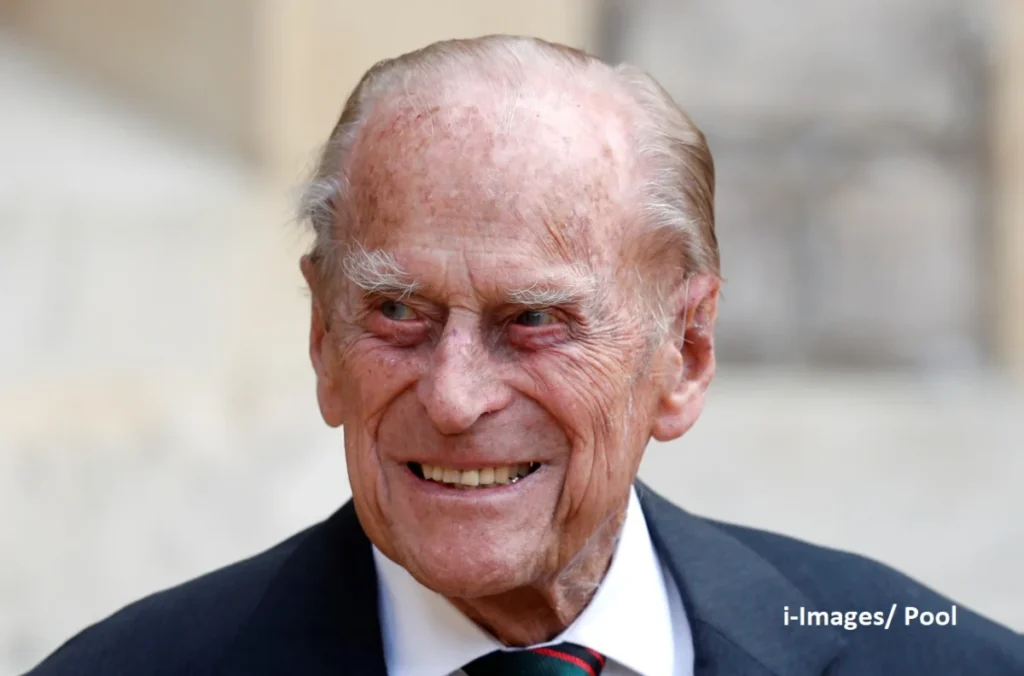

The final hours of Prince Philip, Duke of Edinburgh, were marked by a poignant and private act of seeking solace, as the nonagenarian royal discreetly made his way to a cherished room within Windsor Castle for a final, solitary beer. This remarkable detail, revealed in the recently published biography "Queen Elizabeth II" by well-connected author Hugo Vickers, sheds light on the Duke’s quiet dignity and deep connection to a space imbued with personal history and familial significance. The revelation comes eight years after Prince Philip was diagnosed with inoperable pancreatic cancer, a detail also noted by Vickers, adding a layer of somber context to his final moments.
The incident, which occurred on the evening of April 8, 2021, saw Prince Philip, then 99 years old, slip away from his nurses. He embarked on a quiet walk to the Oak Room, a place that held a special resonance for both him and his wife of 73 years, Queen Elizabeth II. It was here, in this sanctuary of memories, that the Duke settled down for a final drink, a moment of quiet reflection on the eve of his passing. His death, which occurred the following morning, April 9, 2021, was described by Vickers as peaceful, with the Duke passing away before Queen Elizabeth II could reach his bedside. This detail, however, was tinged with a familiar regret for the Queen, as Vickers notes that Prince Philip, "as usual," had left without a formal goodbye.
A Room Steeped in Royal History and Family Memories
The Oak Room at Windsor Castle is far more than just a room; it is a repository of royal memories, a backdrop against which generations of the British Royal Family have marked significant milestones. For Queen Elizabeth II, the room held a particularly deep affection, having been the scene of numerous birthday celebrations throughout her life. The book highlights a party held for her in 1934, when she was just eight years old, reportedly featuring a two-tiered cake adorned with pink roses. Further evidence of its importance comes from a 1938 report in the Daily Mirror, detailing the then-Princess Elizabeth’s 12th birthday party, also held within the Oak Room.
Beyond personal celebrations, the Oak Room served as a traditional setting for the distribution of Christmas presents within the Royal Family, and it was also chosen for delivering significant Christmas speeches. This rich history underscores the profound personal significance of the room for both Prince Philip and Queen Elizabeth II.
A Shared Moment of Familial Joy
The book by Hugo Vickers also draws attention to a more recent, deeply personal moment shared by the Duke and Duchess in the Oak Room. Just a few months prior to Prince Philip’s passing, in November 2020, the couple was photographed in the room celebrating their 73rd wedding anniversary. This milestone, which would be their last together, was marked by a touching gesture from their great-grandchildren: Prince George, Princess Charlotte, and Prince Louis. The young royals had created a handmade card for their great-grandparents. The absence of family visits on that anniversary, due to the prevailing Covid-19 pandemic, made this act of love even more precious. Prince Philip was reportedly seen enjoying the card during this period, a testament to the enduring bonds of family even amidst isolation.
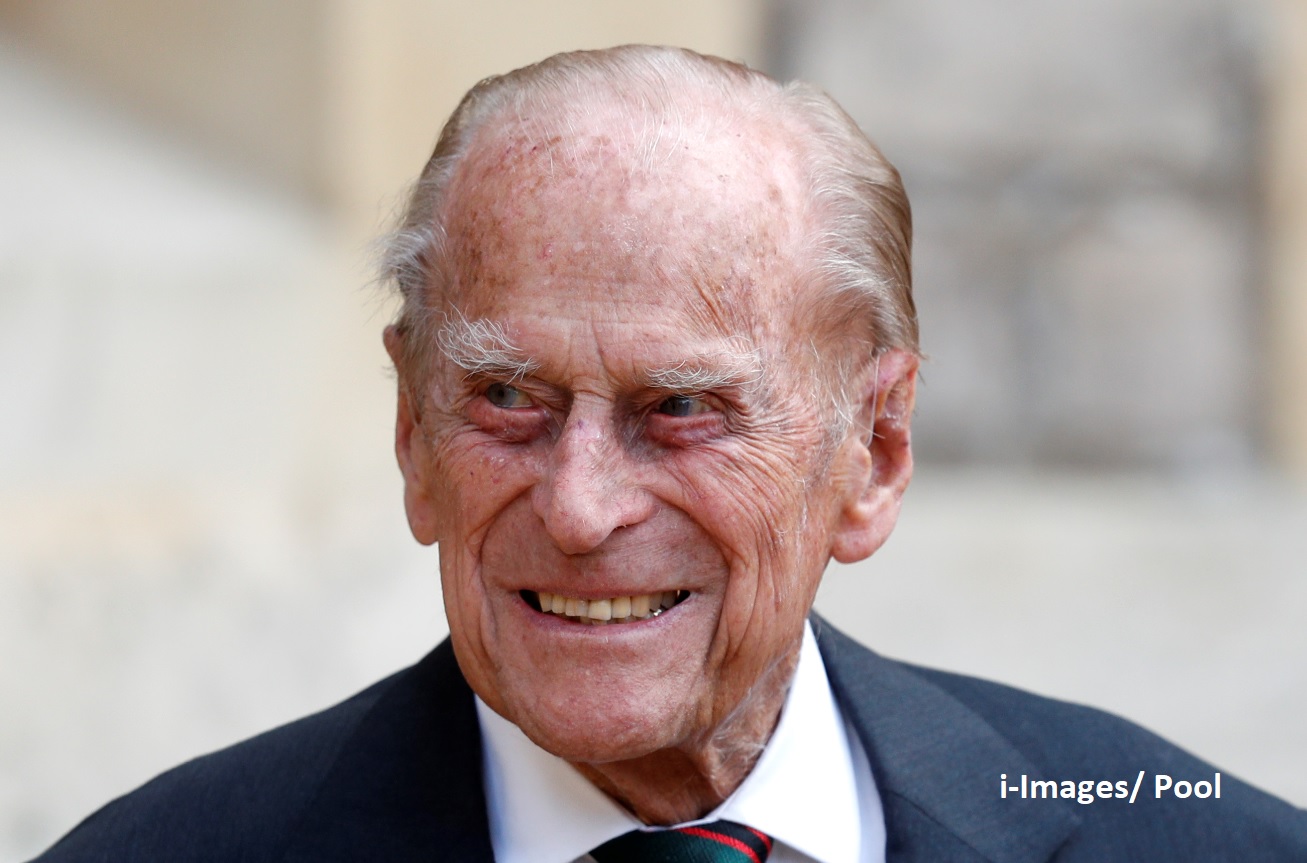
A Final Retreat: The Significance of the Oak Room
Prince Philip’s choice to spend his final hours in the Oak Room was not arbitrary. The room, at the time of his last visit, was adorned with numerous family mementos. An image of the Oak Room, shared the following year when Queen Elizabeth II held an audience there, clearly depicted photographs of the couple with their grandchildren and great-grandchildren displayed on tables and sideboards. This visual evidence reinforces the idea that the Oak Room was a space where the family’s collective memories were actively cherished and displayed, making it a fitting place for Prince Philip to seek comfort and reflect on a life lived in service.
The Duke’s solitary retreat to the Oak Room for a beer can be interpreted as a deeply personal and symbolic act. It was a moment of quiet autonomy, a personal choice made in the face of declining health and the inevitable end of a remarkable life. The act of pouring a beer, a simple pleasure, in a room filled with such profound personal history, speaks volumes about his character: a man who valued his privacy and found solace in familiar surroundings and cherished memories.
A Life of Service and a Peaceful Departure
Hugo Vickers’ account also delves into the Duke’s final days, noting that his death occurred eight years after a diagnosis of inoperable pancreatic cancer. This information, while somber, provides crucial medical context to his passing. Vickers recounts that on the morning of April 9, 2021, Prince Philip rose, took a bath, and then expressed that he was not feeling well. His passing was described as peaceful, a quiet slipping away that underscored his often-stoic demeanor.
The book’s author also touches upon Queen Elizabeth II’s feelings regarding her husband’s departure. The Queen, it is reported, was upset that, "as usual," Prince Philip had left without saying goodbye. This sentiment, while seemingly minor, speaks to the long-standing and perhaps unspoken communication styles of the couple, accustomed to decades of shared life and service. It highlights the enduring emotional connection between them, even in the face of profound loss.
Broader Implications and the End of an Era
The publication of Hugo Vickers’ "Queen Elizabeth II" marks a significant moment in royal biography. As one of the first major biographies of the late Queen to be released since her own passing on September 8, 2022, it offers contemporary insights into the lives and relationships of two of the 20th century’s most iconic figures. The revelation about Prince Philip’s final hours in the Oak Room adds a deeply human and intimate dimension to the public narrative of the Royal Family.
Prince Philip’s life was characterized by unwavering dedication to duty and service, accompanying Queen Elizabeth II throughout her record-breaking reign. His quiet strength, his often-unseen support, and his unique personality left an indelible mark on the monarchy and the nation. The detail of his final moments, seeking solace in a familiar room filled with familial warmth, serves as a poignant reminder that even those in the highest echelons of society are, at their core, individuals seeking comfort and reflection in the face of life’s ultimate transition. The Oak Room, in this context, becomes more than just a room; it becomes a symbol of a life well-lived, of enduring love, and of a peaceful farewell. The narrative provided by Vickers offers a valuable addition to our understanding of the personal lives of the Royal Family, moving beyond the ceremonial to reveal moments of profound human experience. This particular anecdote, the solitary beer in a room laden with memories, resonates with a universal human experience, bridging the gap between the extraordinary lives of royalty and the everyday realities of all individuals.