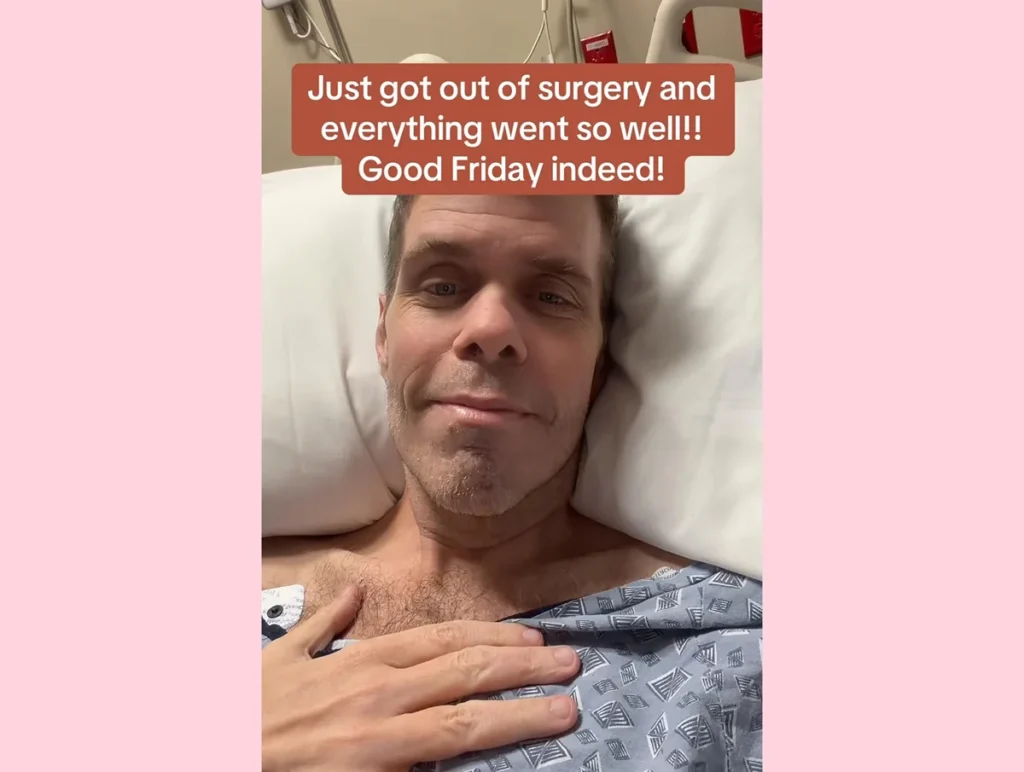

Perez Hilton, born Mario Armando Lavandeira Jr., is on a swift path to recovery following an emergency thrombectomy performed on April 3, 2026, at Southern Hills Hospital in Las Vegas. The prominent celebrity blogger shared details of the procedure, expressing profound gratitude for the timely diagnosis and the medical team’s intervention, which he credits with preventing a potentially fatal pulmonary embolism. This latest health scare comes on the heels of a severe sepsis hospitalization earlier, marking a challenging period for the media personality who has openly embraced a more faith-centric perspective on his health journey.
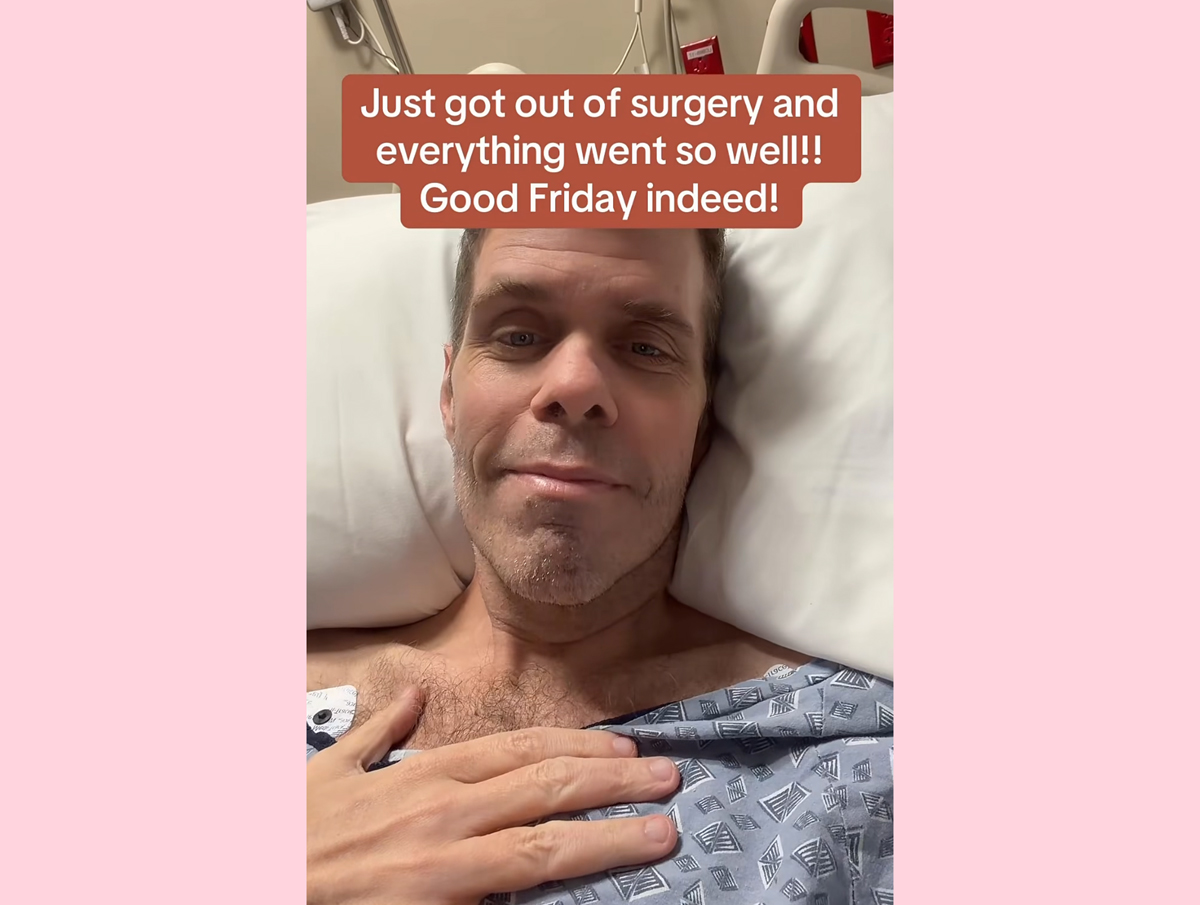
The thrombectomy, a surgical procedure to remove a blood clot from a vein, addressed a "ginormous" and "totally occluded" deep vein thrombosis (DVT) extending from his groin down to just below his calf. Hilton described the surgery as "quick and painless," having been asleep throughout. He reported feeling "so much better already" and shared that surgical assistants had shown him the extracted clot, emphasizing its significant size. His recovery is progressing rapidly, with plans for discharge the following day, April 4, 2026, just in time for Easter. This rapid turnaround is particularly notable given his prior mobility issues, stating, "I couldn’t even walk yesterday! I needed my walker to hop and limp around."
A Timely Intervention: Understanding Deep Vein Thrombosis
Deep Vein Thrombosis (DVT) is a serious medical condition characterized by the formation of a blood clot in a deep vein, most commonly in the legs. If left untreated, DVT can lead to severe complications, including pulmonary embolism (PE), a potentially fatal condition where a piece of the clot breaks off and travels to the lungs, blocking blood flow. According to the Centers for Disease Control and Prevention (CDC), DVT and PE, collectively known as venous thromboembolism (VTE), affect an estimated 900,000 Americans each year, leading to approximately 100,000 deaths. The mortality rate for DVT ranges from 1-5% in the acute phase, but the long-term risk of post-thrombotic syndrome and recurrent DVT remains significant.
Symptoms of DVT can include swelling, pain, tenderness, redness, or warmth in the affected limb. However, DVT can also be asymptomatic, making early detection challenging but crucial. Risk factors for DVT are diverse and include prolonged immobility (such as long flights or bed rest), recent surgery, trauma, cancer, obesity, pregnancy, certain genetic predispositions, and the use of estrogen-containing medications. Hilton’s recent extended hospitalization for severe sepsis could have been a contributing factor, as severe illness and immobility significantly increase DVT risk. The prompt discovery of his clot, before it could migrate, underscores the critical importance of medical vigilance and rapid response.
The Thrombectomy Procedure: A Targeted Approach
A thrombectomy is a specialized procedure employed to remove blood clots that are causing significant obstruction, particularly when they are large, symptomatic, or carry a high risk of embolization. Unlike anticoagulant medications, which aim to prevent clot growth and allow the body to naturally dissolve existing clots over time, a thrombectomy offers immediate removal. This can be particularly beneficial in cases like Hilton’s, where a "totally occluded" vein suggested a severe blockage.
There are several types of thrombectomy. Catheter-directed thrombolysis involves inserting a catheter into the affected vein to deliver clot-dissolving drugs directly to the thrombus. Mechanical thrombectomy, which may have been used in Hilton’s case given the description of "what they extracted," involves using specialized devices through a catheter to physically break up and remove the clot. These procedures are typically performed under local or general anesthesia, as Hilton confirmed he was "asleep for it all," ensuring patient comfort and minimizing discomfort. The immediate relief reported by Hilton is a common outcome when significant venous obstruction is resolved, restoring blood flow and alleviating pressure. Post-procedure, patients often require anticoagulation therapy to prevent future clot formation, alongside continued monitoring and lifestyle adjustments.
From Sepsis to Serenity: A Shifting Perspective
This recent DVT scare is not Perez Hilton’s first significant health battle. He revealed that he had "nearly died recently" after being hospitalized for 21 days with severe sepsis. Sepsis is a life-threatening condition that arises when the body’s response to an infection damages its own tissues and organs. It can lead to shock, multiple organ failure, and death, with mortality rates ranging from 15% for milder cases to over 50% for septic shock. Survivors often face long-term physical, psychological, and cognitive impairments, a condition known as post-sepsis syndrome.
Hilton’s experience with sepsis appears to have profoundly impacted his outlook, leading to what he described as a "changed way." This transformation is evident in his public statements, which frequently reference faith, divine intervention, and gratitude. His emphasis on "God’s plan" and the blessing of timely discovery highlights a personal journey where spirituality and health have become deeply intertwined. He attributes his survival from both sepsis and this recent DVT to a higher power, stating, "God saved him in many ways! This latest hospitalization for a blood clot was very unexpected but he was happy. God intervened and made sure this was taken taken care of ASAP. Amen!" This narrative resonates with many who find solace and strength in faith during health crises.
The Role of Southern Hills Hospital and Medical Professionals
Southern Hills Hospital in Las Vegas, where Hilton received treatment, is a 265-bed acute care facility providing a comprehensive range of medical services. The hospital is known for its advanced cardiac, orthopedic, neurological, and emergency services. Hilton’s effusive praise for the "amazing medical team" underscores the critical role played by healthcare professionals in managing complex and potentially life-threatening conditions. From the initial diagnosis of the DVT to the successful execution of the thrombectomy and post-operative care, the coordinated efforts of doctors, nurses, and surgical assistants were paramount to his positive outcome.
Medical experts emphasize that early diagnosis of DVT is key to preventing severe complications. Imaging techniques such as duplex ultrasound are the primary diagnostic tools. Once a DVT is confirmed, treatment decisions are made based on the clot’s size, location, and the patient’s overall health and risk factors. The rapid succession of Hilton’s health challenges—severe sepsis followed by DVT—highlights the interconnectedness of various medical conditions and the need for thorough diagnostic work-ups, especially in patients with complex medical histories.
Public Awareness and the Celebrity Voice
Perez Hilton’s decision to openly share his health struggles, including details of his DVT and previous sepsis battle, serves a vital public health function. Celebrities and public figures have a unique platform to raise awareness about serious medical conditions, often demystifying complex illnesses and encouraging their audience to seek timely medical attention. By detailing his symptoms, the swiftness of the medical intervention, and the positive outcome, Hilton contributes to a broader understanding of DVT and its potential severity.
His candidness about experiencing pain and needing a walker before surgery, followed by immediate relief, provides a tangible example of how DVT can impair mobility and how effective treatment can restore it. Such personal narratives can prompt individuals experiencing similar symptoms to consult a healthcare provider, potentially leading to earlier diagnosis and better outcomes for countless others. Furthermore, his emphasis on gratitude towards his medical team and his faith encourages a positive outlook, which can be beneficial for patients facing their own health battles.
Broader Implications and the Path Forward
Perez Hilton’s recent health events serve as a potent reminder of the fragility of health and the importance of both medical science and personal resilience. His journey highlights several key implications:
- Importance of Proactive Health Monitoring: Even for individuals who appear healthy, underlying conditions or recent illnesses can predispose them to new health challenges. Regular check-ups and prompt attention to new symptoms are crucial.
- Advancements in Medical Technology: The success of the thrombectomy procedure underscores the continuous advancements in interventional radiology and vascular surgery, offering effective solutions for conditions that were once far more difficult to treat.
- The Interplay of Faith and Healing: For many, including Hilton, faith plays a significant role in coping with and recovering from serious illness. Reporting on this aspect of his journey acknowledges a common human experience without endorsing specific religious views.
- Celebrity Influence on Health Discourse: When public figures share their health narratives, they contribute to a societal conversation about wellness, prevention, and the patient experience. This can reduce stigma and increase health literacy.
As Perez Hilton looks forward to celebrating Easter at home, his story is one of fortunate timing, skilled medical care, and personal fortitude. His recovery from an extensive DVT, following a severe sepsis ordeal, underscores the critical importance of early diagnosis, advanced medical interventions, and the profound impact of a positive, grateful outlook on the journey to wellness. His continued openness is likely to further inspire and inform his vast audience about the realities of navigating significant health challenges.