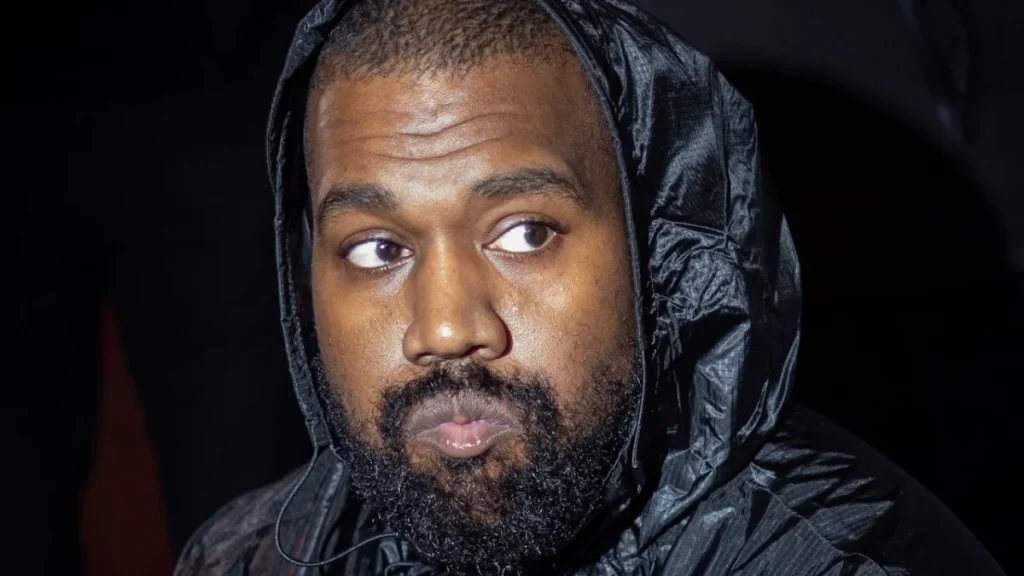

Pepsi, a long-standing presenting sponsor of London’s prominent Wireless Festival, has officially withdrawn its support for the upcoming summer event. The decision comes in the wake of the festival’s announcement that controversial artist Kanye West, also known as Ye, is slated to headline all three days of the music extravaganza. This significant move by Pepsi was swiftly followed by a similar declaration from Diageo, the global beverage alcohol company whose portfolio includes renowned liquor brands such as Johnnie Walker and Captain Morgan, further underscoring the growing corporate discomfort surrounding West’s involvement.
The Context of Corporate Withdrawal
The withdrawal of two such high-profile sponsors represents a substantial blow to Wireless Festival, an event that typically draws hundreds of thousands of attendees annually. PepsiCo, a multinational food, snack, and beverage corporation, has historically been a fixture in major music festivals, leveraging these platforms for brand visibility and consumer engagement. Its role as a presenting sponsor often involves considerable financial investment, extensive marketing activations, and integration into the festival’s overall branding. Diageo’s participation, similarly, often entails significant on-site presence, exclusive bar services, and targeted promotional campaigns for its diverse range of spirits. The departure of both companies suggests a concerted effort to distance their brands from the potential reputational damage associated with Ye’s controversial public persona and past statements.
Wireless Festival: A UK Staple
Wireless Festival, organized by Live Nation, has cemented its status as one of the UK’s premier music events, particularly known for its focus on hip-hop, R&B, grime, and electronic music. Since its inception in 2005, it has grown significantly, moving between various iconic London venues such as Hyde Park, Finsbury Park, and Crystal Palace Park. Over the years, it has hosted an array of global superstars, from Jay-Z and Rihanna to Stormzy and Cardi B, establishing itself as a cultural touchstone for young music enthusiasts. The festival’s success is heavily reliant on securing top-tier talent and robust corporate sponsorships, making the current situation particularly challenging for its organizers. The multi-day headlining slot offered to Kanye West was initially seen by some as a major coup, given his global appeal and infrequent live performances, but it quickly became a lightning rod for criticism.
Official Condemnation and Public Outcry
The booking of Kanye West for such a prominent role at Wireless Festival ignited immediate and widespread criticism, not only from the public and advocacy groups but also from high-ranking political figures in the United Kingdom. British Prime Minister Keir Starmer publicly voiced his "deep concern" regarding the rapper’s scheduled appearance. In an interview with The Sun, Starmer underscored the severity of the issue, stating, "antisemitism in any form is abhorrent and must be confronted firmly wherever it appears. Everyone has a responsibility to ensure Britain is a place where Jewish people feel safe." This statement from the nation’s leader signaled the gravity with which West’s past conduct is viewed within the UK’s political landscape, elevating the discussion beyond mere artistic freedom to a matter of public safety and social responsibility.
Numerous Jewish advocacy groups and anti-hate organizations across the UK and internationally also issued strong condemnations following the announcement of West’s headlining slot. Groups like the Campaign Against Antisemitism and the Board of Deputies of British Jews voiced their dismay, emphasizing the need for cultural institutions to uphold standards that reject hate speech. Their statements often highlighted the potential for West’s platform to normalize or amplify antisemitic sentiments, particularly among a young and impressionable audience.
A Chronology of Controversy: Kanye West’s Antisemitic Rhetoric
Kanye West’s history of expressing antisemitic views is extensive, though it has escalated significantly in recent years. While allegations of problematic statements date back as far as the early 2000s, his rhetoric became overtly and aggressively antisemitic starting in late 2022.
- October 2022: West faced widespread backlash for posting antisemitic messages on social media, including a tweet stating he would go "death con 3 on Jewish people." This period saw him make numerous other inflammatory statements, including claims about Jewish control of the media and entertainment industry, echoing classic antisemitic tropes.
- December 2022: During an appearance on Alex Jones’ Infowars, West openly praised Adolf Hitler and made Holocaust denial statements, further shocking the world. He asserted, "I like Hitler," and claimed Nazis "did good things too." This interview led to immediate and widespread condemnation from human rights organizations, political figures, and celebrities globally.
- Corporate Consequences (Late 2022): The escalating antisemitic remarks led to significant professional repercussions. Adidas, Gap, and Balenciaga all terminated their lucrative partnerships with West, citing his unacceptable conduct. These decisions resulted in substantial financial losses for West and marked a critical turning point in how corporate entities responded to his provocations.
- Spring 2025: Despite the widespread backlash and financial setbacks, West continued to engage in provocative behavior. Reports emerged of him selling merchandise, specifically t-shirts, emblazoned with swastikas, a universally recognized symbol of Nazi hate. Around the same period, he released a song titled "Heil Hitler," which not only praised the Nazi leader but also reportedly sampled one of his speeches. These actions demonstrated a continued disregard for the profound offense and harm caused by his rhetoric.
The Apology and the Quest for Redemption
Earlier in 2026, in a surprising turn, Kanye West took out a full-page advertisement in The Wall Street Journal to issue an apology for his past actions. In the ad, he attributed his behavior to the effects of his bipolar I diagnosis, suggesting a period of mental health challenges had contributed to his controversial statements. The apology was framed as an attempt to mend fences and signal a shift in his public persona.
This public apology was strategically timed, preceding the release of his latest album, Bully, and the announcement of several high-profile concert appearances, including the headlining slot at Wireless Festival. The timing raised questions among many observers regarding the sincerity of the apology, with some suggesting it was a calculated move to rehabilitate his image and facilitate his return to mainstream music and lucrative performance opportunities. An editorial by Kiana Fitzgerald on Consequence.net, titled "Why the Industry Is Once Again Giving Kanye West a Pass," encapsulated the skepticism prevalent within certain sectors of the music industry and the public, questioning the readiness of the entertainment world to overlook such severe transgressions.
Broader Impact and Implications for Wireless Festival
The withdrawal of Pepsi and Diageo carries significant implications for Wireless Festival and the broader live music industry.
- Financial Impact: The immediate and most tangible consequence will be financial. Major sponsors contribute millions of pounds to such festivals, covering operational costs, artist fees, marketing, and infrastructure. The festival organizers, Live Nation, will now face the challenge of either securing new sponsors on short notice, absorbing the financial deficit, or potentially scaling back aspects of the event. This could impact everything from production quality to the overall attendee experience.
- Reputational Damage: Beyond the financial aspect, the festival’s reputation is also at stake. Being associated with an artist facing such intense criticism can alienate potential attendees, artists, and future sponsors. Live Nation, as the organizer, will need to carefully manage its public messaging to reaffirm its commitment to inclusivity and safety.
- Precedent for Corporate Sponsorship: The decisions by Pepsi and Diageo set a powerful precedent for corporate sponsorship in the entertainment industry. Brands are increasingly sensitive to social and political issues, and the risk of being associated with controversial figures is a significant factor in their marketing strategies. This event underscores a growing expectation that companies will act as moral arbiters, withdrawing support from artists or events perceived to endorse hate speech or harmful ideologies. This could lead to more stringent vetting processes for artists and events seeking corporate backing in the future.
- Accountability in the Entertainment Industry: This situation reignites the ongoing debate about accountability in the entertainment industry. While artistic freedom is a cherished principle, there’s a growing consensus that it does not extend to hate speech or incitement. The industry faces pressure to balance artistic expression with social responsibility, particularly when an artist’s personal views cross lines into bigotry. The withdrawal of sponsors signals that the financial consequences for such transgressions are real and significant, even for an artist of Kanye West’s stature.
- Artist Bookings and Curation: Festival organizers worldwide will likely scrutinize their artist booking processes more carefully. The commercial risks associated with controversial acts might outweigh the draw of their star power, leading to a more cautious approach in lineup curation. This could potentially influence the types of artists that receive major headlining slots in the future, favoring those with less controversial public records.
- Fan Engagement and Festival Experience: The controversy may also impact ticket sales and the overall atmosphere of the festival. While some fans remain loyal to Kanye West, others might choose to boycott the event due to his involvement or the perceived lack of action by the festival organizers. This could lead to a divided audience experience and potentially diminish the festival’s appeal as a unifying cultural event.
- Live Nation’s Response: While no official statement from Live Nation regarding the sponsors’ withdrawal or West’s status has been made public at the time of this report, the organization will undoubtedly be under immense pressure to address the situation. Their response will be crucial in shaping public perception and ensuring the viability of the festival moving forward. Industry observers anticipate Live Nation will emphasize its commitment to diversity, inclusion, and providing a safe environment for all attendees, while navigating the complexities of contractual obligations with artists.
The fallout from Kanye West’s booking at Wireless Festival, marked by the significant withdrawals of Pepsi and Diageo, highlights a critical juncture for the music industry. It underscores the evolving landscape of corporate responsibility, the increasing demands for accountability from artists, and the delicate balance between artistic freedom and the imperative to combat hate speech. The ultimate resolution of this situation will likely reverberate through future festival programming and corporate sponsorship decisions for years to come.