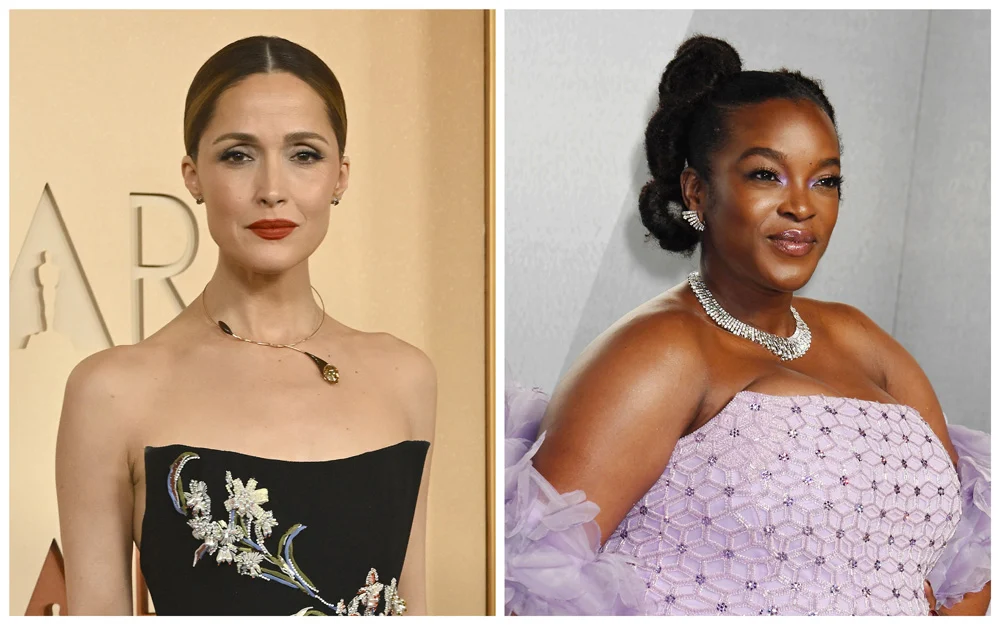

The 98th Academy Awards, held in March 2026, concluded a high-stakes awards season that saw a resurgence of traditional glamour blended with avant-garde couture. As the industry reflects on the cinematic achievements of the year, the conversation has shifted toward the sartorial narratives established on the red carpet. Two specific appearances have emerged as the definitive fashion benchmarks of the evening: Rose Byrne’s custom Christian Dior gown at the main ceremony and Wunmi Mosaku’s Georges Chakra Couture ensemble at the Vanity Fair Oscar Party. These two looks represent a dichotomy in modern high fashion, pitting understated, delicate sophistication against bold, architectural volume.
The 2026 awards circuit was characterized by a move away from the "method dressing" that dominated previous years, where actors wore costumes inspired by their film roles. Instead, the 98th Oscars signaled a return to personal brand identity and high-art craftsmanship. For Rose Byrne, a veteran of the red carpet known for her chameleonic style, and Wunmi Mosaku, whose recent rise in the industry has been accompanied by a series of critically acclaimed fashion moments, the 2026 Oscars served as the ultimate platform to cement their status as modern style icons.
The Architectural Precision of Rose Byrne in Christian Dior
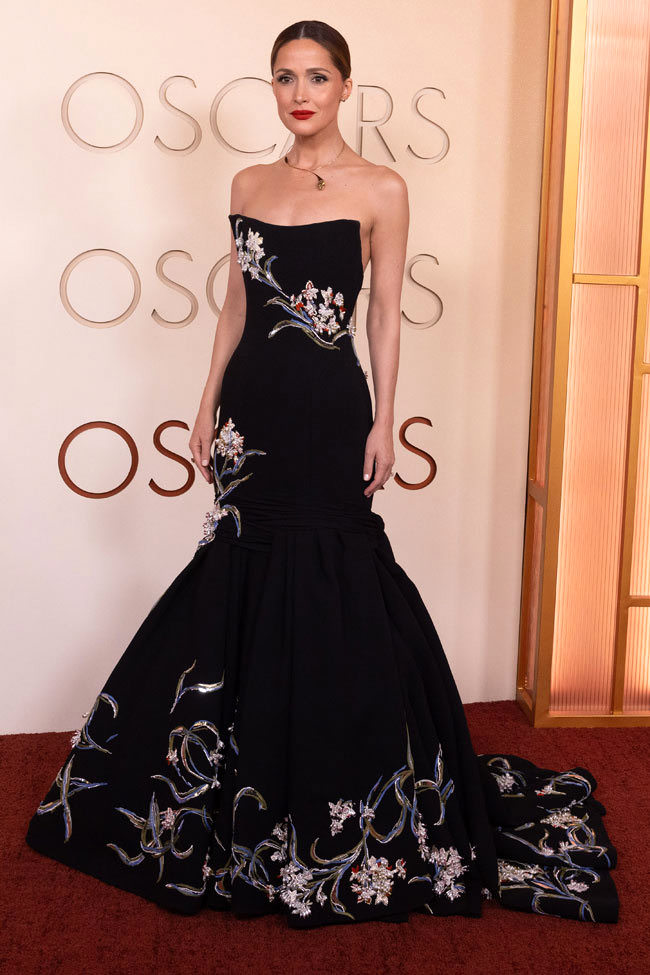
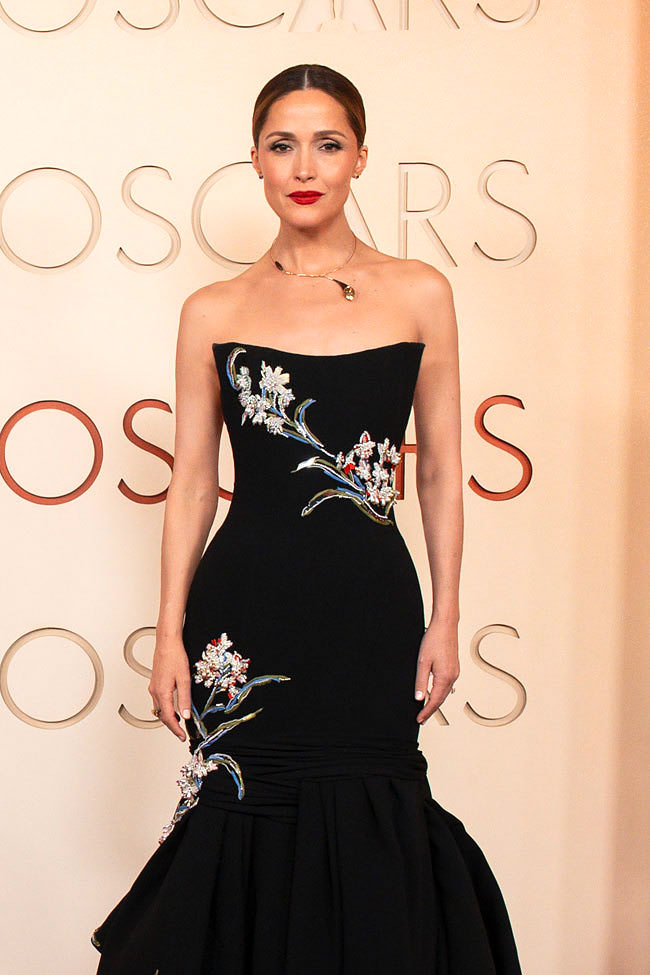
Attending the ceremony for her acclaimed performance in the film If I Had Legs I’d Kick You, Rose Byrne arrived at the Dolby Theatre in a custom creation by Maria Grazia Chiuri for Christian Dior. The gown was a masterclass in the "quiet chicness" that has become a hallmark of Chiuri’s tenure at the French fashion house. The dress featured intricate floral embroidery, a signature Dior motif, reimagined through a 2026 lens with three-dimensional textures and muted tonal palettes.
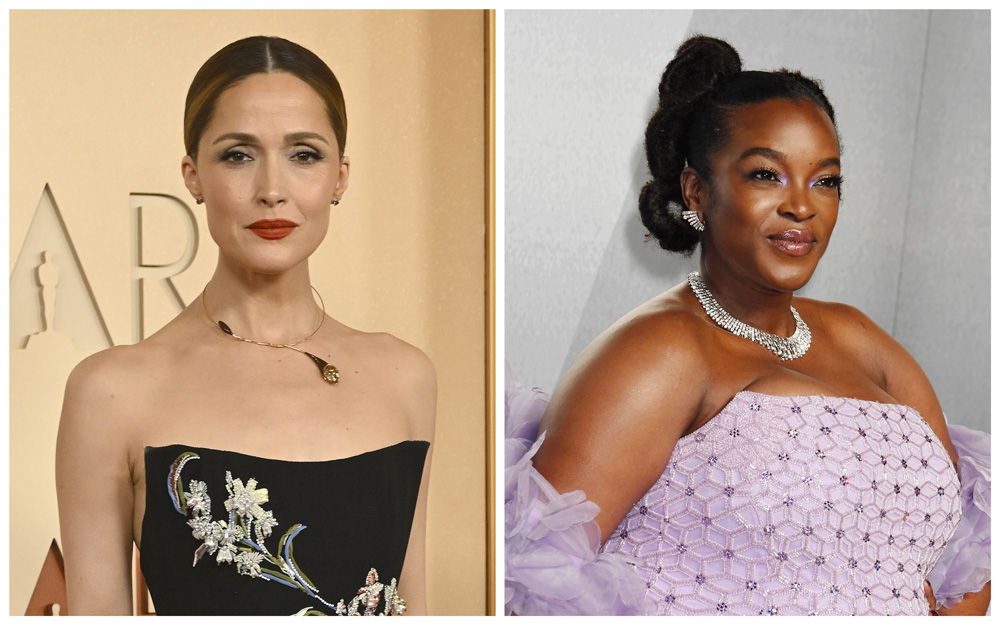
The silhouette utilized an asymmetrical train detailing that provided a sense of movement without the traditional bulk of a ballroom skirt. Stylist Kate Young, known for her ability to curate "timeless yet modern" wardrobes for A-list clientele, opted for a minimalist approach to the accessories to allow the craftsmanship of the Dior embroidery to remain the focal point. Byrne’s look was anchored by jewelry from Taffin, specifically a necklace that industry experts cited as the most significant piece of the night.
From a technical standpoint, the Dior gown represented over 400 hours of manual labor in the Paris ateliers. The embroidery consisted of silk threads interwoven with micro-beads, designed to catch the flash of the cameras without overwhelming the wearer’s frame. This specific aesthetic choice aligns with the broader 2026 trend of "subtle opulence," where the value of the garment is found in its construction rather than overt branding or excessive shimmer.
Wunmi Mosaku and the Evolution of After-Party Glamour
While the main ceremony is often reserved for more traditional silhouettes, the Vanity Fair Oscar Party at the Wallis Annenberg Center for the Performing Arts has evolved into a venue for more experimental and dramatic couture. Wunmi Mosaku, celebrating her role in the thriller Sinners, utilized this platform to deliver what many critics have labeled the most impactful look of the night.
Mosaku wore a custom Georges Chakra gown from the Spring 2026 Couture collection. The garment was a lilac amethyst strapless column gown, featuring a tonal geometric sequin lattice. The defining element of the ensemble was a voluminous sculpted capelet made of cascading layers of petal-cut organza, which transitioned into a dramatic train.
Styled by Shameelah Hicks, Mosaku’s appearance was noted for its "maternal gorgeousness," a term used by fashion analysts to describe the blend of softness and strength inherent in the design. The choice of lilac amethyst—a color that trended heavily in the 2026 Spring collections—served to highlight the intersection of regal tradition and modern femininity. The look was completed with Marli jewelry and Stuart Weitzman footwear, maintaining a cohesive narrative of high-end luxury.
Chronology of the 2026 Awards Season Fashion
The path to the 98th Academy Awards was paved with a series of strategic fashion choices by both actresses. The 2026 season began in January at the Golden Globes, where the trend toward "architectural softness" first emerged.
- January 2026 (Golden Globes): Initial indicators of the season’s color palette suggested a shift toward pastels and earth tones. Byrne appeared in structured neutrals, while Mosaku began her partnership with independent couture houses, signaling a departure from the "Big Five" luxury conglomerates.
- February 2026 (SAG Awards and Critics Choice): Byrne’s collaboration with Dior solidified during this period, moving toward the floral motifs seen at the Oscars. Mosaku, meanwhile, utilized the SAG Awards to experiment with volume, laying the groundwork for the Georges Chakra capelet.
- March 2026 (The 98th Academy Awards): The culmination of these style arcs. Byrne’s Dior look functioned as a "prestige" garment, suitable for a nominee at the primary ceremony. Mosaku’s Georges Chakra look served as the "celebratory" garment, designed for the high-energy environment of the after-party circuit.
Comparative Analysis: Dior vs. Georges Chakra
The showdown between these two gowns highlights a fundamental debate within the 2026 fashion industry: the role of the "Legacy House" versus the "Couture Specialist."
| Feature | Rose Byrne (Christian Dior) | Wunmi Mosaku (Georges Chakra) |
|---|---|---|
| Designer Origin | French Legacy House | Lebanese Couture Specialist |
| Primary Fabric | Embroidered Silk & Tulle | Organza & Sequin Lattice |
| Silhouette | Asymmetrical Column | Sculpted Capelet & Column |
| Color Palette | Muted Florals | Lilac Amethyst |
| Styling Philosophy | Quiet Chicness / Minimalist | Soft Fierceness / Maximalist |
| Key Accessory | Taffin Statement Necklace | Sculpted Organza Cape |
Industry analysts suggest that Byrne’s look was designed to project "longevity." In twenty years, the Dior gown will likely remain as relevant as it was on the night of the ceremony. Conversely, Mosaku’s Georges Chakra gown was designed to "capture the moment." It utilized the technical capabilities of 2026 textile manufacturing to create a silhouette that would have been impossible a decade prior.
Industry Reactions and Market Impact
The response from the fashion community has been overwhelmingly positive, with both looks receiving high engagement scores across social media platforms. Data from digital fashion aggregators indicated that searches for "lilac couture" spiked by 140% in the 24 hours following Mosaku’s appearance. Similarly, interest in "floral embroidery techniques" saw a significant uptick, benefiting the brand visibility of Dior’s artisanal divisions.
Official statements from the stylists involved emphasize the collaborative nature of these looks. Kate Young noted that for Byrne, the goal was to find a balance between "the history of the house of Dior and Rose’s own effortless Australian sensibility." Shameelah Hicks, speaking on the Mosaku look, stated that the intention was to "celebrate Wunmi’s incredible year with a look that felt like a floral bloom—organic, yet highly structured."
The "Oscars Effect" is a well-documented economic phenomenon, where the visibility of a brand on the red carpet correlates with increased sales in the ready-to-wear and fragrance sectors. For Dior, Byrne’s appearance reinforces their dominance in the luxury market. For Georges Chakra, a house that operates primarily in the high-couture space, Mosaku’s endorsement provides a critical entry point into the broader North American consciousness.
Broader Implications for Red Carpet Trends
The 2026 Gown Showdown between Byrne and Mosaku reflects broader shifts in cultural values. The emphasis on "Black maternal gorgeousness" in Mosaku’s coverage highlights an ongoing evolution in how diversity and body positivity are represented at the highest levels of the entertainment industry. It moves beyond mere inclusion toward a celebration of specific, nuanced identities through the medium of high fashion.
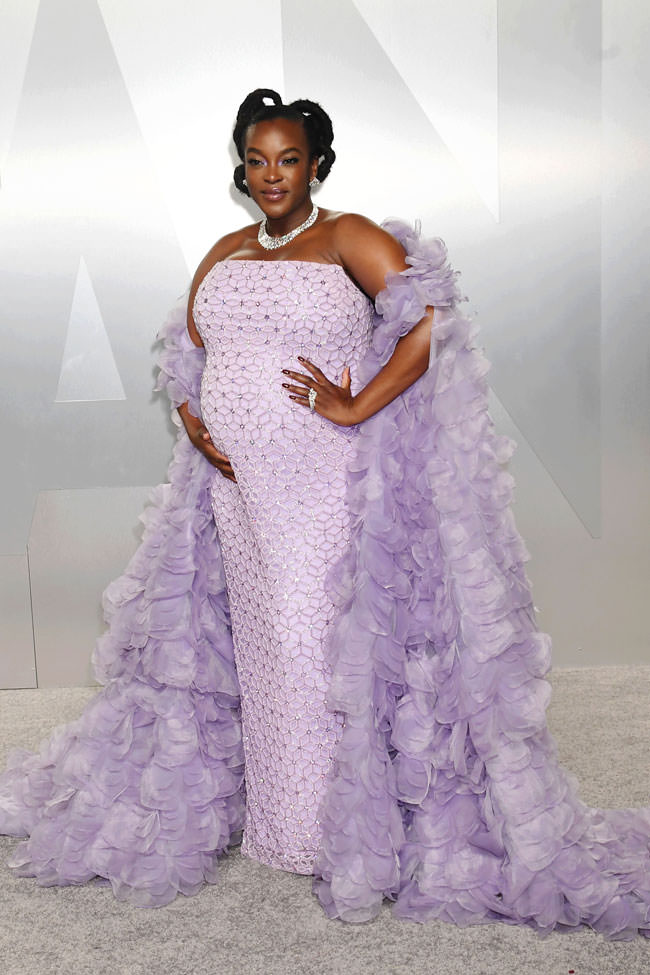
Furthermore, the distinction between the "Ceremony Look" and the "After-Party Look" has narrowed. In previous decades, the Vanity Fair party was often seen as a place for "fun" or "casual" attire. In 2026, as evidenced by Mosaku, the after-party is now a venue for some of the most serious and technically proficient couture of the entire year. This shift suggests that the red carpet is no longer a single event, but a multi-stage narrative that requires different "chapters" of style.
As the 2026 awards season officially moves into the "rear-view mirror," the images of Rose Byrne in Dior and Wunmi Mosaku in Georges Chakra will likely be the enduring visual legacy of the 98th Academy Awards. They represent two different but equally valid peaks of fashion excellence: one rooted in the quiet sophistication of a historic French house, and the other in the bold, expressive architecture of modern couture. Both actresses, and their respective creative teams, have set a high bar for the 2027 season, ensuring that the intersection of cinema and style remains as vibrant and debated as ever.