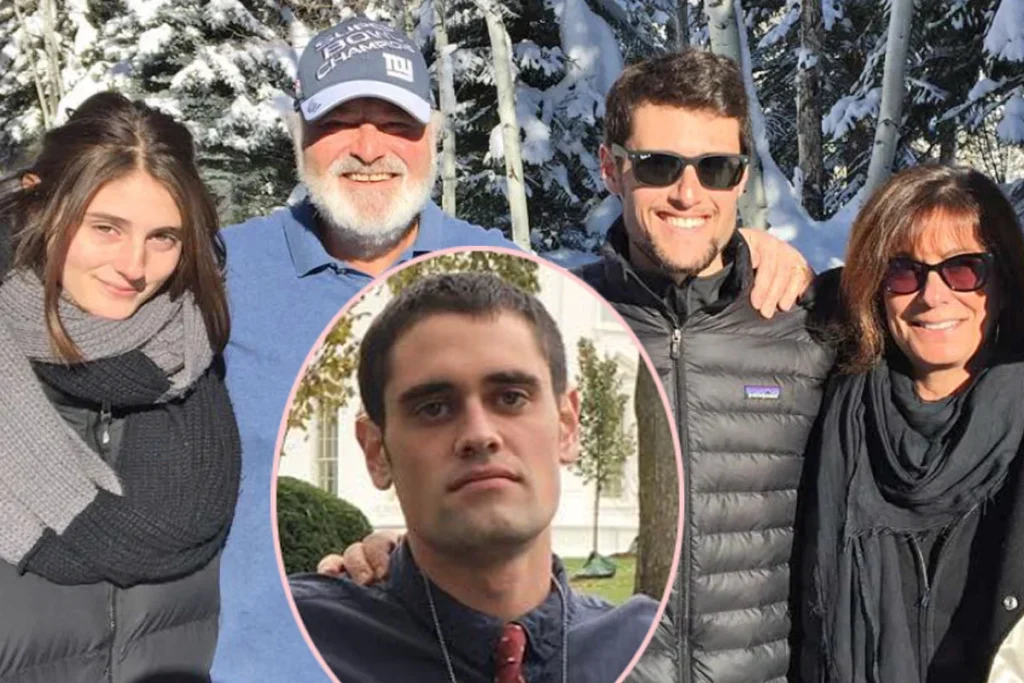

The high-profile case involving Nick Reiner, the 32-year-old son accused of the brutal murders of his parents, Rob and Michele Reiner, has taken another disturbing turn. While incarcerated and awaiting trial for the stabbing deaths that occurred over three months ago in their Brentwood home, reports suggest Reiner is contemplating a "tell-all" exposé. This proposed narrative, according to unnamed sources, is not driven by vulnerability or a desire for redemption, but rather by a stated intention to "cause as much embarrassment as he possibly can" for his surviving family members. The revelation adds a complex layer of emotional distress and potential legal ramifications to an already tragic and sensitive situation, drawing renewed attention to the interplay of severe mental health issues, family dynamics, and the pursuit of justice within the criminal legal system.
A Deepening Tragedy: The Core Allegations and Initial Events
The horrific events unfolded more than three months ago when Rob and Michele Reiner were found fatally stabbed in their Brentwood residence. Their son, Nick Reiner, who had a documented history of struggling with mental health and addiction, was swiftly identified as a suspect and subsequently arrested. The gravity of the charges against him reflects the severity of the alleged crime: two counts of first-degree murder, coupled with a special circumstance allegation of multiple murders and a special allegation that he used a knife in the commission of the crime. These specific allegations carry significant weight in California law, potentially elevating the possible penalties upon conviction, including life imprisonment without parole. Currently, Reiner is being held without bail at the Twin Towers Correctional Facility in Los Angeles, a facility known for housing a large population of defendants with mental health challenges, where he is under near-constant surveillance.
The Reiner family, while maintaining a degree of privacy, has a public profile owing to their connections, though the specific nature of their family life has largely remained out of the public eye until this tragedy. The sudden and violent loss of Rob and Michele Reiner sent shockwaves through their community and among those familiar with the family, underscoring the devastating impact of such an event, particularly when it involves an immediate family member.
Navigating the Legal Labyrinth: Representation and Strategy
Following his arrest, Nick Reiner initially secured the services of Alan Jackson, a prominent defense attorney known for handling high-stakes cases. This engagement, notably reported to have been financed "on his murdered parents’ dime," sparked public discussion regarding the ethics and practicalities of an accused individual accessing funds from the alleged victims’ estate for their defense. However, the relationship with Jackson proved short-lived. The attorney withdrew from the case without publicly disclosing the specific reasons, a common occurrence in complex legal matters where strategic disagreements, financial disputes, or other irreconcilable differences may arise between counsel and client.
With Jackson’s departure, Reiner’s defense was subsequently taken over by public defender Kimberly Greene. The transition to a public defender often signifies a shift in resources and approach. Public defenders are constitutionally mandated to provide legal representation to indigent defendants who cannot afford private counsel, ensuring that every individual, regardless of their financial standing, has access to a defense. Greene’s role now involves navigating the intricate legal landscape of a double homicide case, potentially grappling with the complex interplay of the client’s mental health, the evidence presented by the prosecution, and the emotional sensitivities surrounding the case. The choice of defense strategy in such a high-profile case, especially one involving severe mental health issues, is critical and can range from challenging the prosecution’s evidence to pursuing a defense based on mental incapacitation or diminished responsibility.
The Alleged "Tell-All" and its Implications
The most recent development, as reported by an insider to Radar Online, is Nick Reiner’s alleged plan to "lift the lid on his parents’ sordid secrets he was exposed to as a privileged Hollywood kid and offer his side of the story detailing why his parents were butchered in their own bed." The source claims Reiner’s motivation is not to seek understanding or express remorse, but rather to "name as many names and cause as much embarrassment as he possibly can" for his grieving family.
This purported intention to publish a "tell-all" carries profound implications, both legally and emotionally. From a legal standpoint, any public statements made by Reiner, particularly those that delve into the details of the alleged crime or family dynamics, could be scrutinized by the prosecution. Such statements, if deemed to be admissions or to contradict future defense arguments, could be used as evidence against him in court. Legal counsel would typically advise against any actions that could potentially prejudice the defendant’s case, making the alleged plan a significant concern for his defense team. Moreover, the reliability and admissibility of information from an individual diagnosed with schizophrenia, particularly concerning past events and motivations, would likely be heavily contested.
Emotionally, the prospect of such a publication would undoubtedly inflict further agony upon Reiner’s surviving siblings, Jake, 34, and Romy, 28. The insider’s description of their current relationship with Nick – that they "want nothing to do with" him and view him as "Satan incarnate" – paints a grim picture of the family’s fractured state. The suggestion that Jake and Romy may have been instrumental in cutting off the funds for Nick’s initial private legal counsel further underscores the depth of their alienation and their desire to distance themselves from their brother. For them, a "depraved tell-all" would not only prolong their "pain and suffering" but also force them to relive the trauma in a very public and potentially distorted manner, hindering their ability to grieve and heal.
The Shadow of Mental Health: Schizophrenia and Incarceration
Central to understanding the complexities of this case are Nick Reiner’s documented mental health challenges. In the weeks leading up to the murders, he was diagnosed with schizophrenia and reportedly placed on new medication. Schizophrenia is a chronic and severe mental disorder that affects how a person thinks, feels, and behaves. People with schizophrenia may seem to have lost touch with reality, experiencing hallucinations (seeing or hearing things that aren’t there), delusions (false beliefs), and disorganized thinking or speech. These symptoms can profoundly impact an individual’s perception of reality, judgment, and behavior, posing significant challenges within a legal context.
His current confinement reflects the serious nature of his condition. Reiner is housed in a high-observation mental health unit within the Twin Towers Correctional Facility, a specialized environment designed for inmates "who have significant mental health illnesses and need to be kept alone and away from any other people or inmates." This placement highlights the correctional system’s attempt to manage and provide care for individuals with severe mental health disorders, a growing challenge within the U.S. justice system. The facility’s ability to provide adequate, long-term mental health care to an individual facing such severe charges and symptoms is a perennial point of discussion among legal and mental health advocates.
The insider’s description of Reiner as "out of his head," acting "almost childlike," and unable to "process the consequences" of his alleged actions further emphasizes the ongoing nature of his mental health struggles. Such observations could be crucial for the defense, potentially forming the basis for arguments related to his competency to stand trial or his state of mind at the time of the alleged offenses. In legal terms, a defendant’s competency to stand trial refers to their ability to understand the charges against them and to assist their attorney in their defense. If deemed incompetent, proceedings are typically halted until competency can be restored, often through medication and therapy. Furthermore, mental illness can be a factor in arguments regarding intent or diminished capacity, which could influence the degree of culpability.
Broader Implications: Justice, Mental Health, and Family Trauma
The Reiner case, with its tragic dimensions and ongoing legal battles, illuminates several broader societal issues. It underscores the immense challenges faced by families grappling with severe mental illness and addiction, particularly when these conditions escalate to violence. The initial warning to Rob and Michele Reiner not to let Nick live with them, as previously reported, highlights the difficult decisions and potential dangers families navigate when a loved one struggles with profound mental health issues.
The case also brings into sharp focus the intersection of the criminal justice system and mental health care. The increasing number of individuals with serious mental illnesses incarcerated in jails and prisons across the country points to systemic gaps in community-based mental health services. The ability of correctional facilities to adequately diagnose, treat, and manage complex mental disorders while simultaneously ensuring security and due process is a persistent concern for advocates.
Furthermore, the prospect of a "tell-all" from an accused individual with severe mental illness raises ethical questions for media outlets. The potential for sensationalism, the exploitation of a vulnerable individual, and the dissemination of unreliable or harmful information must be carefully weighed against journalistic principles and the public interest.
As the legal proceedings against Nick Reiner continue, the Reiner family faces an arduous journey. Beyond the pursuit of justice for Rob and Michele, they must contend with the profound emotional trauma, the public scrutiny, and the potential for further distress from their accused relative. The legal system, in turn, will be tasked with balancing accountability for a heinous crime with a compassionate understanding of the complex role of mental illness in human behavior, all while striving to uphold the principles of fairness and due process for all parties involved. The hearts of many remain with the Reiner family as they navigate this immense and multifaceted tragedy, hoping for a resolution that brings a measure of peace and justice amidst the ongoing sorrow.