
The intersection of private lifestyle choices and public image in the K-pop industry has once again become a focal point of international discourse following an incident involving Jeno, a prominent member of the boy group NCT Dream. In an era where the "idol" archetype is transitioning from an unattainable standard of perfection to a more relatable, humanized figure, the accidental disclosure of personal habits—specifically smoking or vaping—has begun to elicit a spectrum of responses that deviate significantly from the traditional "scandal" narrative. The recent event involving Jeno highlights not only the persistence of these accidental disclosures within the NCT ecosystem but also a transformative shift in how modern fandoms process and respond to the private behaviors of their favorite artists.
The Incident: An Inadvertent Disclosure on Lysn
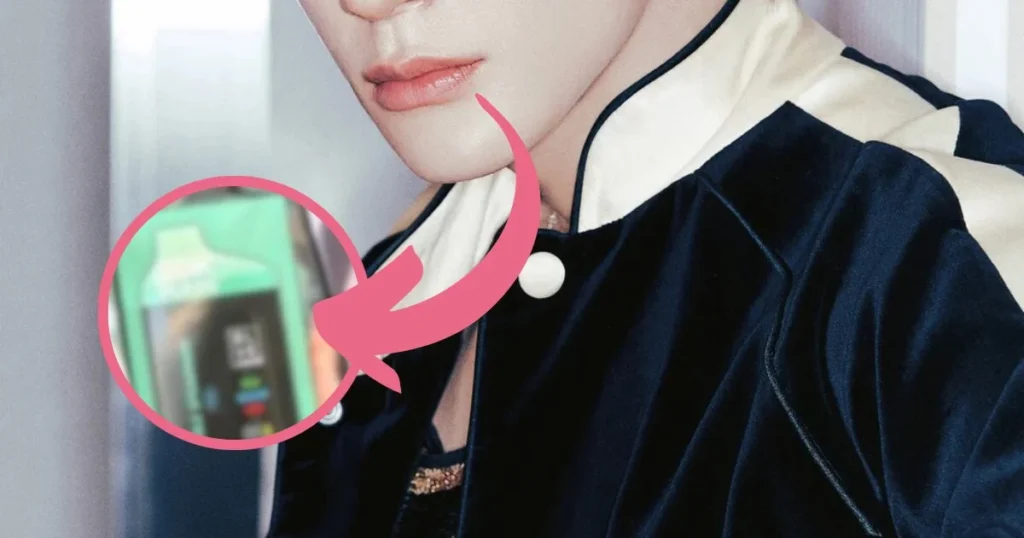
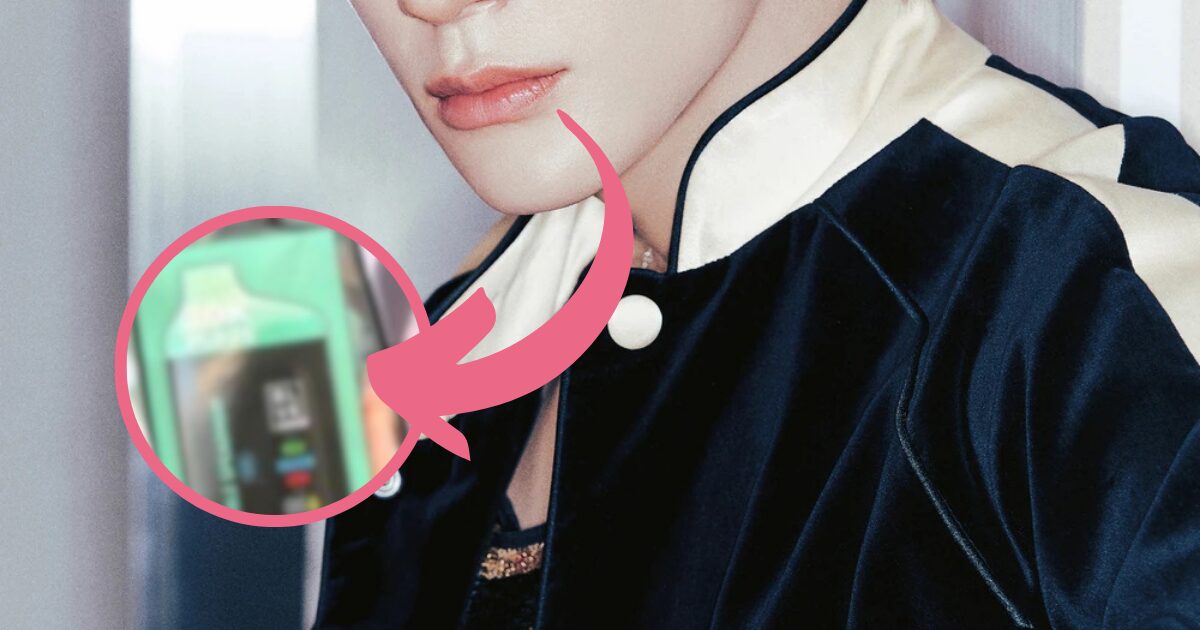
On March 24, 2026, Jeno, whose full name is Lee Je-no, shared a photograph via the fan communication platform Lysn (often referred to as Bubble). The platform, which operates on a subscription model, allows idols to send messages, photos, and voice notes directly to fans, fostering a sense of intimacy and direct connection. In the shared image, which appeared to be a casual update of his daily activities, sharp-eyed followers quickly identified what appeared to be a vaping device in the background.
The realization within the fandom was instantaneous. Recognizing the potential for controversy given the strict cultural expectations placed on South Korean idols, Jeno deleted the post shortly after its publication. However, in the digital age, the speed of social media preservation often outpaces the speed of deletion. Screenshots of the post circulated rapidly across X (formerly Twitter), Weibo, and various online communities, sparking a wave of discussion that ranged from concern for his health to lighthearted humor regarding the "NCT brand."
A Pattern of Disclosures Within NCT
The incident involving Jeno is not an isolated event within the larger NCT framework, a multi-unit group managed by SM Entertainment. Over the years, several members across various sub-units, including NCT 127, NCT Dream, and WayV, have been linked to smoking or vaping through accidental photos, paparazzi shots, or background glimpses in official content.
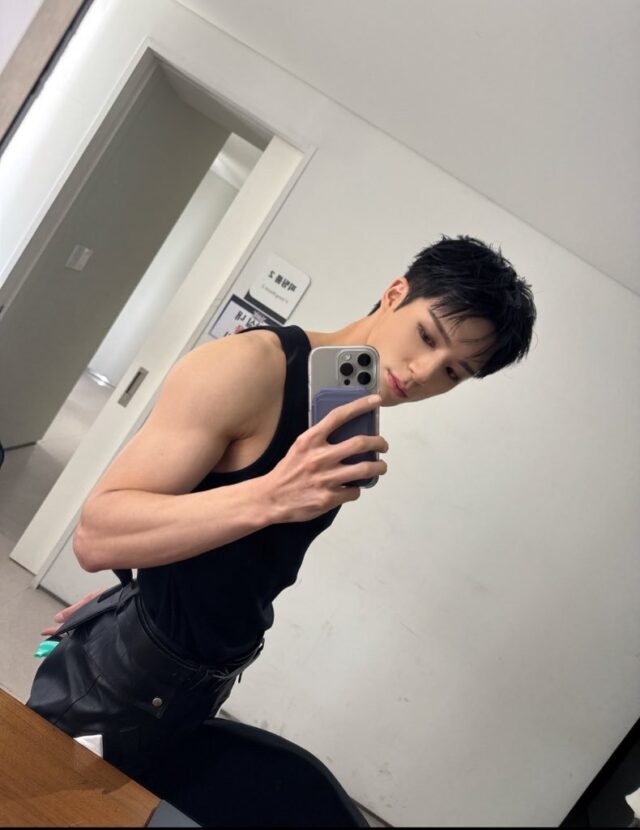
In previous instances, Taeyong, the leader of NCT 127, was inadvertently "outed" when a Japanese press outlet published a behind-the-scenes photograph that included a vaping device in his proximity. Similarly, members of the China-based unit WayV, such as Xiaojun and Yangyang, have faced similar scrutiny when fans spotted vaping paraphernalia in social media uploads. Perhaps most notably, Jungwoo was photographed by paparazzi in a smoking area, an event that at the time caused a significant stir due to his "innocent" public image.
These recurring instances have led to a unique sub-culture within the NCT fandom. Unlike other fandoms that might respond with intense criticism or demands for an apology, NCTzens (the group’s official fandom) have developed a reputation for a "DGAF" (Don’t Give A F***) attitude. This nonchalance was epitomized during the Jeno incident when fans began joking that the "N" in NCT stood for "Nicotine," a phrase that trended alongside the news of the deleted post.
Comparative Analysis: The Jungkook Precedent
To understand the weight of Jeno’s accidental post, it is necessary to look at how other major K-pop figures have handled similar situations. In 2023, BTS member Jungkook was the subject of global headlines after a video of him smoking outside a restaurant in Los Angeles went viral. Rather than ignoring the situation or issuing a formal apology through his agency, Jungkook addressed his smoking habit directly during a live broadcast. He acknowledged that he was an adult and that it was a personal choice, a move that was largely praised for its maturity and honesty.
The difference in approach between Jeno and Jungkook highlights the varying strategies employed by artists and agencies. While Jungkook chose radical transparency, Jeno’s quick deletion suggests a more traditional attempt to maintain the "clean" image expected by certain segments of the domestic Korean market. However, the fan reaction in both cases suggests that the audience’s tolerance for adult habits is increasing, provided the behavior is legal and does not harm others.
The Economic and Behavioral Response: The "Sold-Out" Effect
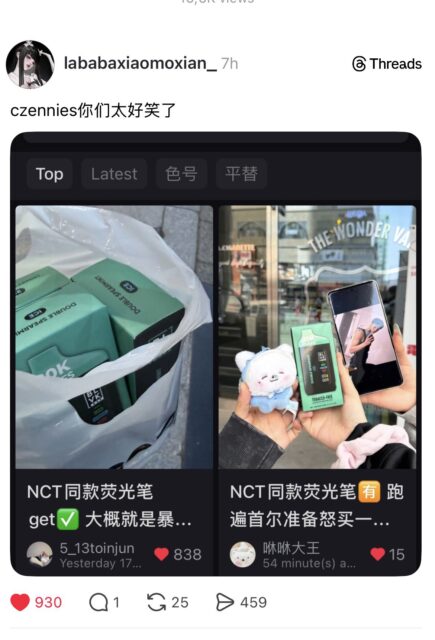
One of the most surprising developments following Jeno’s post was the consumer behavior of the fandom. Almost immediately after the brand and flavor of the vape in the photo were identified, fans began purchasing the same product. Social media was flooded with photos of fans posing with the specific vaping device, often placing it next to "dolls" or merchandise representing Jeno.
This behavior reflects a complex psychological phenomenon in K-pop fandoms known as the "sold-out" effect. Traditionally, fans buy the clothes, skincare, or snacks their idols use to feel a sense of closeness or to support the artist’s brand value. The fact that this behavior has extended to a controversial item like a vape indicates a high level of normalization. For these fans, the purchase was not necessarily an endorsement of smoking, but rather a way to participate in a shared "inside joke" or to express solidarity with the idol’s human flaws.
Societal Standards and the Regulatory Landscape in South Korea
While fan reactions on social media may lean toward humor and acceptance, the institutional and societal view of smoking in South Korea remains complex. The legal age for smoking and purchasing tobacco products in South Korea is 19. As Jeno is well above this age, there are no legal ramifications for his actions. However, the Ministry of Health and Welfare has long maintained strict guidelines regarding the depiction of smoking in media, aiming to curb high smoking rates among the youth.
K-pop idols are often designated as "cultural ambassadors" and are expected to serve as role models. Consequently, the discovery of a smoking habit can sometimes jeopardize potential brand deals, particularly with companies that project a family-friendly or health-conscious image. This professional risk is likely why agencies like SM Entertainment rarely comment on such incidents, preferring to let them fade from the public eye rather than drawing further attention through official statements.
The Evolution of Fan Sentiment: From Perfection to Authenticity
The shift in fan reaction—from the "moral panic" seen in the early 2000s to the meme-heavy acceptance of 2026—points to a broader evolution in the K-pop industry. The current generation of fans, predominantly Gen Z and Millennials, tends to value authenticity over manufactured perfection. There is a growing consensus that idols, who often work grueling schedules under intense pressure, should be allowed the same personal freedoms as any other adult.
This sentiment is particularly strong in international fandoms, where the cultural taboo against smoking is often less severe than in East Asia. The viral tweets following Jeno’s post—including comments like "You can’t spell nicotine without NCT"—demonstrate a level of dark humor that serves as a defense mechanism. By turning the situation into a joke, fans effectively neutralize the "scandal" and prevent anti-fans from using the information as ammunition against the artist.
Broader Implications for the K-pop Industry
The Jeno incident serves as a case study for how K-pop agencies may need to navigate the future of artist management. As idols become more active on "unfiltered" communication platforms like Lysn, Weverse, and Instagram Live, the likelihood of accidental disclosures increases. Agencies must weigh the benefits of these direct-to-fan interactions against the risks of image "tarnishing."
Furthermore, the industry is seeing a gradual shift in how "scandals" are defined. In the past, dating, smoking, or clubbing were career-ending revelations. Today, they are increasingly viewed as mundane aspects of adult life. While the domestic Korean public remains more conservative than the global audience, the overwhelming economic power of international fans is forcing a re-evaluation of what constitutes "acceptable" behavior for a global superstar.
Conclusion: A Humanized Perspective
The accidental social media post by NCT’s Jeno and the subsequent viral reaction highlight a pivotal moment in the relationship between idols and their audience. While the act of vaping itself remains a polarizing topic due to health concerns, the reaction of the NCTzen fandom suggests a move toward a more humanized perspective of K-pop stars. By embracing Jeno’s "realness" rather than condemning his slip-up, fans are signaling a desire for a version of the industry where idols are permitted to be individuals with their own private habits and choices.
As the digital landscape continues to evolve, the boundaries between the public persona and the private individual will likely continue to blur. For Jeno and NCT, this latest incident is another chapter in their journey as icons who, despite the pressures of their status, remain fundamentally human. The "nicotine" jokes and the spike in vape sales are more than just internet trends; they are indicators of a fandom that is choosing empathy and humor over judgment, redefining the parameters of K-pop stardom for a new generation.