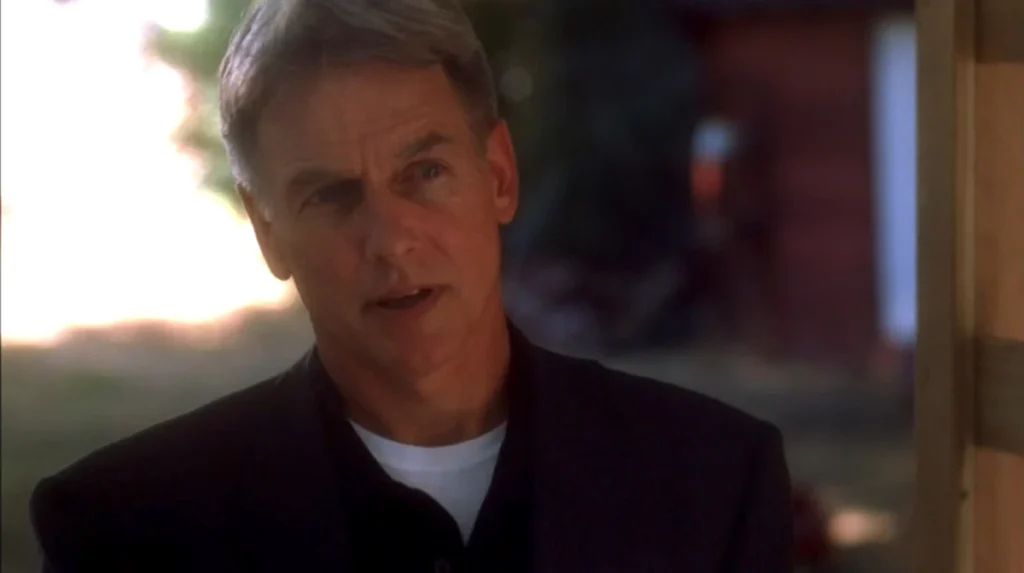

As the iconic crime procedural NCIS gears up to celebrate a monumental milestone with its 500th episode, titled "All Good Things," executive producer Steven D. Binder has hinted at a profound connection to the series’ earliest days, specifically referencing the second episode of its inaugural season, "Hung Out to Dry." This strategic nod to the past, occurring at a critical juncture where the agency itself faces dissolution, suggests a narrative that is not only about the present crisis but also about the foundational elements that have defined NCIS for over two decades. The episode, slated to air on March 24, is poised to weave together a high-stakes contemporary threat with a resonant echo of the team’s formative experiences.
The official synopsis for "All Good Things" paints a grim picture for the Naval Criminal Investigative Service. It states: "When the son of a Marine that Gibbs once helped comes to NCIS in desperation, the fractured team reunites off the books. But chasing justice without a badge may cost them more than their careers." This description directly follows the shocking revelation at the end of the preceding episode, which confirmed the impending shutdown of NCIS. This unprecedented situation forces the seasoned agents, presumably led by the remnants of the original team and their successors, to operate outside the established framework of law enforcement. The very act of "reuniting off the books" underscores the severity of their predicament and highlights a potential reliance on the core principles and relationships that have historically driven their investigations, even when institutional support is withdrawn.
Binder’s cryptic remark to TV Insider that fans "should watch the series’ second episode, ‘Hung Out to Dry,’" and his confident assertion, "I think it will land," carries significant weight. It implies that the events and character dynamics of this early installment are not merely a nostalgic callback but a crucial narrative key to understanding the stakes and potential resolutions of the 500th episode. To fully grasp the significance of this impending milestone, a detailed examination of "Hung Out to Dry" and its enduring characters is essential.
Revisiting "Hung Out to Dry": A Look Back at Season 1, Episode 2
"Hung Out to Dry," airing approximately 22 years ago, served as a pivotal early case for the NCIS team, marking agent Kate Todd’s (Sasha Alexander) official debut as an NCIS agent, following her initial role as a Secret Service agent in the series premiere, "Yankee White." While the 1000th episode of the franchise revisited "Yankee White" in a significant way, the narrative significance of "Hung Out to Dry" for the original team, particularly for Leroy Jethro Gibbs (Mark Harmon), appears to be the focus for the 500th episode.
The episode’s central mystery revolved around the death of Marine Sergeant Larry Fuentes. Fuentes died during a night training jump when his parachute failed to open. Initial speculation pointed towards a potential issue with his reaction time, possibly exacerbated by painkillers he was taking for a previous injury. However, the NCIS investigation, led by Gibbs, quickly uncovered evidence of foul play. The team discovered that the shroud lines of Fuentes’ parachute had been deliberately tampered with using sulfuric acid, and crucially, his reserve parachute had been soldered shut, rendering it inoperable. This pointed to a premeditated murder rather than an accident.
The investigation involved the suspicion of Fuentes’ fellow Marines, a common trope in military-focused procedurals that allows for exploration of camaraderie, betrayal, and the unique pressures of service life. To force a confession, Gibbs and his then-junior agent, Anthony "Tony" DiNozzo Jr. (Michael Weatherly), devised a high-stakes plan. They participated in a subsequent jump exercise, with DiNozzo utilizing Fuentes’ reserve parachute. This created a tense situation where the killer would be forced to act again, or reveal their guilt through their reaction.
The Dramatic Standoff and Confession
During the pre-jump preparations, Tony deliberately expressed unease about having the "unlucky" number 13 as his reserve parachute. He then skillfully maneuvered Corporal Dafelmair, a suspect, into offering to switch parachutes. Dafelmair’s hesitant agreement was a critical turning point. As the moment of the jump approached, Gibbs confronted Dafelmair directly, revealing the motive: Fuentes had been discovered selling drugs, and Dafelmair was responsible for his death. The sulfuric acid residue found on Fuentes’ parachute lines provided the physical evidence.
To solidify the confession and ensure Dafelmair’s compliance, Gibbs took a drastic measure: he cut the line of Dafelmair’s main parachute. This left Dafelmair facing a jump with no backup, only Fuentes’ potentially compromised reserve. The ensuing scuffle with other Marines, who were either trying to apprehend Dafelmair or were caught in the chaos, led to Tony being inadvertently pushed out of the plane. However, Tony successfully deployed his parachute, transforming what could have been a tragic accident into a triumphant, albeit unplanned, personal fulfillment of his desire to experience a freefall jump. This sequence not only showcased the team’s ingenuity and courage but also highlighted the inherent dangers faced by NCIS agents in their pursuit of justice.
Gibbs’ Compassion: The Unseen Foundation of "Hung Out to Dry"
Beyond the thrilling investigation and dramatic confession, "Hung Out to Dry" also offered a profound glimpse into Gibbs’ character, particularly his empathy and his commitment to supporting those affected by tragedy. During the investigation, Gibbs visited Sergeant Fuentes’ widow, Rosemarie (Christina Souza), and their young son, Billy (Austin Marques). He found Billy hiding in a treehouse his father had never completed.
In this poignant scene, Gibbs assured Rosemarie that he would bring her husband’s killer to justice, a promise he ultimately kept. More significantly, he offered words of comfort and encouragement to young Billy. Gibbs advised the boy not to be ashamed of crying at his father’s funeral, but rather to see it as a way to honor his father’s memory. This interaction foreshadowed Gibbs’ role as not just an investigator but also a mentor and a source of strength for those in need.
The episode concluded with a powerful visual: Gibbs returning to the Fuentes’ home and personally taking on the task of finishing the treehouse for Billy. As they worked together, Gibbs suggested that treehouses needed a password. Billy, embodying the spirit of his fallen father, provided the perfect answer: "Semper Fi," the unwavering motto of the United States Marine Corps. This moment underscored Gibbs’ deep respect for military service and his dedication to honoring the sacrifices of Marines and their families, even long after a case has been officially closed.
Connecting the Past to the Present: The Mystery of the Marine’s Son
The central question arising from the 500th episode’s synopsis is the identity of "the son of a Marine that Gibbs once helped" who seeks out the NCIS team in their hour of need. The immediate and most logical candidate, based on the events of "Hung Out to Dry," is Billy Fuentes. His father, Sergeant Larry Fuentes, was a Marine whose life was tragically cut short, and Gibbs directly intervened to provide comfort and support to the grieving family, specifically the young son. Billy’s age at the time of his father’s death, likely pre-teen, would make him an adult by the time of the 500th episode, making his return entirely plausible.
However, the show’s writers are known for their ability to weave intricate plotlines and introduce unexpected connections. Therefore, other possibilities exist. The son could be from another Marine family that Gibbs assisted in a case not explicitly detailed in "Hung Out to Dry," or perhaps a case that was never shown onscreen. This would allow for a new narrative thread to be introduced, one that still resonates with Gibbs’ past acts of compassion without being strictly limited to the Fuentes family. This approach would also provide an opportunity to explore how Gibbs’ reputation for helping those in need has endured over the years, even after his departure from active duty.
Another interpretation is that the episode might not feature a literal son but rather someone who represents a similar sentiment – a person who was deeply impacted by Gibbs’ intervention in their past, perhaps even a child of a fellow Marine whose innocence was proven by Gibbs’ team in "Hung Out to Dry" or another case. This would allow for the thematic resonance of Gibbs’ legacy to be explored, even without Mark Harmon’s physical presence in the immediate storyline. The recent NCIS: Origins crossover, which offered glimpses of a younger Gibbs through interrogation tapes, demonstrated the show’s willingness to explore his past and legacy in innovative ways. A similar approach, focusing on the enduring impact of his past actions on individuals, could be a powerful narrative device for the 500th episode, especially as the current team grapples with the potential dissolution of their agency.
The Broader Implications: NCIS at a Crossroads
The impending shutdown of NCIS, as revealed in the lead-up to the 500th episode, elevates the stakes to an unprecedented level. For over two decades, NCIS has been a bedrock of CBS’s programming, consistently ranking among the most-watched dramas on television. Its longevity is a testament to its compelling characters, intricate case-of-the-week formats, and the overarching serialized storylines that have kept audiences engaged. The agency’s closure represents not just a plot device but a symbolic crossroads for the franchise itself.
The narrative choice to have the team operate "off the books" in "All Good Things" suggests a focus on the core values of the organization and its agents: their unwavering dedication to justice, their loyalty to each other, and their innate ability to solve complex crimes, regardless of official sanction. This could be interpreted as a thematic exploration of what truly defines NCIS – is it the building, the resources, or the people and their enduring spirit?
The potential return of a character tied to Gibbs’ past, particularly one seeking help in a dire situation, could serve multiple purposes. It might offer a poignant reflection on Gibbs’ legacy, reminding viewers of the human element that has always been central to the show. It could also provide an opportunity for the current generation of agents, such as Timothy McGee (Sean Murray) and Nick Torres (Wilmer Valderrama), to demonstrate their commitment to the principles that Gibbs embodied. Furthermore, if the son is indeed Billy Fuentes, it would bring the narrative full circle, showcasing how the impact of Gibbs’ actions continues to ripple through the lives of those he helped, even decades later.
The previews and promotional materials for the 500th episode, as noted, are heavily focused on the impending shutdown and the team’s fractured state. This suggests that the crisis of the agency’s existence will be the primary driver of the plot. However, Binder’s emphasis on "Hung Out to Dry" indicates that the resolution, or at least a significant aspect of it, will be intrinsically linked to the show’s foundational narrative. This strategic layering of present peril with past echoes promises a landmark episode that not only celebrates the series’ impressive run but also potentially offers a profound commentary on its enduring legacy and the indomitable spirit of its agents. The 500th episode of NCIS is poised to be more than just a number; it’s an opportunity to reaffirm the core essence of a franchise that has captivated audiences for generations.