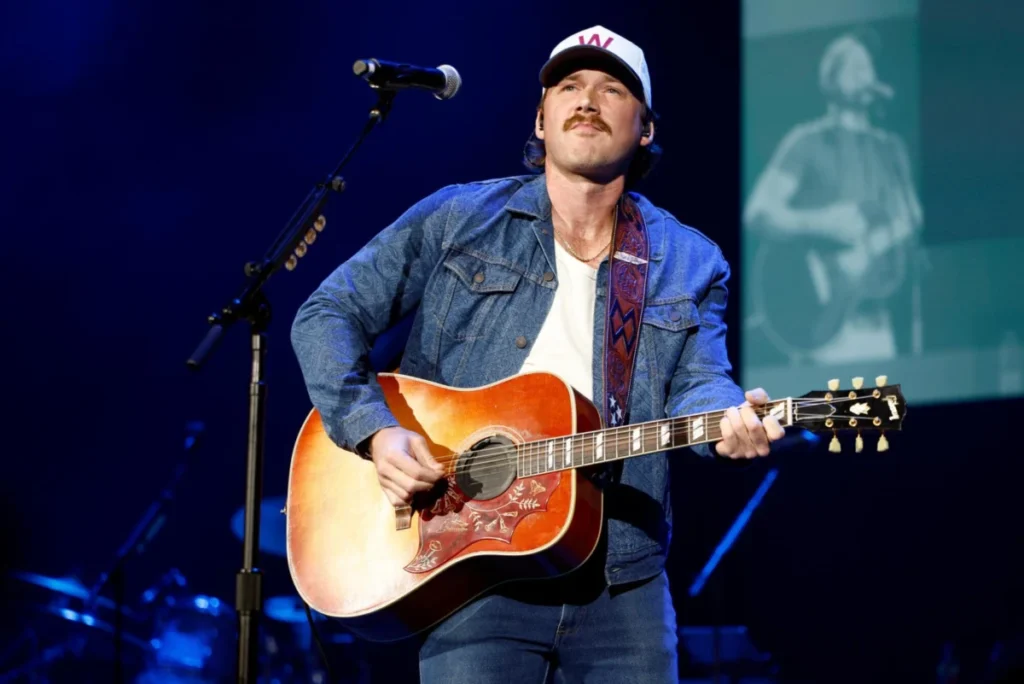

Morgan Wallen launched his highly anticipated "Still The Problem" tour on April 10th, delivering a colossal performance to an enthralled audience of 75,000 at Minneapolis’ U.S. Bank Stadium. This massive stadium outing, which marks a significant escalation from his previous "I’m The Problem" tour, showcases the country music superstar’s undeniable draw and his ability to command enormous crowds with a catalog brimming with chart-topping hits. The tour, slated to conclude on August 1st in Philadelphia, will visit 12 cities, featuring two nights in each location with the exception of Tuscaloosa, Alabama, highlighting Wallen’s extensive reach across North America.
This opening night in Minneapolis occurred just eight days after Wallen performed a comparatively intimate set at the 4,000-capacity Ryman Auditorium in Nashville to celebrate the launch of his SiriusXM radio station. This stark contrast in venue size—from an iconic 4,000-seat venue to a 75,000-capacity stadium—underscores the meteoric rise of the Murfreesboro, Tennessee native. Wallen’s ability to seamlessly transition between these vastly different performance environments speaks volumes about his adaptability and the broad appeal of his music, which resonates with fans across a spectrum of listening experiences.
A Catalog Built for the Stadium Stage
Despite having released only four studio albums, Morgan Wallen has consistently adopted a strategy of "supersizing" his projects. His most recent album, 2025’s I’m The Problem, boasts an ambitious 37 tracks, while its 2023 predecessor, One Thing At A Time, featured an equally expansive 36 songs. This prolific output provides Wallen with an immense reservoir of material from which to draw for his live sets, ensuring a dynamic and hit-laden performance that caters to his dedicated fanbase. The sheer volume of songs available means that even a nearly two-and-a-half-hour show, featuring 28 tracks as seen on opening night, leaves a considerable number of fan favorites unperformed.
This depth in his discography is a key factor in the success of his stadium tours. Fans have come to expect a comprehensive offering of his biggest hits, and Wallen consistently delivers. The challenge for artists of his caliber is not a lack of material, but rather the curatorial act of selecting the most impactful songs for a setlist designed to energize a massive stadium crowd.
Opening Night in Minneapolis: A Glimpse into the "Still The Problem" Experience
The opening night of the "Still The Problem" tour in Minneapolis offered a compelling preview of what audiences can expect throughout the summer. Wallen’s setlist, spanning approximately 2 hours and 15 minutes, included 28 songs, showcasing a mix of his most popular tracks and deeper cuts. While the exact setlist for each city may vary, the Minneapolis performance set a high bar for energy and engagement.
Notably, Wallen did not perform his Billboard Hot 100 No. 1 hit "What I Want," a duet with Tate McRae. This absence may be attributed to the opening acts on the first night: Vincent Mason, Gavin Adcock, and Thomas Rhett. The decision to potentially rotate the inclusion of "What I Want" into future setlists, particularly when Ella Langley is among the supporting artists, suggests a strategic approach to live performance that considers the dynamics of guest vocalists and audience engagement. This thoughtful curation demonstrates an awareness of how to best present collaborative work in a live setting.
The diverse lineup of supporting acts further enhances the appeal of the "Still The Problem" tour. In addition to the aforementioned openers on the inaugural night, the tour will feature rotating sets from legendary duos like Brooks & Dunn, rising stars such as HARDY and Blake Shelton, and emerging talents like Jason Scott & The High Heat, Zach Bryan, and Flatland Cavalry. This curated selection of openers not only provides a strong foundation for Wallen’s performance but also introduces fans to a variety of artists within the country and Americana genres, potentially broadening their musical horizons.
Background and Context: The Evolution of Morgan Wallen’s Live Presence
Morgan Wallen’s journey to headlining stadiums is a testament to his rapid ascent in the country music landscape. His career, marked by a distinctive blend of traditional country influences and modern sensibilities, has garnered a devoted following. The "I’m The Problem" tour, which preceded the current "Still The Problem" outing, was itself a massive success, selling out arenas and solidifying his status as a major live act.
The launch of his SiriusXM radio station, "Morgan Wallen’s This Sideways Life," further signifies his growing influence and his desire to connect with fans on multiple platforms. The intimate performance at the Ryman Auditorium, which served as a celebration for this new venture, provided a stark contrast to the scale of his stadium shows. This duality in his performance settings—from intimate, meaningful events to colossal stadium spectacles—demonstrates his versatility and his commitment to engaging with his audience in various capacities.
The "Still The Problem" tour builds upon the momentum generated by its predecessor, indicating a sustained demand for Wallen’s live performances. The decision to play multiple nights in many cities is a clear indicator of sold-out demand and the logistical capacity to accommodate such large-scale productions. This approach allows fans in each market a greater opportunity to attend, further cementing his connection with his fanbase.
Supporting Data and Industry Impact
The sheer scale of the "Still The Problem" tour underscores a significant trend in the music industry: the continued dominance of major stadium tours by a select group of artists. Wallen’s ability to fill U.S. Bank Stadium, a venue that hosts NFL games and major concerts, speaks to his commercial power. Ticket sales for such events are a critical indicator of an artist’s marketability and their capacity to generate substantial revenue. While specific ticket sales figures for the Minneapolis show were not immediately available, the sell-out nature of the venue implies a significant economic impact on the city and a substantial financial return for the artist and promoters.
Furthermore, the success of tours like "Still The Problem" contributes to the broader economic ecosystem surrounding live music, including employment for road crews, venue staff, security personnel, and local businesses that benefit from the influx of concertgoers. The demand for Wallen’s music, as evidenced by his extensive touring schedule and the popularity of his albums, also translates into significant streaming numbers and physical sales, reinforcing his position as a dominant force in the contemporary music market.
The strategy of releasing lengthy albums, while potentially challenging for radio programmers, has proven highly effective for Wallen in the streaming era. Platforms like Spotify and Apple Music reward artists for accumulating large volumes of streams, and his expansive tracklists ensure that listeners have ample content to engage with. This approach has also allowed him to experiment with different sounds and themes, further diversifying his appeal.
Broader Impact and Future Implications
Morgan Wallen’s success with the "Still The Problem" tour has several implications for the country music genre and the broader entertainment industry. His ability to transcend traditional genre boundaries and appeal to a wide demographic solidifies his status as a crossover artist. This opens doors for other artists seeking to reach a larger audience and encourages experimentation within the genre.
The tour’s massive scale also highlights the evolving landscape of live music consumption. Stadium tours are no longer the exclusive domain of rock legends; contemporary pop and country artists are now commanding these colossal venues. This shift reflects changes in fan behavior, increased disposable income for entertainment, and the power of social media in driving demand for live events.
As the "Still The Problem" tour progresses, its success will undoubtedly be closely watched by industry analysts. The ability of artists like Wallen to consistently deliver high-grossing tours of this magnitude sets a new benchmark for success and influences future touring strategies for artists across all genres. His continued ability to connect with a massive audience through his music and live performances suggests that his impact on the music industry will be felt for years to come. The tour is not just a series of concerts; it’s a cultural phenomenon reflecting the current state of popular music and the enduring power of live entertainment.