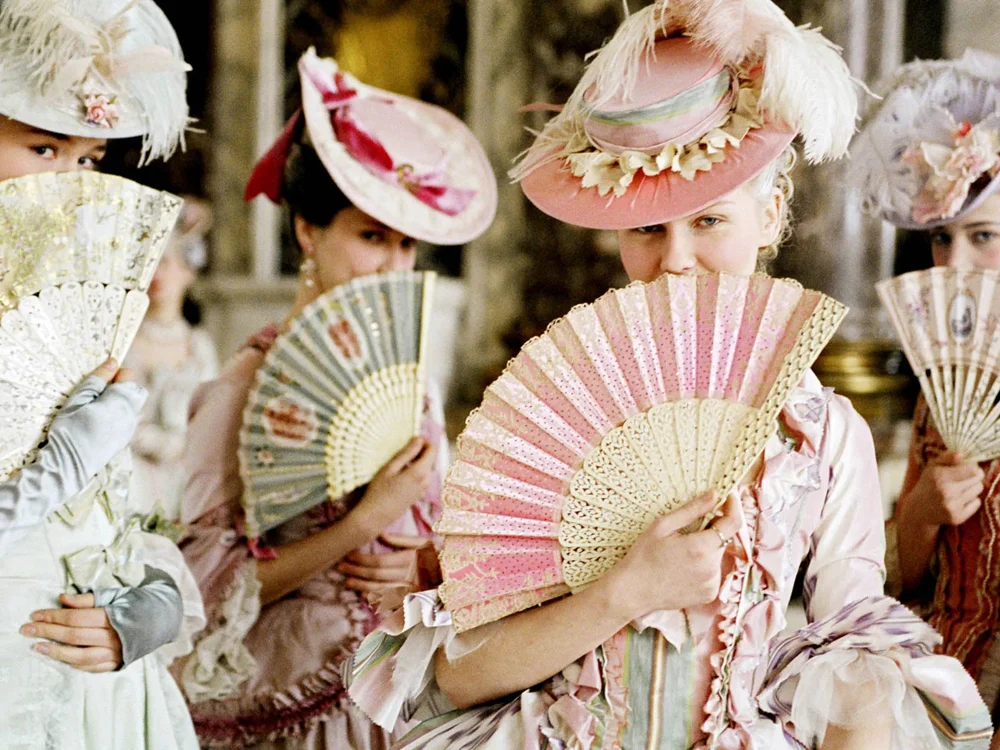

The 2006 biographical drama Marie Antoinette, written and directed by Sofia Coppola, remains one of the most polarizing yet aesthetically influential period pieces in modern cinema. Released two decades ago, the film has undergone a significant critical re-evaluation, transitioning from a misunderstood project that was famously booed at the Cannes Film Festival to a celebrated cult classic. The film, starring Kirsten Dunst in the title role and Jason Schwartzman as King Louis XVI, eschews traditional historical tropes in favor of an impressionistic, sensory-driven exploration of the French queen’s life within the gilded cage of Versailles.
Production Background and Artistic Intent
Sofia Coppola’s vision for Marie Antoinette was never intended to be a comprehensive historical documentary or a political analysis of the French Revolution. Instead, Coppola sought to humanize the much-maligned monarch by viewing the court of Versailles through the lens of a sheltered, overwhelmed teenager. Drawing inspiration from Antonia Fraser’s biography, Marie Antoinette: The Journey, Coppola focused on the internal emotional landscape of a girl forced into a high-stakes political marriage at the age of fourteen.
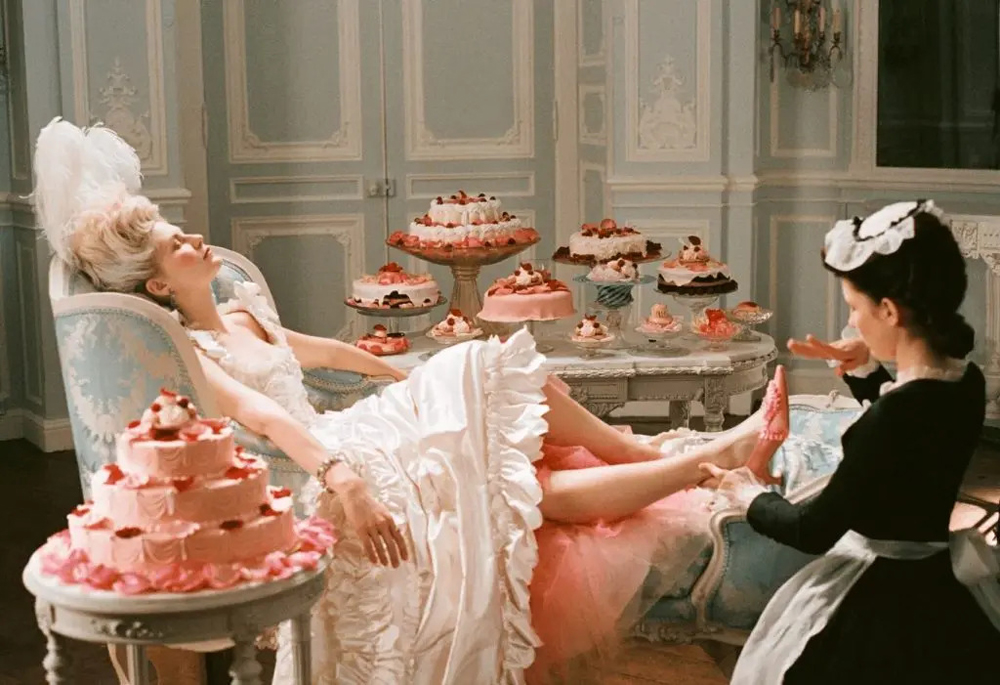
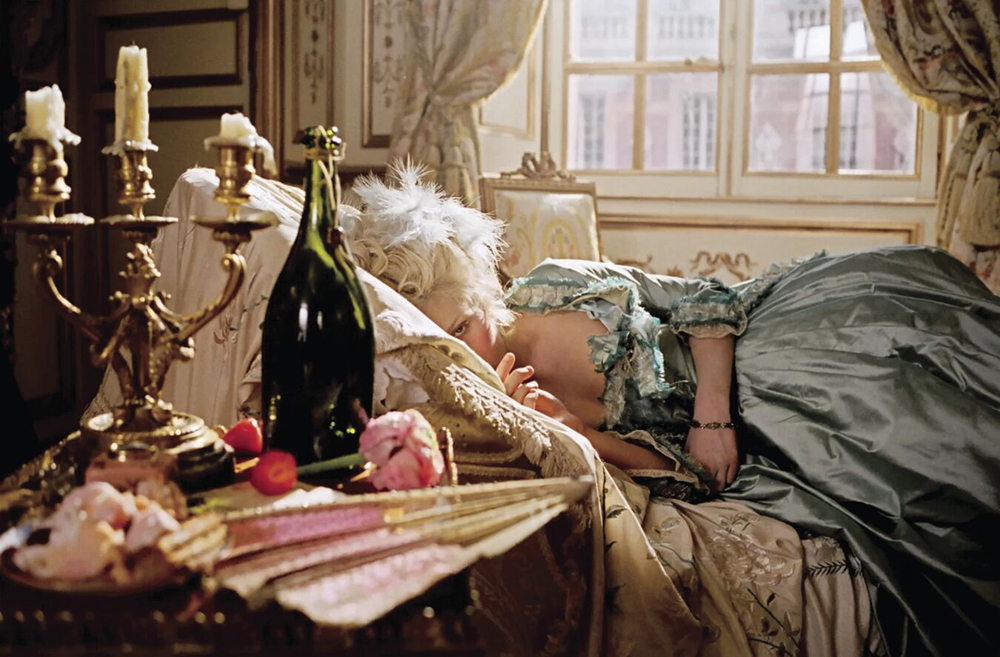
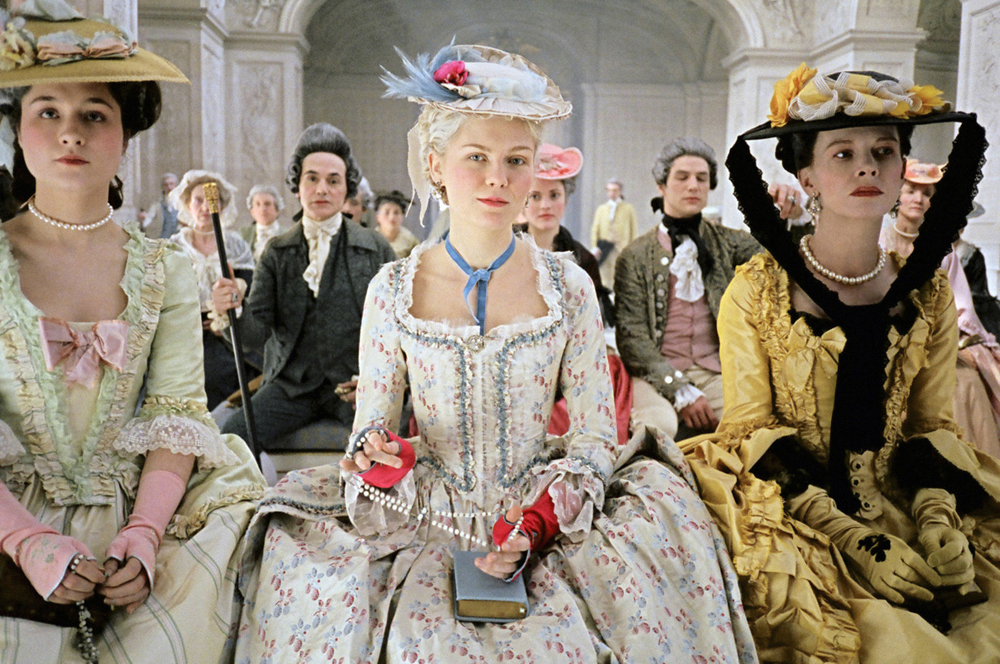
The production was granted unprecedented access to the Palace of Versailles, allowing the crew to film in the Hall of Mirrors and the Petit Trianon. This authenticity of location provided a stark contrast to the film’s deliberate anachronisms. With a production budget of approximately $40 million, the film utilized its resources to create an immersive atmosphere of luxury. The costume design, led by the legendary Milena Canonero, and the production design by K.K. Barrett, worked in tandem to establish a "candy-colored" palette that mirrored the decadence and eventual stagnation of the Bourbon monarchy.
Chronology of Reception: From Cannes to Cult Status
The timeline of the film’s reception is a study in shifting cultural perspectives. On May 24, 2006, Marie Antoinette premiered at the Cannes Film Festival. The screening ended with a mixture of applause and audible booing from the French press. Critics at the time were largely divided; many French journalists felt the film was "too American" and lacked the necessary gravity to address the socio-economic causes of the French Revolution. Some historians criticized the omission of the "Affair of the Diamond Necklace" and the minimal screen time given to the suffering of the French peasantry.
Domestically, the film opened in the United States on October 20, 2006. It earned roughly $12.7 million during its opening weekend and went on to gross approximately $60.9 million worldwide. While these numbers were modest, the film’s visual impact was immediate. At the 79th Academy Awards, Milena Canonero won the Oscar for Best Costume Design, cementing the film’s status as a triumph of style.
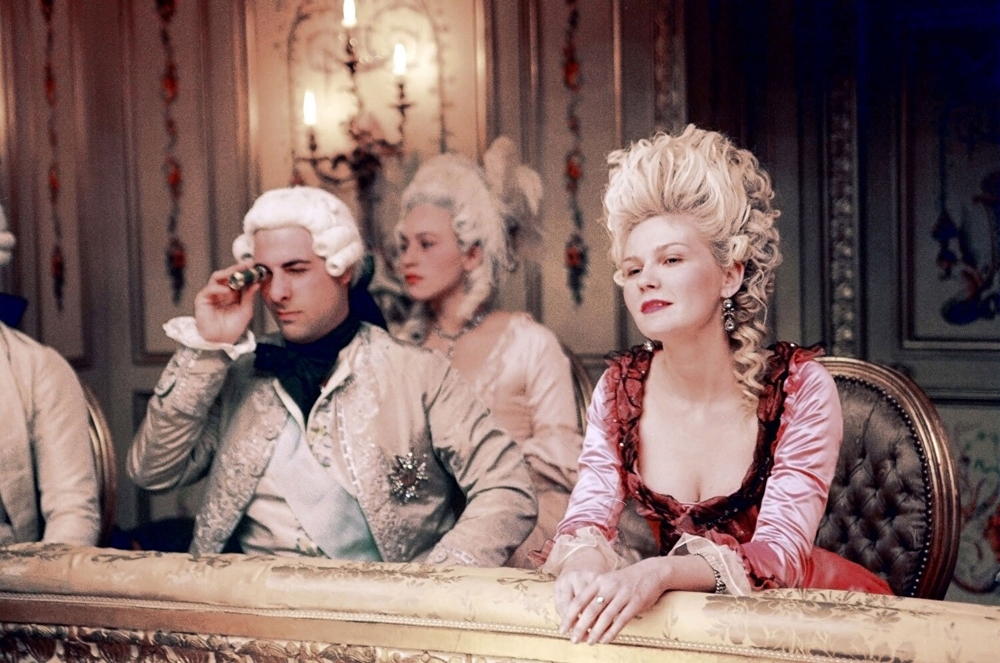
In the years following its release, the narrative surrounding Marie Antoinette began to change. With the rise of social media platforms like Tumblr and later TikTok, the film’s aesthetic—characterized by "weaponized pink," Ladurée macarons, and New Wave soundtracks—found a new audience. The "soft-girl" and "coquette" aesthetics that dominate contemporary digital fashion can trace their lineage directly back to Coppola’s 2006 imagery.
Visual Language and the Role of Anachronism
One of the most discussed elements of Marie Antoinette is its deliberate use of anachronisms. The most famous example occurs during the "I Want Candy" montage, where a pair of lavender Converse Chuck Taylor All-Stars is visible among a sea of silk slippers and Manolo Blahnik shoes. This was not a mistake but a calculated creative choice by Coppola to bridge the gap between the 18th century and modern youth culture.
The soundtrack further reinforced this bridge. Rather than utilizing a traditional orchestral score, Coppola curated a playlist featuring post-punk and New Wave artists such as New Order, The Cure, Siouxsie and the Banshees, and Bow Wow Wow. This juxtaposition served to emphasize the protagonist’s isolation and her attempt to find a sense of identity through consumption and rebellion. By casting the court of Versailles as a high school social milieu—complete with "mean girls" and social outcasts—Coppola made the historical figures relatable to a contemporary audience.
Supporting Data and Technical Achievements
The technical precision of the film is supported by the caliber of its creative team and its recognition within the industry.
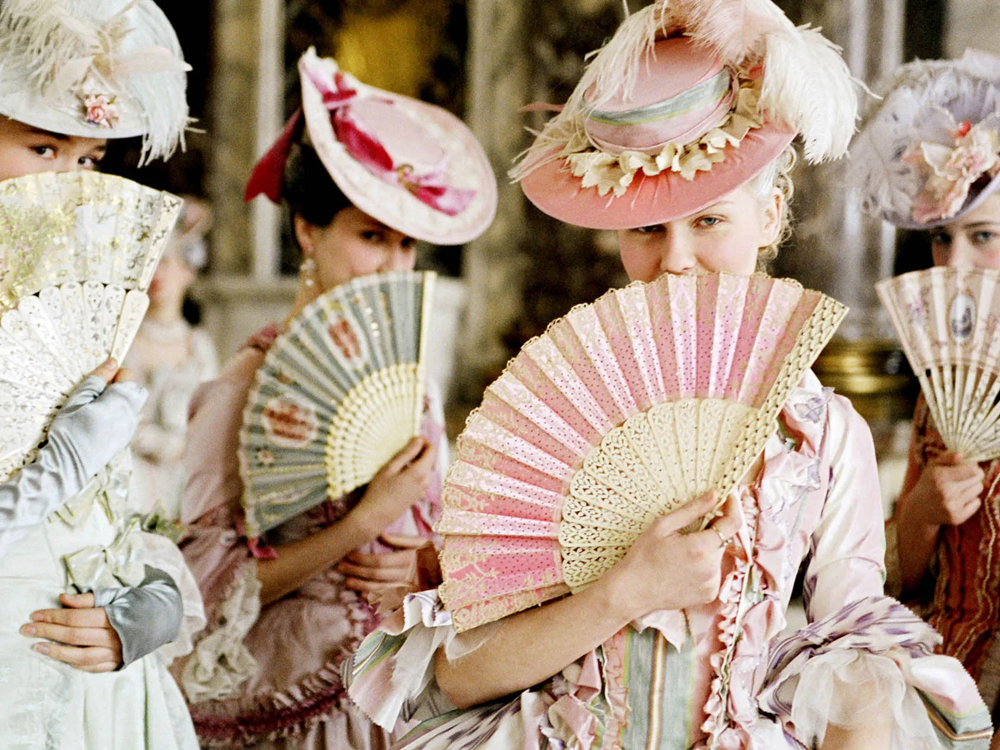
- Costume Design: Milena Canonero created hundreds of original costumes, opting for pastel shades that were historically inaccurate (as the 18th century favored more saturated hues) but served the film’s specific "macaron" aesthetic.
- Box Office: Despite the initial backlash, the film maintained a steady presence in international markets, particularly in Japan and France, where the visual style resonated strongly with fashion-forward audiences.
- Critical Scores: While it debuted to mixed reviews, the film currently maintains a "Fresh" rating on Rotten Tomatoes, with critics praising Kirsten Dunst’s nuanced performance as she portrays Marie’s transition from a naive archduchess to a stoic queen facing her downfall.
Statements and Reactions from the Cast and Crew
Reflecting on the film’s legacy, Kirsten Dunst has frequently noted that the production was a unique experience in her career. In recent interviews, Dunst emphasized that the film was ahead of its time, focusing on the "female gaze" before the term became a staple of cinematic critique. She described the character of Marie as a girl who was "blamed for the world’s problems" while simply trying to survive a toxic environment.
Jason Schwartzman, who played the shy and socially awkward Louis XVI, commented on the improvisational feel of some scenes, noting that Coppola encouraged a naturalistic acting style that contrasted with the rigid formality of the period costumes. Director Sofia Coppola has remained steadfast in her defense of the film’s narrow focus. She has stated that her interest lay in the "private world" of the characters rather than the public politics, arguing that the impending revolution is more effectively felt as a looming shadow over the party rather than a series of legislative debates.
Broader Impact and the 20th Anniversary Documentary
The influence of Marie Antoinette extends far beyond the realm of film. It revolutionized the "period drama" genre, paving the way for contemporary hits like Bridgerton, The Great, and The Favourite. These productions follow the "Coppola blueprint" by utilizing modern music, vibrant colors, and a focus on the psychological states of their protagonists rather than strict adherence to historical records.
In the fashion industry, the film’s impact is indelible. Major fashion houses, including Chanel and Dior, have cited the film’s color palette and silhouettes in their collections. The concept of "Marie Antoinette-core" remains a recurring theme in editorial photography and runway shows.
To mark the upcoming 20th anniversary of the film’s release, a new documentary directed by Sofia Coppola is scheduled for release in October 2026. This project is expected to provide a comprehensive look at the making of the film, featuring never-before-seen behind-the-scenes footage and new interviews with the cast. The documentary aims to contextualize the film’s production within the mid-2000s cinematic landscape and explore how its reputation evolved from a Cannes "failure" to a definitive piece of 21st-century art.
Analysis of Implications
The enduring relevance of Marie Antoinette (2006) suggests a shift in how audiences consume history. The film’s success in the digital age indicates that emotional authenticity often resonates more deeply with viewers than factual accuracy. By focusing on the "boredom" and "privilege" of the French queen, Coppola tapped into a universal experience of adolescence that transcends centuries.
However, the film also invites a more critical analysis regarding the romanticization of exploitation. By ignoring the squalor of the French populace, the film remains locked in the same bubble as its protagonist. While this is a valid artistic choice, it serves as a reminder of the power of perspective in storytelling. As the film reaches its 20-year milestone, it stands as a testament to the idea that a movie’s initial reception is rarely the final word on its cultural value. Through its lush visuals and unapologetic style, Marie Antoinette continues to invite discussion, debate, and imitation, securing its place in the pantheon of influential modern cinema.